
A wet spot on clothing, bedding, or a wheelchair cushion can be frustrating, uncomfortable, and stressful. Catheter bag leakage is often caused by a loose connection, a kinked tube, an overfull bag, or a drainage setup that is not positioned correctly. A quick, careful check can solve many problems, but persistent leaking should never be ignored.
Start With a Quick Safety Check
Before handling the catheter or drainage bag, wash your hands with soap and water. If you use disposable gloves, put them on after washing. Keep the tubing and connection points off the floor and away from unclean surfaces.
Look at where the moisture is coming from. Is urine leaking from the bag itself, the drainage port, the tubing connection, or around the catheter where it enters the body? These are different problems and may need different solutions.
If there is little or no urine draining into the bag, the bladder feels full or painful, or urine is leaking around the catheter, check the tubing right away. A blocked or kinked tube may prevent proper drainage. If you cannot restore drainage promptly, contact the prescribing clinician or home health provider.
Common Causes of Catheter Bag Leakage
A Loose Tubing Connection
The connection between the catheter tubing and the bag tubing can loosen during transfers, dressing, bathing, or normal movement. Even a small gap can allow urine to escape.
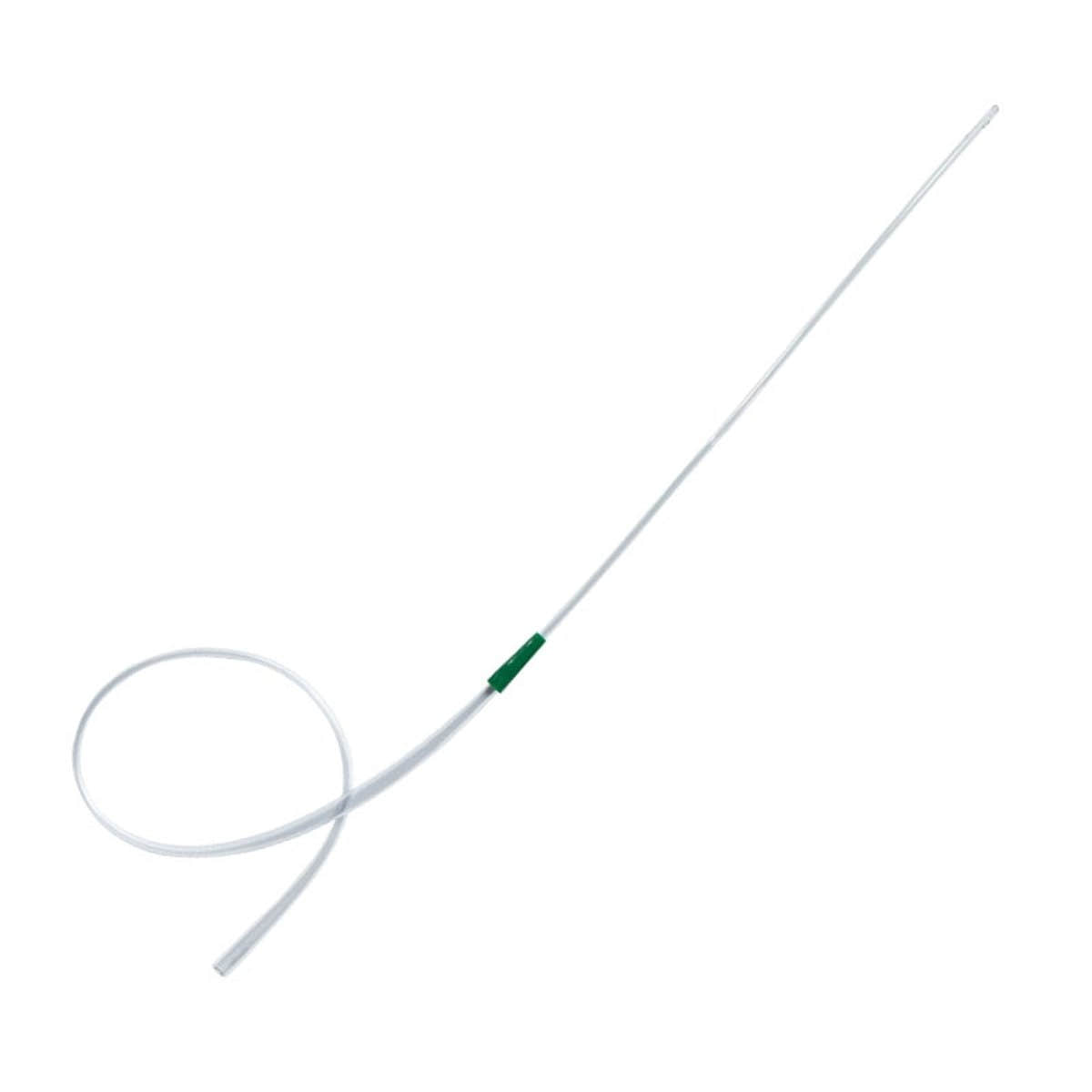
Check that the connection is firmly pushed together according to the product instructions. Avoid pulling, twisting, or repeatedly disconnecting the system unless your care team has instructed you to do so. A closed drainage system helps reduce the chance of bacteria entering the tubing.
If the connector looks cracked, will not stay attached, or has become contaminated, replace the drainage bag or tubing as directed by your care team.
Kinked, Twisted, or Compressed Tubing
Tubing can become trapped under a leg, tucked into clothing, caught in a recliner, or pinched by a bedrail. When urine cannot flow freely, pressure may build and cause leaking at a connection or around the catheter.
Follow the tubing from the catheter to the bag and gently straighten any bends. Make sure there are no tight loops. During sleep, check that the tubing has enough slack to move when the person changes position without being pulled or compressed.
A catheter securement device can help keep the catheter and tubing in a stable position. It may be especially useful for active users, people who transfer frequently, or caregivers managing daily dressing and bathing routines.
The Drainage Bag Is Too Full
A full bag is heavier, harder to manage, and more likely to pull on the tubing or leak at the drainage outlet. Empty the bag before it becomes overly full. Many caregivers use one-half to two-thirds full as a practical reminder, although the right routine depends on fluid intake, bag size, and the individual's care plan.
When emptying the bag, keep the drain spout from touching the toilet, measuring container, or floor. Close the outlet securely afterward. If the cap or valve does not close completely, the bag may need replacement.
The Bag Is Positioned Too High
Urine drains by gravity. The bag should stay below the level of the bladder, whether it is a smaller leg bag during the day or a larger bedside bag overnight. A bag placed too high can slow drainage and may contribute to backflow or leaking.
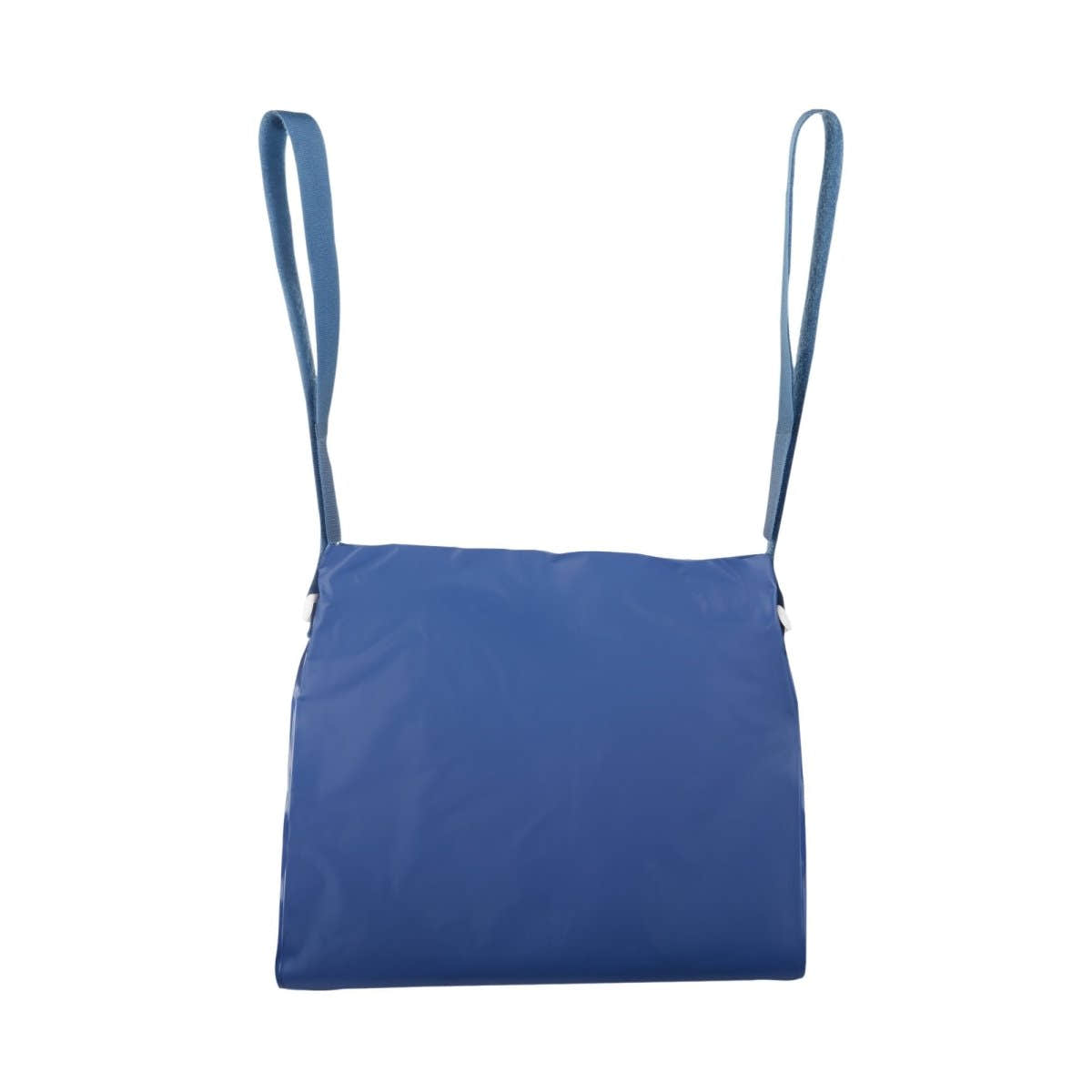
For a bedside bag, use a clean bag hanger or a stable holder attached below mattress level. Do not place the bag directly on the floor. For a leg bag, use straps designed to hold the bag securely without restricting circulation or creating painful pressure.
A Damaged Bag, Valve, or Tube
Small punctures, worn seams, cracked connectors, and faulty drainage valves can all cause leaks. Inspect the bag in good light, especially if it has been tugged, dropped, or used longer than recommended. A leak may appear only when the bag is full or when it is moved.
Do not try to patch a urine drainage bag with tape, glue, or household sealants. These fixes are unreliable and can make the system harder to clean and use safely. Replace damaged supplies with compatible products recommended for the catheter setup.
How to Troubleshoot a Leaking Catheter Bag
Work through the simplest checks first. Empty the bag if it is heavy or nearing capacity. Confirm the drainage valve is fully closed, then inspect the bag for a visible tear or wet seam.
Next, trace the tubing from the catheter to the bag. Remove kinks, loosen tight clothing, and make sure the bag is lower than the bladder. Check that all connections are secure without disconnecting the system unnecessarily.
If the outside of the bag and tubing are dry but urine is leaking around the catheter insertion area, the issue may not be the bag. Bladder spasms, constipation, a blocked catheter, or a catheter that is the wrong size or position can contribute to bypassing. Contact a clinician for guidance rather than attempting to adjust or replace the catheter yourself unless you have been specifically trained to do so.
After correcting an obvious issue, monitor the drainage for a short period. Urine should flow into the bag without pooling in the tube. If leakage continues, replace the bag if appropriate and contact the care team for next steps.
Preventing Future Leaks at Home
A consistent routine makes catheter care easier for both users and caregivers. Keep replacement drainage bags, leg bag straps, securement supplies, gloves, and cleaning items in one easy-to-reach area. Having backups on hand prevents a small leak from becoming an urgent shopping trip.
Choose the bag style that fits the situation. A leg bag can offer mobility and discretion during the day, while a larger bedside bag often reduces the need for overnight emptying. Some people use both, switching according to their clinician's instructions and daily routine.
Check tubing placement after getting dressed, transferring from bed to chair, using mobility equipment, or changing sleep positions. These are common times for tubing to pull or kink. Loose-fitting clothing may also make it easier to route tubing comfortably without pressure points.
Follow the manufacturer's use instructions and the replacement schedule provided by the care team. Reusing disposable components beyond their intended use can raise the risk of leaks and hygiene concerns. When ordering supplies, confirm that the bag, tubing, connectors, and accessories are compatible with the current catheter system.
When to Call a Healthcare Professional
Call the prescribing clinician, urology office, nurse, or home health provider if the leak does not stop after checking the bag, valve, tubing, and positioning. You should also seek guidance if urine is no longer draining into the bag, the catheter falls out, or the tubing disconnects and cannot be safely reconnected.
Prompt medical advice is especially important if there is fever, chills, new confusion, severe lower abdominal pain, back or flank pain, nausea or vomiting, blood in the urine, foul-smelling urine with new symptoms, or a swollen, painful bladder. These symptoms may signal a blockage, infection, or another issue that needs clinical attention.
For severe pain, a distended abdomen, inability to drain urine, or symptoms that feel urgent, seek immediate medical care. Do not wait for a routine supply replacement to address a possible drainage problem.
A dependable catheter setup should fit into daily life without constant worry. Keeping the bag supported, the tubing clear, and replacement supplies ready can make leaks easier to handle and help home care feel more manageable.