
For families asking, "when should seniors use a cane?" the answer is usually not “only after a fall.” A cane can be a practical early support when walking begins to feel less steady, painful, or tiring. Used correctly, it may help a person stay active with more confidence while reducing strain on an injured or weaker leg.
A cane is not a sign of giving up independence. For many older adults, it is a simple home mobility aid that makes everyday tasks - getting to the mailbox, moving through the kitchen, attending appointments, or walking across a parking lot - feel more manageable. The key is choosing the right time, style, and fit.
When Should Seniors Use a Cane?
A senior may benefit from a cane when there is a mild but noticeable change in balance, strength, or comfort while walking. Occasional unsteadiness, favoring one leg because of arthritis, or feeling nervous on uneven ground can all be useful signals. A cane provides one additional point of contact with the floor, which can improve stability when the person still has reasonable strength and can bear weight through one arm.
Common signs include holding furniture or walls while moving around the house, taking shorter steps to avoid feeling off-balance, or needing to pause because a hip, knee, ankle, or foot hurts. A cane can also be helpful during recovery from a minor injury or surgery when a clinician has said limited support is appropriate.
Falls or near-falls deserve prompt attention. A single trip does not always mean a cane is needed, especially if there was an obvious cause such as poor lighting or a loose rug. But repeated stumbles, a new fear of falling, dizziness, or a growing reluctance to leave home should be discussed with a healthcare provider. The right mobility aid is only one part of fall prevention.
A cane is generally best for someone who needs modest support on one side. If a person cannot walk safely without holding onto another person, has significant weakness in both legs, or loses balance often, a walker may offer more stability. A clinician or physical therapist can help make that distinction.
Start With the Cause of the Walking Change
Before choosing a cane, consider why walking has become difficult. Pain from osteoarthritis, a recent joint procedure, neuropathy, poor vision, medication side effects, and changes after a stroke can all affect balance differently. A cane may be useful in several of these situations, but it does not address every cause.
New or sudden symptoms need medical attention rather than a quick equipment purchase. Seek urgent care for sudden weakness or numbness, facial drooping, trouble speaking, chest pain, fainting, severe dizziness, or an inability to bear weight after a fall. These symptoms can point to a serious health problem.
For gradual changes, a primary care provider or physical therapist can assess gait, leg strength, footwear, home hazards, and the type of support needed. This is especially worthwhile after a fall, after hospitalization, or when a senior has multiple health conditions. A short fitting and training session can make a major difference in how safely the cane is used.
Choose a Cane That Matches the Need
The best cane is not necessarily the one with the most features. It should feel secure, be easy to manage, and provide the level of support the user actually needs. Weight capacity, handle comfort, adjustability, and the surfaces where it will be used all matter.
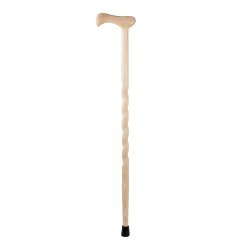
A standard single-tip cane is lightweight and easy to use for mild balance concerns or pain on one side of the body. It is a common choice for indoor walking and routine errands. A quad cane has a wider base with four small feet and may stand on its own, which some users find convenient. It can provide more support, though it is heavier and may be awkward on stairs or uneven ground.
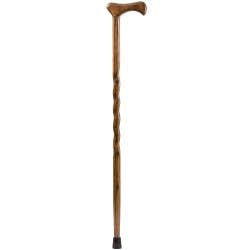
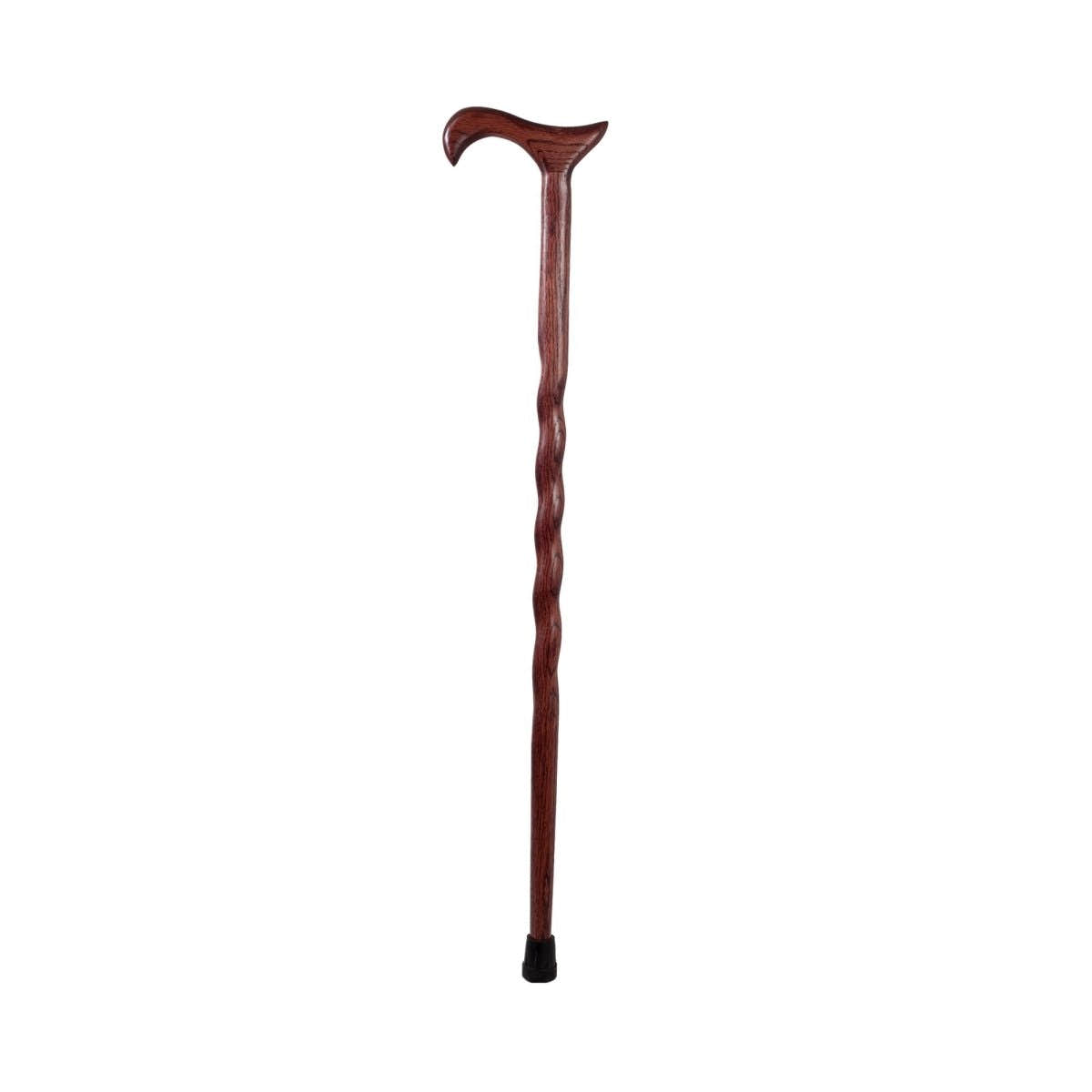
Offset-handle canes distribute body weight over the cane shaft and are often comfortable for regular use. A traditional curved-handle cane can work well for light support, but it is not always the best option for someone placing substantial weight on it. Folding canes are convenient for travel or storing in a vehicle, provided the locking mechanism is secure and the cane is rated for the user's needs.
When comparing cane options, focus on these practical details:
- An adjustable height range that allows a proper fit
- A comfortable, secure grip that does not aggravate hand arthritis
- A non-slip rubber tip in good condition
- A weight capacity appropriate for the user and the support required
Proper Cane Height Makes a Real Difference
A cane that is too tall can raise the shoulder and strain the neck. One that is too short encourages stooping and provides less useful support. The ideal height varies by person, so adjustability is valuable.
A simple starting point is to have the senior stand upright in their usual walking shoes with arms relaxed at their sides. The top of the cane should generally line up with the crease of the wrist. When holding the handle, the elbow should have a slight bend, usually around 15 to 20 degrees. This position lets the arm bear some weight without forcing the shoulder upward.
Check the fit again if footwear changes. Thick-soled shoes, slippers, or bare feet can alter the effective height of a cane. For someone who mainly uses the cane indoors, supportive non-slip shoes are usually safer than loose slippers or socks on smooth floors.
A physical therapist can fine-tune the fit for people with an uneven posture, one leg shorter than the other, significant pain, or a neurological condition. Small adjustments can improve both comfort and stability.
How to Walk Safely With a Cane
For pain or weakness in one leg, the cane is usually held in the opposite hand. For example, a person with right knee pain generally holds the cane in the left hand. The cane and weaker leg move forward together, followed by the stronger leg. This pattern helps shift some pressure away from the painful side.
It can feel counterintuitive at first, particularly for people who assume the cane belongs on the same side as the sore leg. Practice in a clear, well-lit area is helpful. The cane should move a short distance ahead, not far out in front where it may pull the user off balance.
Stairs require extra attention. Use a handrail whenever one is available, and avoid carrying items that prevent a secure grip. A common reminder is “up with the stronger leg, down with the weaker leg and cane,” but individual instructions may differ after surgery or with certain conditions. A therapist can demonstrate the safest sequence for the person's situation.
At home, remove loose throw rugs, clear cords and clutter from walkways, and add lighting near stairs, bathrooms, and the route to the bedroom. A cane works best as part of a safer environment, not as the only answer to a fall risk.
When a Cane May Not Be Enough
If the senior continues to fall, leans heavily on the cane, cannot walk across a room without significant effort, or needs support on both sides, it may be time to ask about a walker. Walkers can offer a broader base of support and may be a better choice during recovery, with more advanced balance problems, or when weakness affects both legs.
A cane should also be reassessed if it causes wrist, shoulder, or back pain. Hand arthritis can make certain handles difficult to hold, while a quad cane may catch on narrow pathways or thick carpeting. The right device should improve function, not create a new challenge.
For caregivers, observe how the cane is used in real settings: getting out of bed, entering the bathroom, navigating doorways, and walking outside. These everyday moments often reveal whether the fit and style are working.
Make Mobility Support Part of Everyday Care
A cane can be a small change with a meaningful effect on confidence and routine. CartHealth offers home mobility essentials alongside the everyday care supplies many households already rely on, making it easier to keep needed items available at home.
The most helpful choice is one that supports safe movement without asking the senior to do more than their strength and balance allow. When walking changes, acting early, getting proper guidance, and practicing with the right cane can help preserve the freedom to move through daily life with greater comfort.