A bathtub edge can become a major barrier after surgery, during recovery, or when balance and leg strength change. A transfer bench for bathtub use creates a stable seated path into the tub, so the person does not have to step over a high wall while standing on a wet surface. For many households, that can make bathing feel more manageable for both the user and the caregiver.
A transfer bench is not the right answer for every bathroom or every mobility need. The best choice depends on the tub, the available floor space, the user’s ability to shift while seated, and whether a caregiver will assist. Knowing what to measure and what features matter can help you choose equipment that supports safer, more comfortable daily care.
What a Transfer Bench Does
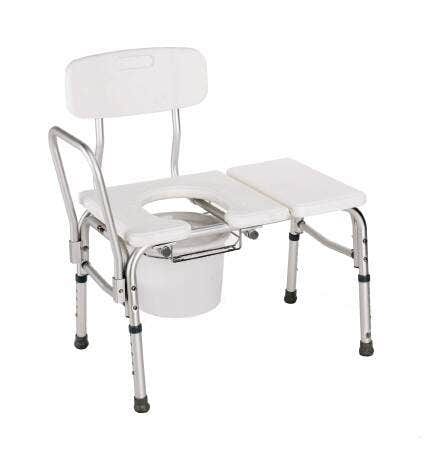
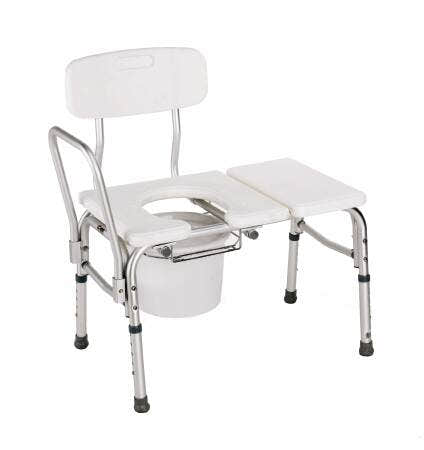
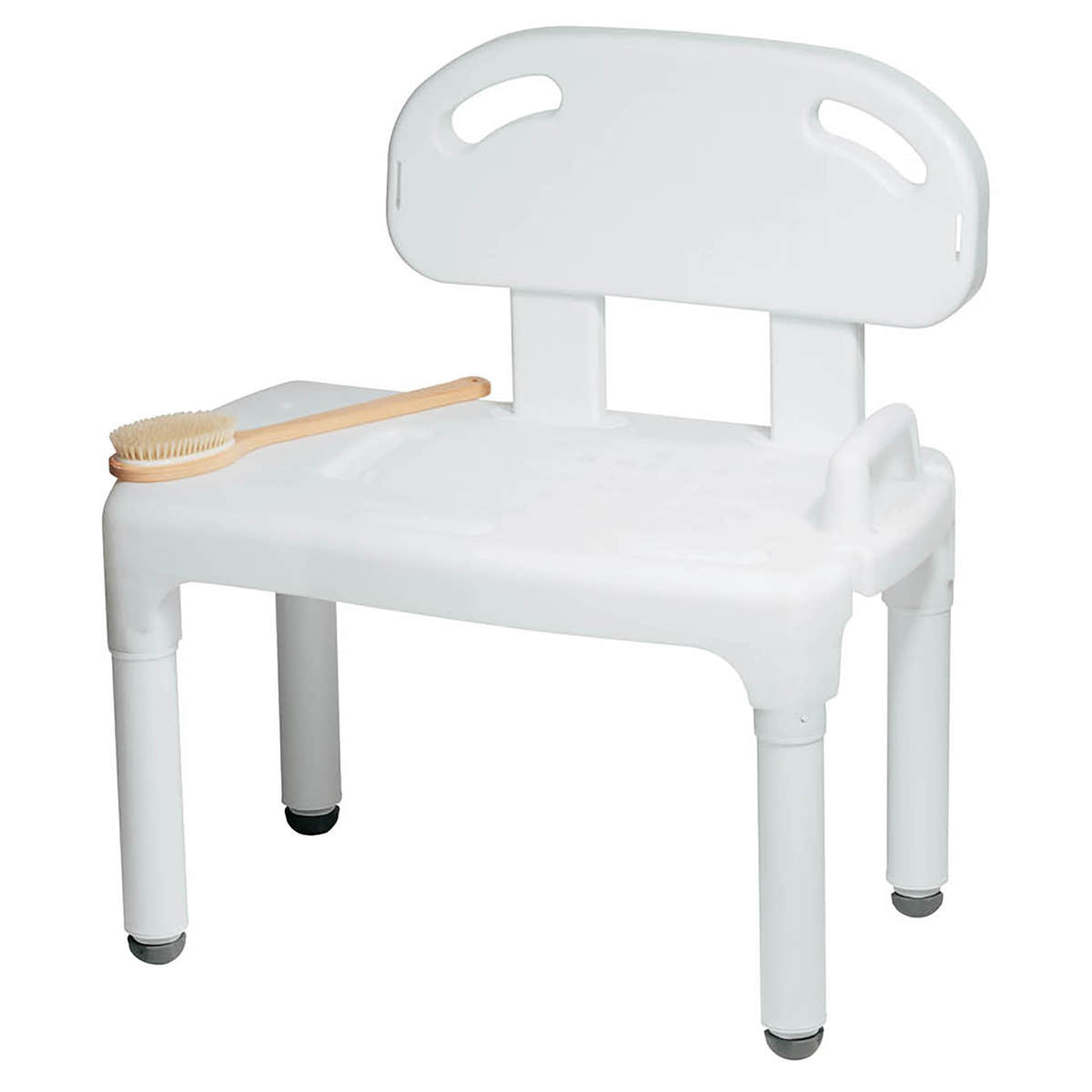
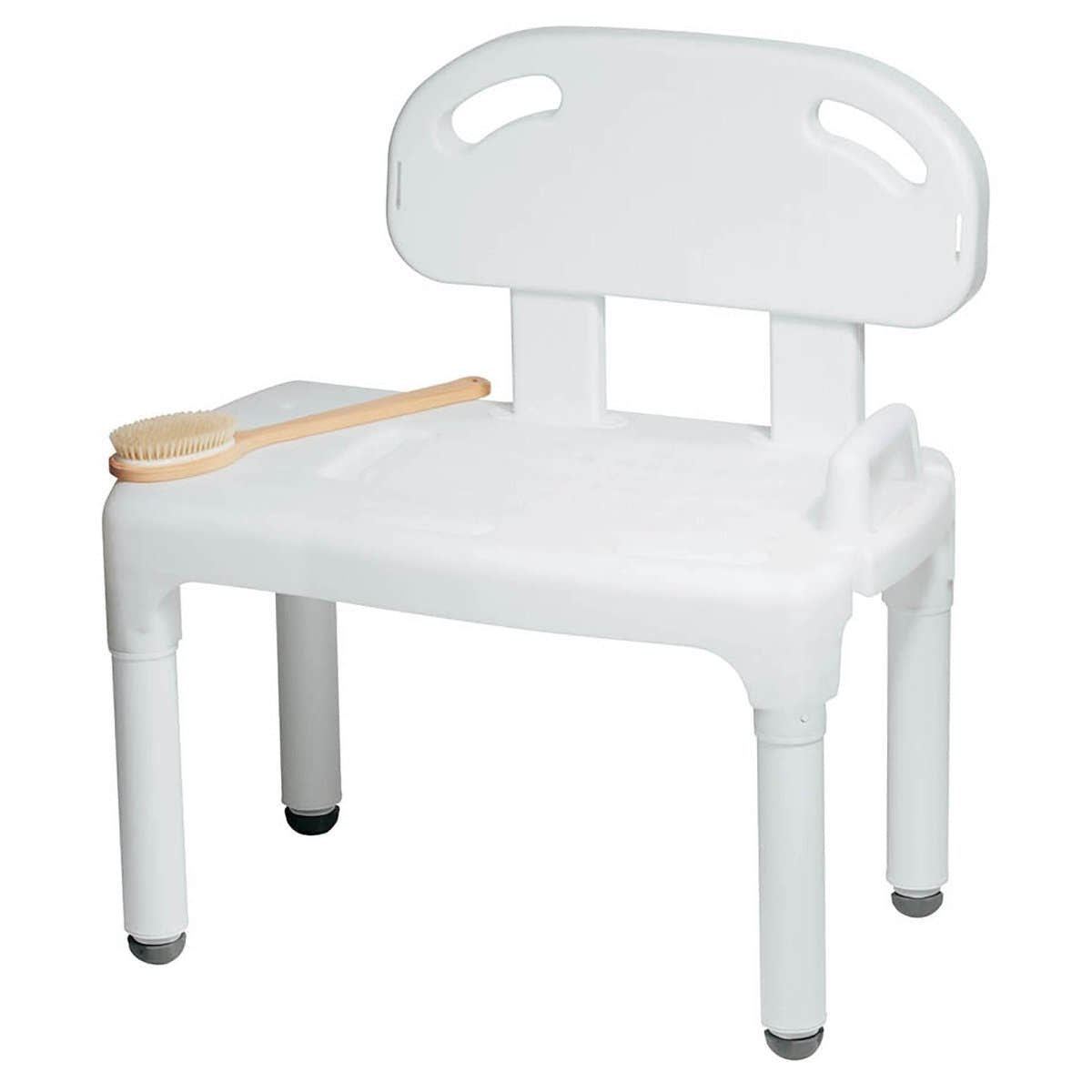
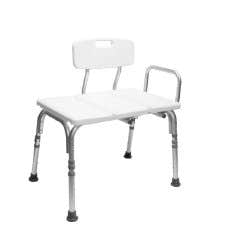
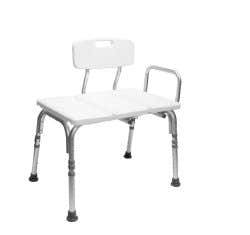
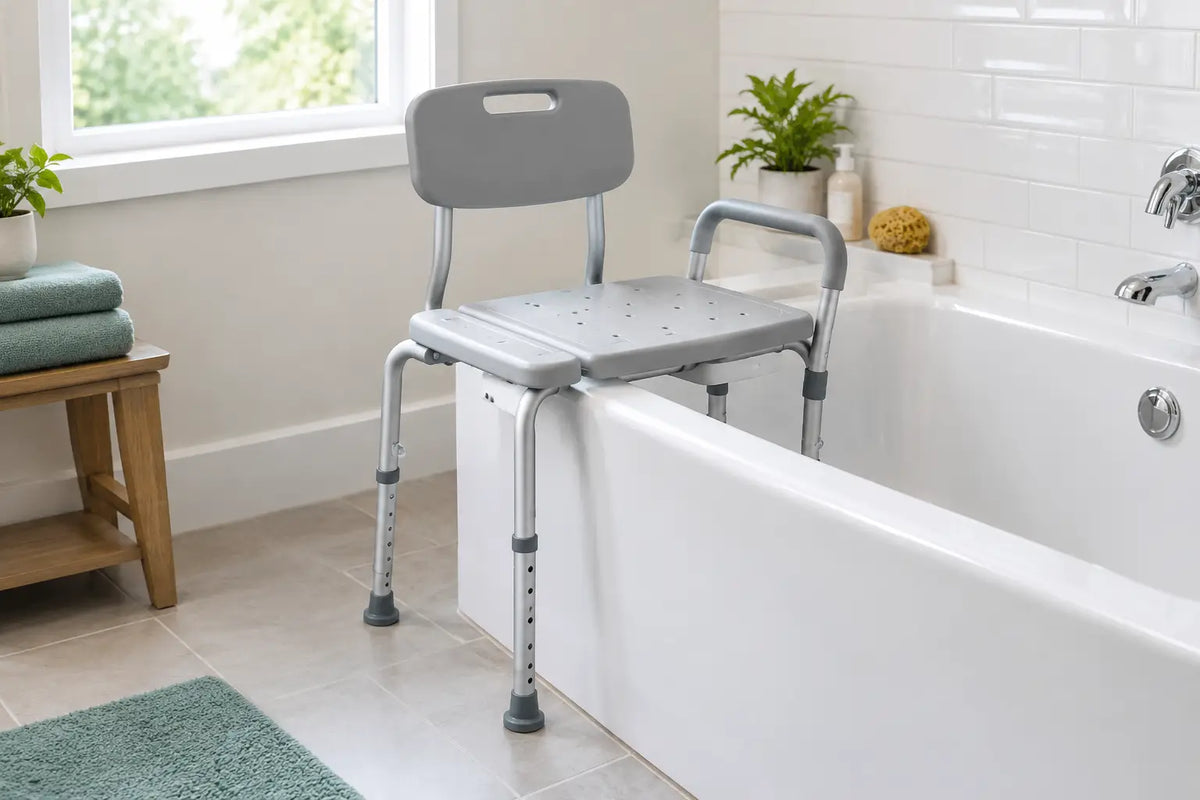
A transfer bench is a long, waterproof seat that rests partly outside the bathtub and partly inside it. The user sits on the outer section first, then moves across the seat into the tub. Two legs typically sit outside the tub, while two adjustable legs sit inside.
This design differs from a standard shower chair or bath seat. A shower chair sits entirely inside the tub or shower, which means the user still needs to step over the tub wall before sitting down. A transfer bench reduces that step-over motion, making it especially useful for people with limited hip, knee, or leg movement; those using a walker or wheelchair; and people recovering from joint replacement, injury, or hospitalization.
Many models include a backrest, arm support, adjustable-height legs, and a hand-held shower holder. Some have a sliding seat that lets the person move across with less scooting. These options can be helpful, but more features are not automatically better. The right setup should match the user’s strength, reach, and transfer ability.
Who May Benefit From a Transfer Bench for Bathtub Use
A transfer bench may be a practical option when stepping over the tub wall feels painful, unsteady, or unsafe. It is commonly considered for older adults, people with arthritis, individuals managing neurological conditions, and patients returning home after surgery or rehabilitation.
It can also reduce some of the physical demand on a family caregiver. Instead of trying to steady someone while they lift a leg into the tub, the caregiver can focus on positioning, supervision, and helping with the seated transfer when needed. That said, a bench does not remove the need for good judgment. A person who cannot sit upright safely, follow transfer directions, or shift their weight may need a different bathing plan and guidance from a clinician or occupational therapist.
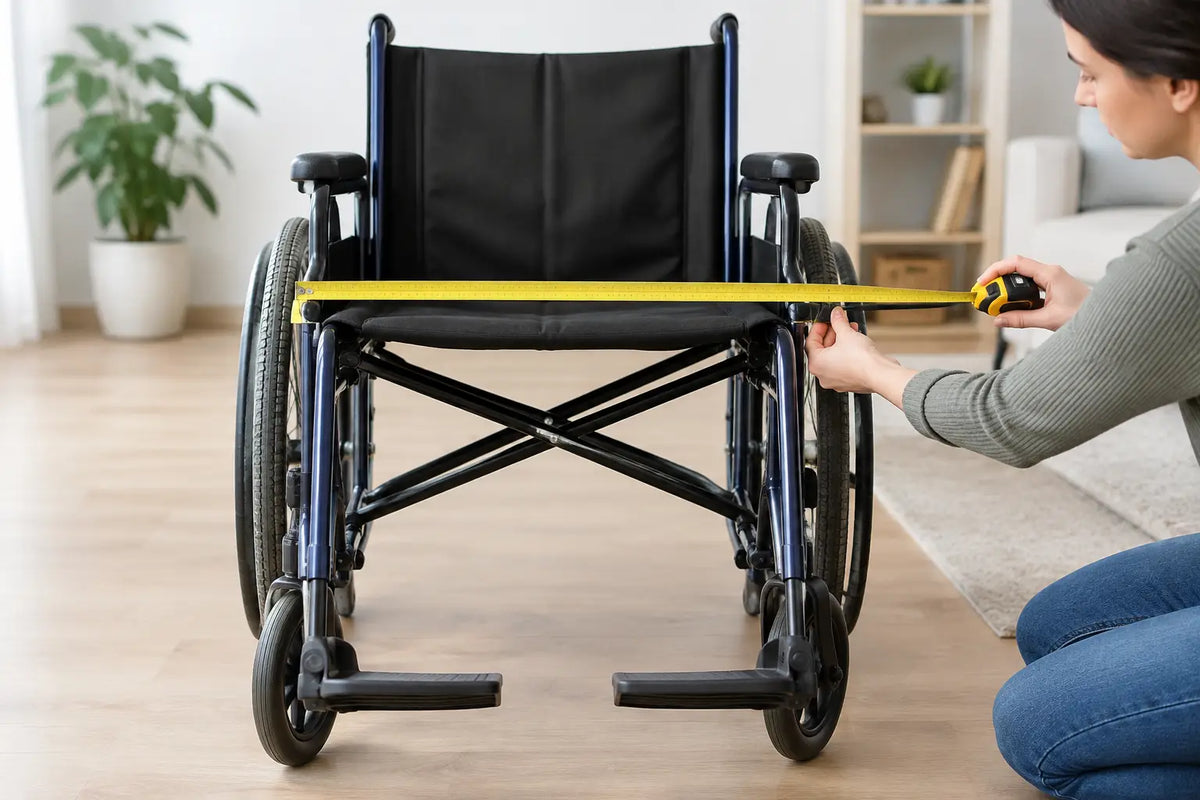
If the person uses a wheelchair, consider the full transfer route. There must be enough room to position the wheelchair beside the outer end of the bench, lock the wheels, and allow the person or caregiver to move without crowding the doorway or vanity.
Measure Before You Shop
Most transfer bench problems are sizing problems. Before choosing one, measure the bathroom rather than relying on a tub’s general appearance. Even a well-made bench can be inconvenient or unsafe if the legs do not sit flat or the outer seat blocks access through the bathroom.
Record these measurements:
- The inside width of the bathtub, measured wall to wall at the point where the bench legs will stand.
- The height from the bathroom floor to the top of the tub wall.
- The available floor space outside the tub, including clearance for doors, toilets, cabinets, and mobility equipment.
- The user’s seated height, so the bench can be adjusted to a position that supports stable transfers.
- The product’s weight capacity, including the user’s body weight and any expected force during movement or caregiver assistance.
Key Features to Compare
Fixed Bench or Sliding Bench
A fixed transfer bench has a stationary seat. The user sits down and scoots across the surface. It is generally straightforward, stable, and often a good fit for someone who can use their arms and trunk to reposition themselves.
A sliding transfer bench has a seat that moves along a frame. This can reduce friction and the effort of scooting, which may be useful after hip surgery or for someone with reduced lower-body strength. Sliding models may cost more and can take up additional space, so verify that the bathroom layout supports the full range of movement.
Backrest and Arm Support
A backrest can provide reassurance for someone who needs support while bathing or while preparing to transfer. Some benches allow the backrest to be installed on either side, which matters because the best transfer direction depends on the bathroom layout and the user’s stronger side.
Arm supports can make it easier to push up from sitting. They can also get in the way for some users, especially when transferring from a wheelchair. Consider how the person naturally moves rather than assuming every support feature will help.
Seat Surface and Drainage
Look for a textured, easy-to-clean seat with drainage holes. Water should move through the seat rather than pool beneath the user. A wider seat may feel more comfortable, but it should not make the transfer harder or leave too little room for the user to reach bathing items.
A cutout seat can help with personal hygiene, although it is not necessary for everyone. Comfort, stability, and ease of cleaning usually matter more than extra design details.
Adjustable Legs and Nonslip Tips
Height-adjustable legs are essential because the bench should sit level, with all four legs firmly supported. Rubber or nonslip leg tips help the bench grip the tub floor and bathroom floor. Inspect these tips regularly, particularly if the bench is used daily. Worn tips, loose adjustment buttons, or a cracked seat are reasons to stop using the bench until it can be repaired or replaced.
Set Up the Bench Carefully
Follow the manufacturer’s assembly instructions exactly, including the recommended placement of the backrest and arm support. Place the two longer legs inside the bathtub and the outer legs on the bathroom floor. Adjust each leg so the bench is level and does not rock.
Before the first bath, test the bench while the tub is dry. Press down on different parts of the seat and check that every leg stays planted. Then practice the transfer with clothing on and with assistance if needed. The user should approach the outer end, reach back for the seat or arm support, sit slowly, and move across in small controlled motions. A caregiver should avoid pulling on the person’s arms, which can cause pain or imbalance.
Keep the pathway clear. Bath mats, loose rugs, laundry baskets, and cords can create trip hazards around the bench. A nonslip bath mat inside the tub may provide added footing for someone who stands briefly, but it should lie flat and not interfere with the bench legs. Grab bars installed correctly into wall studs can also provide useful support. Towel bars and soap dishes are not designed to hold body weight.
Everyday Cleaning and Maintenance
A transfer bench is exposed to soap residue, body oils, and moisture, so a quick rinse after use helps keep the surface clean. Wipe it dry when practical, especially around adjustment holes and metal hardware. Use a mild household cleaner that is appropriate for the product material, then rinse away residue that could make the seat slippery.
Once a week, check the frame, leg adjustments, screws, and rubber tips. If more than one person uses the bench, reset the height carefully instead of assuming a single setting works for everyone. Keeping the bench clean and properly adjusted is part of making it dependable, not an optional extra.
A well-fitted transfer bench can turn a difficult tub entry into a more predictable routine. Choose based on the person’s actual transfer needs and the bathroom’s measurements, then take the time to set it up securely. That small amount of planning can help make everyday bathing feel less strenuous and more comfortable at home.