A wet bathroom floor can turn a routine shower into a real concern, especially when balance, vision, joint pain, or mobility changes are part of daily life. Nonslip bath mats for seniors provide a simple layer of traction where it is needed most, but the right mat is more than a soft surface with a few suction cups. Fit, drainage, cleaning needs, and the type of tub or shower all affect how well it performs.
For seniors and family caregivers, the goal is practical: make bathing more comfortable and reduce avoidable slip hazards without adding another difficult-to-clean item to the bathroom. A well-chosen bath mat can support a safer home setup alongside grab bars, a shower chair, handheld showerhead, and other mobility aids when needed.
Start With Where the Mat Will Be Used
The first decision is whether the mat will sit inside the tub or shower, outside the bathing area, or both. These are different products with different jobs.
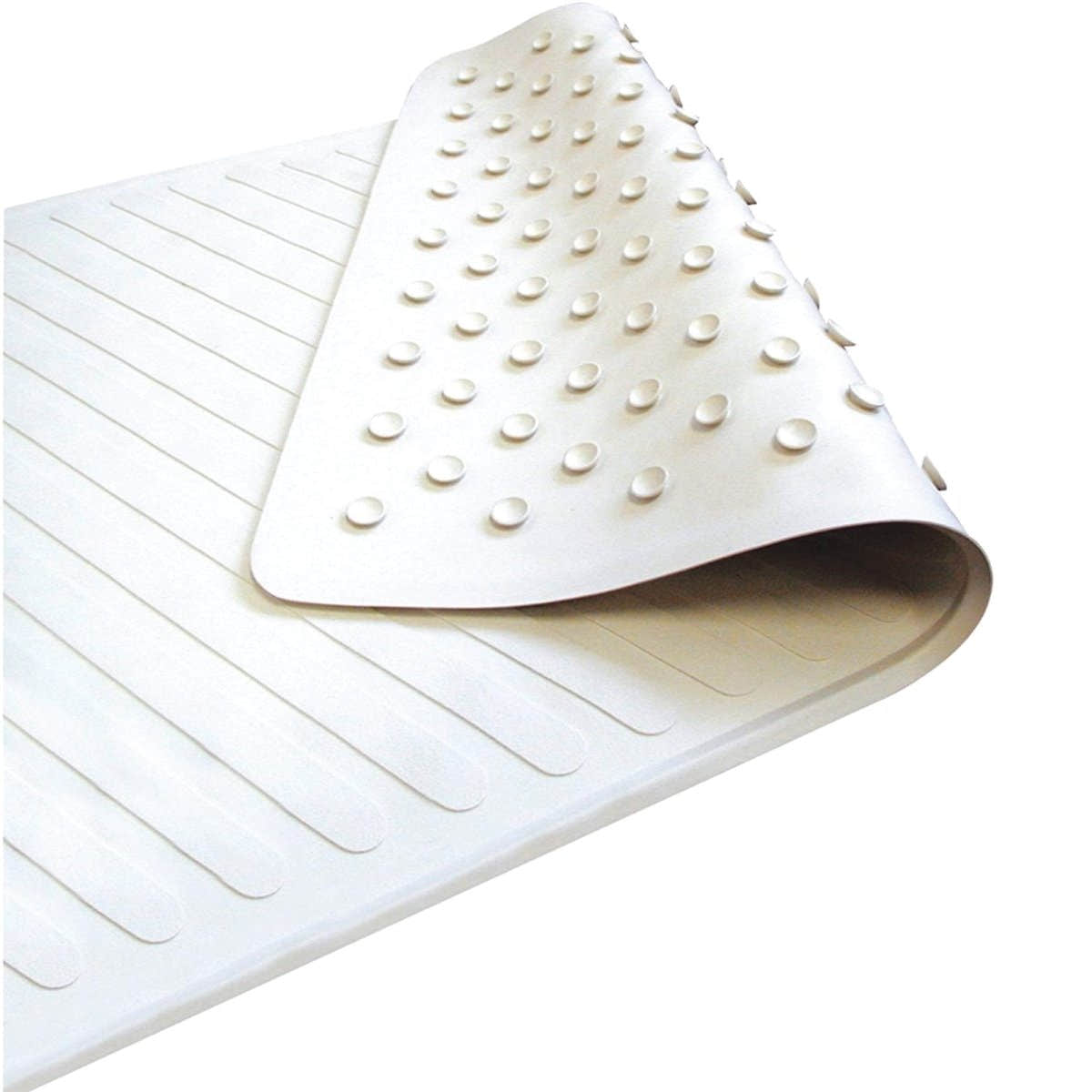
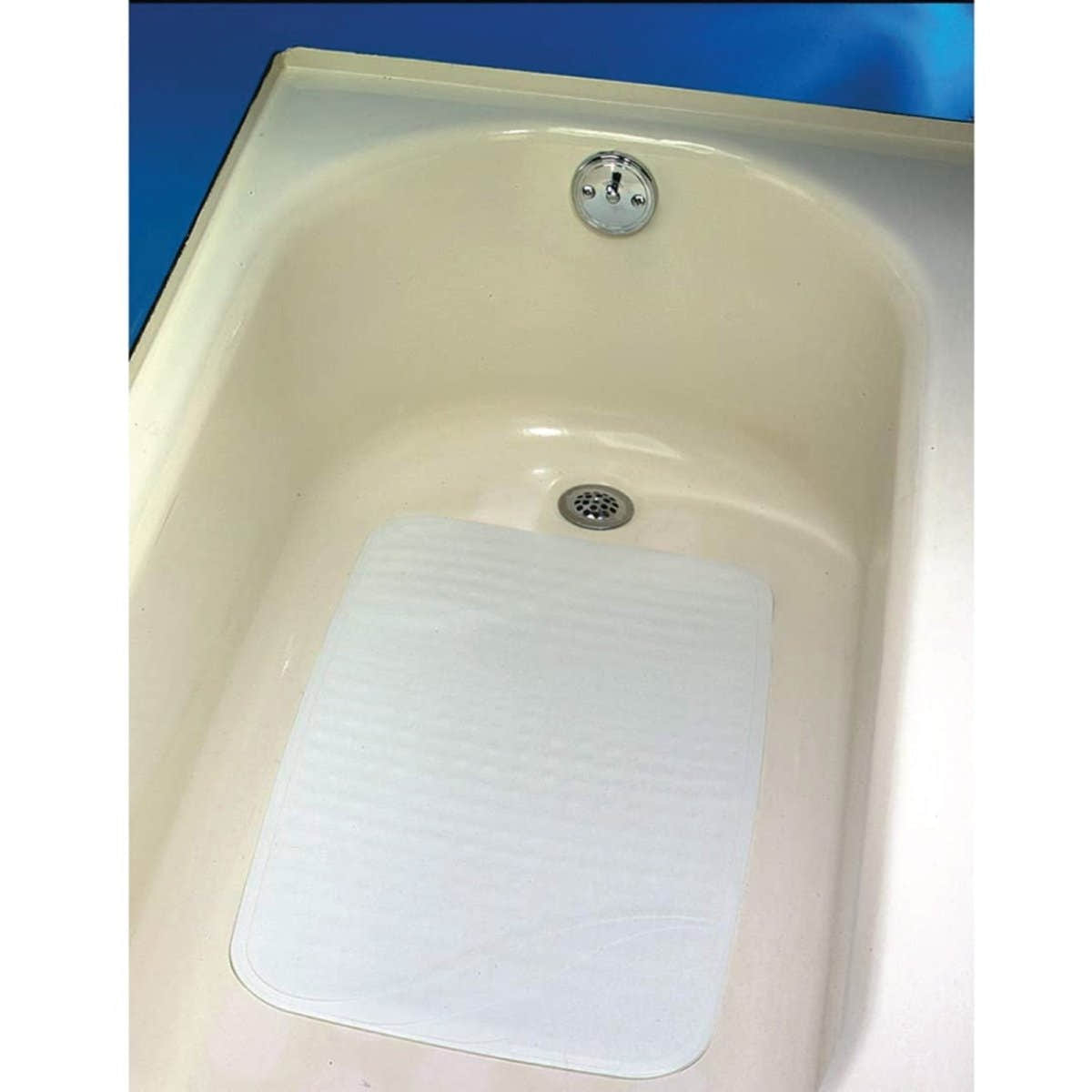
An inside-the-tub mat is designed to grip a wet surface under bare feet. It should stay flat, allow water to drain, and cover the area where the person steps in, stands, and turns. An outside mat is meant to absorb water after bathing and provide stable footing on the bathroom floor. It should have a slip-resistant backing, but it does not replace an in-tub mat.
For many homes, using both is the most sensible arrangement. The interior mat addresses slippery tub or shower flooring, while the exterior mat helps prevent a wet-footed step onto tile, vinyl, or another smooth floor.
Check the Surface Before Buying
Suction-cup mats work best on smooth, clean, non-textured surfaces. A heavily textured tub floor, pebble-style shower floor, uneven tile, or surfaces with grout lines may prevent the cups from sealing securely. In that situation, look for a mat specifically made for textured surfaces or consider a full-coverage adhesive traction solution approved for the shower surface.
Never place a suction-cup mat over another bath mat, bath oil residue, or a surface that has not been cleaned. Even a quality mat can shift if soap film or body wash buildup is underneath it.
What to Look for in Nonslip Bath Mats for Seniors
The best choice depends on the bathroom layout and the senior's mobility needs, but a few features deserve close attention.
Secure Grip Without Curling Edges
For a tub or shower, look for a mat with a substantial number of suction cups or another reliable underside grip system. Press it firmly into place before every use, then test it by gently pulling at several points. It should not slide, lift, or bunch under pressure.
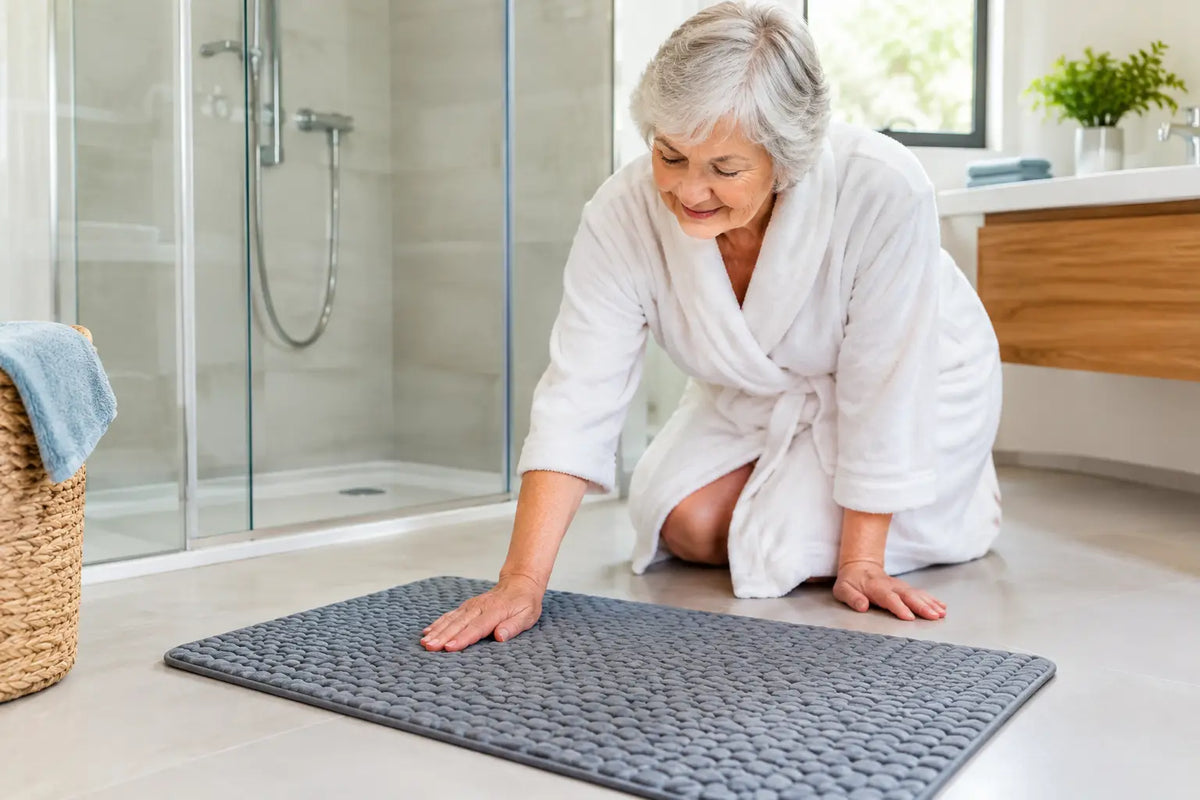
For the floor outside the tub, choose a mat with a full slip-resistant backing rather than small rubber dots alone. Corners should lie flat. Curled or raised edges can become a tripping hazard, particularly for someone using a cane, walker, or wheelchair.
Drainage That Prevents Standing Water
Water must be able to move through and around an in-shower mat. Drain holes, open-grid designs, and slatted surfaces can help prevent puddling underfoot. This is especially useful in walk-in showers where water may collect in one area.
A cushioned mat may feel more comfortable for sensitive feet, but it should still drain well. Very thick, solid mats can hold moisture and take longer to dry. Comfort matters, but not at the expense of secure footing or easy maintenance.
Enough Coverage for the Actual Standing Area
Measure the tub or shower floor before ordering. A mat that is too small may leave the main standing zone uncovered, while one that is too large can fold up along the sides or block the drain.
For a standard tub, a longer rectangular mat often provides useful coverage from the entry point toward the faucet end. For a walk-in shower, choose a size that fits the primary transfer and standing area. If a shower chair is used, confirm that the chair legs can rest securely on the surface and that the mat will not interfere with its rubber tips.
Material That Is Comfortable and Easy to Maintain
Many nonslip bath mats are made from vinyl, rubber, PVC, or foam-like materials. Each has trade-offs. Rubber can offer dependable grip and durability, though some people notice a stronger odor when a new product is first opened. Vinyl and PVC mats are often lightweight and easy to rinse, but quality varies and some may become stiff over time.
For seniors with tender feet, neuropathy, or arthritis, a lightly cushioned surface may be more comfortable than a thin textured mat. On the other hand, a person who drags their feet or has difficulty lifting them may do better with a lower-profile mat that reduces resistance while walking or transferring.
Match the Mat to Mobility Needs
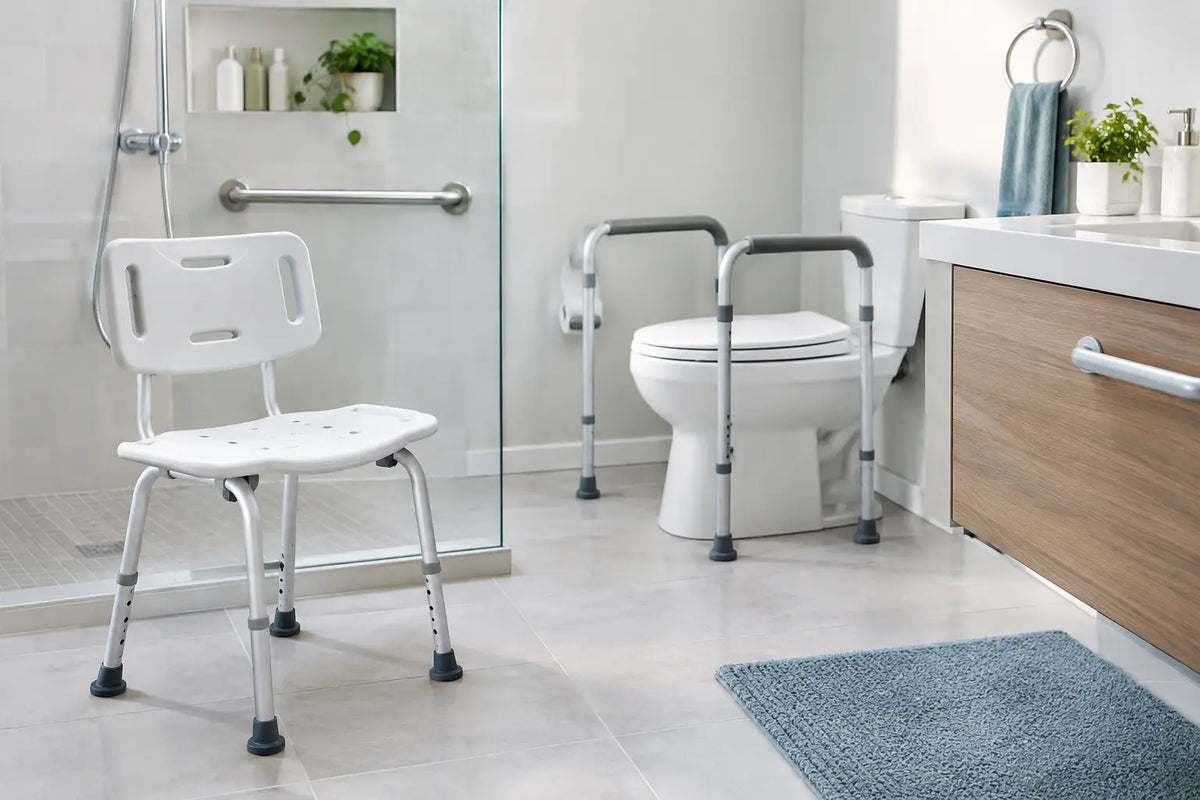
A bath mat is one part of fall prevention, not a complete solution. Someone who feels unsteady when stepping over a tub wall may need more than added traction. A tub transfer bench, shower chair, grab bars installed into wall studs, or a handheld showerhead may make bathing easier and reduce the need to stand or pivot on a wet surface.
Consider how the person bathes now. Do they stand independently, use a cane nearby, need help transferring, or sit while showering? The answers affect the safest setup. For example, a senior who uses a shower chair may benefit from a large, flat, well-draining mat inside the shower and a highly absorbent nonslip mat outside the entry. A person who transfers into a tub may need clear, stable flooring around the tub and support equipment rather than a plush floor mat that compresses underfoot.
If falls, dizziness, fainting, or new balance problems are occurring, speak with a healthcare professional. A mat can reduce one environmental hazard, but it cannot address medication effects, blood pressure changes, vision concerns, or an underlying medical issue.
Cleaning Matters More Than Most People Expect
Bathroom humidity creates ideal conditions for soap buildup, mildew, and mold. A mat that is difficult to clean may gradually become less sanitary and less effective at gripping the tub floor.
After each use, rinse the in-tub mat and hang it over the tub edge, shower bar, or another location where air can circulate around both sides. Do not leave it flat on the shower floor all day. That traps moisture underneath and can lead to discoloration, odor, or mildew.
Follow the manufacturer's washing instructions. Some mats can be machine washed, while others should be hand washed with mild soap and warm water. Avoid harsh cleaners unless the product directions allow them, since they can damage the material or reduce grip. Inspect the mat regularly for worn suction cups, cracks, stiff areas, discoloration, or edges that no longer lie flat. Replace it when it no longer stays securely in place.
Common Mistakes to Avoid
A few everyday choices can undermine even a good bath mat:
- Using a loose decorative rug as a bathroom safety mat
- Installing a suction-cup mat on a textured or dirty tub surface
- Leaving the mat in place constantly without rinsing and drying it
- Choosing a thick, soft floor mat that makes walker or cane use less stable
- Assuming a bath mat removes the need for grab bars or seated bathing support
A Practical Buying Checklist
Before selecting a mat, confirm the tub or shower surface, measure the available floor area, and decide whether you need protection inside the bathing area, outside it, or both. Then look for dependable grip, drainage, low-profile edges, and cleaning instructions that fit the household routine.
For caregivers ordering supplies for a parent or loved one, convenience also matters. Choosing dependable home safety and personal care essentials from one place can make regular reordering easier, particularly when mobility, incontinence care, or other daily health needs are already part of the routine.
The right bath mat should feel unremarkable once it is in place: flat, secure, easy to clean, and ready for the next shower. That everyday reliability is what makes it a worthwhile addition to a safer bathroom.