A shower can feel like a small victory during recovery, but it can also leave you wondering: can wound dressings get wet? The answer depends on the wound, the type of dressing, and your clinician’s instructions. Some dressings are designed to handle brief contact with water. Others need to stay completely dry to protect the wound and support healing.
The safest approach is simple: treat the instructions you received from your healthcare provider as the rule for your specific wound. If you were not given clear bathing directions, keep the dressing dry until you can ask. A wet dressing is not automatically an emergency, but it should not be ignored.
Can Wound Dressings Get Wet During a Shower?
Many standard gauze dressings, adhesive bandages, and wraps should be kept dry. When they become soaked, they can loosen, trap moisture against the skin, or pick up bacteria from shower water. Damp materials may also rub against the wound as you move, causing discomfort or disturbing new tissue.
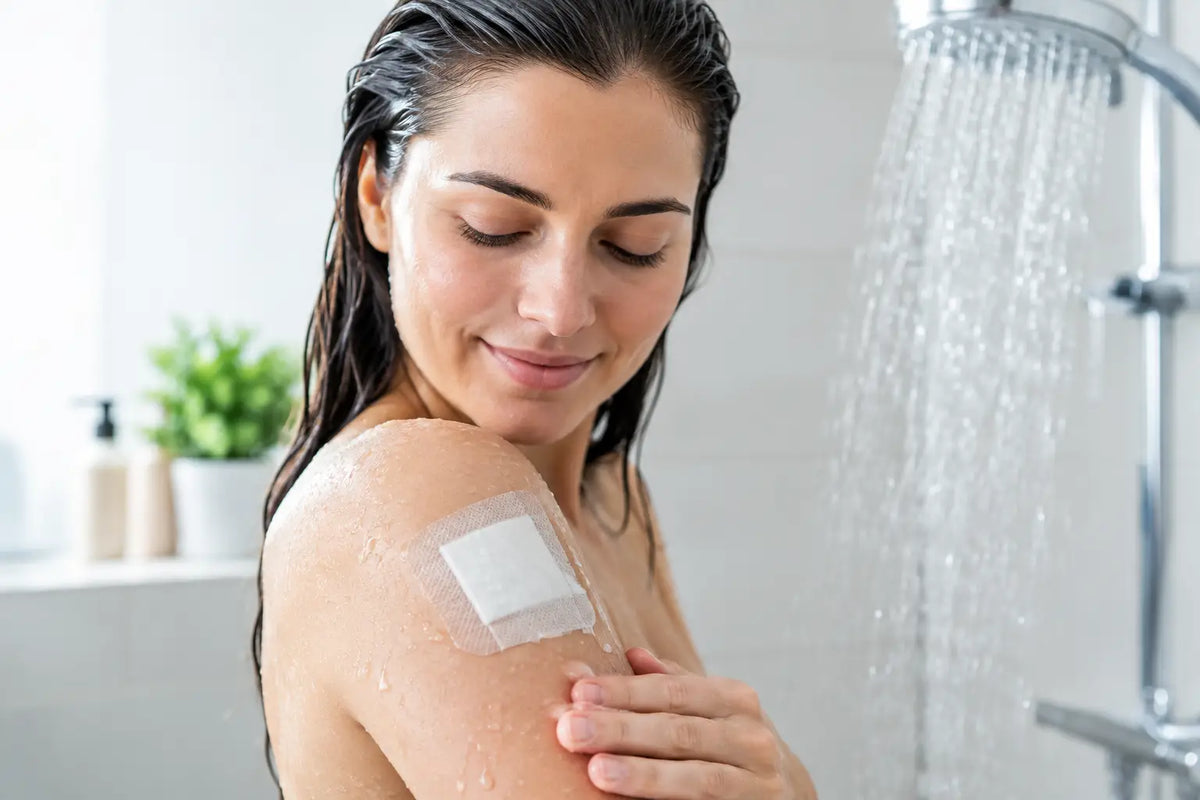
Waterproof or water-resistant dressings are different. Some have a protective outer film that can tolerate a brief shower when the edges are fully sealed. “Water-resistant” does not necessarily mean it can be submerged or sprayed directly for several minutes. Check the product packaging and follow your provider’s directions, especially after surgery or when caring for a deep wound.
Even a dressing labeled waterproof may need to be replaced if water gets underneath it, if an edge lifts, or if the pad becomes damp. The goal is not just to keep the outside dry. The wound and absorbent portion of the dressing should remain protected.
Why Keeping a Dressing Dry Matters
A wound needs a clean, protected environment. The right amount of moisture within a wound can support healing, but that is different from leaving a dressing wet with bath or shower water. Outside water can carry soap, shampoo, dirt, and microorganisms into the dressing. It can also break down the adhesive that keeps the covering in place.
Wet skin around the wound can become soft, pale, wrinkled, or irritated. This is called maceration. It can make the skin more vulnerable to breakdown and make it harder for a dressing to stay attached. For people with diabetes, circulation concerns, fragile skin, or a history of slow-healing wounds, careful moisture control is especially helpful.
There is a practical trade-off, too. Covering a dressing too tightly with plastic may keep water out, but it can also pull at the skin when removed or cause sweating underneath. Use a method that is secure but gentle, and avoid putting strong tape directly on fragile skin unless your care team has recommended it.
How to Shower With a Wound Dressing
If your clinician says showering is okay, keep the shower brief and use lukewarm water. Avoid directing a strong stream of water at the dressing or wound area. Do not scrub the dressing, and avoid soaking in a bathtub, hot tub, pool, lake, or ocean unless you have been specifically cleared to do so.
For a non-waterproof dressing, cover it before getting into the shower. A shower cover or waterproof protective sleeve may work well for wounds on an arm, hand, leg, or foot. For areas that are harder to cover, such as the chest, abdomen, or hip, a waterproof film cover may be used if it can be applied without pressing on the wound itself. Make sure the edges are sealed, but do not stretch the skin or tape so tightly that it causes pain.
After showering, remove any temporary cover carefully. Check the dressing before getting dressed. If it is dry, secure, and clean, it may be left in place according to your normal change schedule. If it is damp, loose, visibly soiled, or leaking, change it as soon as possible using the supplies and method your provider recommended.
What to Do If Your Dressing Gets Wet
If a dressing gets splashed but the inside pad is still dry and the edges remain firmly attached, it may be fine. Pat the outside gently with a clean towel and inspect it. Do not use a hair dryer, heating pad, or other heat source to dry a dressing. Heat can irritate the skin and may damage the dressing material.
If the dressing is wet through, it is generally best to replace it promptly. Wash your hands first. Remove the old dressing slowly, following any instructions you were given about cleansing the wound. Apply a clean, dry dressing of the same type, unless your care plan calls for a different product.
If you do not have replacement supplies available, protect the area as cleanly as possible and contact your healthcare provider or pharmacy for guidance. Keeping a small backup supply of dressings, tape, skin-friendly adhesive remover, and disposable gloves can make unexpected changes less stressful at home.
Choosing Dressings for Everyday Wound Care
The right dressing depends on the wound’s location, drainage level, size, and cause. A small cut may only need a simple adhesive bandage. A surgical incision, pressure injury, or draining wound may require a more specific dressing plan.
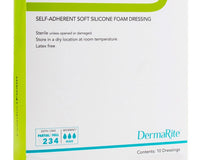
Common options include gauze pads and rolls, transparent film dressings, foam dressings, hydrocolloid dressings, and waterproof adhesive bandages. Some are better for absorbing drainage, while others are designed to protect a wound from friction or outside moisture. Product labels can be useful, but they should not replace clinical instructions for a complex wound.
When shopping for wound care supplies, consider how often the dressing needs to be changed and whether the person using it has sensitive or fragile skin. A dressing that is easy for a caregiver to apply and remove can make regular wound care more manageable. Keeping trusted supplies on hand through CartHealth can also help avoid a last-minute trip when a dressing needs to be replaced after a shower.
When a Wet Dressing Needs Medical Advice
Contact your healthcare provider if you are unsure whether a dressing should be changed, particularly after surgery or when caring for a wound with special instructions. Get medical guidance promptly if you notice any of the following:
- Increasing redness, warmth, swelling, or pain around the wound
- New or worsening drainage, especially thick, cloudy, green, or foul-smelling drainage
- Fever, chills, or feeling generally unwell
- Bleeding that does not stop with gentle, direct pressure
- Wound edges opening, stitches or staples coming loose, or a dressing that cannot be replaced safely
A Note on Baths, Pools, and Soaking
Showering is usually easier to control than soaking. In a bath, pool, hot tub, or natural body of water, the dressing can be submerged for an extended period. Water can work its way beneath the edges even when a cover looks secure from the outside.
Many providers advise avoiding soaking until the wound is closed and you have been cleared to resume those activities. This is particularly common after surgery, stitches, skin procedures, or treatment for a pressure wound. If swimming or bathing is part of your routine, ask for specific guidance rather than assuming a waterproof bandage makes it safe.
A dry, secure dressing gives your wound one less obstacle to healing. Before your next shower, check your supplies, follow the care plan you were given, and replace any dressing that becomes wet or loose so the area stays clean and protected.