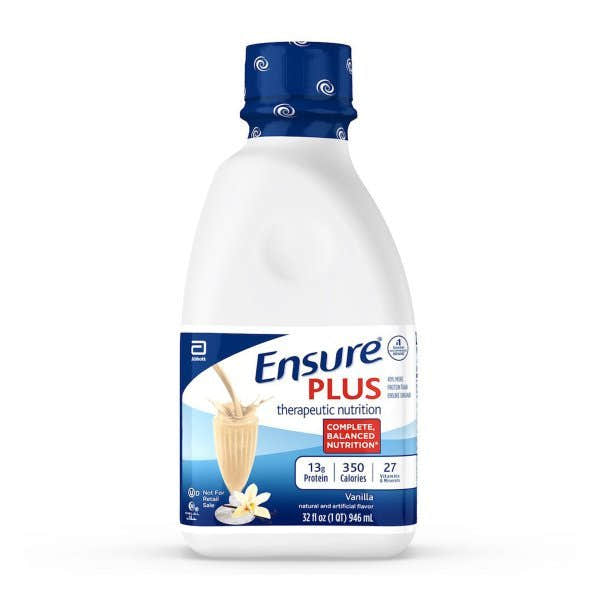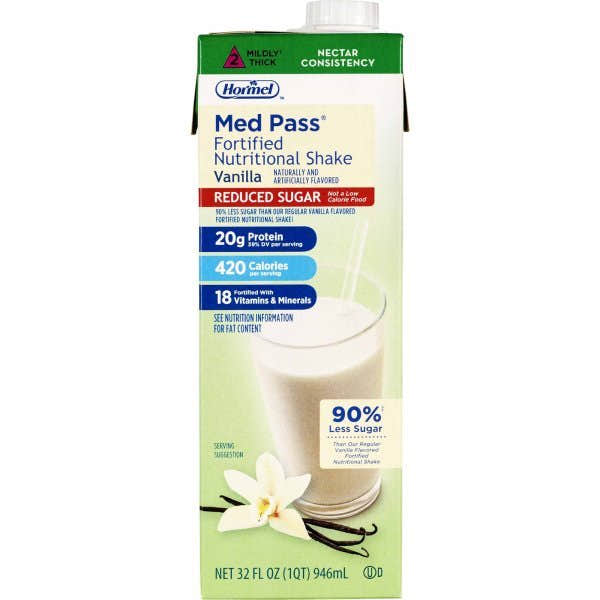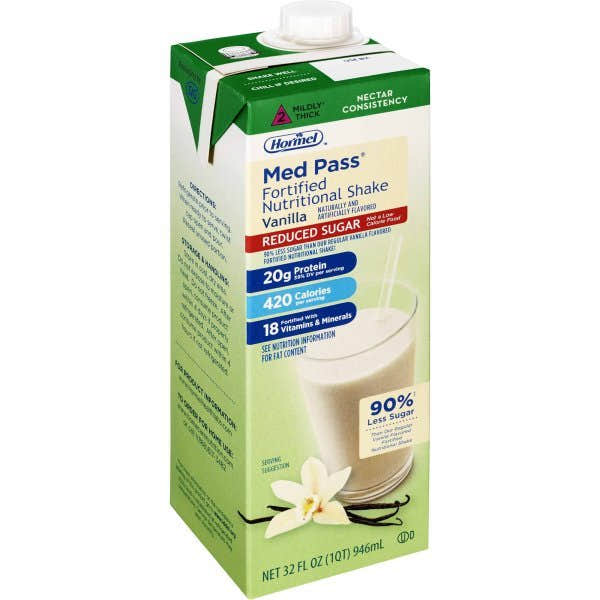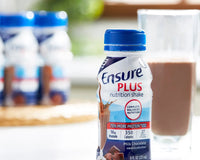

When appetite is low, cooking is difficult, or a caregiver needs a convenient option between appointments, a ready-to-drink shake can feel like the simplest answer. But are nutrition shakes meal replacements? Some are designed to replace a meal, while others are meant to add calories, protein, or specific nutrients alongside regular food. The difference is on the label, and it matters for everyday nutrition.
For many adults, nutrition shakes can be a practical part of home care. They are shelf-stable, portioned, and easy to keep on hand. Still, a shake should not automatically take the place of breakfast, lunch, or dinner simply because it comes in a bottle.
Are Nutrition Shakes Meal Replacements?
A meal replacement shake is formulated to provide a more complete balance of calories, protein, carbohydrates, fat, vitamins, and minerals in one serving. It is intended to stand in for a meal occasionally or regularly, depending on the product directions and a person's nutrition plan.
A nutrition shake is a broader category. Some products are complete or nearly complete meal replacements. Others are nutritional supplements, meaning they are used to increase daily intake rather than replace food. A high-protein drink with 150 calories, for example, may be useful after a poor meal or during recovery, but it may not provide enough energy or nutrients to serve as lunch on its own.
The practical question is not whether a product is called a shake. Ask whether one serving provides enough calories and balanced nutrition for the meal it is replacing. A product's intended use, serving size, and nutrient profile provide a much clearer answer than the front-of-package wording alone.
What Makes a Shake Suitable for a Meal?
There is no single calorie number that works for every adult. A smaller person with a light appetite may need something different from an active adult or a person trying to regain weight. Medical conditions, medications, activity level, and the rest of the day's meals also change the answer.
Still, a shake intended as a meal replacement generally offers meaningful calories, a solid source of protein, some dietary fat, carbohydrates for energy, and a range of vitamins and minerals. It should also list a clear serving size. Some products require more than one bottle or scoop serving to equal a meal, which can be easy to miss.
Protein is often a priority for older adults, people recovering from illness, and those with reduced appetite. It supports muscle maintenance and healing needs, but more protein does not automatically make a product a complete meal. A protein-focused shake may be low in calories, fiber, or essential micronutrients.
Fiber deserves attention as well. Many liquid nutrition products contain little or no fiber, even when they are nutritionally complete in other ways. If shakes become a frequent part of the routine, a clinician or registered dietitian may recommend ways to support regular digestion through other foods, fluids, or a different product choice.
Read the label with the care need in mind
Start with the Nutrition Facts panel and product description. Compare calories, protein, carbohydrate, fat, fiber, vitamins, and minerals per serving. Then check whether the package describes the item as a meal replacement, nutritional supplement, or medical food.
Medical foods and enteral formulas are made for specific dietary or medical needs and may be used under healthcare supervision. They should not be substituted casually for a standard nutrition drink. Likewise, a standard retail shake may not be appropriate for someone who has been prescribed a specialized formula.
Pay attention to sugar content, but keep the full nutrition picture in view. Some high-calorie shakes contain sugars because they are designed to help people meet energy needs when eating enough food is challenging. For a person managing diabetes, carbohydrate consistency and the overall care plan may matter more than choosing the lowest-sugar bottle on the shelf.
When a Nutrition Shake Can Be Helpful
Nutrition shakes can make daily care more manageable when preparing a full meal is not realistic. They may help bridge a gap when someone is tired after treatment, has trouble chewing, has a temporary loss of appetite, or needs extra nutrition during recovery. They can also be useful for busy caregivers who need a dependable option available at home.
In these situations, a shake may work as a temporary meal replacement if it provides adequate nutrition for the individual and fits their care plan. It can also work better as part of a meal: paired with fruit, yogurt, toast, soup, or another easy-to-eat food. That approach can add texture, fiber, and variety without making preparation complicated.
For people trying to maintain or gain weight, a supplement shake may be more useful between meals than in place of them. Replacing meals with a lower-calorie drink can unintentionally reduce total food intake. On the other hand, a higher-calorie formula may be too much for someone with a smaller appetite or a restricted diet. The right use depends on the goal.
When a Shake Should Not Replace a Meal Without Guidance
A nutrition shake is not a one-size-fits-all solution for long-term nutrition. Whole foods provide variety in texture, flavor, fiber, and naturally occurring compounds that are difficult to fully duplicate in a bottle. If a person can eat regular meals safely and comfortably, shakes usually work best as a convenience tool or supplement rather than the only source of nourishment.
Extra care is needed for people with kidney disease, diabetes, swallowing difficulties, heart failure, fluid restrictions, digestive disorders, food allergies, or tube-feeding needs. The protein, potassium, phosphorus, sodium, carbohydrate, and fluid content of a product may be relevant. A clinician can help match the formula to the condition instead of relying on general marketing terms.
Call a healthcare professional promptly if poor intake lasts more than a few days, unplanned weight loss is occurring, swallowing is painful or difficult, vomiting is persistent, or dehydration is a concern. A shake can support intake, but it does not identify the cause of a sudden change in appetite or eating ability.
Choosing a Shake for Home Use
Choose based on the person's primary need: meal replacement, extra calories, higher protein, diabetes-friendly carbohydrate management, or a specialized medical diet. Once the need is clear, compare products by serving size and nutrition information rather than by flavor or claims on the front label.
Convenience matters, too. Ready-to-drink bottles are helpful for bedside use, travel, or quick caregiving routines. Powdered options may offer a lower cost per serving and easier storage, but they require measuring, mixing, and safe preparation. For someone with limited hand strength, vision changes, or fatigue, an easy-open ready-to-drink option may be the more realistic choice.
Keep a few familiar flavors available if taste fatigue is an issue, but avoid buying a large supply of a new formula before knowing it is tolerated. Check expiration dates, store products as directed, and refrigerate opened containers when the label calls for it. CartHealth offers nutrition drink and enteral feeding supply categories that can help households shop by care need and keep recurring essentials available.
A simple decision rule
If the shake is replacing a meal, it should contribute enough balanced nutrition to do that job. If it is mainly adding protein or calories, treat it as a supplement and continue planning meals around it. When a medical condition affects food or fluid choices, use the product recommended by the care team.
A nutrition shake can reduce stress on difficult days, especially when the pantry is low or appetite is unpredictable. The most helpful choice is the one that fits the person's nutritional needs, preferences, and daily routine while leaving room for professional guidance when health needs become more complex.