A brace that is too loose may slide and provide little support. One that is too tight can cause numbness, skin irritation, or swelling. This orthopedic brace selection guide helps you narrow the choices by body area, support level, fit, and the kind of activity or recovery you have in mind.
For a new injury, recent surgery, severe pain, visible deformity, or loss of sensation, start with a healthcare professional. Some braces are designed for general everyday support, while others are prescribed for a specific diagnosis or postoperative recovery plan. The right product should support that plan, not replace it.
Start With the Body Area and Care Need
The most useful brace is one made for the joint or area you need to support. A knee sleeve is not interchangeable with a hinged knee brace, and a wrist splint will not address thumb instability. Begin by identifying where you feel pain, weakness, stiffness, or instability and what you need help doing.
For example, someone with mild knee soreness during walks may need compression and warmth. A person whose knee gives way during movement may need a more structured style, often with side supports or hinges. For a wrist affected by repetitive motion, limiting wrist bend may matter more than compression alone. An ankle brace may be selected to provide stability after a mild sprain or confidence when returning to activity.
Think about the task that is difficult. Is the goal to walk more comfortably, lift groceries, type at a desk, sleep with better positioning, or protect a joint during rehabilitation? Clear answers make it easier to compare products without buying more support than you need.
Orthopedic Brace Selection Guide: Choose Support Level
Brace designs generally range from flexible compression to firm immobilization. More support is not automatically better. A rigid brace can be useful when movement needs to be limited, but it can also feel bulky and may make daily tasks harder. Flexible options are often easier to wear under clothing and more comfortable for longer periods.
Compression and light support
Soft sleeves, wraps, and elastic supports provide gentle compression and a close fit. They are commonly used for minor aches, swelling management, warmth, or added confidence during routine movement. They usually allow near-normal range of motion.
These products can be a practical choice for people managing occasional discomfort from gardening, walking, standing, or repetitive household tasks. They are not the best match when a joint is unstable, significantly injured, or directed by a clinician to remain still.
Moderate stabilization
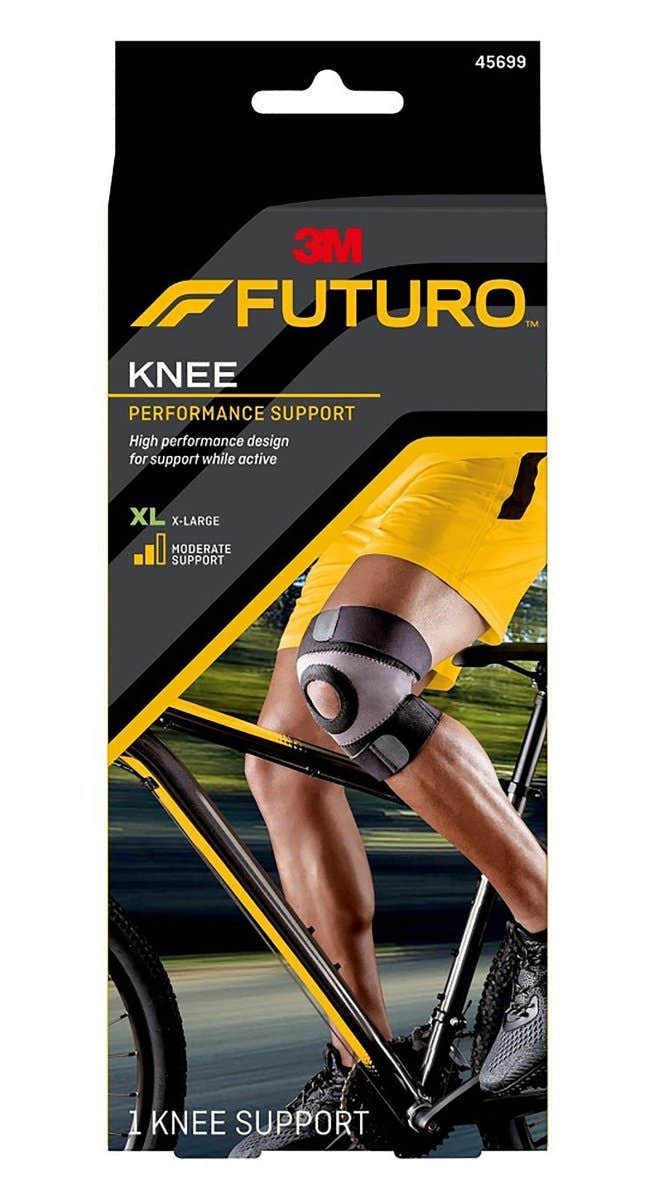
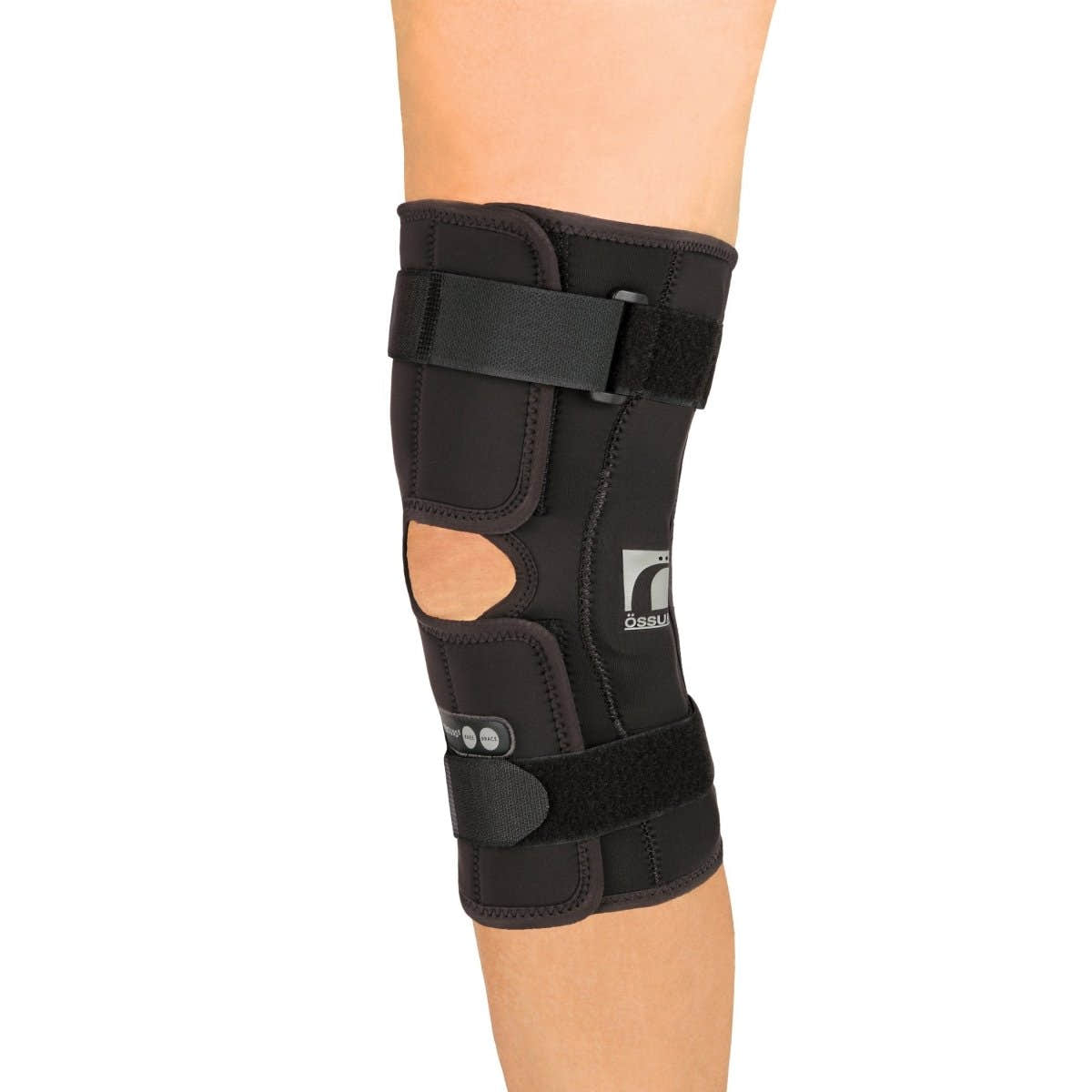
Braces with straps, stays, patella supports, or reinforced panels offer more control while still allowing some movement. They can help keep a brace in position and offer targeted support around a joint. This level often suits mild to moderate instability, overuse concerns, or a gradual return to normal activity.
Adjustable straps can be especially helpful when swelling changes during the day. They also allow the wearer to fine-tune the fit, although straps should be snug rather than restrictive.
Firm support and motion control
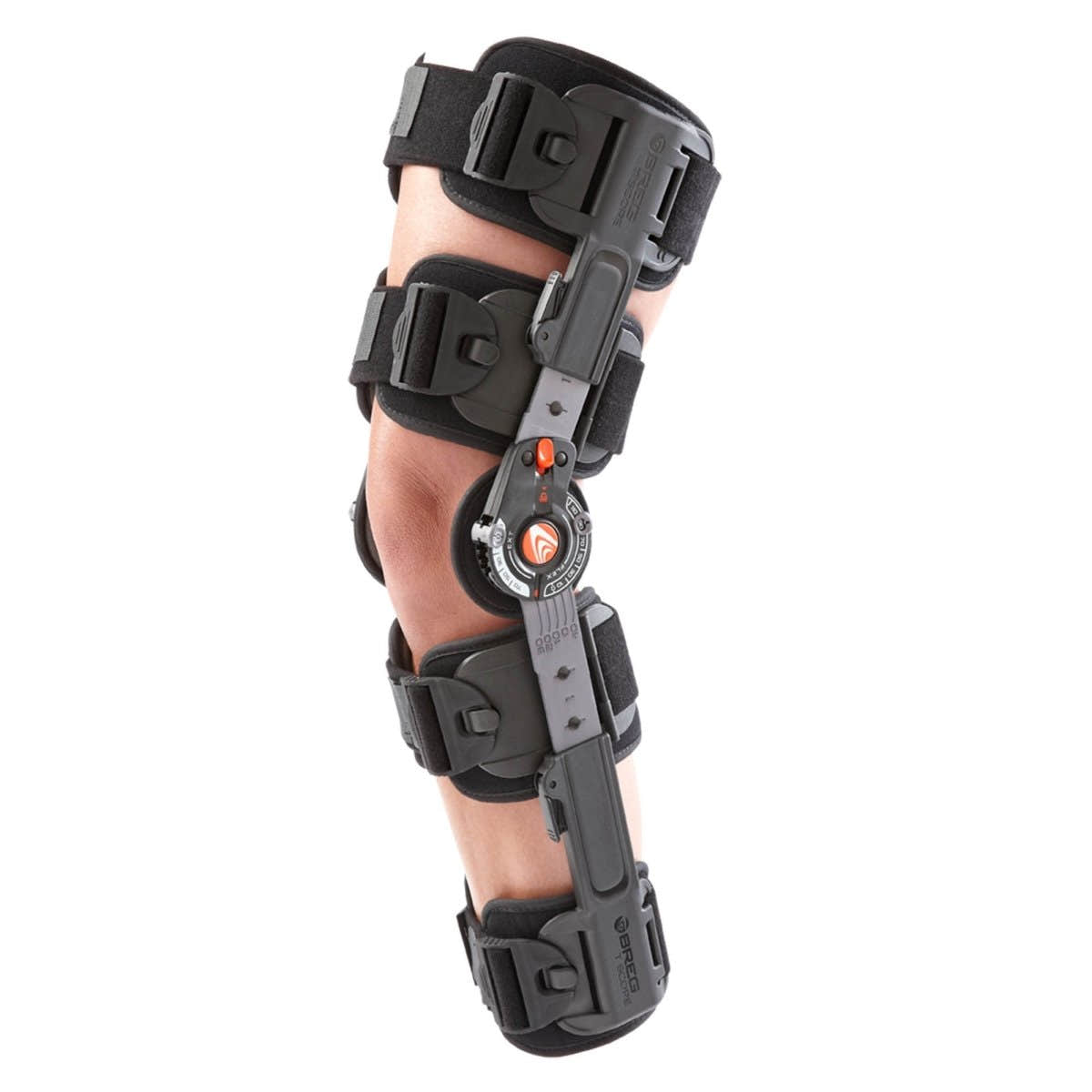
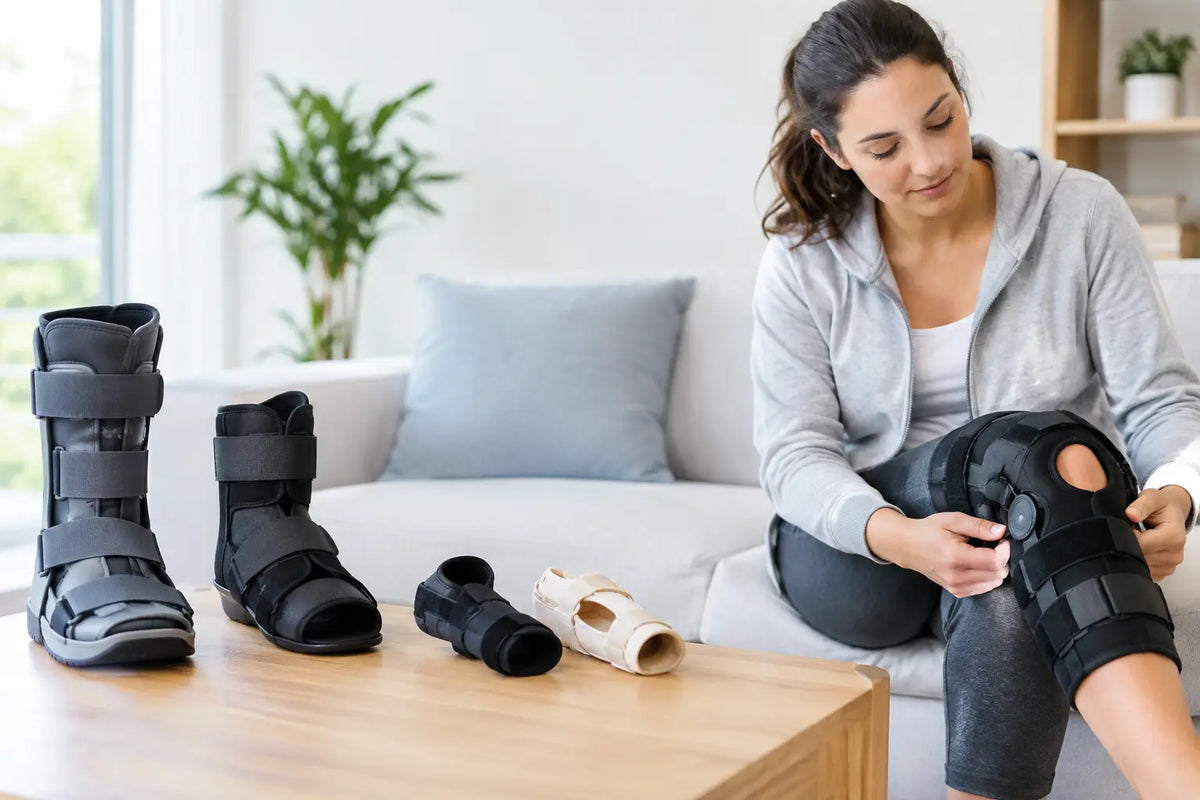
Hinged braces, rigid splints, walking boots, and immobilizers are built to limit or guide movement more substantially. These products are often used after an injury, during rehabilitation, or following a clinician's instructions. They may have adjustable range-of-motion settings, removable stays, or structured shells.
Because improper use can affect recovery, follow the product instructions and any specific guidance from your doctor, physical therapist, or orthopedic provider. Do not change hinge settings, remove structural components, or extend wear time beyond recommendations simply because the brace feels comfortable.
Match the Brace Type to Everyday Use
Different brace categories solve different problems. Knowing the basic purpose of each can help shoppers focus on the details that matter.
- Knee braces and sleeves can offer compression, kneecap support, side stability, or hinged control for walking and activity.
- Ankle braces may use lace-up, wraparound, stirrup, or sleeve designs to help support the ankle during movement.
- Wrist and thumb braces help limit painful motion during work, rest, or recovery from overuse and minor injuries.
- Back supports may provide compression and posture support for short-term activity, lifting, or lower back discomfort.
- Elbow supports are commonly used for compression around the joint or targeted support near tendon-related discomfort.
- Shoulder slings and immobilizers help support the arm and limit shoulder movement when instructed by a care provider.
Get the Fit Right Before You Commit
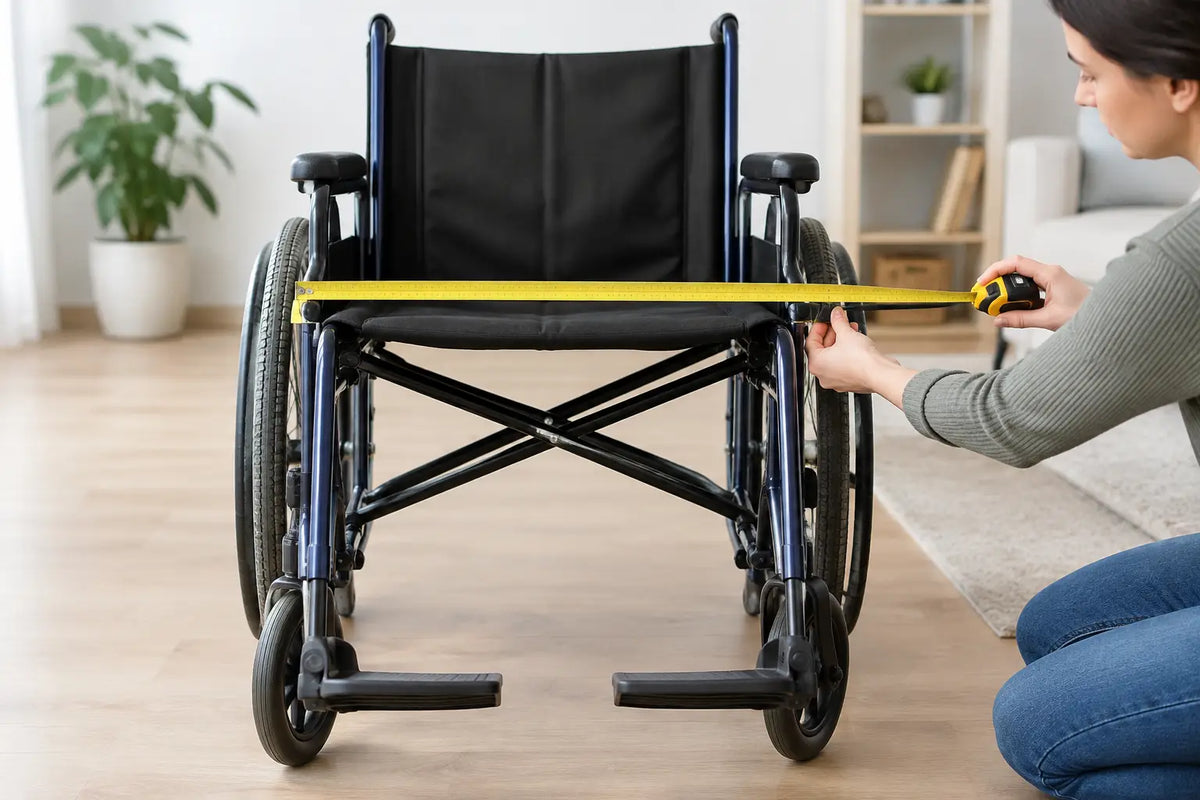
Sizing is one of the most important parts of choosing an orthopedic brace. Do not select a size based only on your usual shirt or pants size. Manufacturers use different measurements, and the correct fit may depend on the circumference of your knee, ankle, wrist, thigh, calf, waist, or forearm.
Use a flexible measuring tape and take measurements directly against the skin or over a thin layer of clothing, depending on the manufacturer's instructions. Measure at the specified point, such as the center of the knee or a set distance above and below it. If your measurement falls between sizes, review the product's fit guidance. The best choice depends on the design: a compression sleeve may need a closer fit, while an adjustable brace may allow more flexibility.
Once worn, the brace should feel supportive without pinching, bunching, rolling, or cutting into the skin. Check circulation after putting it on. Loosen or remove the brace if you notice tingling, numbness, coldness, increased pain, unusual swelling, or changes in skin color.
For caregivers, it helps to check whether the person can put the brace on independently. Pull-on sleeves may be difficult for someone with limited hand strength, arthritis, balance concerns, or trouble bending. Wrap styles, front closures, and easy-grip tabs may be more manageable.
Consider Materials, Closures, and Skin Comfort
A brace is more likely to be used consistently when it feels manageable throughout the day. Neoprene-style materials can provide warmth and a secure feel, but they may retain heat. Knit and breathable fabric designs can be cooler and lighter, though they may offer less structure. If skin is sensitive, look for soft linings, smooth seams, and breathable materials.
Moisture matters, especially when a brace is worn for several hours. Sweat and friction can lead to irritation, so remove the brace as directed, inspect the skin, and keep both the brace and skin clean and dry. People with diabetes, reduced sensation, circulation concerns, fragile skin, or a history of pressure sores should ask a healthcare professional before using a tight or prolonged-wear brace.
Closures affect convenience as much as support. Hook-and-loop straps are adjustable and easy to modify. Lace-up styles can provide a more customized hold but may take longer to put on. Pull-on designs are simple and low profile, provided the wearer can comfortably get them over the joint.
Use a Brace as Part of a Recovery Plan
A brace can support movement, protect a healing area, or make everyday tasks more comfortable. It is usually one part of care, alongside rest, prescribed exercise, physical therapy, medication, ice or heat when appropriate, and follow-up appointments.
Pay attention to what changes while you use it. If symptoms steadily improve and the brace helps you complete normal activities comfortably, that is useful information. If pain worsens, the joint feels less stable, swelling increases, or the brace causes skin problems, stop using it and contact a healthcare professional.
When shopping for home health essentials, CartHealth makes it easier to compare orthopedic support options alongside the mobility, personal care, and recovery supplies your household may already need. Choose a brace that fits your body, your routine, and the level of support your care plan calls for - then give yourself room to recover at a safe, steady pace.