A pulse oximeter can give a quick oxygen saturation and pulse reading at home, but a number on the screen is only useful when the measurement is taken well. These finger pulse oximeter accuracy tips can help you reduce avoidable errors, spot readings that deserve a second check, and share more useful information with your healthcare provider.
For people managing COPD, heart or lung conditions, recovery after illness, or home care for an older adult, the goal is not to chase a perfect number. It is to get a dependable reading under similar conditions and recognize when symptoms or a changing trend need attention.
Start With the Right Finger and Position
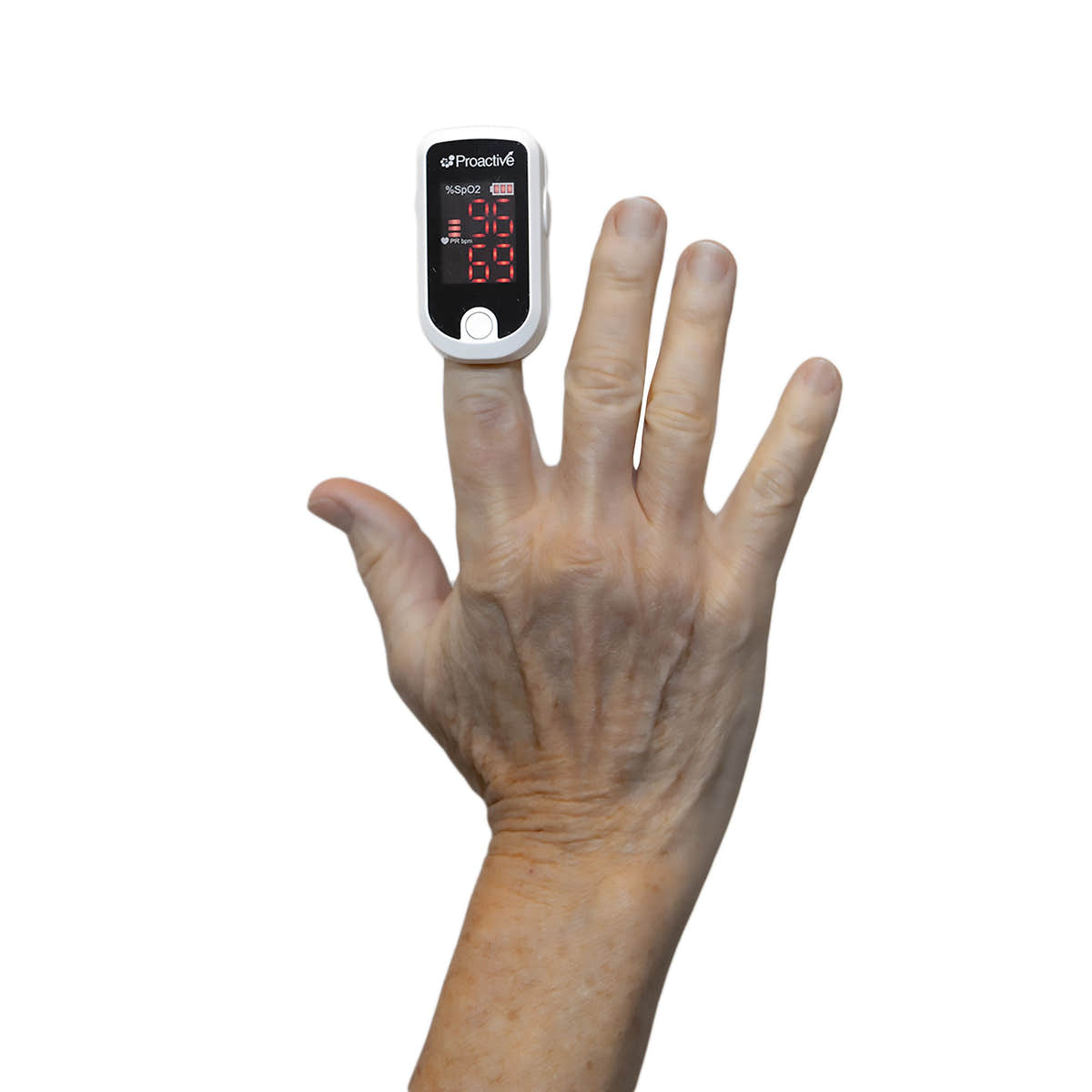
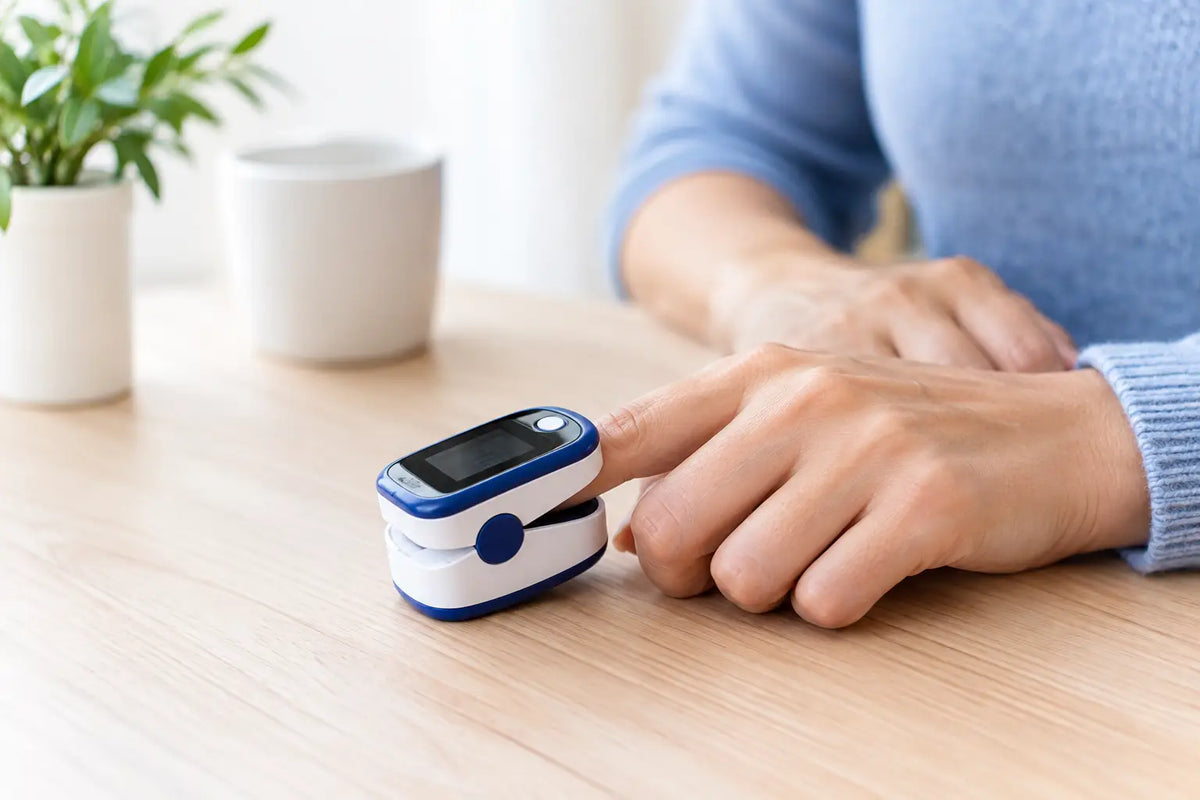
Most fingertip pulse oximeters work best on a warm, clean index or middle finger. Place the device fully over the fingertip, with the pad of the finger positioned against the sensor. Your finger should sit flat and comfortably inside the clip, not twisted or partly outside it.
Keep the hand still and supported. Resting your hand on a table or the arm of a chair is usually more reliable than holding it in the air. Movement from talking with your hands, shivering, tremors, or repositioning the device can make the reading jump around or delay a result.
If one finger does not produce a stable reading, try another finger on the same hand, then the other hand. Cold hands and reduced circulation are common reasons a device struggles to detect a signal. Warm your hands gently by rubbing them together, placing them under a blanket, or sitting in a comfortably warm room for a few minutes. Avoid using very hot water or a heating pad directly on the skin.
Remove Barriers That Affect the Sensor
The small light sensor inside a pulse oximeter must pass light through the fingertip. Anything that blocks or alters that light can affect the result. Dark nail polish, glitter polish, artificial nails, thick gels, and nail decorations are frequent causes of inaccurate or inconsistent readings.
Remove polish when possible before checking oxygen levels. If removal is not practical, try an unpolished finger. A device may also work on a toe in some situations, but fingertip readings are generally the intended use for most home models. Check the product instructions before using another location.
Keep the finger clean and dry. Lotions, dirt, blood, or moisture may interfere with the sensor or make the device slide out of position. Also make sure the oximeter itself is clean and that the sensor area is free of dust or residue.
Wait for a Stable Number
A reading that appears the moment you turn the device on may not be the final reading. After placing the oximeter correctly, stay still and allow the display to settle. This often takes several seconds, and it can take longer if hands are cold or circulation is poor.
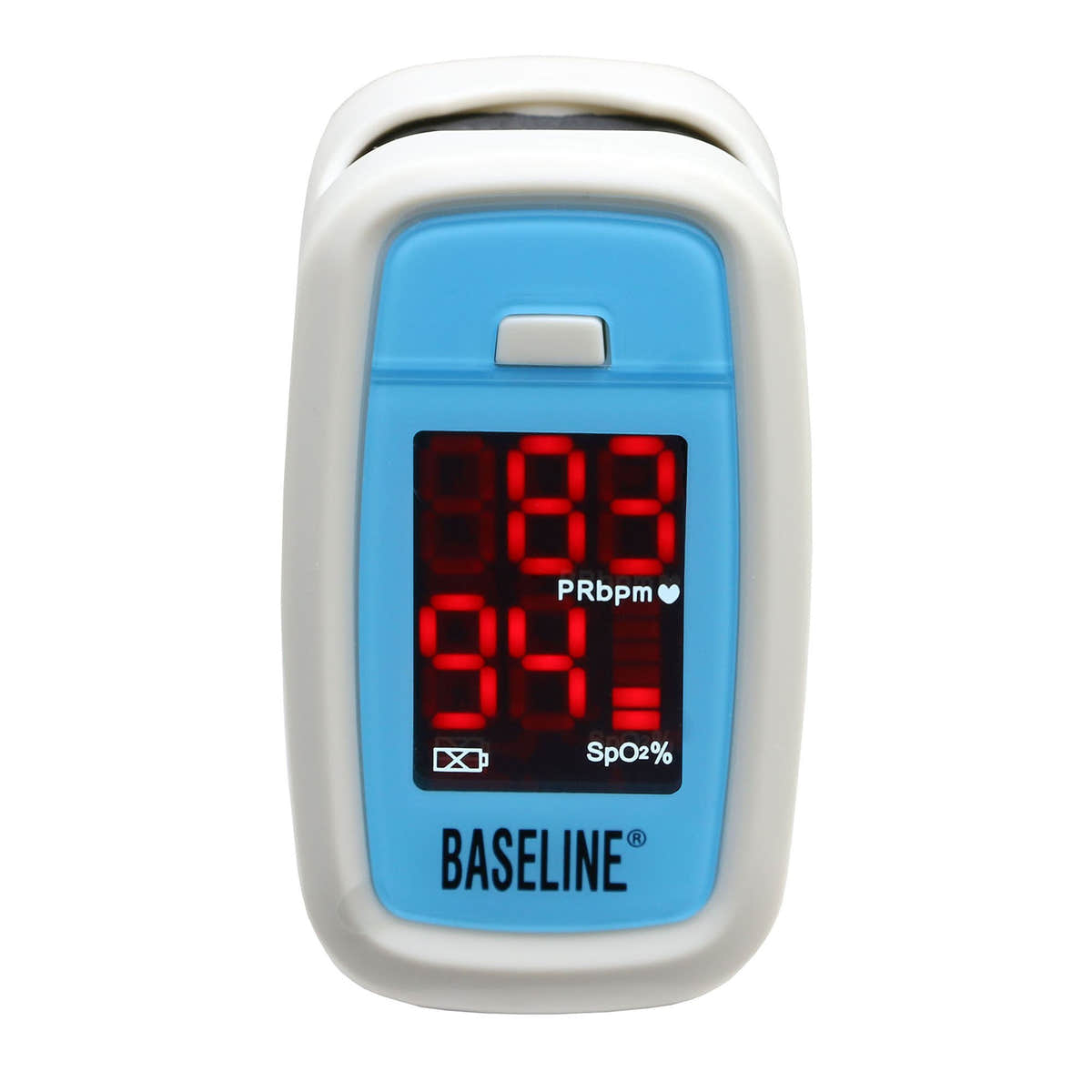
Look for a number that remains consistent rather than recording the highest or lowest value that flashes briefly. Many devices display a pulse bar or waveform. A regular, steady signal usually suggests the device is getting a better measurement than a weak or erratic signal.
For a useful check, keep the device on for about 30 to 60 seconds once the reading stabilizes. If the number continues to vary widely, remove the device, warm your hand if needed, and try again after a short rest. Record only readings obtained when you are calm, still, and breathing normally unless your clinician has asked you to measure after activity.
Take Readings Under Similar Conditions
Consistency matters when you are monitoring at home. A reading after climbing stairs, coughing repeatedly, taking a shower, or walking across the house may differ from a reading taken while resting. Neither number is automatically wrong, but they answer different questions.
For routine monitoring, sit quietly for at least five minutes, use the same general time of day when possible, and measure in the same position. If you track results in a notebook or phone, include the date, time, oxygen saturation, pulse rate, symptoms, and whether you were resting or active. This creates a clearer picture for you and your care team than a single isolated number.
Bright direct light can sometimes interfere with a sensor. If you are outside in strong sunlight or sitting directly under a bright lamp, move to a more shaded indoor area and repeat the measurement.
Understand What Can Make Readings Less Reliable
Home pulse oximeters are helpful screening and monitoring tools, but they have limits. Poor circulation, very cold skin, low blood pressure, anemia, swelling, irregular heart rhythms, and some skin conditions can affect how well a device detects a pulse. Tobacco use may also influence oxygen-related measurements in ways a standard fingertip device cannot fully distinguish.
Skin pigmentation has received deserved attention in discussions of pulse oximeter performance. Some devices may overestimate oxygen saturation at lower levels in people with darker skin tones. This does not mean a pulse oximeter has no value. It means symptoms, medical history, and changes from a person's usual readings should always be considered alongside the displayed number.
Device quality also varies. Choose a model intended for personal health monitoring, follow its instructions, and replace batteries when the low-battery indicator appears. A weak battery can cause a dim display, delayed response, or unreliable operation. Consumer devices are not a substitute for the equipment and clinical judgment used in a medical setting.
Finger Pulse Oximeter Accuracy Tips for Caregivers
When checking someone else's oxygen level, explain what you are doing before placing the device. A relaxed hand is easier to measure than a hand that is tense, moving, or pulled away. Help the person sit comfortably, support their hand, and give the device time to settle.
It can be helpful to check a baseline reading when the person feels well, if their clinician recommends home monitoring. Knowing their usual range makes it easier to recognize a meaningful change later. Some people with chronic lung disease have a target range that differs from the range expected for the general population, so follow the personalized guidance from their healthcare provider.
Do not repeatedly test every few minutes unless you have been instructed to do so. Frequent checking can increase anxiety and does not improve the measurement. If a result seems surprising, repeat it once using good technique, then pay attention to how the person looks and feels.
Know When a Number Needs Medical Attention
A pulse oximeter should never override serious symptoms. Seek emergency help for severe trouble breathing, blue or gray lips or face, chest pain, new confusion, fainting, inability to stay awake, or signs of significant distress. Do not wait for a device to produce a reading if someone appears seriously ill.
For less urgent concerns, contact a healthcare professional when oxygen readings are repeatedly below the range you were told is appropriate, when a usual reading is trending downward, or when symptoms are getting worse despite a reading that appears normal. Shortness of breath, fever, wheezing, unusual fatigue, and changes in mental status all deserve context beyond one screen number.
If you receive a low result but feel well, first check your technique: warm the hand, remove nail polish, sit still, and retest on another finger. A stable low reading after a careful repeat should be discussed with a clinician, especially for anyone with a known heart or lung condition.
Make Home Monitoring Easier to Repeat
Keep the oximeter in a clean, dry, easy-to-reach place with fresh batteries available. Store it with other routine home health supplies so it is ready when needed, rather than searching for it during a stressful moment. If more than one person uses the device, clean it according to the manufacturer's directions between uses.
The best home reading is one taken calmly, correctly, and in context. A reliable routine gives you more than a number - it gives you useful information to act on and a clearer way to communicate with the people helping manage your care.