
A transfer can happen several times a day: from bed to wheelchair, wheelchair to toilet, or recliner to standing. Good caregiver transfer techniques help protect the person receiving care while reducing the back, shoulder, and wrist strain that can affect family caregivers. The goal is not to lift someone by force. It is to create a stable, planned movement using the person's own strength whenever possible.
Before trying a new transfer at home, ask a nurse, physical therapist, occupational therapist, or other qualified clinician to demonstrate the method for your situation. A safe approach depends on the person's balance, weight-bearing ability, pain level, cognition, and medical equipment. What works well after a hip replacement may not be appropriate for someone with a recent stroke, severe arthritis, or a feeding tube.
Start With a Transfer Assessment
A successful move starts before either person stands up. Take a moment to assess whether the person can follow directions, sit upright, bear weight through one or both legs, and hold a stable position. Ask how they feel right then. Dizziness, new weakness, shortness of breath, pain, or a leg that suddenly will not support weight are reasons to pause.
Check the environment, too. Clear cords, throw rugs, pets, footstools, and clutter from the route. Make sure there is enough room to turn without twisting. The destination surface should be stable, close by, and set at a workable height. When transferring to a wheelchair, lock both brakes and move or remove footrests so they are not in the way. For a bed transfer, adjust the bed height if possible so the person's feet can rest flat on the floor.
Explain the plan in simple steps before moving. For example: “We will scoot forward, stand together on three, then turn toward the chair.” A predictable count helps the caregiver and care recipient move at the same time. If the person has hearing or memory concerns, use short phrases and allow time to respond.
Core Caregiver Transfer Techniques
The safest technique is usually the least complicated one that matches the person's abilities. Keep your own feet shoulder-width apart, bend at the knees and hips rather than the waist, and keep the person close to your center of gravity. Avoid reaching, twisting, or pulling with your arms. Turn by moving your feet in small steps.
Sit-to-Stand and Stand-Pivot Transfers
A stand-pivot transfer may work for a person who can bear some weight through their legs and follow directions. Position the wheelchair or chair on the person's stronger side when one side is weaker. Bring the person forward to the edge of the bed or chair, with feet flat and slightly apart. Their stronger foot may be placed slightly behind the weaker foot if instructed by their clinician.
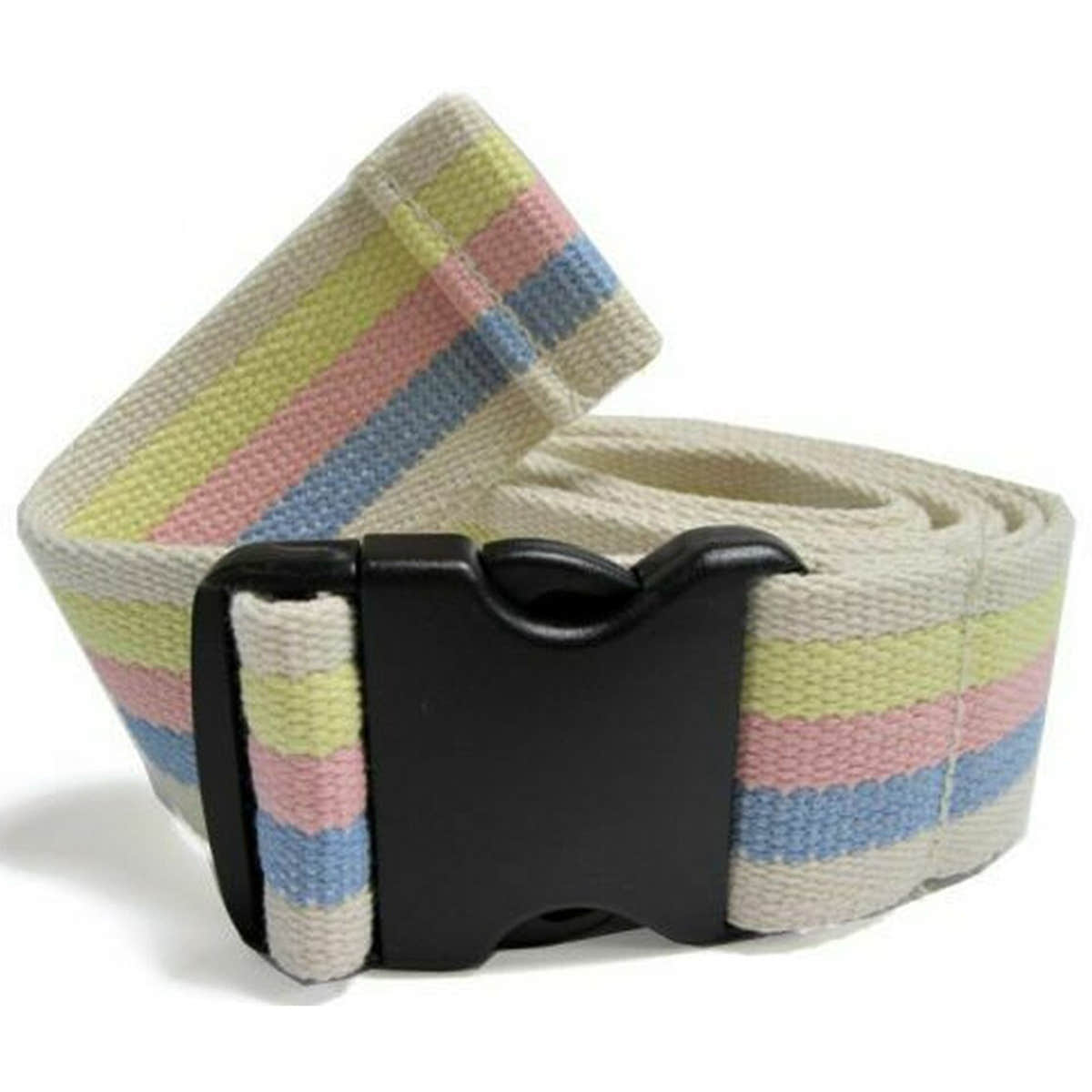
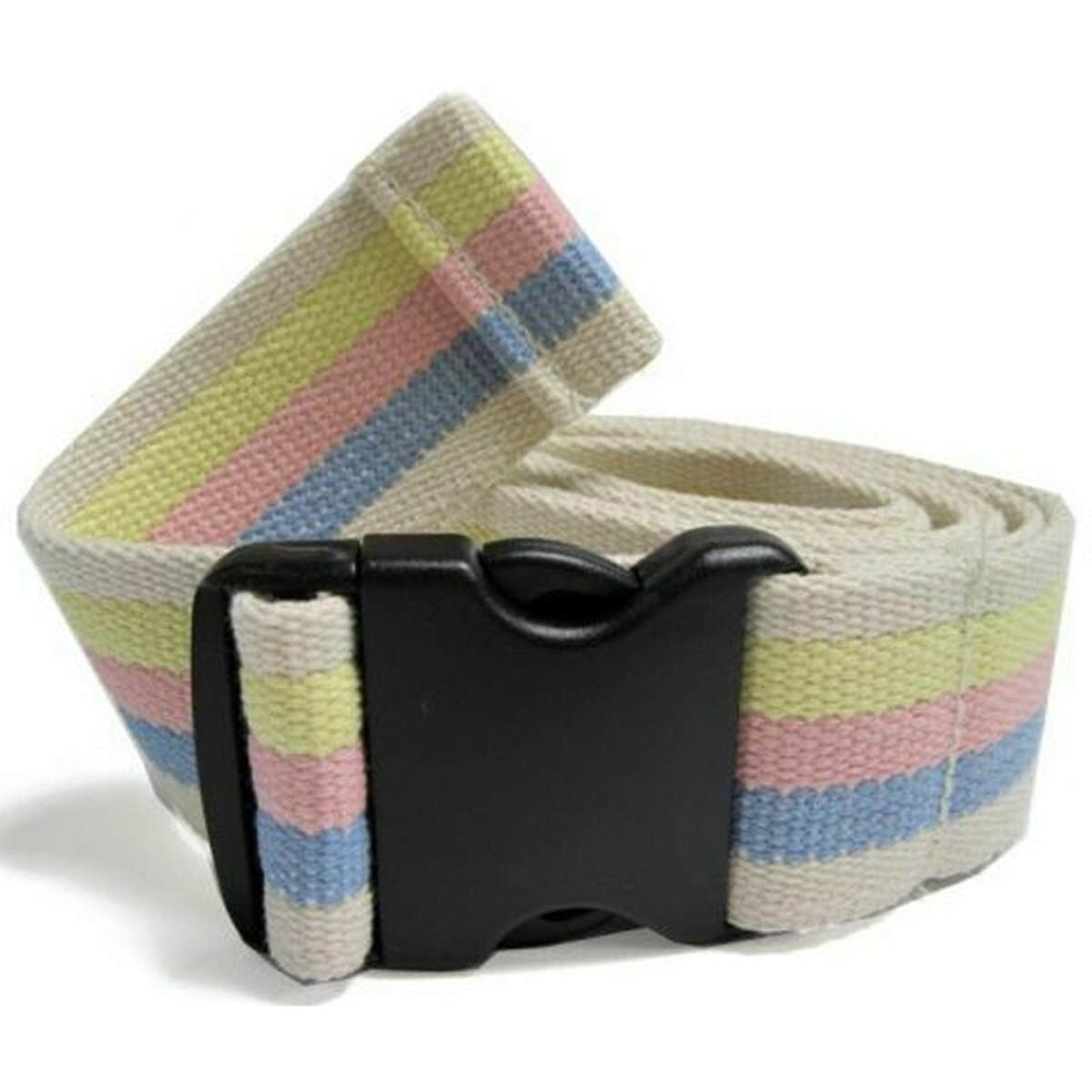
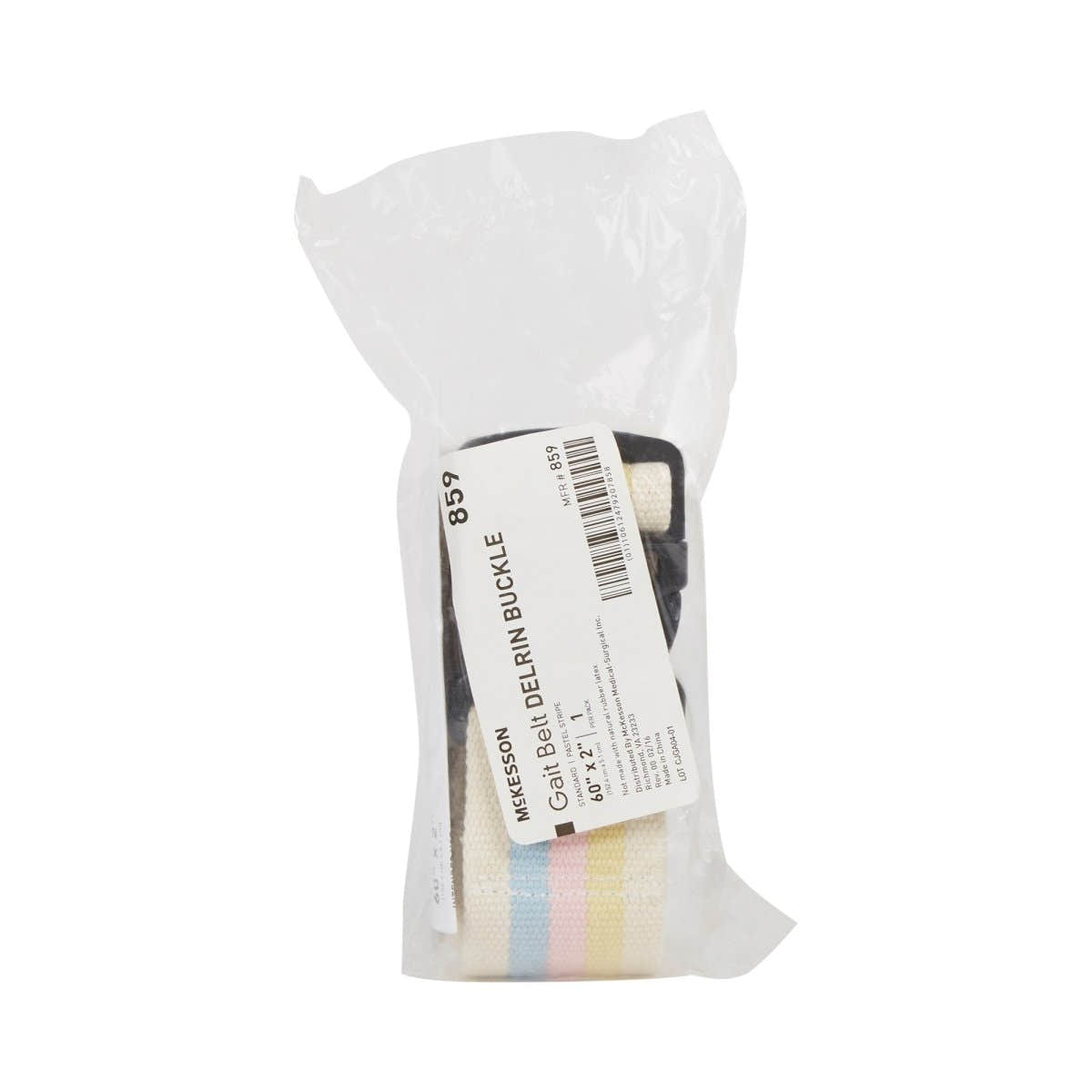
If a properly fitted gait belt has been recommended, place it around the waist over clothing. Do not use it over wounds, a feeding tube, a painful abdomen, or recent surgical sites unless a clinician says it is appropriate. Never lift or pull someone by their arms, shoulders, neck, or underarms.
Stand close, block the weaker knee only as trained, and use a clear count. Encourage the person to push from the bed or chair rather than pull on your neck. Once standing, take small pivot steps toward the destination. Do not twist in place. Back the person up until they feel the chair or toilet against the backs of their legs, then guide a slow, controlled sit.
Bed-to-Wheelchair Transfers
For a bed-to-wheelchair move, place the wheelchair at a slight angle to the bed on the stronger side, if possible. Lock the brakes, move footrests aside, and make sure the person is wearing non-slip footwear. Help them sit at the bedside first and pause. Sitting up too quickly can cause lightheadedness, especially after illness, surgery, or a long period in bed.
Use the stand-pivot method only if the person can safely stand with the amount of help you can provide. A gait belt may give you a secure point of contact, but it does not make it safe for one caregiver to move someone who cannot support their own weight. If the person begins to buckle, do not try to hold them upright at all costs. Guide them toward the nearest safe surface if possible and call for help.
Sliding Board Transfers
A transfer board, often called a sliding board, can be useful for people who cannot stand but have enough upper-body control to shift across a small gap. It is commonly used between a bed, wheelchair, commode, or car seat. This method requires training because the board must be positioned correctly and skin can be pinched or scraped if the person is not properly supported.
The surfaces should be as close as possible in height, with minimal space between them. A caregiver may assist with small shifts rather than attempting to drag the person across the board. Watch for friction, fragile skin, and pressure areas. Transfer boards are not suitable for every person, particularly when severe weakness, uncontrolled movement, or poor sitting balance is present.
Mechanical Lift Transfers
A full-body mechanical lift may be the safest option when a person cannot bear weight, cannot reliably follow directions, or requires more support than one caregiver can safely provide. There are also sit-to-stand lift options for people who can participate by holding on and supporting some weight through their legs.
A lift is only as safe as its setup. Use the sling style, size, loops, and weight capacity specified for the device and person. Inspect straps, clips, and fabric before use, keep the person centered in the sling, and follow the manufacturer instructions. Training from a healthcare professional or equipment provider is essential. For many households, a lift changes a difficult two-person transfer into a more manageable routine, but it still requires attention and practice.
Equipment That Can Make Transfers Easier
The right support can reduce strain without replacing good technique. Depending on the care need, useful items may include a gait belt, wheelchair, bedside commode, shower chair, transfer board, bed rail approved for the bed, non-slip socks, grab bars, or a mechanical lift. Product choice should follow the individual's mobility level and home layout, not simply what looks easiest online.
For example, grab bars need to be securely installed into appropriate wall supports. A towel bar is not a substitute. Bed rails also need careful consideration because improperly selected or installed rails can create entrapment risks. When shopping for home care supplies, CartHealth can help caregivers compare mobility and patient-care essentials by use case, but clinical guidance should determine which equipment is right for the transfer.
When Not to Attempt a Transfer Alone
Call for additional help or seek clinical advice when a transfer has become unpredictable. Changes in function can happen quickly after a fall, infection, medication change, hospitalization, or progression of a chronic condition.
Do not attempt a solo transfer if the person cannot bear weight as expected, has had a recent fall with possible injury, is suddenly confused, has severe pain, or needs more physical support than you can safely give. Stop and get help if you feel your back pulling, your grip slipping, or the person beginning to fall. Neither person should have to “push through” a risky move.
If a fall does occur, first check for pain, bleeding, head injury, or an inability to move. Do not rush to lift the person from the floor. Contact emergency services when there may be an injury or when you cannot safely assist them. A clinician can also recommend a floor-lift plan or equipment if falls are becoming a concern.
Make Safer Transfers Part of the Routine
Consistency lowers stress. Keep commonly used mobility equipment in the same place, use the same verbal cues, and plan transfers before fatigue builds. Encourage the person to do the parts they can do safely, whether that means scooting forward, pushing from the armrest, or placing their feet correctly. Maintaining participation supports confidence and preserves function over time.
The best transfer is one that leaves both people feeling steady, respected, and ready for the next part of the day. When mobility changes, a refresher from a therapist can turn uncertainty into a safer home routine.