
A lancet may be small, but it has a direct effect on how comfortable and hygienic a blood glucose check feels. If you have asked when should lancets be replaced, the simple answer is: use a new, sterile lancet for every fingerstick. Reusing one can make testing more painful, increase the chance of skin irritation, and create an avoidable hygiene concern.
For people checking blood sugar daily, or for caregivers helping a family member test at home, keeping enough fresh lancets on hand makes a routine task easier. Here is what to know about changing, storing, and safely disposing of lancets.
When Should Lancets Be Replaced?
Lancets should be replaced after each use. They are designed for a single fingerstick, even when the same person is using them each time.
A fresh lancet has a fine, sharp tip that creates a small puncture with less resistance. After one use, that tip can become bent or dull at a microscopic level. It may still look normal, but it can tug at the skin instead of making a clean puncture. The result can be a fingerstick that hurts more than it needs to, requires more pressure, or leaves a sore spot that takes longer to settle.
Single-use lancets also help support cleaner testing habits. A used lancet can pick up blood and skin debris, and it is no longer sterile once it has touched the skin. This matters especially for older adults, people with reduced sensation in their hands or feet, and anyone who heals slowly or is more prone to infection.
Never share a lancet or lancing device with another person, including a spouse or close family member. Sharing can expose people to bloodborne illnesses, even if the device is fitted with a new lancet between uses. Each person should have their own lancing device and supply of lancets.
Why Reusing Lancets Is So Common
Many people reuse lancets because doing so seems convenient. A lancet can appear sharp after the first use, and changing it every time may feel like one more step in an already busy day. Cost concerns and running low on supplies can also lead people to stretch a box longer than intended.
Still, the convenience is usually short-lived. Reused lancets can make fingersticks more uncomfortable, which may make it harder to stay consistent with recommended blood glucose checks. A fresh lancet is one practical way to make the testing routine gentler and more predictable.
If replacing a lancet at every check feels difficult, try setting out your meter, test strips, lancets, and sharps container together. Keeping supplies in one clearly labeled spot can reduce missed steps. For people who test away from home, a compact diabetes supply case can keep replacement lancets available in a purse, work bag, or travel kit.
Signs You Need a New Lancet Right Away
The best approach is to change the lancet after every fingerstick, not to wait for a problem. But if a lancet has been reused, replace it immediately if testing becomes more uncomfortable or the device is not working as expected.
Use a new lancet if the current one is visibly bent, dirty, rusty, or damaged. Change it if it was dropped onto an unclean surface, left exposed outside its protective cap, or stored in a damp area. It should also be replaced if the lancing device fails to produce a sufficient blood drop and you suspect the lancet is not seated correctly.
Do not try to wipe off, wash, or disinfect a used lancet for another use. Cleaning does not restore the original sharpness or sterility, and it increases the risk of an accidental stick while handling the needle.
A Note About Lancing Devices
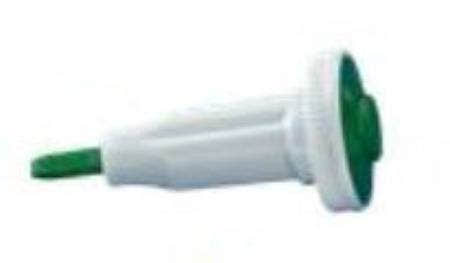
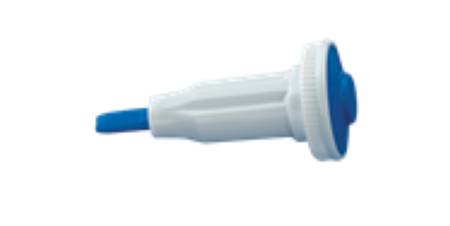
A lancet and a lancing device are not the same thing. The lancet is the small needle that enters the skin. The lancing device is the reusable spring-loaded holder that helps control the depth and release of the lancet.
The lancet is replaced after every use. The lancing device can usually be used repeatedly by one person, as long as it is clean and functioning properly. Follow the instructions that came with your specific device for cleaning and maintenance. If the device cracks, sticks, will not cock properly, or no longer holds the lancet securely, it may be time to replace the device as well.
How to Make Fingersticks More Comfortable
Changing lancets often is one of the easiest ways to improve comfort, but technique matters too. Before testing, wash hands with soap and warm water, then dry them completely. Warm hands generally have better circulation and can make it easier to get an adequate blood sample without squeezing the finger too hard.
Use the side of the fingertip rather than the center pad whenever your device instructions allow it. The side tends to have fewer nerve endings and may be less sensitive. Rotate among different fingers and different spots so one area does not become tender or callused.
Most lancing devices allow you to adjust the depth setting. Start with the lowest setting that produces a blood drop large enough for your meter and test strip. If you cannot get enough blood, increase the setting gradually. A deeper setting is not automatically better, and using more depth than necessary can cause extra discomfort.
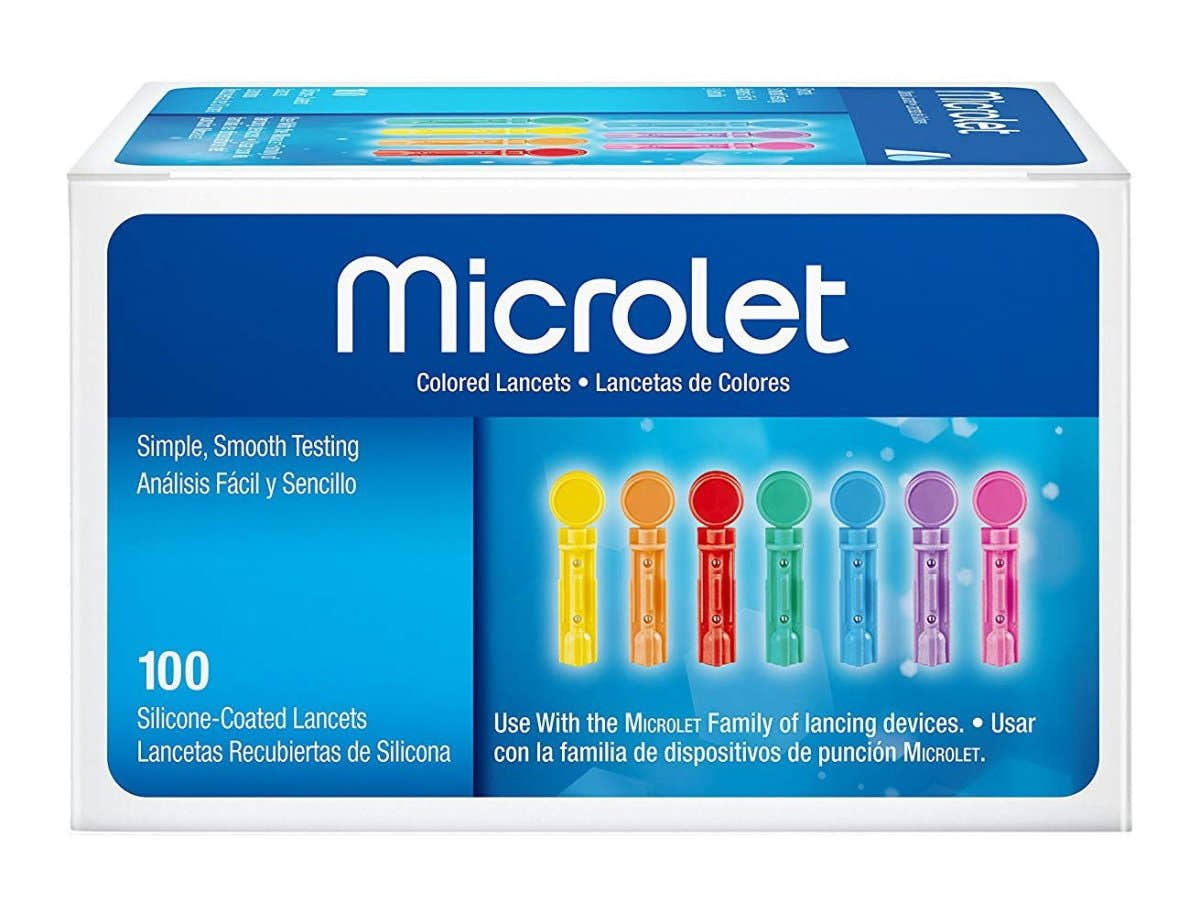
Needle gauge can also affect how a fingerstick feels. In general, a higher gauge number means a thinner lancet. Compatibility comes first: choose lancets made for, or confirmed to fit, your lancing device. If you are unsure which type you need, check the device manual or the label on your current lancet box before ordering replacements.
Store Lancets Carefully
Keep unused lancets in their original box or sealed packaging until you are ready to use them. Store them in a clean, dry place away from direct sunlight, heat, and humidity. A bathroom medicine cabinet may be convenient, but moisture from showers can make it a less-than-ideal storage spot.
Check the package for an expiration date and avoid using lancets from damaged or opened packaging. While it can be tempting to stock up during a sale, buy an amount you can reasonably store properly and use before expiration. For recurring diabetes supplies, maintaining a simple reorder schedule can help prevent last-minute shortages.
Keep lancets out of reach of children and pets. Their small size can make them easy to misplace, and an exposed lancet can cause an accidental needlestick injury.
Safe Lancet Disposal at Home
Used lancets are sharps, which means they should not be placed loosely in household trash or recycling. Put each used lancet into an approved sharps container as soon as possible after testing.
If you do not yet have an approved container, a heavy-duty plastic household container with a secure, screw-on lid may be accepted in some areas as a temporary option. It should be puncture-resistant, leak-resistant, and clearly labeled “Do Not Recycle” and “Sharps.” Do not use glass containers, milk jugs, thin plastic bottles, or containers that can easily break or be opened.
Disposal rules vary by city and state. Your local health department, waste provider, pharmacy, or healthcare team can tell you whether sharps containers may go in household trash, need to be taken to a collection site, or require a mail-back program. Never place loose lancets in a public trash can, flush them, or put them in recycling.
Keep Testing Supplies Ready Before You Run Out
Running out of lancets can lead to skipped checks or pressure to reuse supplies. A practical rule is to review your supply when you open a new box, then order more before the final box is nearly empty. Caregivers may find it helpful to keep a small backup supply for travel, hospital visits, or unexpected delays.
When shopping for diabetes care supplies, verify lancet compatibility, gauge, and box quantity. If you use a lancing device with a proprietary design, a universal lancet may not fit safely or function correctly. Choosing the right supplies ahead of time keeps a daily routine simple, clean, and more comfortable.
A new lancet takes only a moment to load, but it can make every blood glucose check feel more manageable. Keeping fresh lancets and a safe disposal container within reach is a small home-care habit that supports confident testing day after day.