Supporting a loved one who requires oxygen therapy at home is a profound act of love and care. While transitioning to this new routine can feel overwhelming at first, learning the practical steps of managing oxygen therapy can quickly help you feel confident and capable. This Caring for someone on home oxygen: caregiver guide is designed to provide you with clear, actionable advice to keep your loved one safe, comfortable, and breathing easily.
According to the National Institutes of Health (NIH), home oxygen therapy is a highly effective, prescribed medical treatment for people living with chronic respiratory conditions like Chronic Obstructive Pulmonary Disease (COPD), pulmonary fibrosis, or severe asthma. As a caregiver, you play a vital role in ensuring this therapy is delivered safely and consistently. Below, we cover the essentials of equipment maintenance, safety protocols, comfort measures, and how to choose the right supplies—including high-quality nasal cannulas—to support your loved one's daily wellness.
Caring for Someone on Home Oxygen: Caregiver Guide to Safety and Setup
Oxygen is a safe gas, but it supports combustion. This means that while oxygen itself does not burn, any fire that starts will burn much faster and hotter in an oxygen-rich environment. Because of this, safety must be your top priority. The Centers for Disease Control and Prevention (CDC) and the National Fire Protection Association recommend several critical home safety rules:
- Keep away from open flames: Ensure all oxygen equipment, including concentrators and portable tanks, is kept at least 5 to 10 feet away from open flames. This includes gas stoves, fireplaces, candles, wood burners, and heating appliances.
- Enforce a strict "No Smoking" rule: Never allow anyone to smoke or vape inside the home, especially near your loved one or their equipment. Post clear "No Smoking: Oxygen in Use" signs on your front door and in the room where the oxygen is kept.
- Avoid flammable products: Do not use aerosol sprays, petroleum-based products (such as petroleum jelly, Vaseline, or certain chest rubs), or alcohol-based hand sanitizers near the oxygen equipment. These can ignite easily. Opt for water-based moisturizers instead.
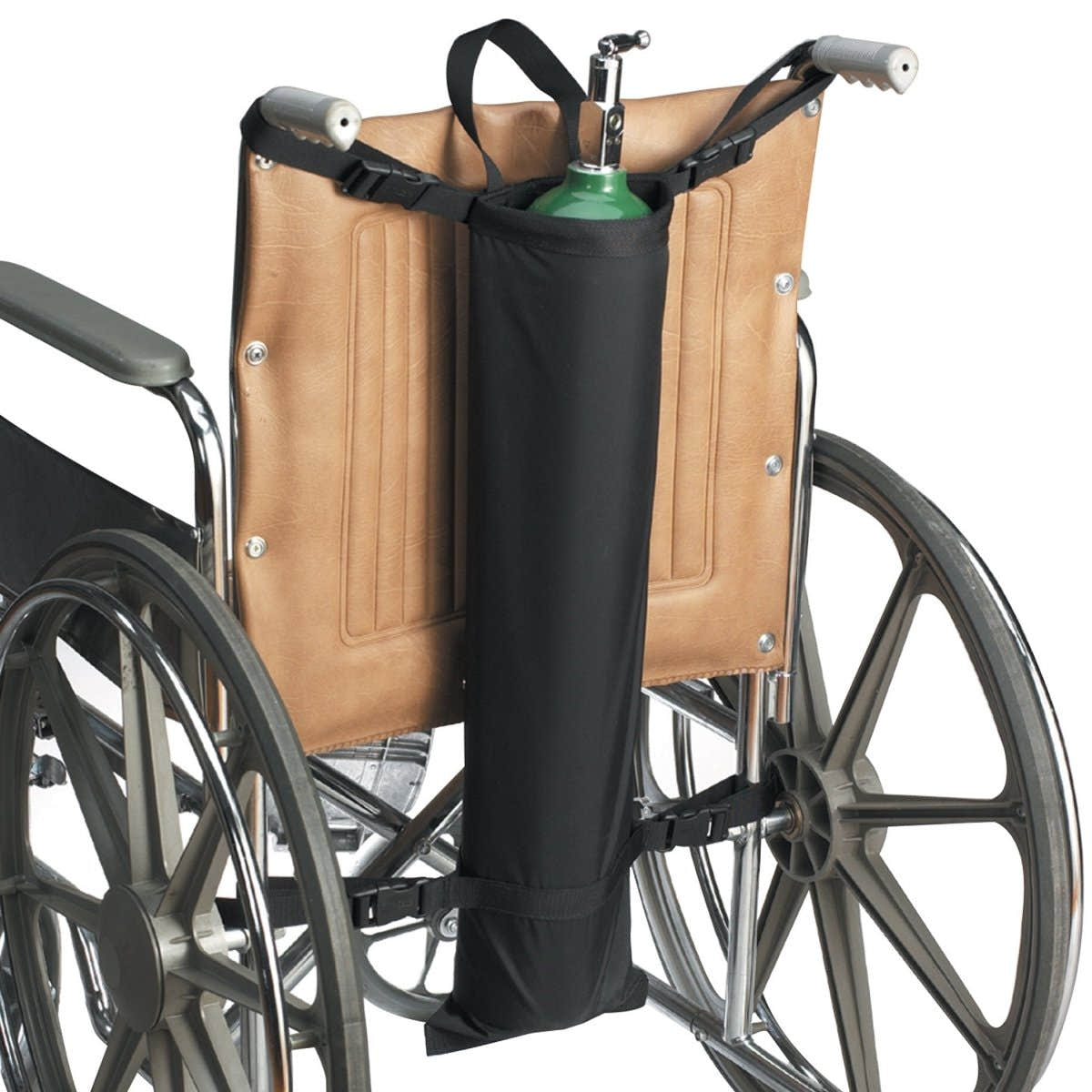
- Secure oxygen cylinders: If your loved one uses compressed oxygen gas tanks, ensure they are stored upright in an approved cart, stand, or rack. If a pressurized tank falls and its valve breaks, it can become a dangerous projectile.
- Practice electrical safety: Plug your oxygen concentrator directly into a grounded wall outlet. Never use extension cords or plug the machine into an overloaded outlet, as this can create a fire hazard.
Understanding the Equipment and Daily Routines
Familiarizing yourself with the basic parts of the oxygen setup will help you feel more in control. Most home systems consist of three main components: the oxygen source (a concentrator or tank), the delivery tubing, and the nasal cannula. A nasal cannula is a lightweight, flexible plastic tube with two small prongs that rest gently inside the nostrils to deliver the oxygen.
Establishing a simple daily checklist can help you stay organized and ensure the equipment is functioning properly:
1. Verify the Flow Rate
Your loved one’s doctor has prescribed a specific flow rate (measured in liters per minute, or LPM). Check the flow meter on the concentrator or tank daily to ensure it is set exactly to the prescribed level. Never adjust the flow rate up or down without explicit instructions from your healthcare provider.
2. Monitor Oxygen Levels
Your healthcare team may recommend using a pulse oximeter. This is a small, painless device that clips onto your loved one's finger to measure their blood oxygen saturation level. Keep a daily log of these readings, along with how your loved one is feeling, to share during medical appointments.
3. Check for Trailing Tubing
Long oxygen tubing allows your loved one to move around the house, but it can easily become a tripping hazard for both of you. Keep walkways clear of clutter, avoid running tubing under rugs, and consider using brightly colored tubing so it is easily visible on the floor.
Maintaining and Replacing Your Supplies
Keeping oxygen supplies clean is essential for preventing respiratory infections and ensuring the equipment works efficiently. Because your loved one breathes through these supplies every day, a regular cleaning and replacement schedule is vital.
Here is a practical guide to maintaining your home oxygen supplies:
- Nasal Cannulas: Wipe down the nasal prongs daily with a clean, damp cloth. Wash the cannula once a week in warm, soapy water (using a mild dish soap), rinse it thoroughly, and let it air dry completely. Replace the nasal cannula every 2 to 4 weeks, or immediately if your loved one has been sick with a cold or respiratory infection. Over time, the plastic prongs can become stiff and uncomfortable, making regular replacement important for comfort.
- Oxygen Tubing: The longer connection tubing does not need to be washed inside, but it should be replaced every 3 to 6 months, or if it becomes stiff, cracked, or discolored.
- Humidifier Bottles: If your loved one uses a humidifier bottle to add moisture to their oxygen, wash it daily with warm, soapy water. Rinse it well and refill it only with distilled water to prevent mineral buildup and bacterial growth. Never use tap water.
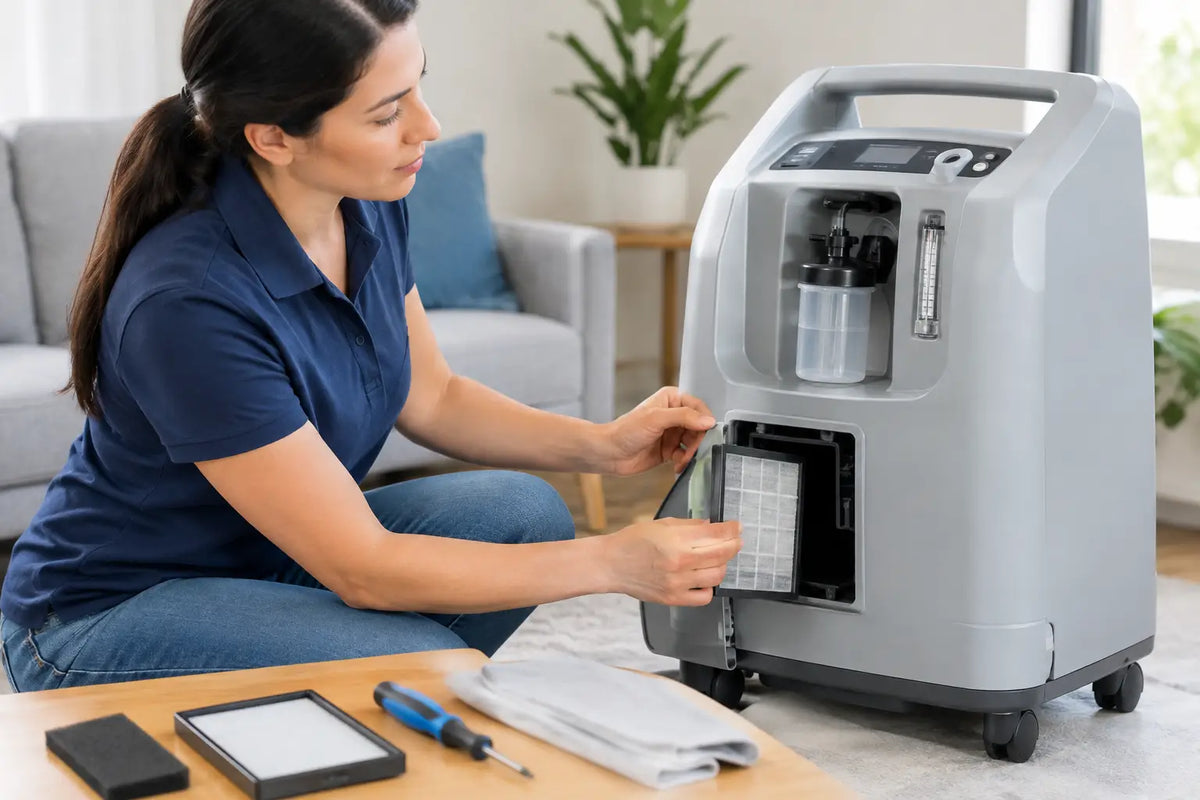
- Concentrator Filters: Most oxygen concentrators have a cabinet filter (usually a small foam piece) that catches dust and pet dander. Wash this filter once a week with warm water, squeeze out the excess moisture, and let it air dry completely before sliding it back into the machine. Never run the concentrator without the filter in place.
Ensuring Comfort and Protecting the Skin
Wearing a nasal cannula for many hours a day can cause physical discomfort. As a caregiver, you can take several proactive steps to protect your loved one's skin and keep them comfortable:
Preventing Ear Soreness
The plastic tubing that loops over the ears can cause painful friction sores. To prevent this, you can purchase soft foam ear protectors that wrap around the tubing to cushion the skin. Alternatively, look for "soft-touch" nasal cannulas, which are made from a gentler, more pliable material designed to minimize friction.
Relieving Nasal Dryness
Constant oxygen flow can dry out the nasal passages, leading to discomfort, cracking, or even nosebleeds. To soothe dry nasal passages, apply a water-based nasal gel or use a saline nasal spray. Remember: never use petroleum-based products like Vaseline, as they pose a serious fire hazard when used with oxygen.
Supporting Emotional Well-Being
Using home oxygen can sometimes make individuals feel self-conscious, isolated, or limited in their activities. Encourage your loved one to stay active within their comfort zone, as approved by their doctor. Remind them that needing oxygen is simply a tool to help them live a fuller, more active life, and support them in maintaining social connections with family and friends.
Creating an Emergency Preparedness Plan
Because your loved one relies on their oxygen equipment, being prepared for unexpected situations—like a power outage—is critical. Taking these steps today can prevent an emergency tomorrow:
- Notify your utility company: Contact your power and gas companies to inform them that a person relying on life-sustaining medical equipment lives in your home. They will place your household on a priority list for power restoration during outages.
- Keep backup oxygen ready: Always keep a full, backup oxygen cylinder (tank) in the home. Ensure you know how to safely switch your loved one from the concentrator to the backup tank manually. Check the pressure gauge on your backup tanks regularly to ensure they are full.
- Keep emergency numbers visible: Write down the phone numbers for your loved one's doctor, the medical equipment supplier, and local emergency services. Keep this list on the refrigerator or near the telephone.
- Plan for travel: If you need to leave the home for appointments or travel, plan your portable oxygen needs well in advance. Calculate how long your portable tanks or portable concentrator batteries will last, and always carry a backup power source.
Caring for the Caregiver
Providing daily care for a loved one with a chronic respiratory condition is a generous and deeply meaningful role, but it can also be physically and emotionally demanding. To be the best caregiver you can be, you must also prioritize your own well-being.
Do not hesitate to ask for help. Reach out to family members, friends, or local community organizations to share caregiving responsibilities. Consider looking into professional respite care services, which can provide you with a much-needed break to rest, attend to your own health, or enjoy a hobby. Connecting with a caregiver support group—either in person or online—can also provide a safe space to share experiences, exchange practical tips, and receive emotional support from others who truly understand your journey.
How often should I change my loved one's nasal cannula?
For optimal hygiene and comfort, it is generally recommended to replace the nasal cannula every 2 to 4 weeks. However, you should replace it immediately if your loved one has been sick with a cold or flu, or if the plastic becomes stiff, discolored, or dirty.
Can my loved one sleep while using home oxygen?
Yes, many people are prescribed oxygen therapy specifically for use during sleep. Always follow your healthcare provider's instructions regarding when and how long your loved one should use their oxygen. Ensure the tubing is safely positioned to avoid tangling during the night.
What should I do if the power goes out?
Immediately switch your loved one to your backup oxygen cylinder (tank). Contact your utility company to report the outage, and if the outage is expected to last a long time, contact your medical equipment provider or seek medical shelter. Always keep a fully charged backup tank and emergency contact numbers easily accessible.
Can I use petroleum jelly (like Vaseline) to treat dry skin caused by the cannula?
No. Petroleum-based products are highly flammable and pose a severe fire hazard when used near oxygen therapy. Instead, use water-based moisturizers, saline nasal sprays, or specialized water-based nasal gels to soothe dry skin and nasal passages.
This article is for general educational purposes and is not medical advice. Always consult your healthcare provider for guidance specific to your situation.