Managing diabetes requires regular blood glucose monitoring, and there are two common methods: Continuous Glucose Monitoring (CGM) and fingerstick testing. According to the CDC, regular monitoring helps you understand how your body responds to different foods, activities, and medications. In this article, we will explore the benefits and features of both CGM and fingerstick testing, helping you decide which method is right for you.
Understanding CGM and Fingerstick Testing
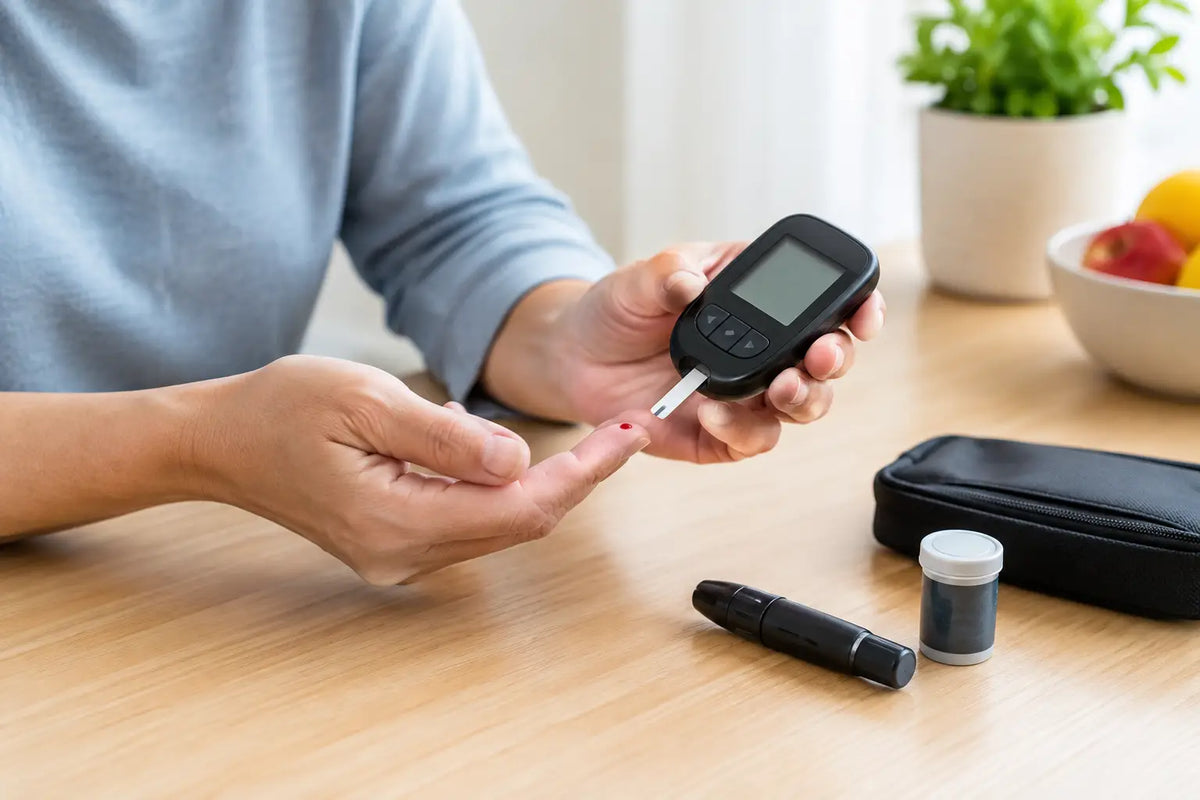
CGM systems use a small sensor inserted under the skin to track glucose levels throughout the day. This method provides a more comprehensive picture of your glucose levels, allowing you to identify trends and patterns. Fingerstick testing, on the other hand, involves pricking your finger with a lancet to collect a blood sample, which is then tested using a glucose meter. The American Diabetes Association recommends both methods, but it's essential to consult your healthcare provider to determine the best approach for your specific needs.
Benefits of CGM
The benefits of CGM include:
- Convenient and less painful than fingerstick testing
- Provides real-time glucose readings and trends
- Can help you identify patterns and make informed decisions about your diet and exercise
- May reduce the risk of hypoglycemia (low blood sugar) and hyperglycemia (high blood sugar)
Benefits of Fingerstick Testing
The benefits of fingerstick testing include:
- Less expensive than CGM systems
- Wide availability of glucose meters and test strips
- Quick and easy to use
- Can be used in conjunction with CGM for more accurate readings
How to Choose Between CGM and Fingerstick Testing
When deciding between CGM and fingerstick testing, consider the following steps:
- Consult your healthcare provider to discuss your specific needs and determine the best approach for your diabetes management.
- Consider your lifestyle and preferences: if you prefer a more convenient and less painful method, CGM may be the better choice. If you prefer a more affordable option, fingerstick testing may be the way to go.
- Evaluate your budget: CGM systems can be more expensive than glucose meters and test strips.
- Think about your goals: if you want to closely monitor your glucose levels and identify patterns, CGM may be the better choice.
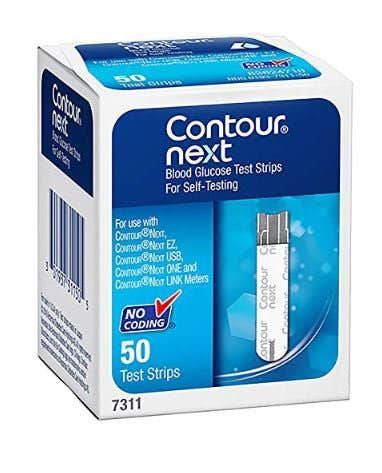
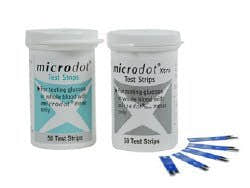
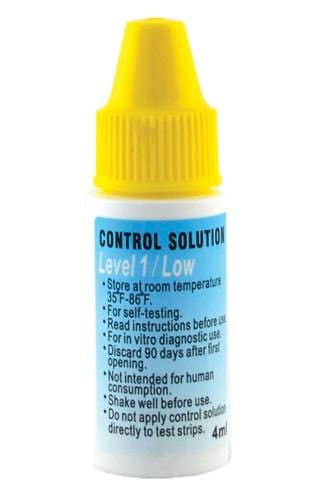
You can find a variety of glucose meters and test strips in our glucose meters collection, which can help you get started with fingerstick testing.
Safety Precautions and Common Mistakes
When using either CGM or fingerstick testing, it's essential to follow safety precautions and avoid common mistakes:
- Always follow the manufacturer's instructions for your CGM system or glucose meter.
- Use sterile equipment and wash your hands before testing.
- Calibrate your CGM system or glucose meter according to the manufacturer's instructions.
- Don't share equipment or test strips with others.
What is the difference between CGM and fingerstick testing?
CGM systems use a small sensor to track glucose levels throughout the day, while fingerstick testing involves pricking your finger with a lancet to collect a blood sample.
Is CGM more accurate than fingerstick testing?
According to the American Diabetes Association, both CGM and fingerstick testing can provide accurate readings, but CGM may provide a more comprehensive picture of your glucose levels.
Can I use both CGM and fingerstick testing?
Yes, you can use both CGM and fingerstick testing in conjunction with each other. In fact, the CDC recommends using both methods to get a more complete picture of your glucose levels.
This article is for general educational purposes and is not medical advice. Always consult your healthcare provider for guidance specific to your situation.