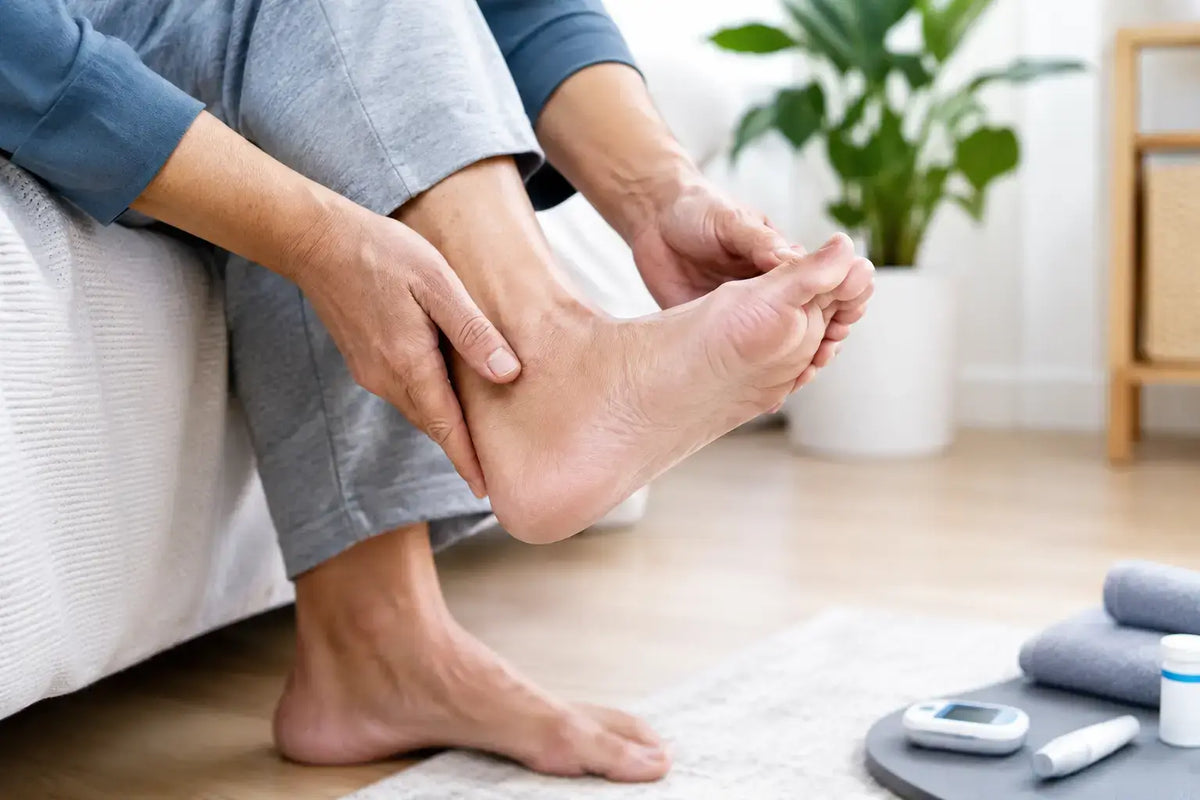
For individuals living with diabetes, managing blood glucose levels often involves using lancets and other sharps to obtain blood samples. However, disposing of these sharps safely is crucial to prevent accidents and the spread of infections. According to the CDC, proper disposal of sharps is essential to maintain a safe environment. In this article, we will guide you through the steps on how to dispose of lancets and sharps safely at home.
Supplies Needed
To dispose of lancets and sharps safely, you will need a few essential supplies. These include a sharps container, which can be purchased from a medical supply store or online from a retailer that carries sharps containers. You will also need a pair of heavy-duty gloves and a sealable plastic bag.
Step-by-Step Instructions
Follow these steps to dispose of your lancets and sharps safely:
- Place the used lancet or sharp into the sharps container immediately after use. Make sure the container is specifically designed for sharps disposal and has a secure lid.
- When the sharps container is about two-thirds full, seal it with the provided lid or tape.
- Put on your heavy-duty gloves to handle the sealed sharps container.
- Place the sealed sharps container into a sealable plastic bag to prevent any potential leaks or spills during transportation.
- Check with your local waste management agency for specific guidelines on how to dispose of the sealed sharps container. Some communities have designated collection facilities or special pickup schedules for sharps disposal.
Safety Precautions
It is crucial to take safety precautions when handling sharps to prevent accidents and injuries. Always wear heavy-duty gloves when handling the sharps container, and never touch the sharps themselves. If you accidentally prick yourself with a sharp, wash the area immediately with soap and water and consult your healthcare provider for advice.
Common Mistakes to Avoid
One common mistake people make when disposing of sharps is throwing them away in regular trash or recycling bins. This can lead to accidents and the spread of infections. Another mistake is not sealing the sharps container properly, which can cause the sharps to spill out during transportation. Always follow the steps outlined above and take necessary safety precautions to ensure safe disposal.
When to Call a Provider
If you have any concerns or questions about disposing of lancets and sharps safely, it is always best to consult your healthcare provider. They can provide you with personalized guidance and advice on managing your diabetes and disposing of sharps safely. If you experience any symptoms of infection, such as redness, swelling, or increased pain, after a sharps injury, seek medical attention immediately.
What type of container should I use to dispose of sharps?
You should use a sharps container that is specifically designed for sharps disposal and has a secure lid. These containers can be purchased from a medical supply store or online from a retailer that carries sharps containers.
How often should I seal my sharps container?
You should seal your sharps container when it is about two-thirds full. This will prevent any potential leaks or spills during transportation.
What should I do if I accidentally prick myself with a sharp?
If you accidentally prick yourself with a sharp, wash the area immediately with soap and water and consult your healthcare provider for advice. They can provide you with guidance on how to manage the injury and prevent any potential infections.
This article is for general educational purposes and is not medical advice. Always consult your healthcare provider for guidance specific to your situation.