For individuals living with incontinence, managing incontinence at work can be a significant challenge. According to the National Association for Continence (NAFC), millions of people in the United States experience incontinence, and it can affect anyone, regardless of age or occupation. The good news is that with the right strategies and products, it is possible to manage incontinence effectively and maintain a fulfilling career. In this article, we will provide a step-by-step guide on how to manage incontinence at work, including the use of incontinence pads and other essential supplies.
Preparing for Work: Essential Supplies and Precautions
To manage incontinence at work, it is crucial to have the right supplies and take necessary precautions. Some essential items to consider include:
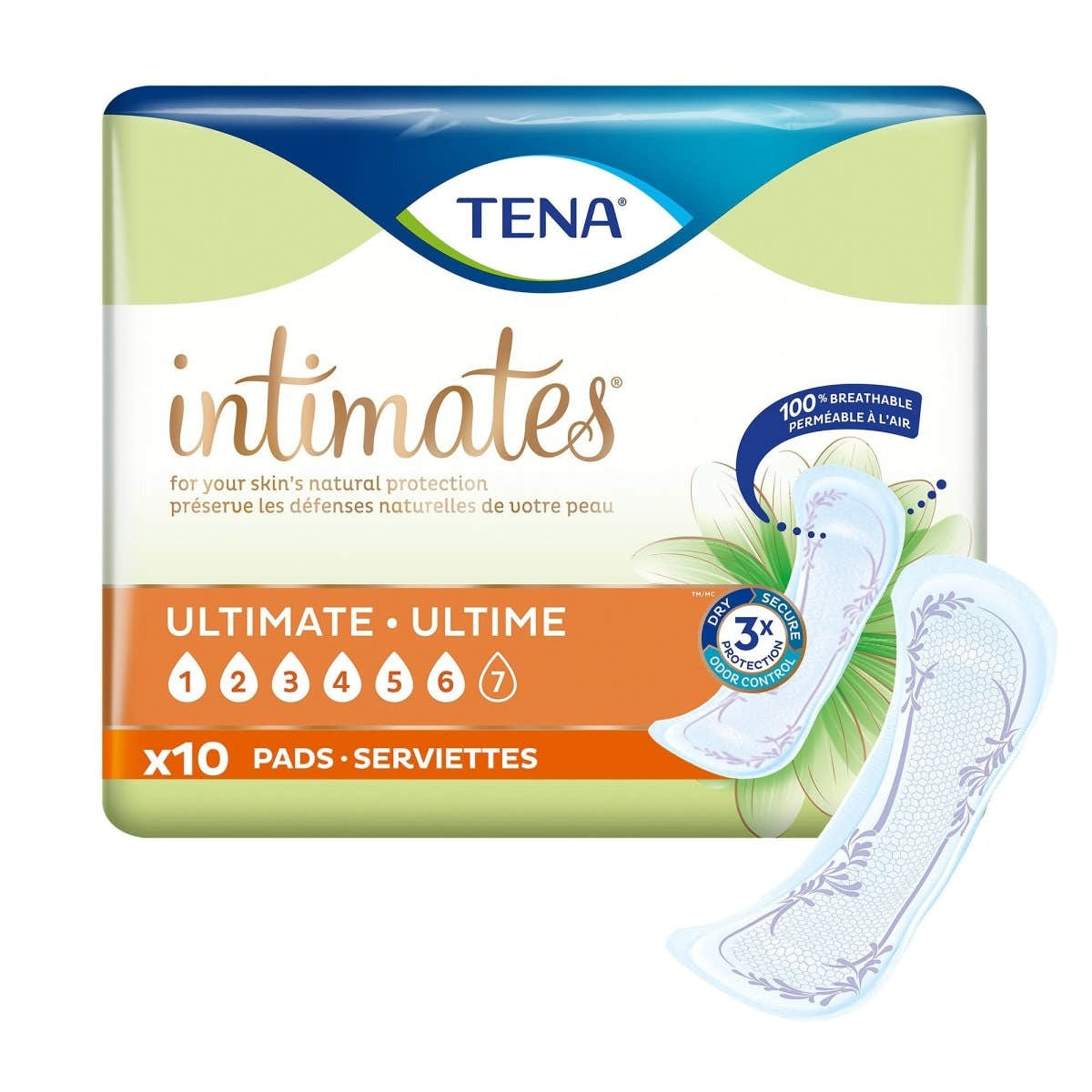
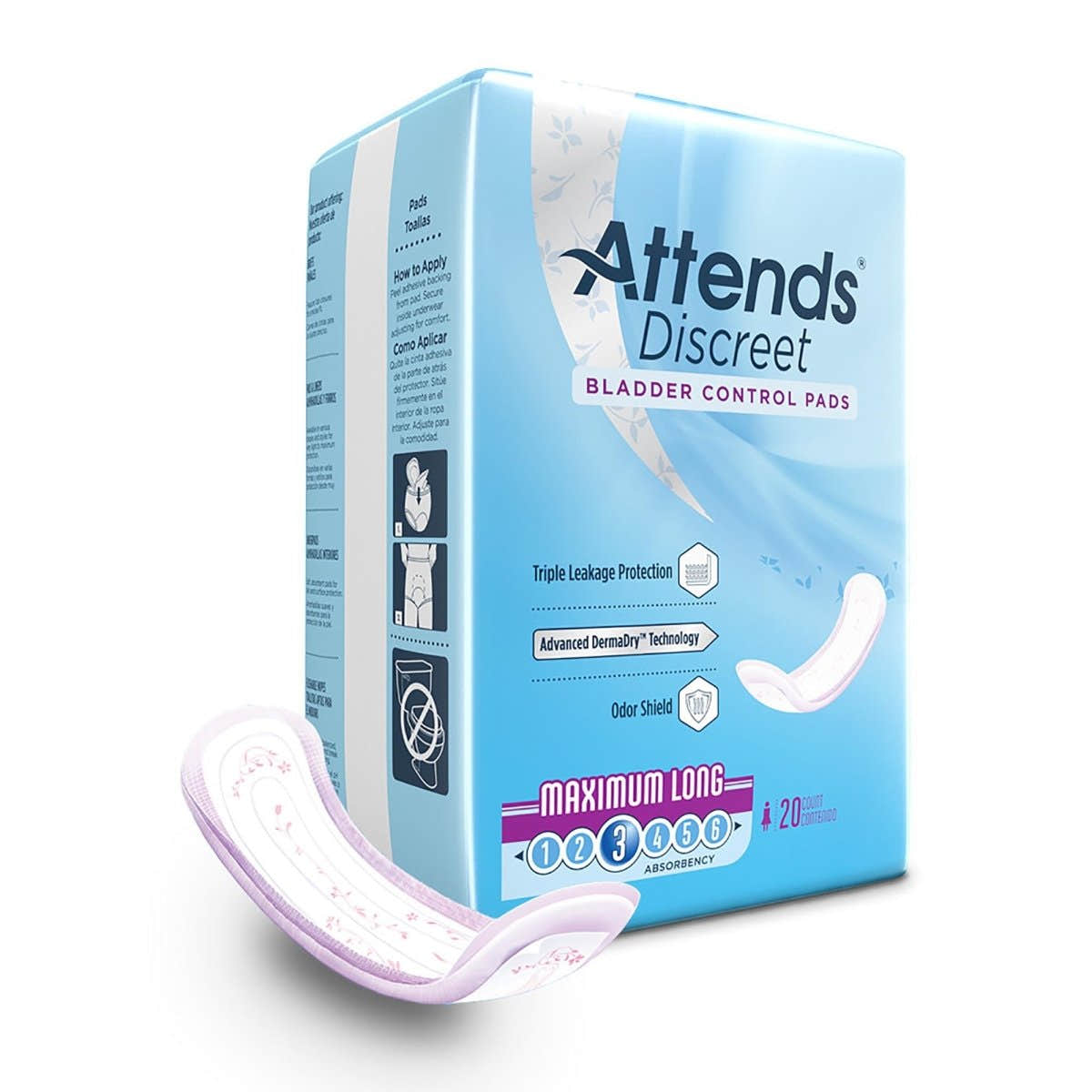
- Incontinence pads or adult diapers, which can be found in our incontinence-pads collection
- Extra clothing and undergarments
- A small bag or container for storing soiled items
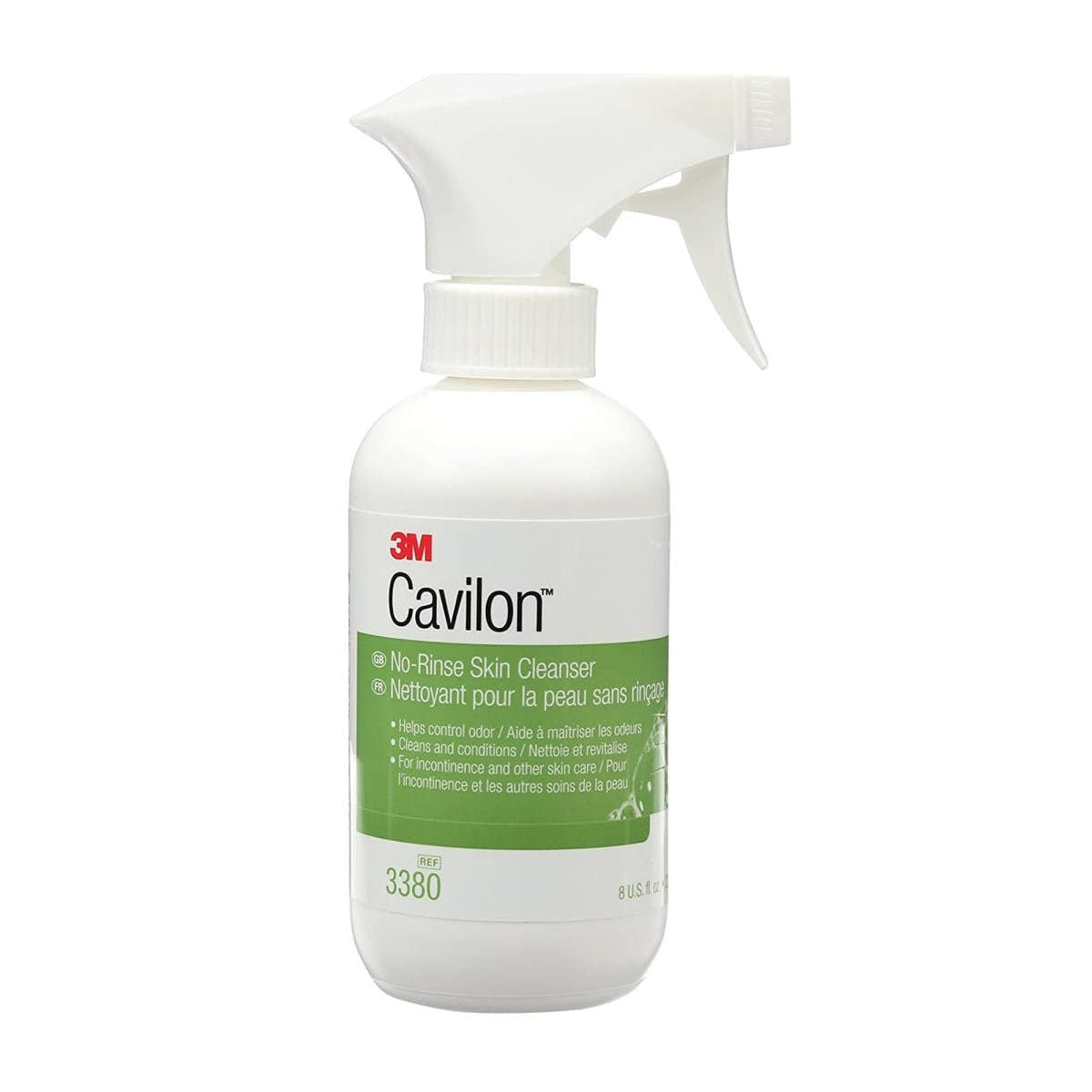
- Hand sanitizer or wipes
- A change of shoes or footwear
When choosing incontinence pads, consider factors such as absorbency, comfort, and discreetness. Look for products that are designed for active individuals and can be worn under clothing without being noticeable.
Step-by-Step Guide to Managing Incontinence at Work
Here are some step-by-step instructions to help you manage incontinence at work:
- Before leaving for work, make sure to wear a fresh incontinence pad or adult diaper and have extra supplies with you.
- Identify the locations of restrooms at your workplace and try to sit near them if possible.
- If you experience an accident, stay calm and discreetly excuse yourself to the restroom to change.
- Use hand sanitizer or wipes to clean your hands after changing.
- Consider talking to your employer or HR representative about your needs and see if they can provide any accommodations, such as a private restroom or flexible break times.
Common Mistakes to Avoid
When managing incontinence at work, there are some common mistakes to avoid, including:
- Not having enough extra supplies
- Not changing frequently enough
- Not prioritizing hygiene and cleanliness
- Not communicating with your employer or colleagues about your needs
According to the CDC, it is essential to prioritize hygiene and cleanliness when managing incontinence to prevent skin irritation and infections.
When to Call a Provider
If you experience any of the following symptoms, it is essential to consult your healthcare provider:
- Persistent or severe incontinence
- Pain or discomfort while urinating
- Fever or chills
- Skin irritation or infections
Remember, managing incontinence at work requires a proactive and open approach. By following these steps and using the right products, you can maintain your confidence and productivity at work.
What are the most absorbent incontinence pads available?
The most absorbent incontinence pads vary depending on individual needs and preferences. Look for products with high absorbency ratings and consider factors such as comfort, discreetness, and skin health.
How often should I change my incontinence pad?
It is recommended to change your incontinence pad every 4-6 hours or as needed. This can help prevent skin irritation and infections.
Can I use incontinence pads for both urinary and bowel incontinence?
Yes, there are incontinence pads available that can manage both urinary and bowel incontinence. However, it is essential to choose a product that is designed for your specific needs and to follow the manufacturer's instructions.
This article is for general educational purposes and is not medical advice. Always consult your healthcare provider for guidance specific to your situation.