Incontinence can be a challenging condition to manage, and one of the common issues that people with incontinence face is skin irritation and rash. According to the National Association for Continence, incontinence affects millions of people in the United States, and proper incontinence skin care is essential to prevent rash and irritation. In this article, we will provide a step-by-step guide on how to prevent rash and irritation and maintain healthy skin despite incontinence.
Understanding Incontinence-Related Skin Irritation
Incontinence-related skin irritation occurs when the skin is exposed to urine or feces for an extended period. This can cause redness, itching, and discomfort. The Centers for Disease Control and Prevention (CDC) recommends that people with incontinence take extra precautions to maintain good skin hygiene and use protective products to prevent skin irritation.
Step-by-Step Guide to Incontinence Skin Care
Here are some steps you can follow to prevent rash and irritation and maintain healthy skin:
- Clean the skin gently: Use a mild soap and warm water to clean the skin. Avoid using harsh soaps or scrubbing the skin, as this can cause further irritation.
- Pat dry the skin: Gently pat the skin dry with a towel, rather than rubbing it. This can help prevent friction and irritation.
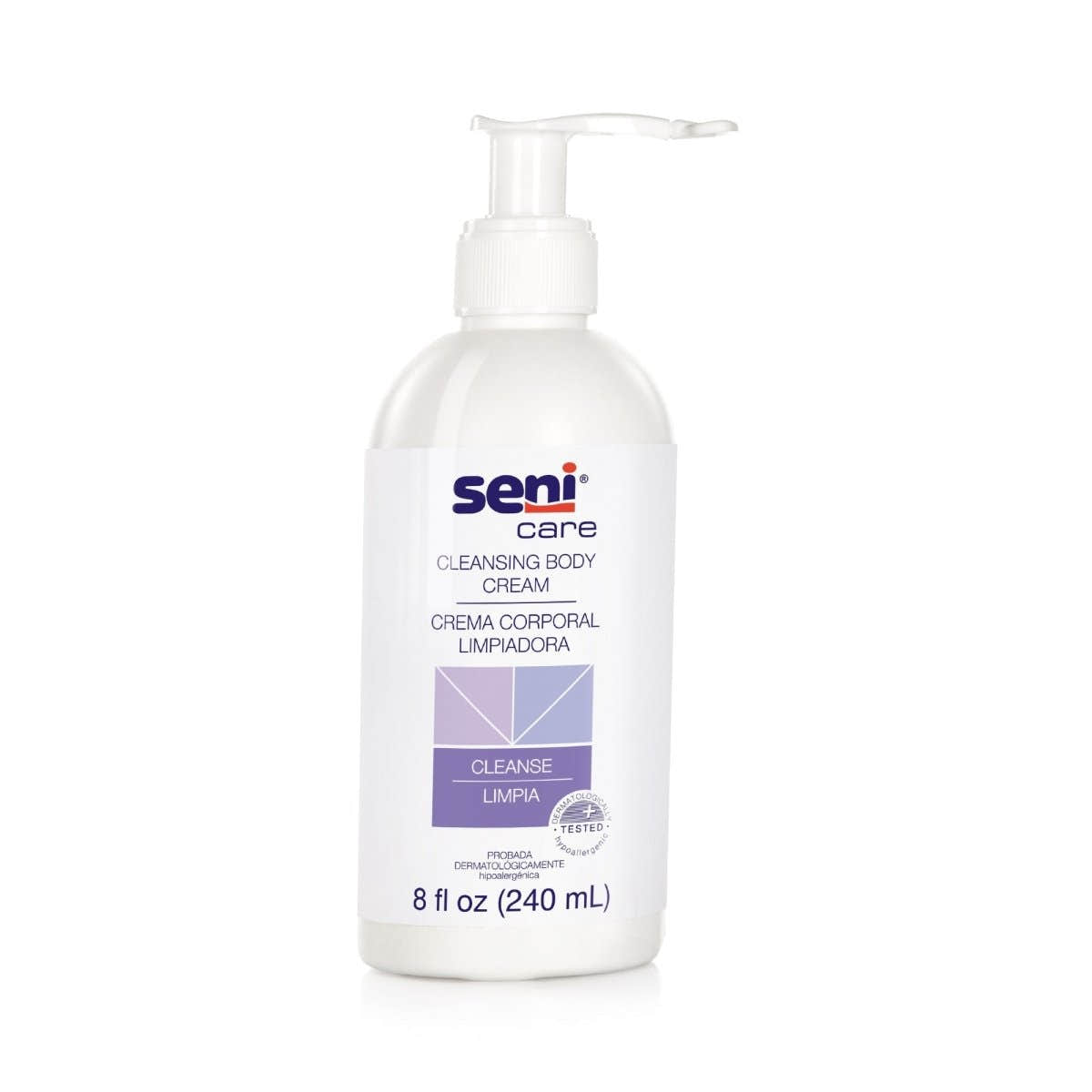
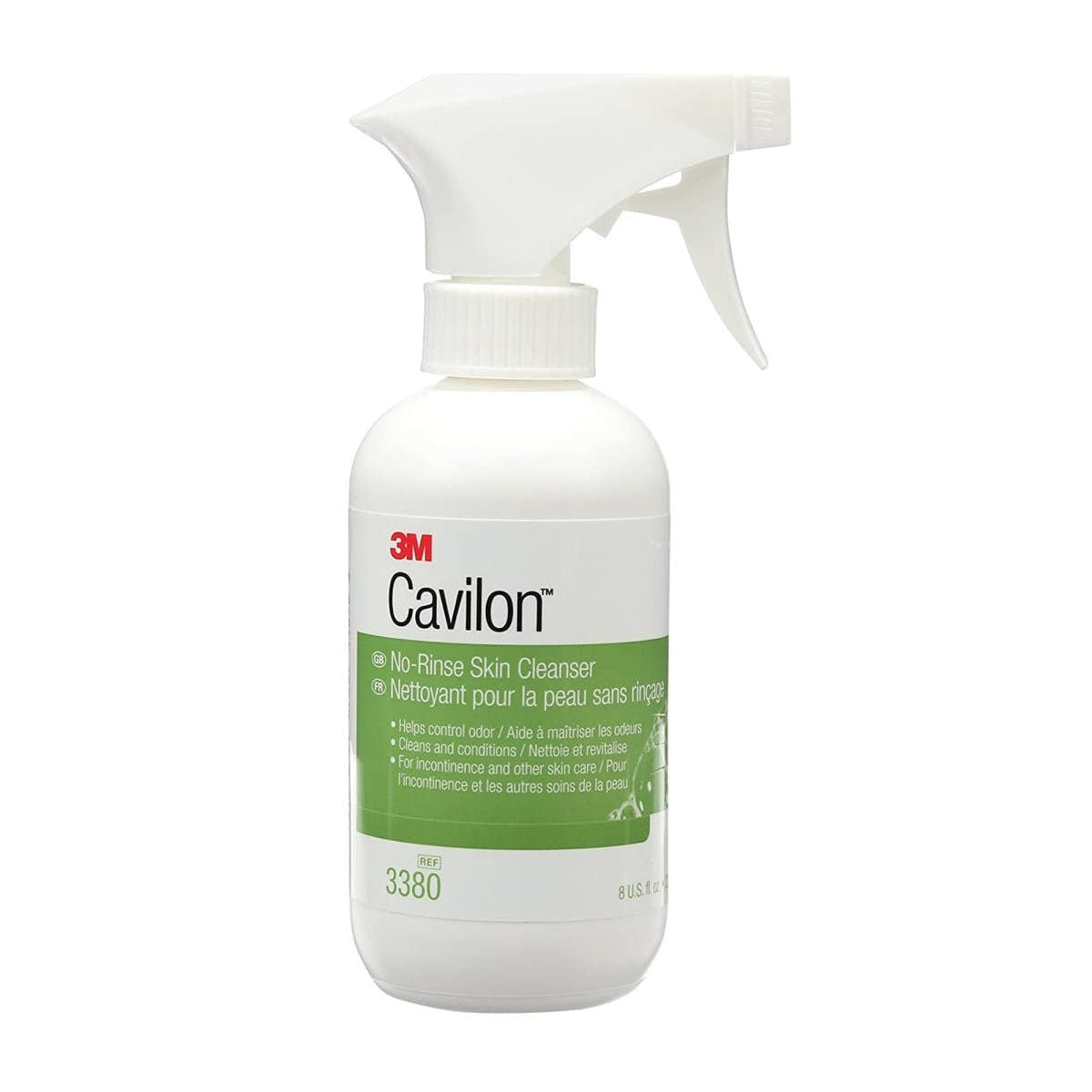
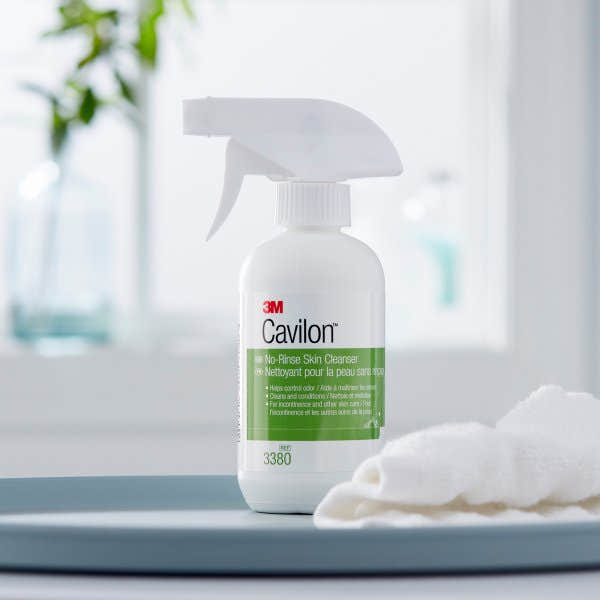
- Apply a barrier cream: Apply a barrier cream or ointment to the skin to protect it from further irritation. These products can be found in our skin care collection, which includes a variety of creams, ointments, and wipes specifically designed for incontinence skin care.
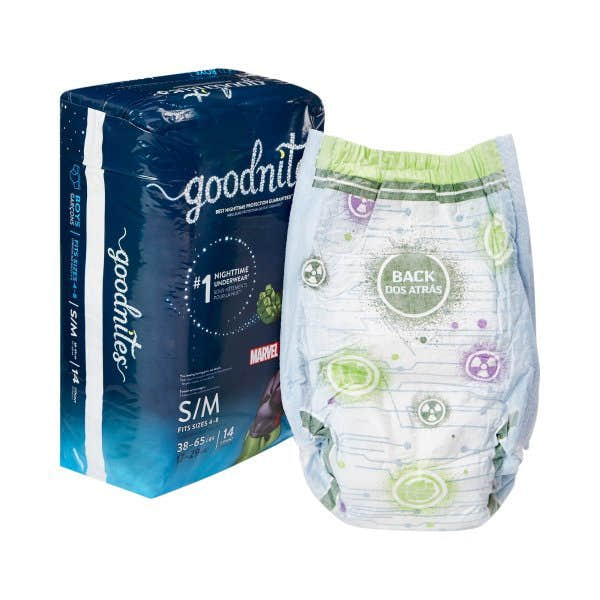
- Change incontinence products regularly: Change incontinence products, such as adult diapers or pads, regularly to prevent skin irritation. The frequency of changes will depend on the individual's needs and the type of product being used.
- Monitor the skin for irritation: Regularly check the skin for signs of irritation, such as redness, itching, or discomfort. If you notice any of these symptoms, consult your healthcare provider for advice.
Common Mistakes to Avoid
There are several common mistakes that people with incontinence make when it comes to skin care. These include:
- Using harsh soaps or cleansers that can strip the skin of its natural oils
- Not changing incontinence products regularly enough
- Not applying a barrier cream or ointment to the skin
- Not monitoring the skin for signs of irritation
Safety Precautions
When caring for the skin, it's essential to take safety precautions to prevent further irritation. These include:
- Avoiding the use of scented soaps or cleansers, which can irritate the skin
- Avoiding the use of hot water, which can strip the skin of its natural oils
- Avoiding the use of rough cloths or sponges, which can cause friction and irritation
What are the most common causes of incontinence-related skin irritation?
The most common causes of incontinence-related skin irritation are prolonged exposure to urine or feces, friction from incontinence products, and skin infections.
How often should I change my incontinence products?
The frequency of changing incontinence products will depend on the individual's needs and the type of product being used. It's essential to follow the manufacturer's instructions and to change products regularly to prevent skin irritation.
What are the best products to use for incontinence skin care?
The best products to use for incontinence skin care are those that are specifically designed for this purpose. Our skin care collection includes a variety of creams, ointments, and wipes that can help to protect the skin and prevent irritation.
This article is for general educational purposes and is not medical advice. Always consult your healthcare provider for guidance specific to your situation.