Caring for a parent with incontinence can be a challenging and emotional experience for both the caregiver and the parent. According to the National Association for Continence (NAFC), millions of Americans suffer from incontinence, and it is essential to approach this condition with sensitivity and understanding. As a caregiver, it is crucial to prioritize your parent's dignity, comfort, and safety while managing their incontinence. In this guide, we will discuss the practical aspects of caring for a parent with incontinence, including the importance of using adult briefs and other essential supplies.
Understanding Incontinence and Its Impact on Daily Life
Incontinence can have a significant impact on a person's daily life, affecting their self-esteem, social interactions, and overall well-being. The Centers for Disease Control and Prevention (CDC) defines incontinence as the loss of bladder or bowel control, leading to involuntary leakage of urine or stool. It is essential to recognize that incontinence is not a normal part of aging, and it can be managed with the right treatment and care. As a caregiver, it is vital to be patient, understanding, and supportive, helping your parent to maintain their dignity and independence.
Creating a Practical Routine
Establishing a daily routine can help your parent manage their incontinence and maintain their dignity. This can include scheduling regular bathroom breaks, using the toilet at the same time each day, and creating a bowel routine. According to the National Institute on Aging (NIA), a consistent daily routine can help reduce the risk of accidents and improve overall bladder and bowel control. It is also essential to encourage your parent to stay hydrated, exercise regularly, and maintain a healthy diet to prevent constipation and promote overall health.
Essential Supplies for Incontinence Care
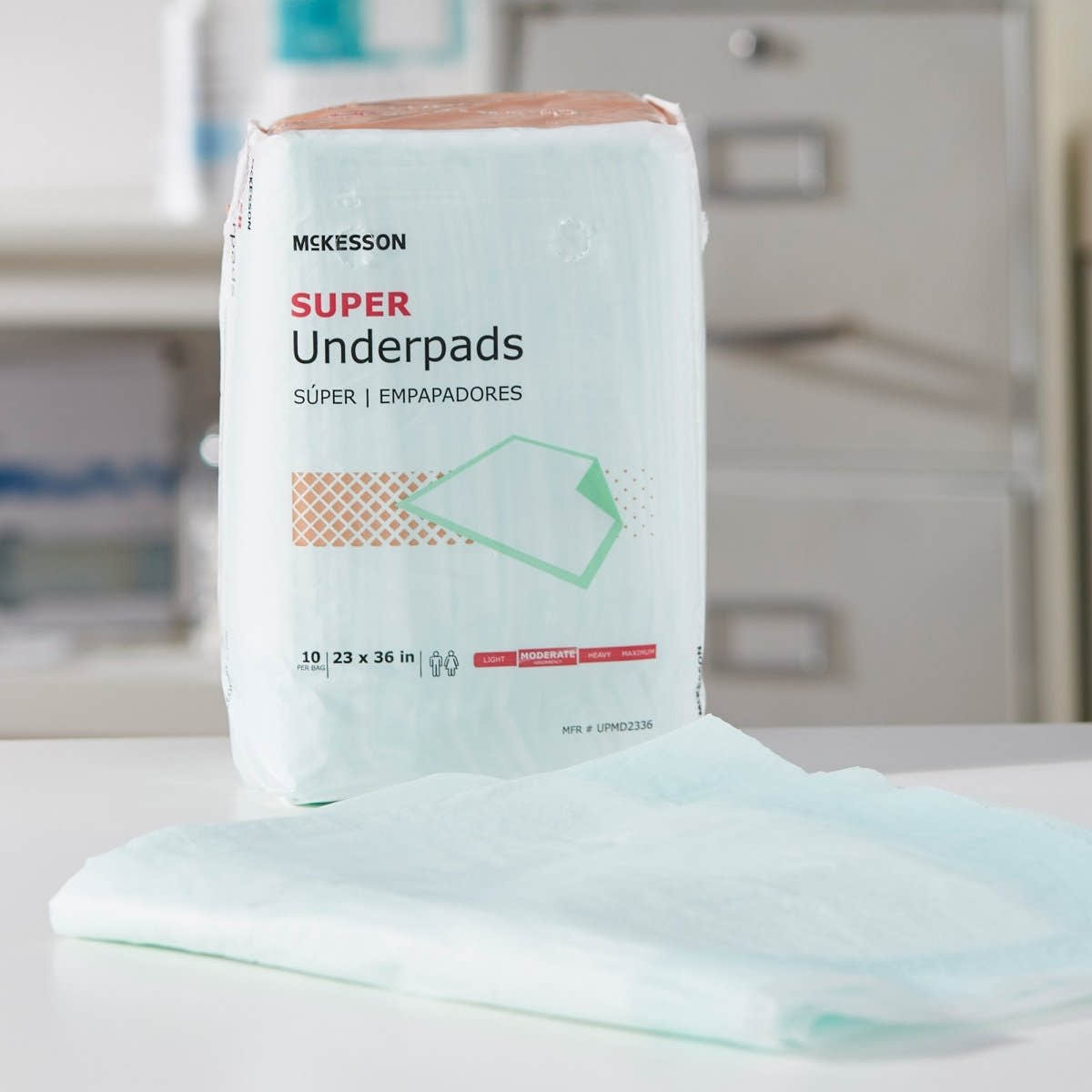
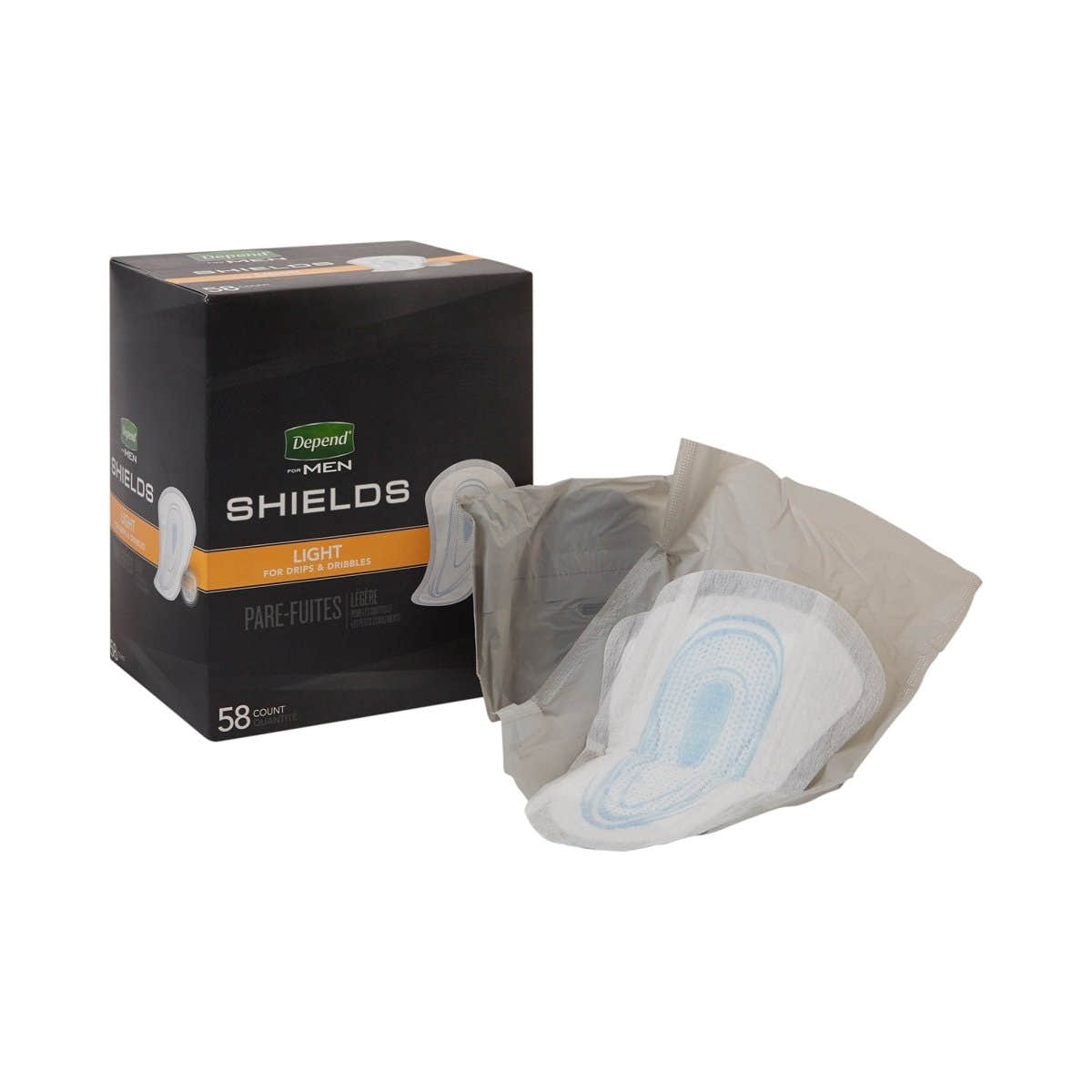
Caring for a parent with incontinence requires a range of essential supplies, including adult briefs, pads, and liners. These products can help manage leakage, prevent skin irritation, and promote dignity and comfort. When choosing adult briefs, consider factors such as absorbency, comfort, and ease of use. Look for products that are designed to meet your parent's specific needs, such as overnight briefs or briefs with extra absorbency. Our collection of adult briefs includes a range of products from leading manufacturers, designed to provide comfort, dignity, and protection.
Prioritizing Dignity and Comfort
Prioritizing your parent's dignity and comfort is essential when caring for them with incontinence. This can include using products that are designed to promote dignity, such as adult briefs with discreet packaging and odor-control features. According to the American Urological Association (AUA), using products that promote dignity and comfort can help reduce the emotional impact of incontinence and improve overall quality of life. It is also essential to encourage your parent to maintain their independence, engage in activities they enjoy, and socialize with friends and family.
Safety Considerations
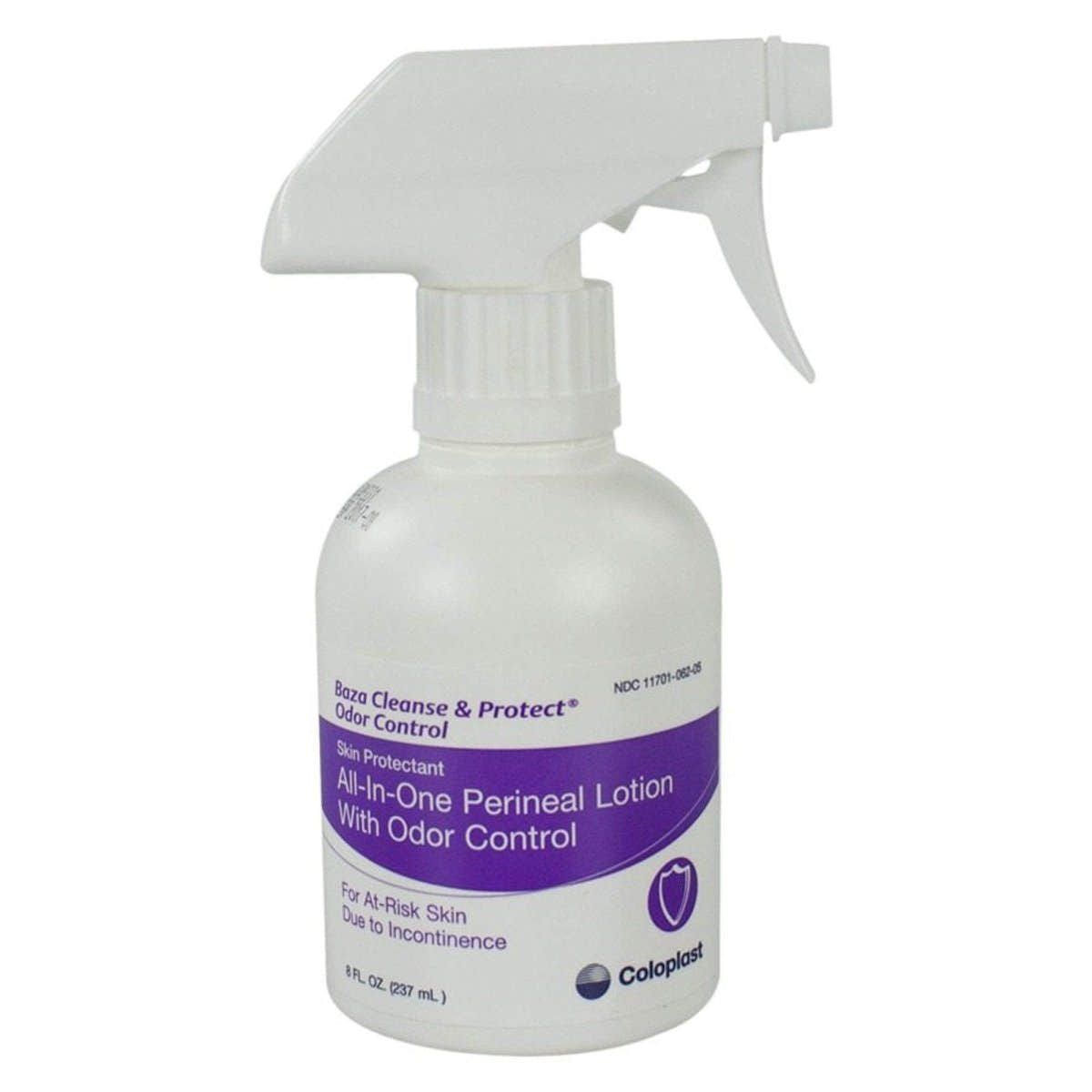
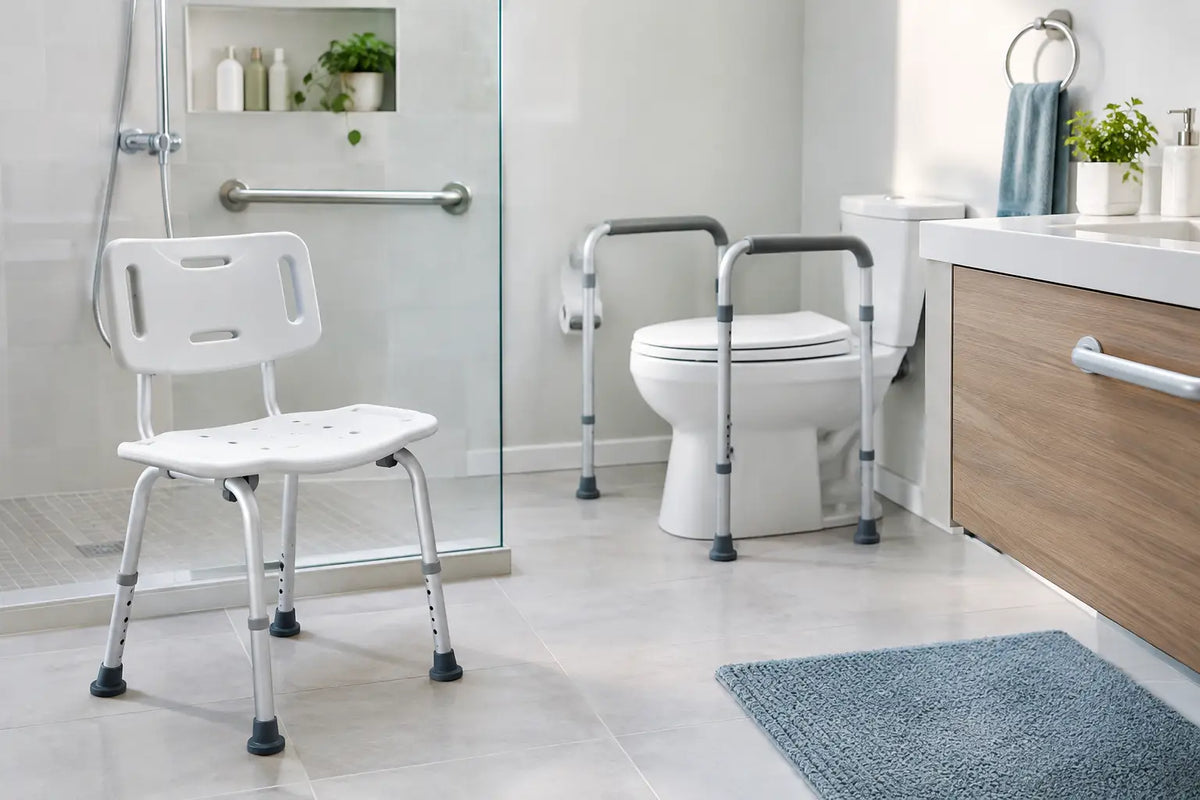
Safety is a critical consideration when caring for a parent with incontinence. This can include preventing falls, managing skin irritation, and promoting good hygiene. According to the CDC, falls are a leading cause of injury and death among older adults, and it is essential to take steps to prevent them. This can include removing tripping hazards, installing grab bars, and encouraging your parent to use a walker or cane. It is also essential to promote good hygiene, including regular bathing, changing adult briefs frequently, and using gentle skin cleansers.
Caregiver Well-being
Caring for a parent with incontinence can be emotionally and physically demanding, and it is essential to prioritize your own well-being. According to the National Institute of Health (NIH), caregivers are at risk of burnout, depression, and anxiety, and it is crucial to take steps to manage stress and promote self-care. This can include seeking support from family and friends, joining a caregiver support group, and engaging in activities that promote relaxation and stress reduction.
What are the most common causes of incontinence in older adults?
According to the National Institute on Aging (NIA), the most common causes of incontinence in older adults include weakened pelvic muscles, neurological disorders, and certain medications.
How can I help my parent manage incontinence at night?
According to the American Urological Association (AUA), using adult briefs with extra absorbency, limiting fluids before bedtime, and encouraging your parent to use the bathroom right before bed can help manage incontinence at night.
What are the benefits of using adult briefs for incontinence care?
According to the National Association for Continence (NAFC), adult briefs can help manage leakage, prevent skin irritation, and promote dignity and comfort for individuals with incontinence.
This article is for general educational purposes and is not medical advice. Always consult your healthcare provider for guidance specific to your situation.