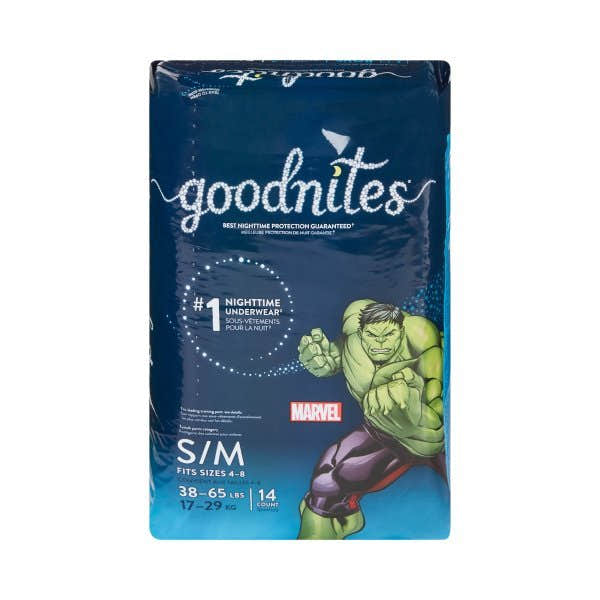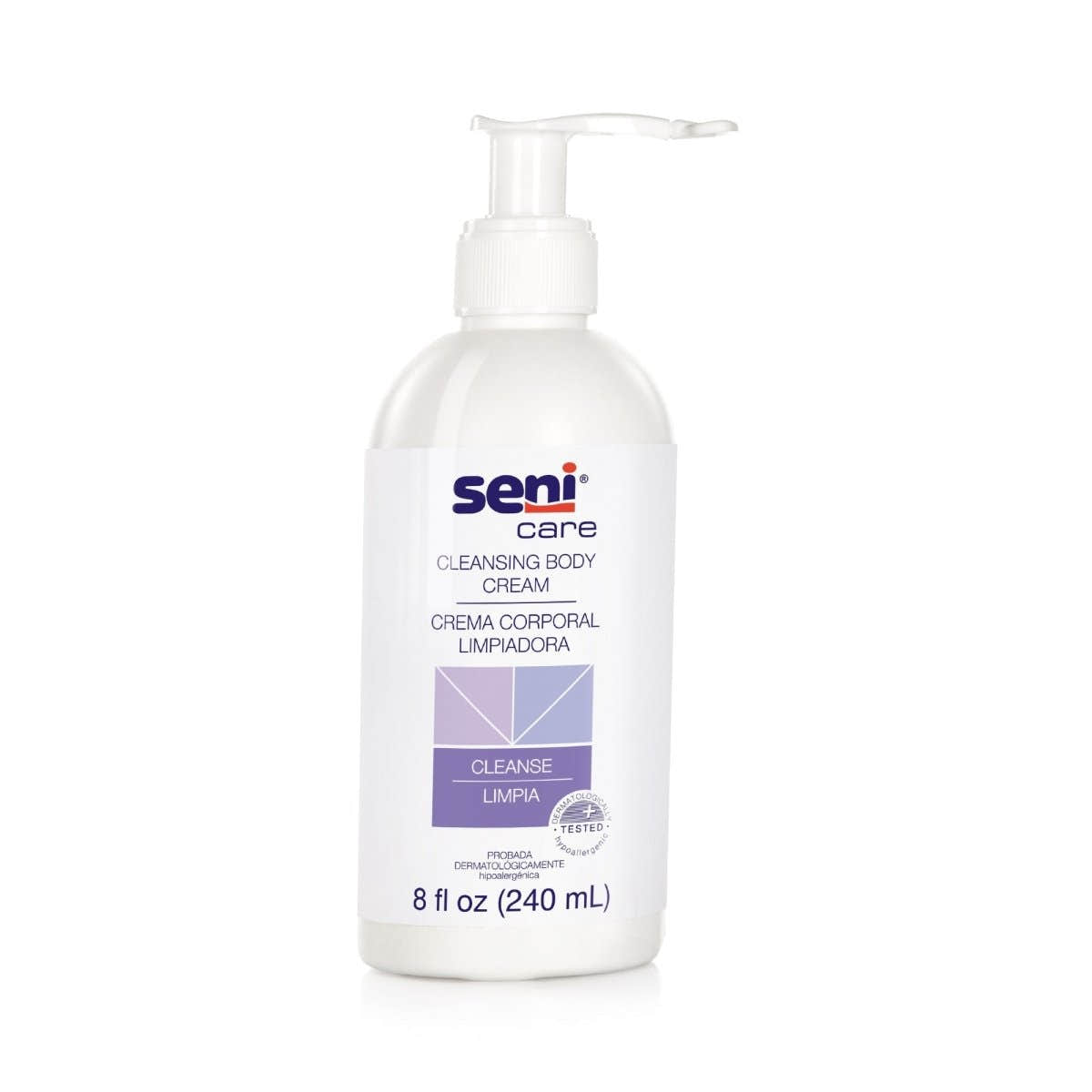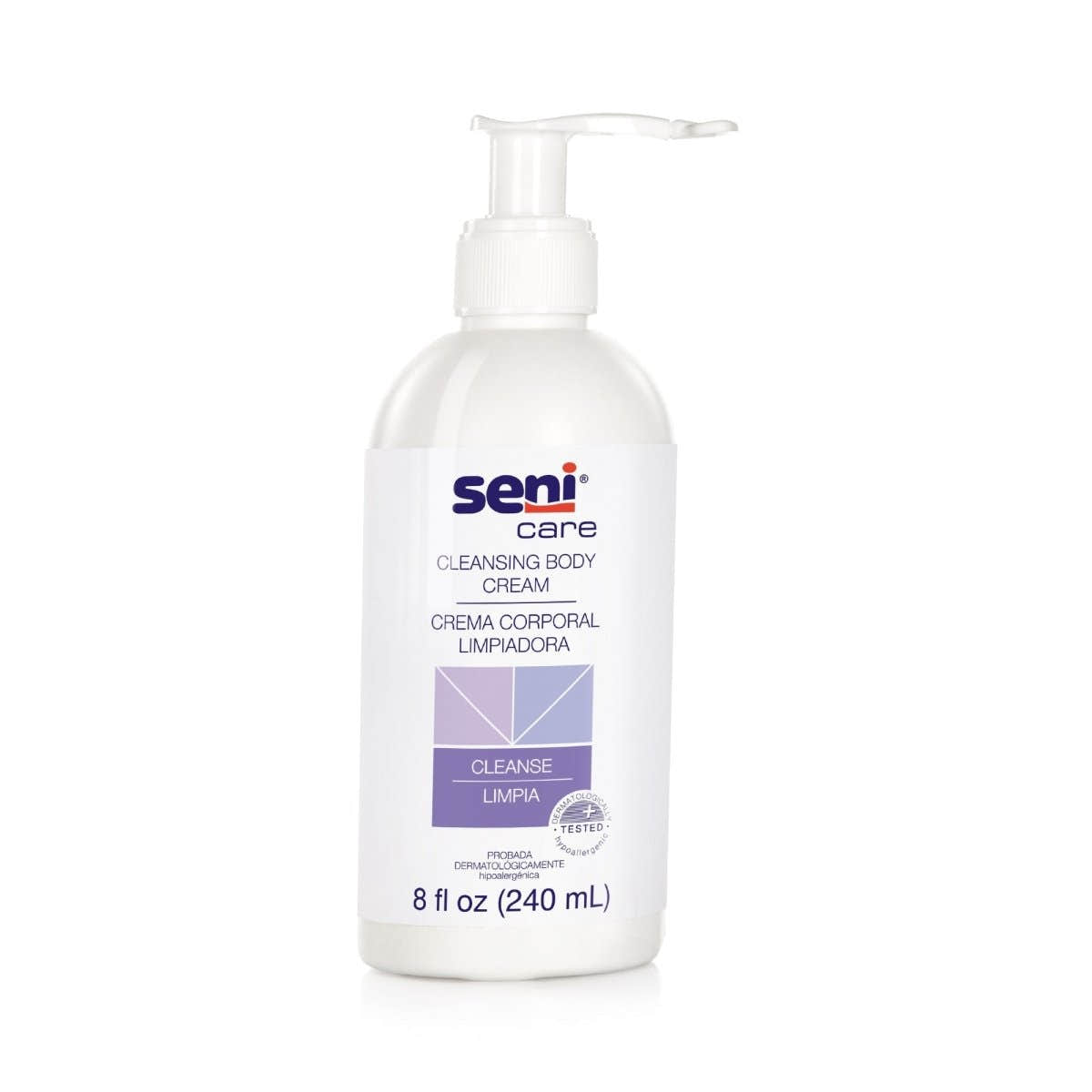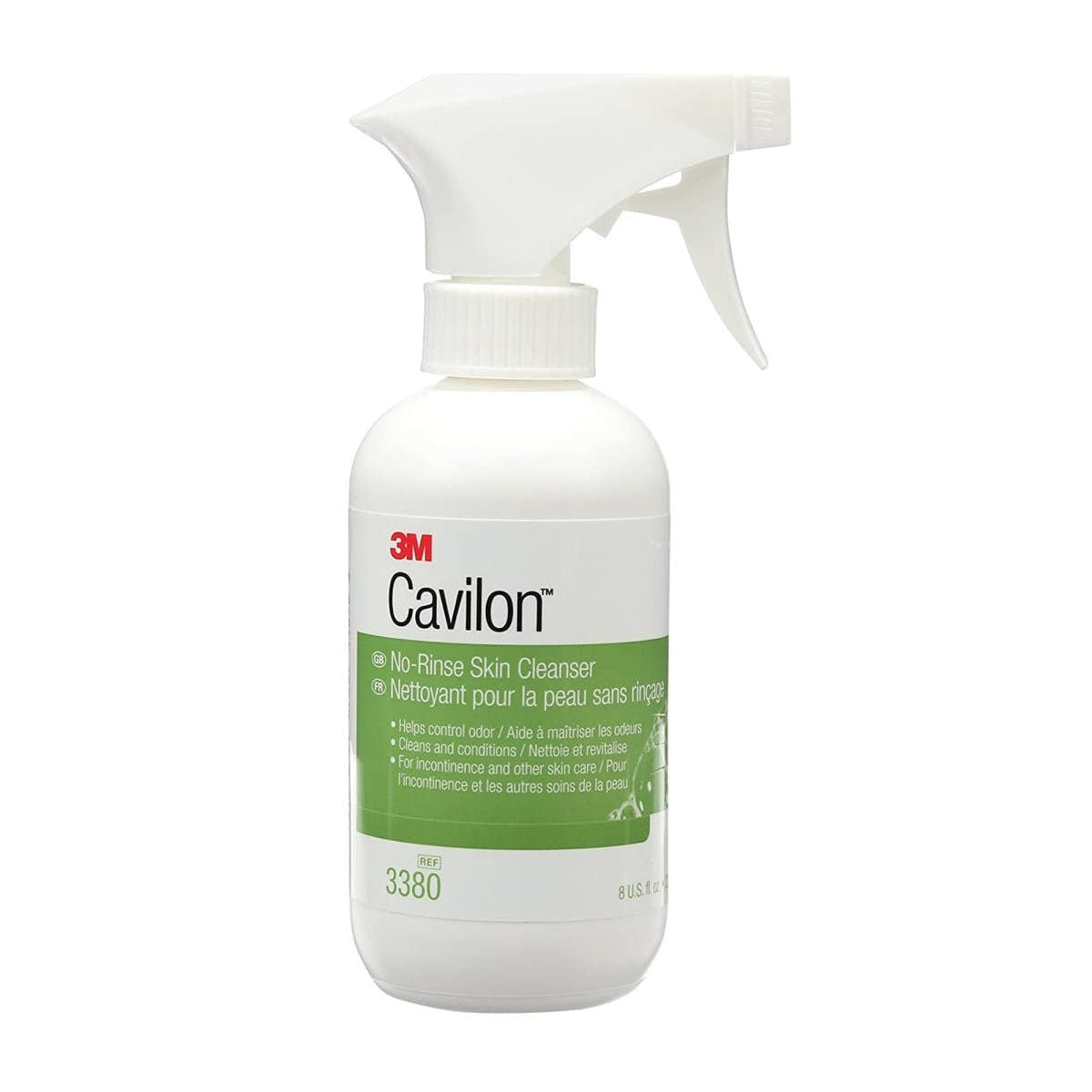
For seniors living with incontinence, managing the condition can be a significant challenge. According to the National Association for Continence (NAFC), millions of Americans experience incontinence, and it's essential to understand the options for coverage. Is incontinence covered by Medicare or insurance? The answer varies depending on the type of insurance and the specific products needed. In this article, we'll explore the basics of Medicare and private insurance coverage for incontinence products, such as adult briefs.
Medicare Coverage
Medicare is a federal health insurance program for people 65 or older, certain younger people with disabilities, and people with End-Stage Renal Disease. According to the Centers for Medicare and Medicaid Services (CMS), Medicare Part B covers certain medical equipment and supplies, including those used to manage incontinence. However, coverage is typically limited to specific products, such as catheters and urinary collection devices. Adult briefs, also known as adult diapers, may be covered under Medicare Part B if they are deemed medically necessary. A prescription from a healthcare provider is usually required.
Private Insurance Coverage
Private insurance plans, including those offered by employers or purchased individually, may also cover incontinence products. Coverage varies widely depending on the plan and the insurance company. Some plans may cover adult briefs, while others may not. It's essential to review your insurance policy or contact your insurance provider to determine what's covered and what's not. According to the National Institute on Aging (NIA), some private insurance plans may require a prescription or documentation from a healthcare provider to cover incontinence products.
What's Typically Covered vs. Out-of-Pocket
While Medicare and private insurance may cover some incontinence products, there are often out-of-pocket costs associated with these products. For example, Medicare Part B typically covers 80% of the cost of covered medical equipment and supplies, leaving the remaining 20% to be paid by the individual. Private insurance plans may have similar cost-sharing arrangements. Adult briefs, which are available in our adult-briefs collection, may be partially or fully covered, depending on the insurance plan.
Documentation and Prescription Requirements
To get coverage for incontinence products, you may need to provide documentation or a prescription from a healthcare provider. This can include a doctor's note or a detailed description of your medical condition and the products you need. According to the American Urological Association (AUA), a healthcare provider can help determine the best course of treatment and provide the necessary documentation for insurance coverage.
Money-Saving Options
Even with insurance coverage, incontinence products can be expensive. There are several money-saving options to consider, such as buying in bulk or shopping for discounts online. You can also look into financial assistance programs, such as those offered by the NAFC, which provide discounts or free products to eligible individuals.
Will Medicare cover all of my incontinence products?
No, Medicare coverage for incontinence products varies depending on the type of product and the individual's medical needs. It's essential to review your coverage and consult with your healthcare provider to determine what's covered.
Can I get reimbursed for out-of-pocket expenses?
It depends on your insurance plan. Some plans may offer reimbursement for out-of-pocket expenses, while others may not. Check your policy or contact your insurance provider to determine what's covered.
How do I know what incontinence products are right for me?
Consult with your healthcare provider to determine the best course of treatment and the most suitable incontinence products for your needs. They can help you navigate the options and provide guidance on what's covered by your insurance.
This article is for general educational purposes and is not medical advice. Always consult your healthcare provider for guidance specific to your situation.