As we age, our bodies go through natural changes that can affect how we eat, digest, and absorb nutrients. For many seniors and their family caregivers, maintaining proper nutrition can become a daily challenge. A reduced appetite, dental issues, difficulty swallowing, or managing a chronic health condition can make it hard to get enough vitamins and minerals from regular meals alone. When traditional food isn't enough to keep up strength and energy, specialized drinks, shakes, and powders can help fill the gaps. In this guide, we will explore oral nutritional supplements: how to choose the right one to support your or your loved one's health, vitality, and daily comfort.
What Are Oral Nutritional Supplements?
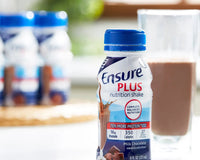
Oral nutritional supplements are specially formulated liquids, powders, or puddings designed to deliver a concentrated amount of nutrients. They are not meant to replace healthy meals entirely. Instead, they act as a safety net to ensure the body gets what it needs when regular food falls short. According to the National Institutes of Health (NIH), these products are highly effective at helping individuals meet their daily requirements for macronutrients (proteins, carbohydrates, and fats) and micronutrients (essential vitamins and minerals).
These supplements are commonly used in home care settings to address nutritional gaps, prevent unintended weight loss, and support recovery after an illness or surgery. Because they are pre-measured and easy to consume, they offer a convenient solution for caregivers looking to boost a senior's daily nutrient intake without requiring them to eat large volumes of solid food.
Why Seniors Often Need Nutritional Support
As the body gets older, its nutritional needs change. The Academy of Nutrition and Dietetics notes that while older adults generally require fewer calories because of a slower metabolism and decreased physical activity, their need for certain key nutrients actually increases. For example, seniors need more protein to preserve muscle mass, and higher amounts of calcium and vitamin D to maintain bone strength.
Several factors can make it difficult for seniors to meet these nutritional goals through standard meals:
- Decreased Appetite: Changes in taste buds, medication side effects, or feelings of loneliness can lead to a reduced interest in eating.
- Sarcopenia: This is the medical term for the natural loss of muscle mass and strength that happens as we age. Consuming enough high-quality protein is vital to slow this process down.
- Difficulty Chewing or Swallowing: Dental problems, dry mouth, or neurological conditions can make eating solid foods painful or tiring.
- Chronic Illness: Managing long-term conditions like heart disease, diabetes, or kidney issues can alter how the body processes nutrients and may require highly specific diets.
Oral Nutritional Supplements: How to Choose the Right One
Walking down the healthcare aisle or browsing online can feel overwhelming. There are dozens of brands, flavors, and formulas available. To find the product that best fits your or your loved one's lifestyle and health goals, it helps to take a structured approach. Here is a step-by-step guide on oral nutritional supplements: how to choose the right one for your specific needs.
Step 1: Identify the Primary Health Goal
Before looking at brands, define what you want the supplement to achieve. Different formulas are designed for different purposes. For example, if a senior has lost weight unexpectedly after a hospital stay, they will need a calorie-dense formula designed for weight gain. On the other hand, if they are maintaining a healthy weight but struggle to eat enough meat or dairy, a high-protein, lower-calorie supplement might be the better choice to protect muscle tissue.
Step 2: Check the Protein Source and Amount
Protein is the building block of muscle, skin, and immune cells. When comparing supplements, look at both the amount of protein per serving and where that protein comes from. Most standard shakes use whey, casein (both derived from milk), or soy protein. If the senior has a milk allergy or follows a plant-based diet, look for options made with pea, soy, or brown rice protein. For muscle maintenance, clinical consensus suggests looking for products that provide at least 10 to 15 grams of protein per serving.
Step 3: Evaluate the Sugar and Carbohydrate Content
Many standard nutritional drinks contain added sugars to improve taste and boost calories. While this can be helpful for someone who needs to gain weight quickly, it may not be suitable for individuals managing blood sugar levels. If you are caring for someone with prediabetes or diabetes, look for formulas specifically labeled as low-glycemic or designed for blood sugar control. These typically use slow-digesting carbohydrates to prevent sudden spikes in blood glucose.
Step 4: Consider Dietary Restrictions and Allergies
Always read the ingredient list carefully. Many oral nutritional supplements are naturally gluten-free and suitable for people with celiac disease or gluten sensitivities. If lactose intolerance is an issue, look for products labeled "lactose-free" or "suitable for lactose intolerance." While many milk-based shakes are treated to be virtually lactose-free, individuals with severe dairy allergies should opt for 100% plant-based alternatives.
Step 5: Choose the Right Format and Flavor
Even the most nutritious supplement won't help if it stays in the pantry. Taste and texture are incredibly important.
- Ready-to-Drink Shakes: These offer the ultimate convenience. They require no preparation, are easy to grab on the go, and have a consistent texture.
- Powders: Powdered supplements allow you to control the thickness and flavor. They can be mixed with water, milk, or blended into smoothies with fresh fruit and yogurt for added nutrition.
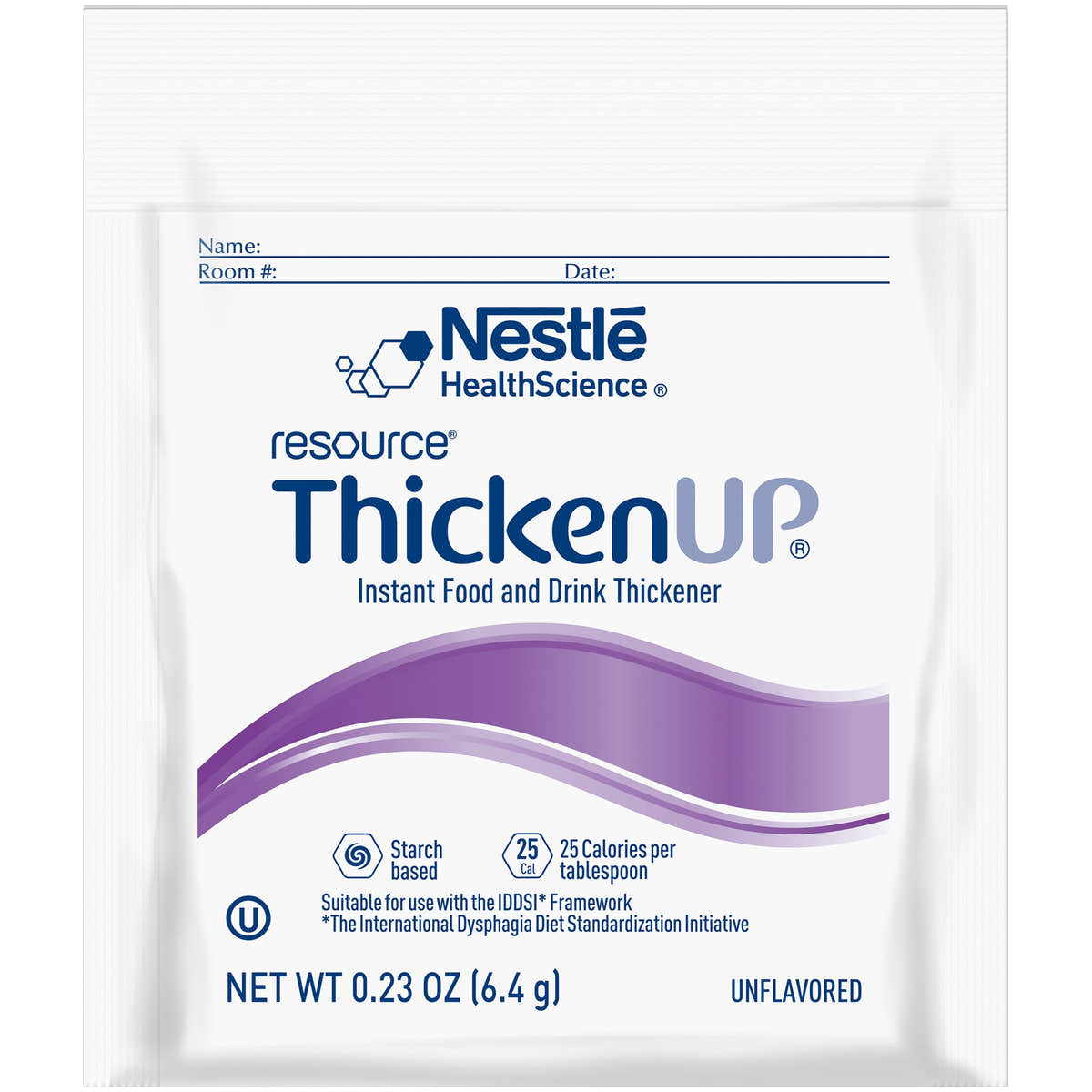
- Nutritional Puddings: For individuals with severe swallowing difficulties (dysphagia), puddings provide a thick, safe texture while still delivering high amounts of protein and calories.
To prevent "taste fatigue," consider buying a variety pack of flavors (such as vanilla, chocolate, and strawberry) so the senior has choices throughout the week.
Matching Supplements to Specific Health Conditions
Many manufacturers create specialized formulas to support patients managing specific chronic illnesses. Understanding these options can help you narrow down your choices.
Blood Sugar Management
According to the American Diabetes Association (ADA), managing carbohydrate intake is a key part of maintaining healthy blood sugar levels. Diabetes-specific nutritional shakes are formulated with a unique blend of carbohydrates that digest slowly, helping to minimize blood sugar fluctuations. They also tend to be higher in healthy monounsaturated fats, which support cardiovascular health.
Kidney (Renal) Support
For individuals living with chronic kidney disease, standard nutritional shakes can contain too much potassium, phosphorus, and sodium, which can put extra strain on the kidneys. Renal-focused supplements are carefully designed to provide high calories and protein while keeping these specific minerals at safe, low levels. Always consult a nephrologist or renal dietitian before introducing these specialized products.
Heart Health
If cardiovascular health is the primary concern, look for supplements that are low in saturated fat and cholesterol. The American Heart Association (AHA) emphasizes the importance of dietary fiber and healthy fats. Some nutritional drinks include added omega-3 fatty acids and soluble fiber to support healthy cholesterol levels and overall heart function.
Tips for Incorporating Supplements into a Daily Routine
Introducing a new supplement to a senior's diet requires a bit of strategy to ensure it is well-received and effective. Here are a few practical tips for caregivers:
- Watch the Timing: Do not serve a nutritional drink right before a meal, as it can make the senior feel too full to eat their regular food. Instead, offer it as an afternoon snack, a dessert after dinner, or first thing in the morning if they have a light appetite at breakfast.
- Serve It Cold: Most liquid nutritional supplements taste best when they are thoroughly chilled. Shake the bottle well before serving, and consider pouring it into a nice glass rather than having them drink straight from the plastic container to make it feel more like a treat.
- Get Creative: If your loved one tires of drinking shakes, use them as an ingredient. You can use a vanilla-flavored supplement instead of milk in oatmeal, pancake batter, or cream-based soups to sneak in extra calories and protein.
- Start Slowly: Introduce new supplements in small portions—such as half a bottle at a time—to allow the digestive system to adapt to the rich concentration of nutrients.
When to Consult a Healthcare Professional
While oral nutritional supplements are widely available over the counter, they should be used thoughtfully. It is always best to speak with a primary care doctor, a registered dietitian, or a pharmacist before making them a permanent part of a daily routine. A healthcare professional can help you calculate exact nutritional needs, review potential interactions with current medications, and ensure that the chosen supplement aligns safely with any underlying medical diagnoses.
Can oral nutritional supplements be used as complete meal replacements?
Generally, oral nutritional supplements are designed to supplement a regular diet rather than replace meals entirely. They help fill nutritional gaps when a person cannot eat enough solid food. While some specialized formulas can support complete tube feeding under medical supervision, everyday shakes and powders should ideally be used alongside small, nutrient-dense meals unless otherwise directed by a physician.
What is the difference between a standard protein shake and an oral nutritional supplement?
Standard protein shakes, often marketed to athletes, focus primarily on delivering high protein with minimal carbohydrates and fats. Oral nutritional supplements, however, are balanced formulas designed for medical or age-related nutrition support. They contain a precise mix of protein, carbohydrates, healthy fats, and a comprehensive blend of essential vitamins and minerals to address malnutrition or involuntary weight loss.
How do I know if my elderly relative actually needs a nutritional supplement?
Signs that a senior might benefit from nutritional support include unexplained weight loss, clothes fitting more loosely, a noticeable decline in energy or physical strength, slow healing of wounds, or eating less than half of their usual meals. If you observe any of these changes, schedule a visit with their healthcare provider to discuss whether a supplement is appropriate.
Are there lactose-free options available for seniors with dairy sensitivities?
Yes, there are many lactose-free options. Many milk-based nutritional drinks are formulated to be safe for individuals with lactose intolerance. Additionally, there is a wide selection of plant-based oral nutritional supplements made from soy, pea, or rice proteins that are naturally 100% dairy-free and lactose-free.
This article is for general educational purposes and is not medical advice. Always consult your healthcare provider for guidance specific to your situation.