Transitioning a loved one from a hospital setting back to the comfort of home is a major milestone. However, if your family member requires enteral nutrition—the medical term for receiving liquid nutrition directly into the stomach or small intestine—you might feel overwhelmed by your new responsibilities. This Tube feeding at home: caregiver guide is designed to ease your anxiety, walk you through the daily routine, and help you manage your loved one's nutritional needs with confidence, safety, and compassion.
According to the National Institutes of Health (NIH), home enteral nutrition is a highly effective way to ensure patients receive proper calories, hydration, and nutrients when they cannot swallow safely. While it takes time to adjust to the equipment and routines, millions of family caregivers successfully manage this process every day. With the right preparation, a consistent routine, and reliable supplies, tube feeding will soon feel like a natural part of your daily caregiving flow.
Understanding the Basics of Enteral Nutrition
Before diving into the daily routine, it helps to understand the equipment you will be using. Enteral nutrition bypasses the mouth and esophagus, delivering specialized liquid formula directly to the digestive system. Depending on your loved one's medical needs, their doctor may have selected one of several types of feeding tubes:
- G-Tube (Gastrostomy Tube): Inserted directly through the abdominal wall into the stomach. A common type is a low-profile "button" tube that sits flat against the skin.
- PEG Tube (Percutaneous Endoscopic Gastrostomy): A specific type of G-tube placed with the help of an endoscope.
- J-Tube (Jejunostomy Tube): Inserted directly into the jejunum, which is the middle section of the small intestine. This is often used if the stomach cannot tolerate food.
- NG-Tube (Nasogastric Tube): Passed through the nose, down the throat, and into the stomach. This is typically used for shorter periods.
Regardless of the type of tube your loved one has, the primary goal remains the same: to deliver hydration and nutrition safely. Your healthcare team, including a registered dietitian, will prescribe the exact type of formula, the amount, and the schedule that your loved one needs.
Your Essential Tube Feeding at Home: Caregiver Guide to Supplies
Having a well-organized workspace is one of the best ways to reduce stress. We recommend setting up a dedicated "feeding station" in your home where you keep all your equipment clean, dry, and easily accessible. To manage daily care smoothly, you will need to keep a steady inventory of high-quality feeding supplies. Your basic checklist should include:
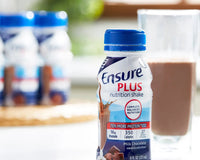
- Enteral Formula: The specific liquid nutrition prescribed by your healthcare provider. Always check the expiration date and shake well before opening.
- Feeding Bags and Tubing: If you are using a gravity drip or an electronic infusion pump, you will need compatible bags and tubing sets.
- Enteral Syringes: Large syringes (usually 60 mL) used for flushing the tube with water, administering bolus (large volume) feeds, or giving medications.
- Flushing Water: Clean, lukewarm water. Your doctor will tell you whether to use tap water, filtered water, or sterile water.
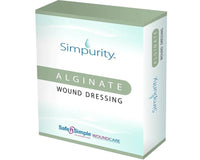
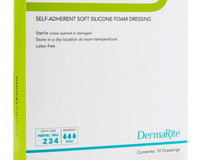
- Medical Tape and Dressings: To secure the tube to the skin and protect the insertion site.
- pH Test Strips: Sometimes recommended by doctors to verify proper tube placement before feeding.
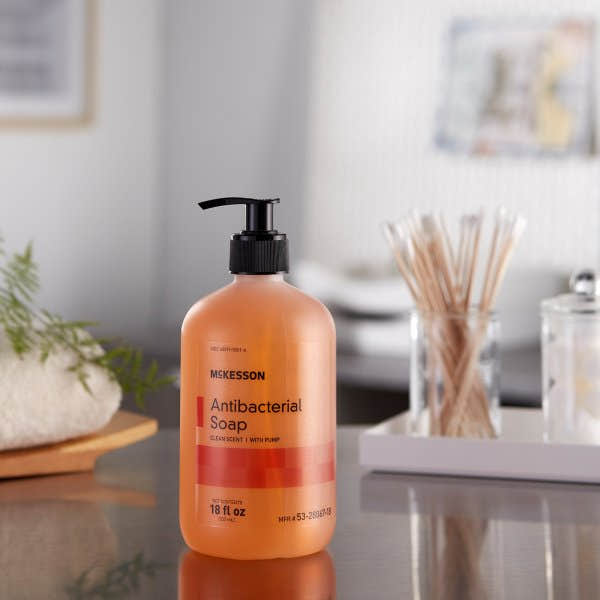
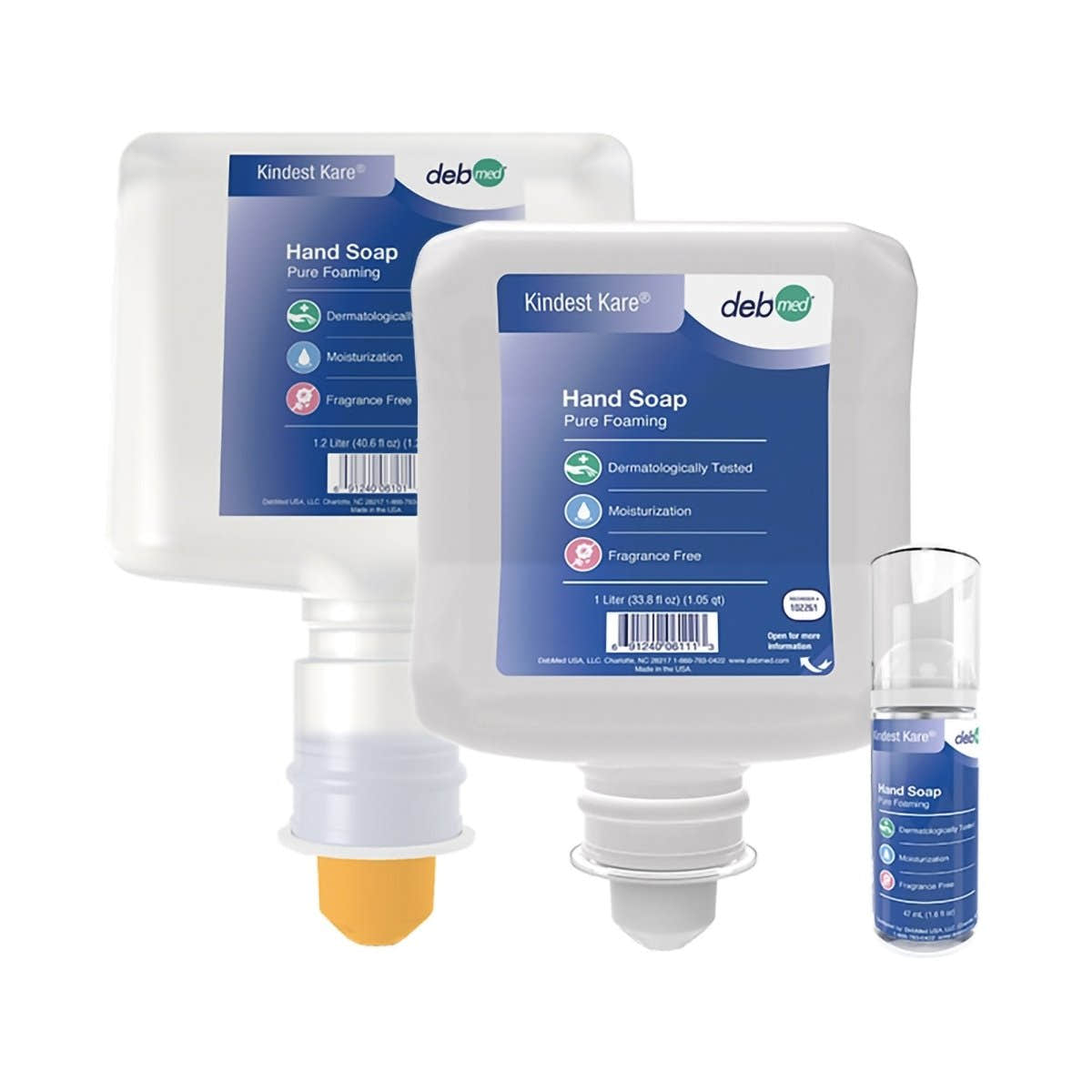
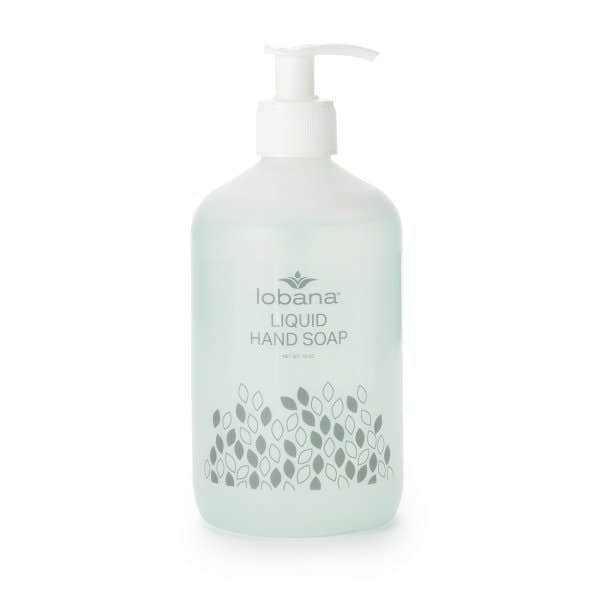
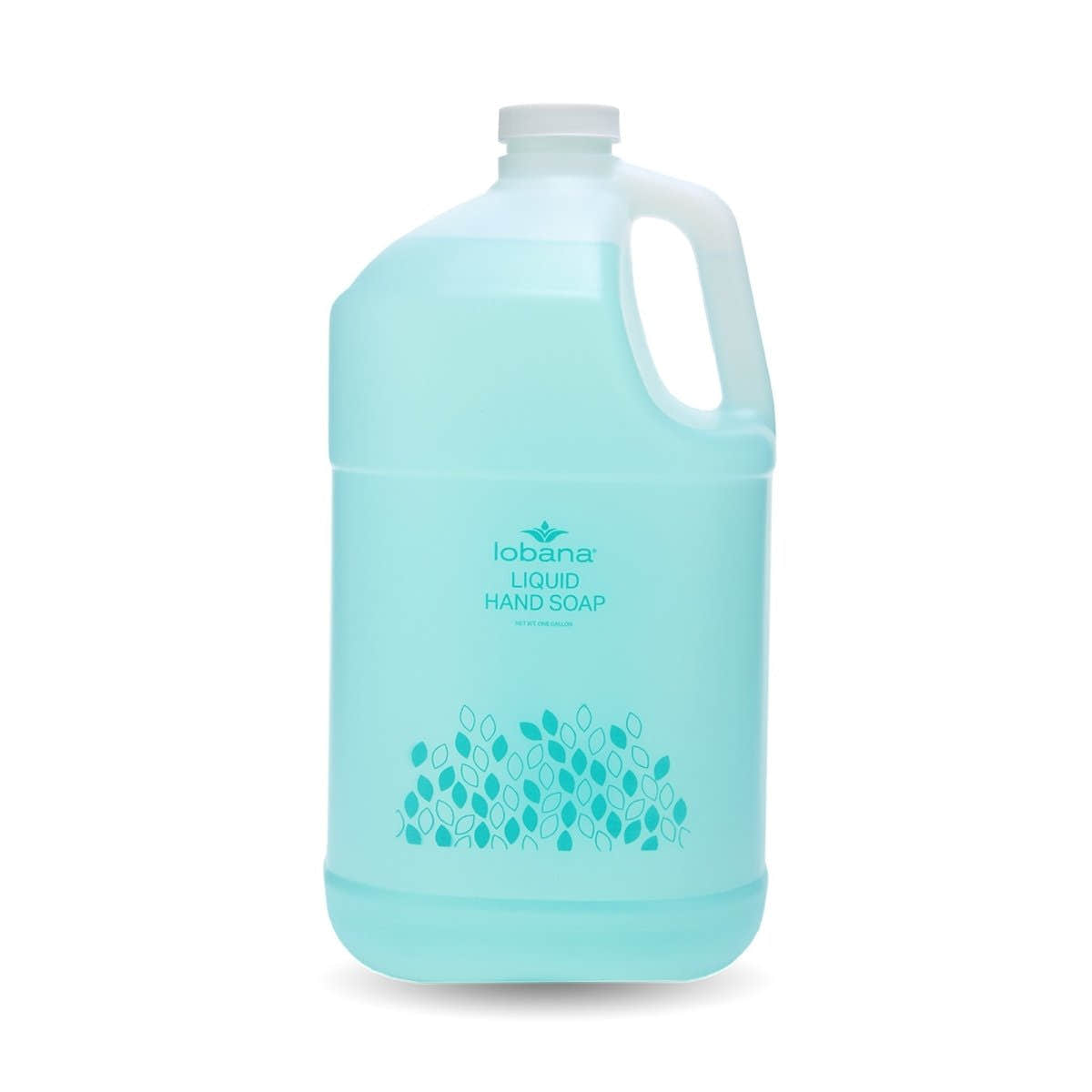
- Soap and Warm Water: For meticulous handwashing before touching any equipment.
By keeping these items organized and tracking your inventory, you can avoid last-minute rushes and ensure your loved one never misses a scheduled feeding.
Establishing a Safe Daily Feeding Routine
Consistency is key to successful home care. Following a structured sequence of steps ensures that your loved one receives their nutrition comfortably and minimizes the risk of complications like clogs or infections.
Step 1: Prioritize Hand Hygiene
The Centers for Disease Control and Prevention (CDC) emphasizes that hand hygiene is the single most important step in preventing infections in home care settings. Always wash your hands thoroughly with warm water and soap for at least 20 seconds before handling the feeding tube, formula, or supplies. Dry your hands with a clean paper towel.
Step 2: Prepare the Formula and Workspace
Clean the top of the formula container with a damp cloth or alcohol wipe before opening it. Make sure the formula is at room temperature; cold formula can cause stomach cramps and discomfort. Never use formula that has been open and sitting out for more than the recommended time (typically 4 to 8 hours at room temperature, or 24 hours in the refrigerator).
Step 3: Position Your Loved One Safely
This is a critical safety step. According to clinical consensus guidelines from professional nutritional bodies, the patient's head and upper body must be elevated to at least a 30- to 45-degree angle during the entire feeding session, and for at least 30 to 60 minutes afterward. This position uses gravity to help keep the formula in the stomach and prevents aspiration—a serious complication where liquid accidentally enters the lungs.
Step 4: Check Tube Placement
Before administering anything through the tube, visually inspect the insertion site. Ensure the tube has not slipped further in or pulled out. Look for the measurement markings on the tube to confirm it is at the correct depth. If your healthcare provider has instructed you to check gastric residuals or use pH strips to verify placement, do so now.
Step 5: Flush the Tube
Always flush the feeding tube with the amount of lukewarm water prescribed by your doctor (usually 30 mL) before beginning the feed. Flushing ensures the tube is clear, open, and ready for use.
Step 6: Administer the Feed
Depending on your doctor's instructions, you will deliver the formula using one of three methods:
- Bolus Feeding: Using a syringe to deliver a set amount of formula over a short period (usually 15 to 20 minutes), mimicking a regular meal.
- Gravity Feeding: Allowing the formula to flow slowly out of a suspended bag, using gravity to control the speed.
- Pump Feeding: Using an electronic enteral pump to deliver a precise amount of formula continuously over several hours or overnight.
Step 7: Final Flush and Clean Up
Once the feeding is complete, flush the tube again with the prescribed amount of water. This removes any remaining formula from the inside of the tube, preventing clogs and bacterial growth. Cap the tube securely, wash all reusable syringes and bags with warm, soapy water, and allow them to air dry.
Maintaining Skin Health and Comfort
The area of skin where the feeding tube enters the body is called the stoma site. Keeping this area clean and dry is vital for comfort and to prevent painful skin breakdown or infections. Use the following daily care tips:
- Clean Gently: Wash the skin around the tube daily using mild soap and warm water. Avoid using harsh chemicals, alcohol, or scented lotions unless specifically directed by your medical team.
- Dry Thoroughly: Gently pat the skin dry with a clean towel. Moisture trapped under the tube's bolster (the plastic guard that sits against the skin) can lead to fungal infections.
- Rotate the Tube: If your loved one has a G-tube, gently rotate it 360 degrees once a day (after the tract has fully healed, and only if advised by your doctor). This prevents the tube from adhering to the surrounding tissue.
- Monitor for Changes: Inspect the skin daily. A small amount of clear or light-yellow fluid can be normal, but watch out for signs of irritation or infection.
Troubleshooting Common Challenges
Even with the most careful routine, you may occasionally run into minor setbacks. Knowing how to respond calmly can prevent a trip to the clinic.
What to Do for a Clogged Tube
If you meet resistance when trying to flush the tube, do not force it. Forcing liquid can rupture the tube. Instead, try gently pulling back on the syringe plunger to release the pressure, then flush again with warm water. You can also gently massage the tube with your fingers to help break up the blockage. Never use soda, juice, or sharp objects to clear a clog, as these can damage the tube or irritate the digestive tract.
Managing Nausea, Bloating, or Diarrhea
Digestive upset can happen if the formula is running in too quickly, if it is too cold, or if your loved one is lying too flat. If they experience mild nausea or bloating, try slowing down the rate of the feed and double-check that their head is elevated. If symptoms persist, contact your registered dietitian or doctor to discuss adjusting the feeding schedule or formula type.
Supporting Caregiver Well-Being
Caring for a loved one with chronic nutritional needs is a labor of love, but it can also be physically and emotionally demanding. It is completely normal to feel tired or anxious. Remember that you cannot provide the best care for someone else if you are running on empty.
Give yourself grace as you learn this new routine. Reach out to local support groups, seek respite care options, and communicate openly with your loved one's healthcare team. They are there to support both the patient and you, the caregiver.
How do I prevent the feeding tube from getting clogged?
The most effective way to prevent clogs is to flush the tube with clean, lukewarm water before and after every single feeding, as well as before and after administering any medications. If you are running a continuous, long-term pump feed, flush the tube every 4 to 6 hours as directed by your healthcare provider.
What are the signs of a skin infection around the feeding tube?
While mild crusting or a small amount of clear fluid can be normal, you should watch for signs of infection. These include increased redness, swelling, warmth, pain, foul-smelling drainage, green or yellow pus, or excess bleeding around the stoma site. If you notice these symptoms, or if your loved one develops a fever, contact their doctor.
What should I do if the feeding tube accidentally pulls out?
If a feeding tube is accidentally dislodged, do not panic, but act quickly. The surgical opening (stoma) can begin to close within a few hours. Cover the site with a clean dressing and contact your healthcare provider or go to the nearest emergency room immediately. Do not attempt to push the tube back in yourself unless you have been specifically trained and authorized by your medical team to do so.
Can medications be put down the feeding tube?
Yes, many medications can be administered through a feeding tube, but they must be prepared correctly. Liquid medications are preferred. If you must crush tablets, ensure they are thoroughly crushed into a fine powder and completely dissolved in warm water before administering. Never mix medications directly with the formula, and always flush the tube with water before and after giving medication to prevent clogs.
This article is for general educational purposes and is not medical advice. Always consult your healthcare provider for guidance specific to your situation.