When your child is diagnosed with a respiratory condition like asthma, reactive airway disease, or croup, your pediatrician may prescribe a nebulizer. A nebulizer is a medical device that changes liquid medication into a fine, breathable mist, allowing it to go directly into your child's lungs where it is needed most. Learning to use new medical equipment can feel overwhelming at first, but with the right information, you can quickly become confident in managing your child's respiratory health at home. This Pediatric nebulizer guide for parents is designed to walk you through the process step-by-step, helping you provide safe, effective, and stress-free treatments for your little one.
According to the National Institutes of Health (NIH), nebulizers are highly effective for infants and young children who cannot easily use handheld inhalers, which require coordinated breathing. By delivering medication through a continuous mist, nebulizers allow your child to breathe normally during treatment. At Cart Health, we offer a supportive selection of high-quality nebulizers and accessories to help you manage your family's respiratory care with confidence.
Understanding Your Child's Nebulizer System
Before starting your first treatment, it is helpful to understand the different parts of the nebulizer system. While there are various models available, most systems consist of the same basic components:
- The Compressor: This is the main machine. It is usually a small box that plugs into an electrical outlet or runs on batteries. It pumps air into the nebulizer cup to create the mist.
- The Nebulizer Cup: This is the small plastic container where you place the liquid medication. It is sometimes called the nebulizer chamber.
- The Mask or Mouthpiece: For infants and toddlers, a soft silicone mask that fits over both the nose and mouth is used to ensure they inhale the medication. Older children who can follow directions may use a mouthpiece held between their teeth.
- The Tubing: This is the clear plastic hose that connects the compressor to the bottom of the nebulizer cup, carrying the pressurized air.
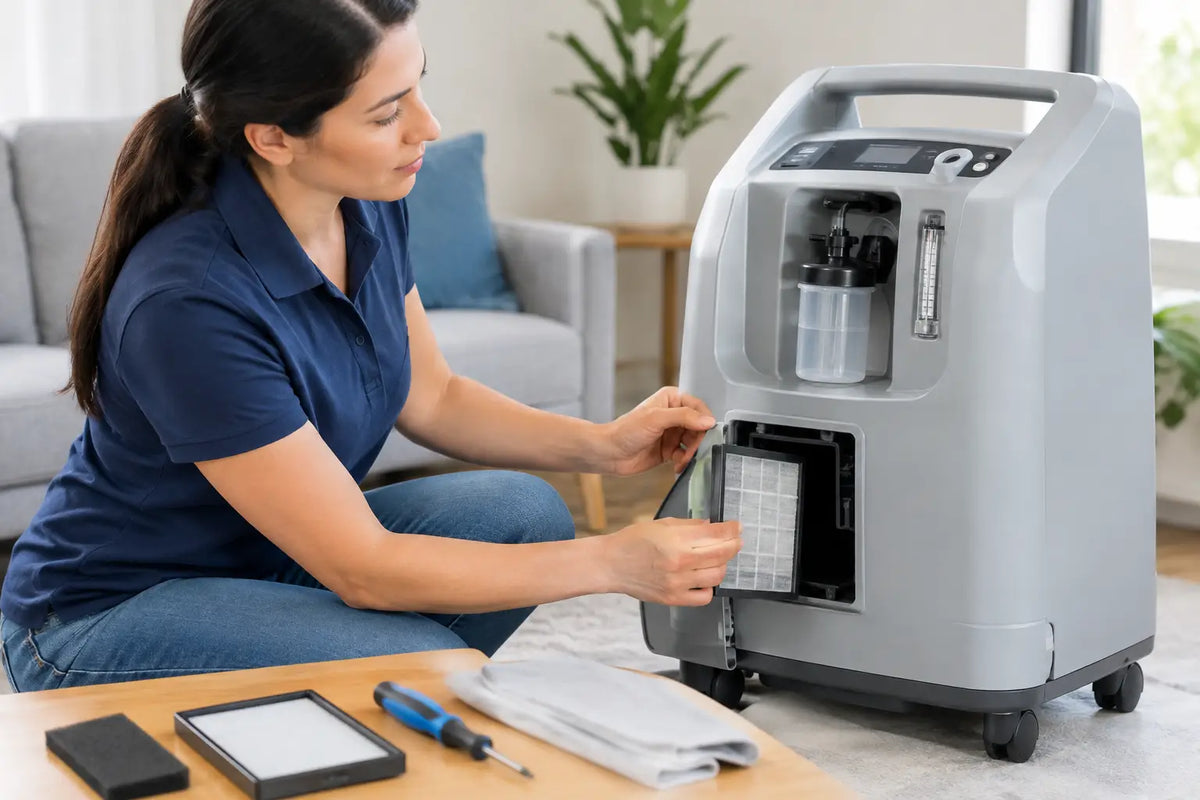
- The Air Filter: Located on the compressor, this filter keeps dust and impurities out of the air supply. It must be checked and replaced regularly according to the manufacturer's instructions.
There are also different types of nebulizer technologies. Compressor nebulizers (or jet nebulizers) use pressurized air and are the most common. Mesh nebulizers use a vibrating membrane to create a mist; they are often smaller, battery-operated, virtually silent, and highly portable. Your pediatrician or medical equipment provider can help you decide which type best fits your family's lifestyle.
Step-by-Step Guide: How to Administer a Nebulizer Treatment
Administering a nebulizer treatment is a straightforward process. Following these steps carefully ensures your child receives their full dose of medication safely and comfortably.
Step 1: Clean Your Hands and Prepare the Space
According to the Centers for Disease Control and Prevention (CDC), hand hygiene is the most critical step in preventing the spread of germs to respiratory equipment. Wash your hands thoroughly with warm water and soap for at least 20 seconds before handling any nebulizer parts or medications. Choose a clean, flat surface near an electrical outlet for your setup.
Step 2: Prepare the Medication
Check the prescription label to confirm the correct medication and dosage. Most pediatric nebulizer medications come in pre-measured, single-use plastic vials. Gently twist the top off the vial and squeeze the liquid directly into the nebulizer cup. If your doctor has prescribed multiple medications to be mixed, or if you need to add sterile saline, do so precisely as instructed by your healthcare provider. Securely screw or snap the cap back onto the nebulizer cup to prevent spills.
Step 3: Connect the Tubing and Mask
Attach one end of the clear plastic tubing to the air outlet on the compressor. Attach the other end to the bottom of the nebulizer cup. Next, attach the child's mask or the mouthpiece to the top of the nebulizer cup. Ensure all connections are snug but not overly tight.
Step 4: Position Your Child Comfortably
For the treatment to be effective, your child should sit in an upright position. This allows their lungs to expand fully and absorb the mist. You can sit your child in a high chair, a comfortable chair, or hold them on your lap. Keeping your child calm and relaxed is key; crying can cause shallow breathing, which reduces the amount of medication that reaches the deep parts of the lungs.
Step 5: Apply the Mask or Mouthpiece
If using a mask, place it gently over your child’s nose and mouth. Adjust the elastic strap so the mask fits snugly against their face without being too tight. A snug fit is important because gaps can allow the medication mist to escape into the air. If using a mouthpiece, instruct your child to place it between their teeth and seal their lips tightly around it.
Step 6: Turn on the Compressor
Plug in the compressor and flip the power switch to the "on" position. You will hear the machine hum, and a fine, steady mist should begin to rise from the mask or mouthpiece. Encourage your child to take slow, deep breaths through their mouth if possible. If they are very young, simply encourage them to breathe normally.
Step 7: Complete the Treatment
Keep the nebulizer cup in an upright position throughout the treatment to ensure the medication flows correctly. A typical treatment takes between 5 and 15 minutes. You will know the treatment is finished when the mist stops appearing and the machine begins to make a sputtering sound. At this point, turn off the compressor.
Practical Tips: Making the Most of This Pediatric Nebulizer Guide for Parents
For many children, sitting still for 10 minutes with a noisy machine and a mask on their face can be frightening or boring. Here are some practical, parent-tested strategies to make nebulizer treatments a positive experience for your child:
- Introduce the Machine Slowly: Before your child's first actual treatment, let them look at and touch the nebulizer while it is turned off. You can place the mask on a favorite stuffed animal or doll to show them it is safe and nothing to fear.
- Use Distractions: Save a special activity exclusively for nebulizer time. This could be watching a favorite cartoon, reading a beloved book together, or playing a quiet game on a tablet.
- Make It a Game: Encourage your child to pretend they are an astronaut wearing a space mask or a pilot flying a plane. You can wear a spare mask yourself to join in the fun.
- Choose the Right Time: Whenever possible, schedule routine treatments when your child is naturally calm, such as shortly after waking up, after a nap, or before bed. Avoid scheduling treatments during active playtimes when they may feel frustrated about having to stop.
- Offer Praise: Always praise your child for sitting still and completing their treatment. Consider using a sticker chart where they can earn a small reward after a successful week of treatments.
Cleaning and Maintenance: Protecting Your Child's Health
Keeping your nebulizer clean is absolutely essential. Because the device delivers moisture directly into your child's airways, dirty equipment can easily harbor bacteria and mold, leading to lung infections. The American Lung Association recommends a strict cleaning routine to keep your equipment safe.
After Every Use (Quick Clean)
- Disconnect the tubing from the nebulizer cup (never wash the tubing; it should remain dry).
- Disassemble the nebulizer cup, mask, or mouthpiece.
- Rinse the cup and mask/mouthpiece thoroughly under warm running water to remove any leftover medication.
- Shake off excess water and place the parts on a clean, lint-free towel to air dry completely.
- Store the dry parts in a clean, zippered bag or container until the next use.
Once or Twice a Week (Deep Disinfecting)
Consult your manufacturer's manual for specific disinfecting instructions, as some parts are dishwasher-safe, while others are not. A common home disinfecting method includes:
- Wash the disassembled parts (except the tubing) in warm, soapy water.
- Soak the parts in a solution of one part white vinegar to three parts hot water for 30 to 60 minutes, or use a medical-grade disinfectant recommended by your provider.
- Rinse the parts thoroughly under clean, running water.
- Allow all parts to air dry completely on a clean towel in a dust-free area.
Remember to check the compressor's air filter regularly. If it looks gray, dirty, or wet, replace it immediately. Never wash or reuse disposable air filters.
Common Mistakes to Avoid
To ensure your child gets the maximum benefit from their respiratory therapy, watch out for these common errors:
- Using the "Blow-by" Method: Some parents hold the mask slightly away from a sleeping or crying child's face to avoid upsetting them. Clinical studies show that holding the mask even one inch away from the face reduces the amount of inhaled medication by up to 50%. Always secure the mask directly to the face.
- Washing the Tubing: The inside of the tubing must remain dry. If you notice condensation or moisture inside the tubing, turn on the compressor for a few minutes without attaching the cup to blow air through and dry it out. If mold appears inside the tubing, discard it and replace it immediately.
- Storing Wet Equipment: Putting nebulizer parts away while they are still damp creates a perfect breeding ground for bacteria and mold. Always allow parts to air dry completely.
- Neglecting to Rinse the Mouth: If your child is using an inhaled corticosteroid, have them rinse their mouth with water and spit it out after the treatment. For infants, gently wipe their gums and tongue with a damp cloth. This prevents a common oral fungal infection called thrush.
When to Call Your Pediatrician
While nebulizers are excellent tools for managing respiratory health, they do not replace professional medical care. You should contact your pediatrician or seek immediate medical attention if you notice any of the following:
- Your child's breathing remains rapid, shallow, or labored even after completing the nebulizer treatment.
- You notice "retractions," which occur when the skin pulls in tightly around your child's ribs, collarbone, or neck when they breathe.
- Your child's lips, gums, or fingernails look blue or pale gray.
- Your child is unusually lethargic, confused, or difficult to wake up.
- Your child develops a persistent cough, fever, or chest pain.
- The prescribed treatment plan does not seem to be providing the expected relief.
How long does a typical pediatric nebulizer treatment take?
A standard nebulizer treatment usually takes between 5 and 15 minutes, depending on the volume of the medication, the type of nebulizer machine you are using, and how deeply your child is breathing. The treatment is complete when the mist stops rising from the cup and the device begins making a sputtering sound.
Can my child use a nebulizer while they are sleeping?
Yes, a child can receive a nebulizer treatment while sleeping, provided they are wearing a properly fitted mask. Keep in mind that the sound of a standard compressor nebulizer may wake them. If you plan to administer treatments while your child sleeps, a silent mesh nebulizer may be a quieter, more convenient option.
How often should I replace my child's nebulizer accessories?
Most manufacturers recommend replacing disposable nebulizer cups, tubing, and masks every 10 to 12 uses, or roughly every two weeks if used daily. Reusable nebulizer parts are more durable and typically last about 6 months with proper cleaning. Check your specific product's manual for exact replacement guidelines, and always replace parts immediately if they crack, discolor, or become damaged.
What should I do if my child cries during the treatment?
Crying can make the treatment less effective because it causes shallow, rapid breathing. If your child cries, try to soothe them by holding them close, speaking in a calm voice, or using distractions like a favorite video or toy. If they remain highly distressed, pause the machine, comfort your child until they are calm, and then resume the treatment.
This article is for general educational purposes and is not medical advice. Always consult your healthcare provider for guidance specific to your situation.