Caring for a loved one with dementia can be a challenging and rewarding experience. As the disease progresses, it's essential to have the right supplies to support their daily needs, dignity, and comfort. A Stage-by-stage supply guide for dementia care can help you navigate the different stages of the disease and provide the necessary tools to ensure your loved one receives the best possible care. According to the CDC, dementia affects millions of people worldwide, and having a comprehensive care plan in place can make a significant difference in their quality of life.
Understanding the stages of dementia
Dementia is a progressive disease, and understanding its stages can help you prepare for the challenges that lie ahead. The Alzheimer's Association identifies several stages of dementia, including early-stage, moderate-stage, and late-stage. Each stage requires different levels of care and support, and having the right supplies can help you provide the best possible care for your loved one.
Early-stage dementia care supplies
In the early stages of dementia, your loved one may still be able to perform daily tasks with minimal assistance. However, it's essential to have supplies that can help them stay organized and safe. Some essential supplies for early-stage dementia care include:
- Calendars and reminder systems to help them stay on schedule
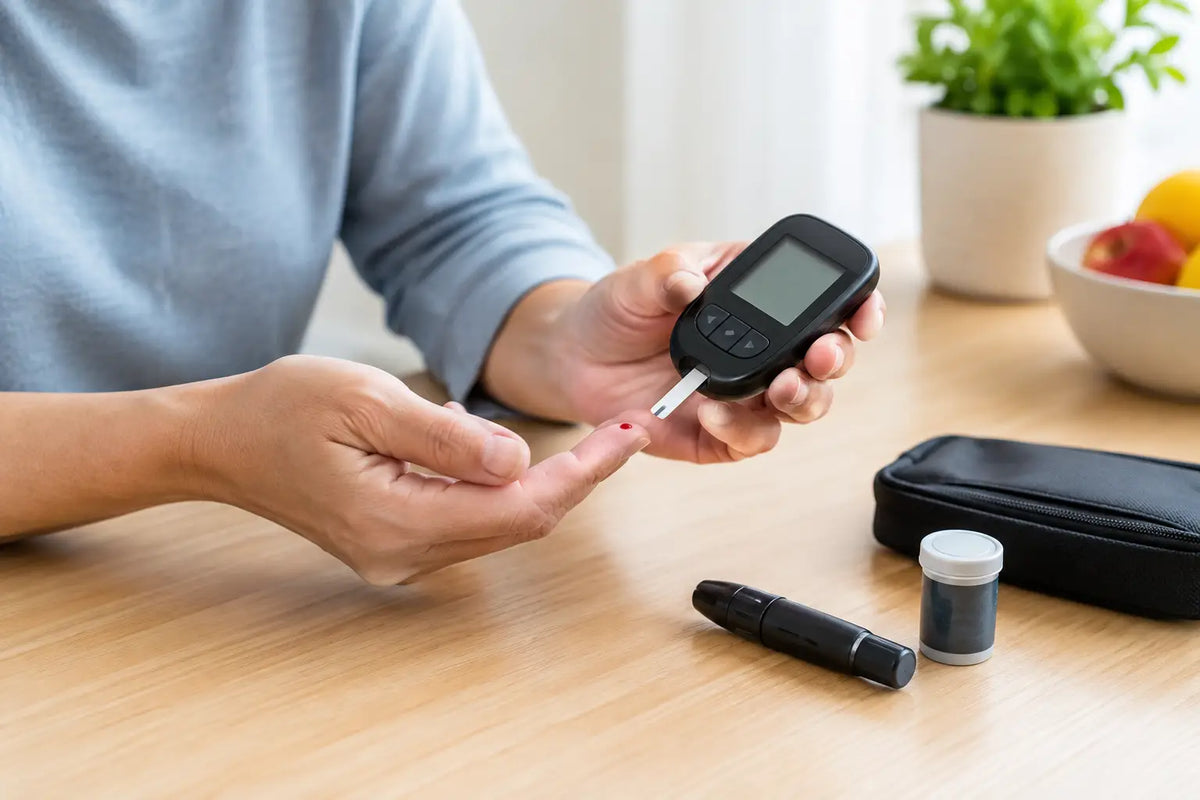
- Simple medication management tools, such as pill boxes or reminders
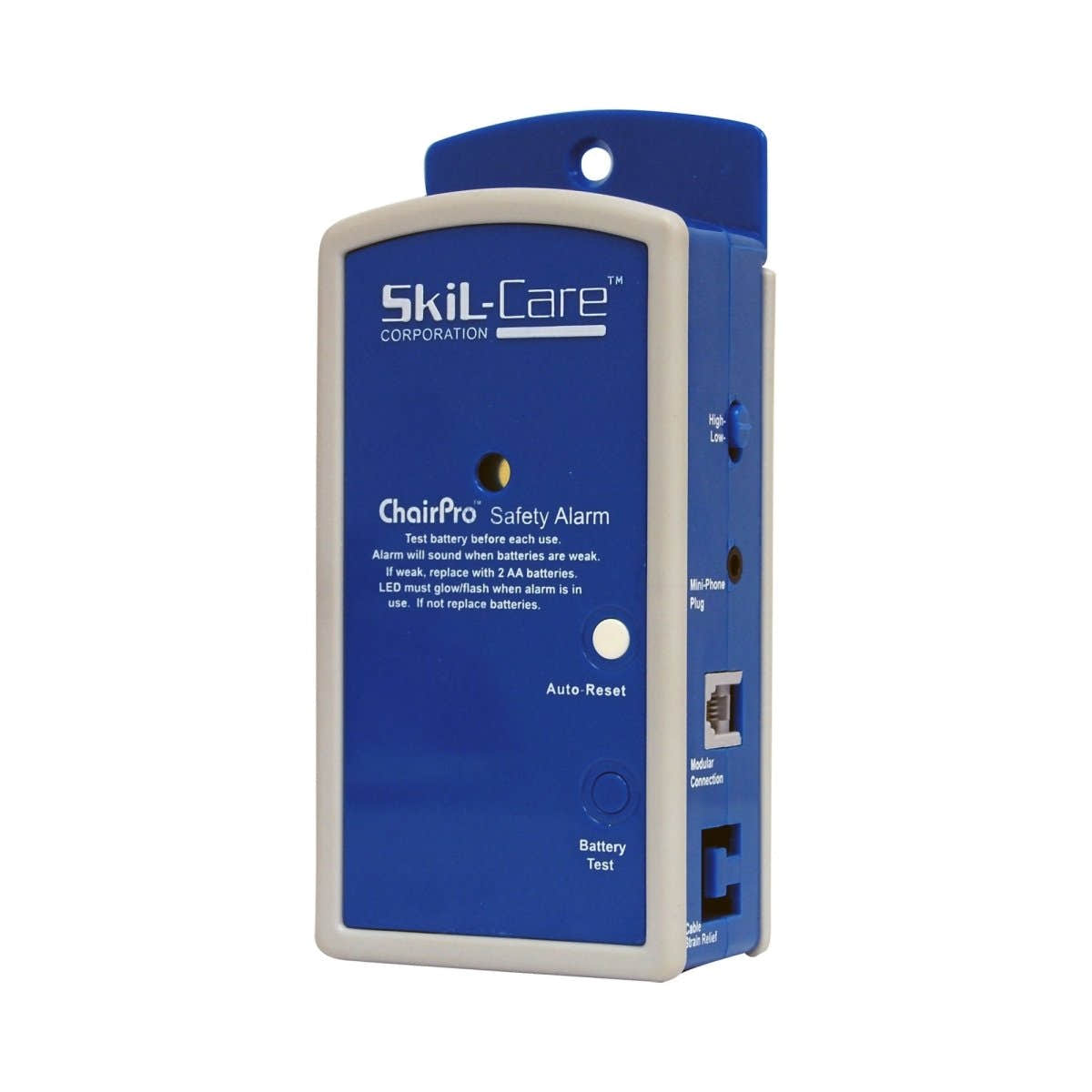
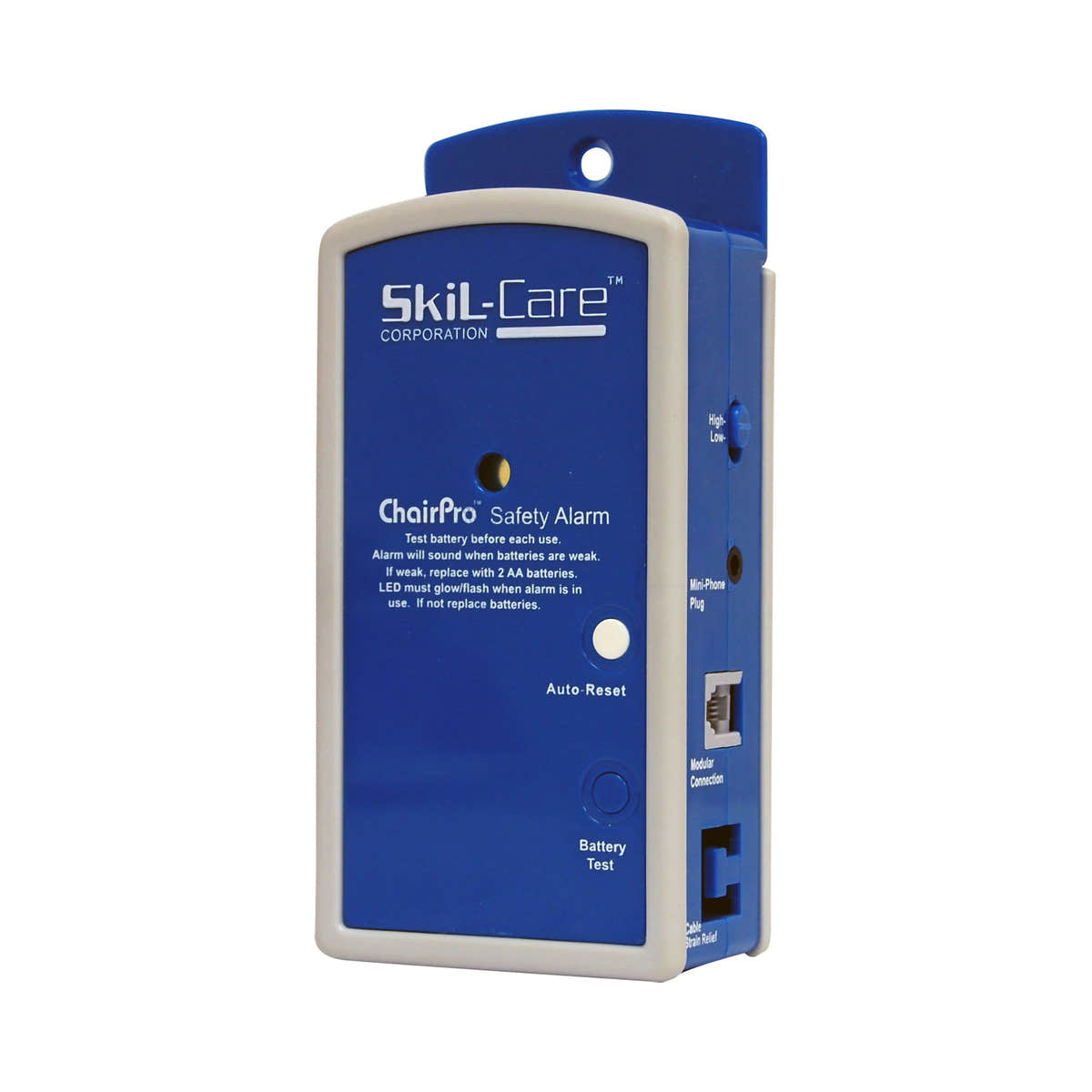
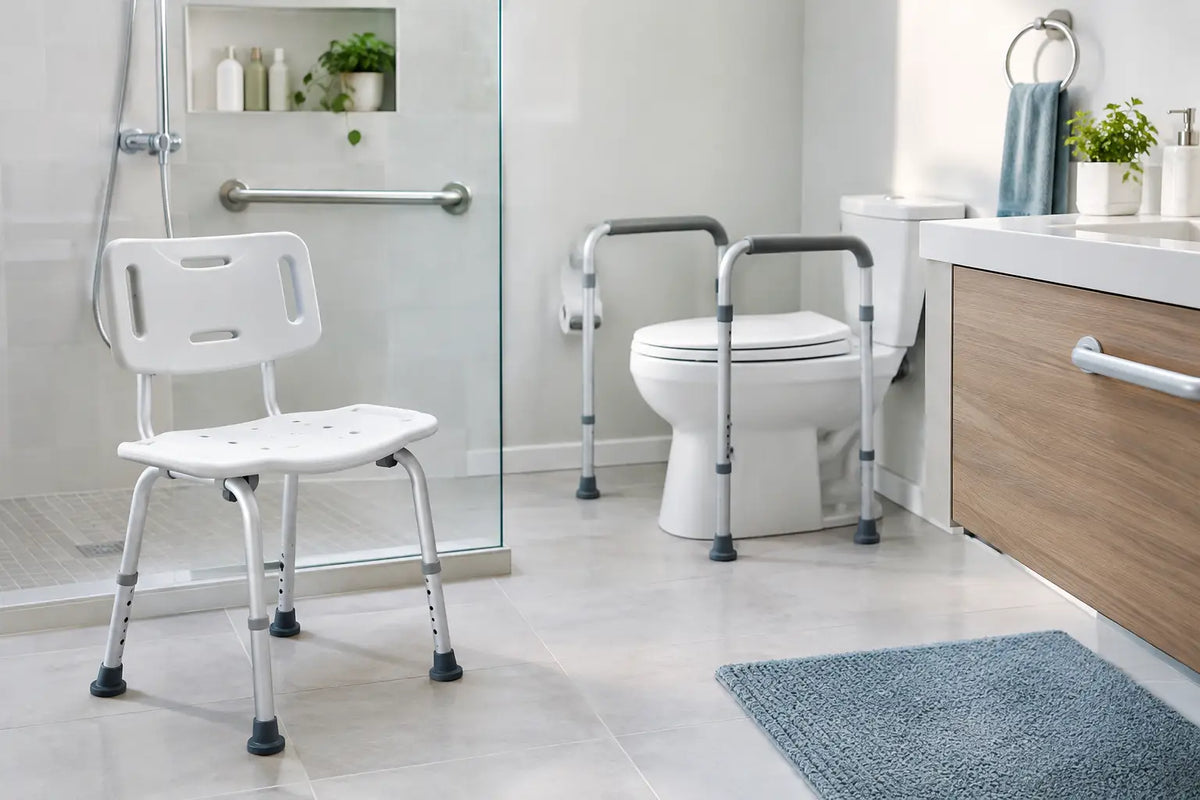
- Assistive devices, like grab bars or non-slip mats, to prevent falls
- Cognitive stimulation tools, like puzzles or games, to keep their mind active
These supplies can help your loved one maintain their independence and dignity, while also ensuring their safety and well-being.
Moderate-stage dementia care supplies
As dementia progresses to the moderate stage, your loved one may require more assistance with daily tasks. They may also experience increased confusion, agitation, and difficulty with communication. Some essential supplies for moderate-stage dementia care include:
- Daily living aids, such as bathing chairs or toilet seat risers, to make daily tasks easier
- Communication tools, like picture cards or simple phrases, to help them express their needs
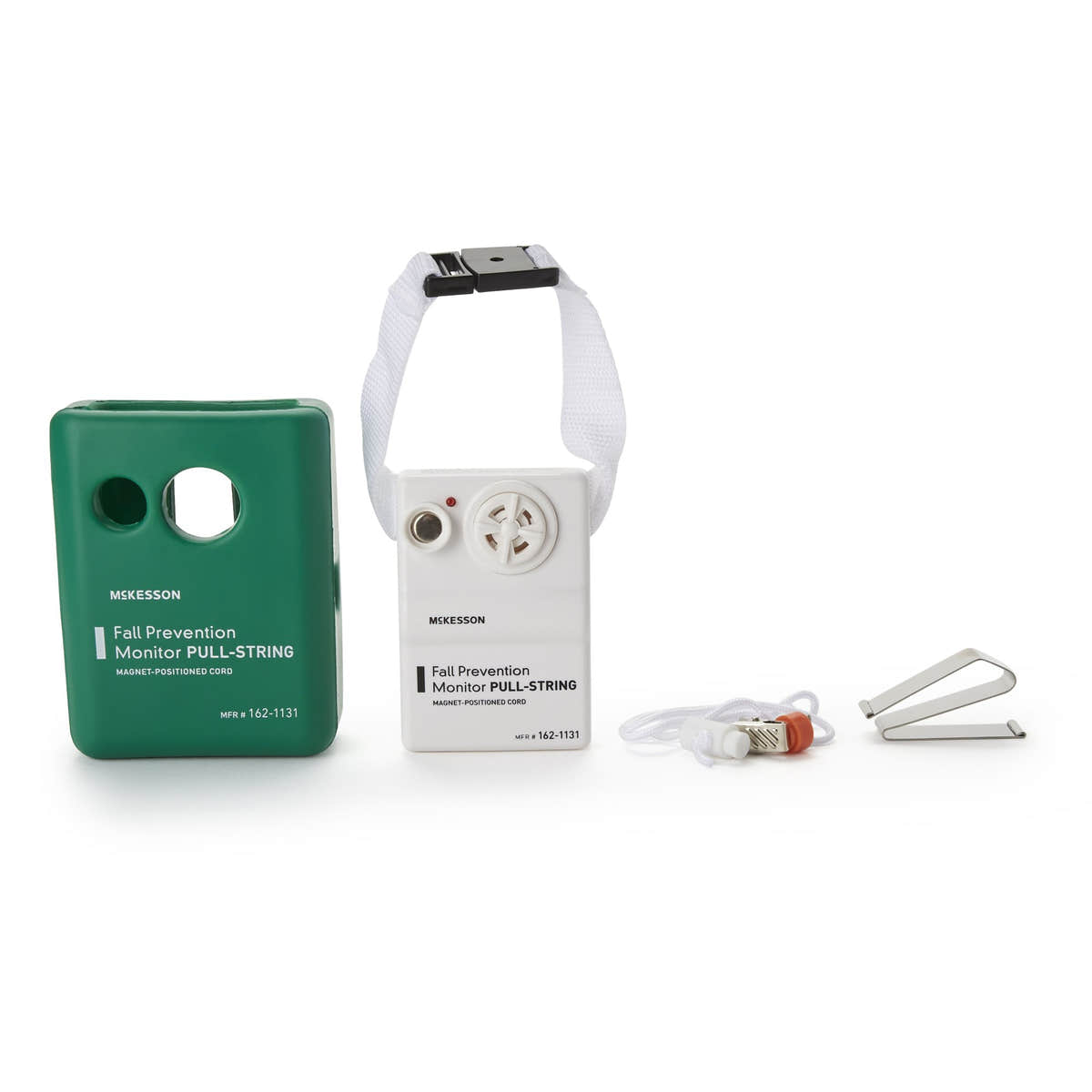
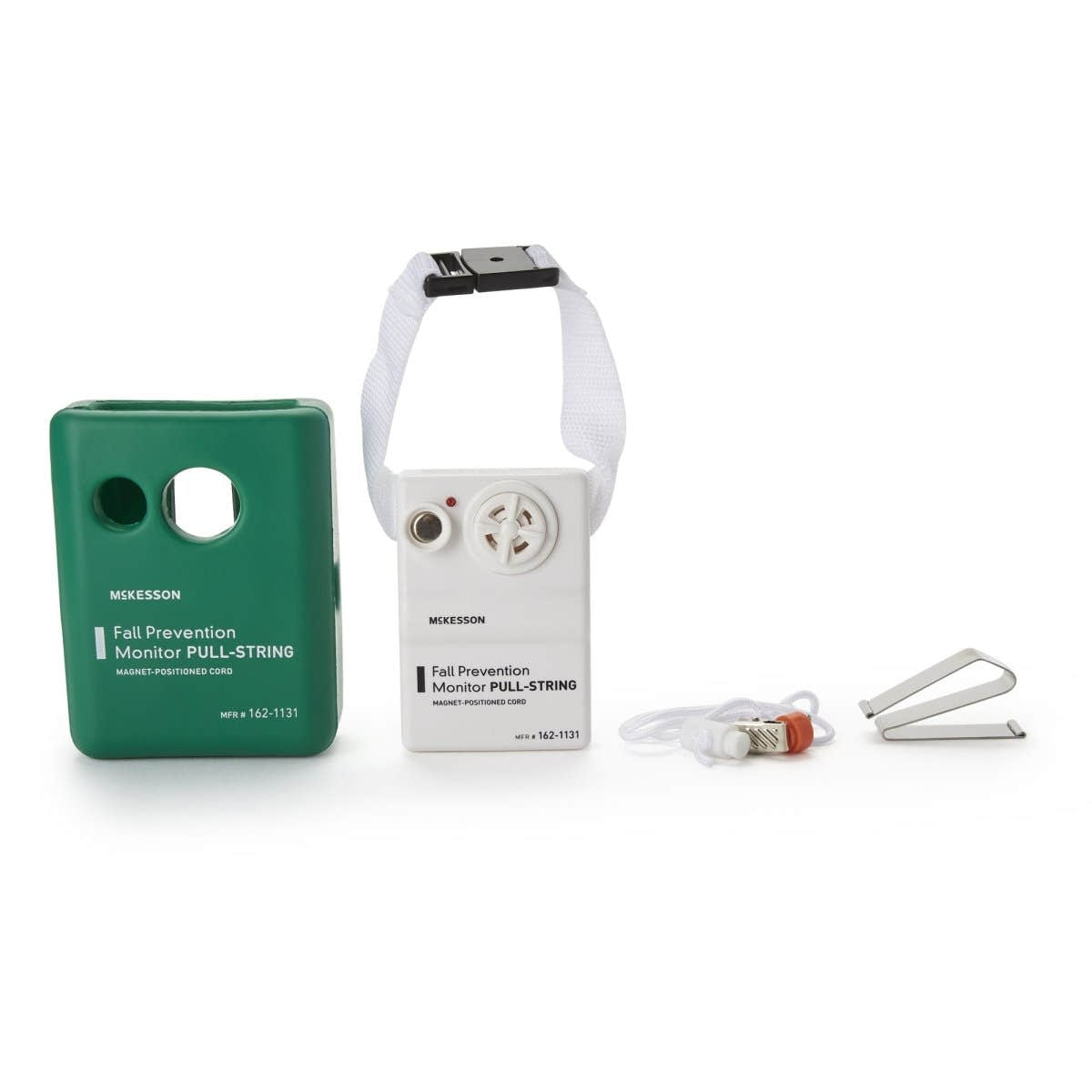
- Safety devices, like door alarms or GPS trackers, to prevent wandering
- Comfort items, like soft blankets or calming music, to reduce anxiety and stress
These supplies can help you provide the necessary support and care for your loved one, while also promoting their comfort and dignity.
Late-stage dementia care supplies
In the late stages of dementia, your loved one may require full-time care and assistance with all daily tasks. They may also experience significant physical and cognitive decline. Some essential supplies for late-stage dementia care include:
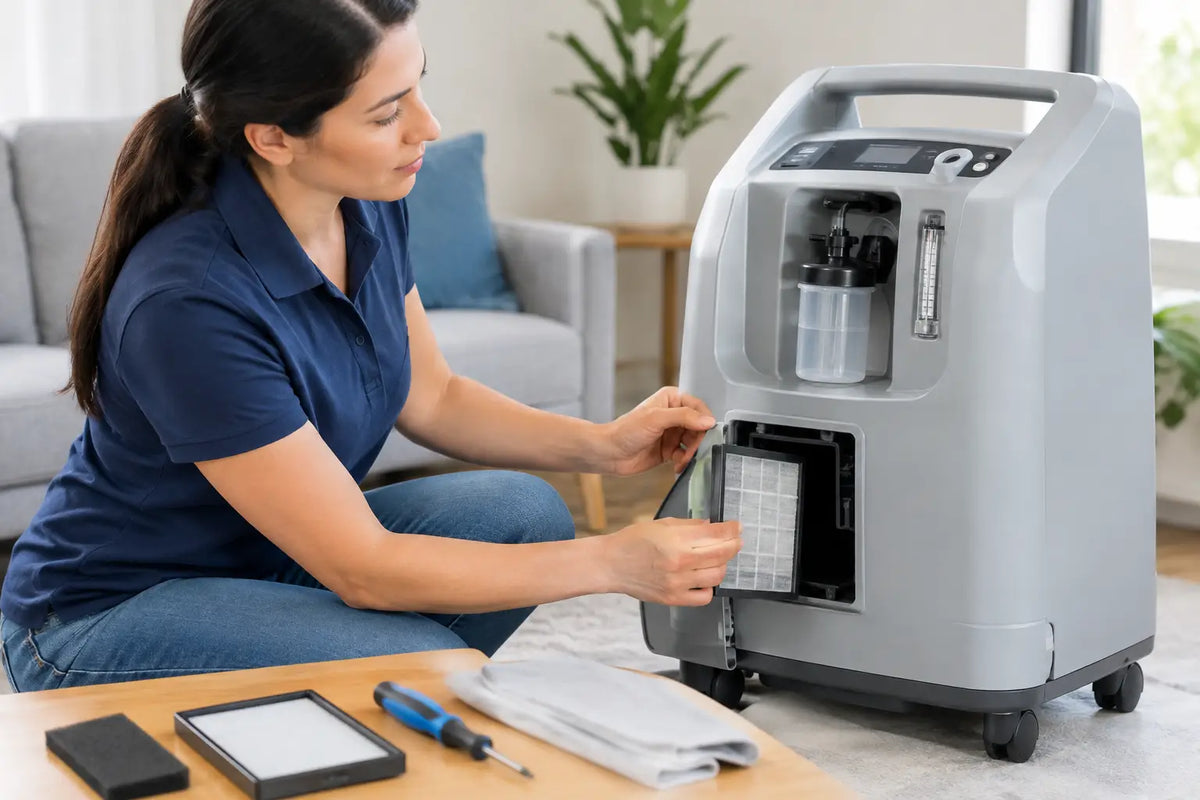
- Medical equipment, like hospital beds or wheelchairs, to ensure their safety and comfort
- Incontinence supplies, like adult diapers or bed pads, to maintain their dignity
- Feeding aids, like spoons or straws, to make mealtime easier
- Palliative care tools, like pain management medication or comfort measures, to reduce discomfort and stress
These supplies can help you provide the necessary care and support for your loved one, while also promoting their comfort and quality of life.
Prioritizing caregiver well-being
Caring for a loved one with dementia can be emotionally and physically demanding. It's essential to prioritize your own well-being and seek support when needed. According to the National Institute on Aging, caregivers who take care of themselves are better able to provide quality care for their loved ones. Some ways to prioritize your well-being include:
- Taking regular breaks and seeking respite care
- Connecting with support groups or online communities
- Engaging in self-care activities, like exercise or meditation
- Seeking professional help, like counseling or therapy, when needed
By prioritizing your own well-being, you can ensure that you're able to provide the best possible care for your loved one.
What are some essential supplies for dementia care?
Essential supplies for dementia care include daily living aids, communication tools, safety devices, and comfort items. You can find a variety of these products in our daily-living-aids collection.
How can I prioritize my own well-being as a caregiver?
Prioritizing your own well-being is crucial as a caregiver. You can take regular breaks, connect with support groups, engage in self-care activities, and seek professional help when needed.
What are the different stages of dementia?
The different stages of dementia include early-stage, moderate-stage, and late-stage. Each stage requires different levels of care and support, and having a Stage-by-stage supply guide for dementia care can help you navigate the challenges of each stage.
This article is for general educational purposes and is not medical advice. Always consult your healthcare provider for guidance specific to your situation.