As a caregiver for a loved one with dementia, it's essential to take steps to reduce their fall risk. According to the CDC, falls are a leading cause of injury and death among older adults, and individuals with dementia are at an increased risk due to cognitive and physical impairments. Reducing fall risk for a loved one with dementia requires a combination of environmental modifications, safety precautions, and careful planning. In this article, we'll provide a step-by-step guide on how to reduce fall risk and create a safer living environment for your loved one.
Assessing the Environment
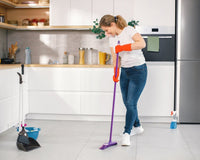
The first step in reducing fall risk is to assess the living environment for potential hazards. This includes removing tripping hazards such as rugs, cords, and clutter, and ensuring that the home is well-lit. According to the NIH, proper lighting can help reduce the risk of falls by allowing individuals to see obstacles and navigate their surroundings more easily. You'll also want to ensure that the home is equipped with safety aids such as handrails, non-slip mats, and a shower chair.
Creating a Safe Bathroom Environment
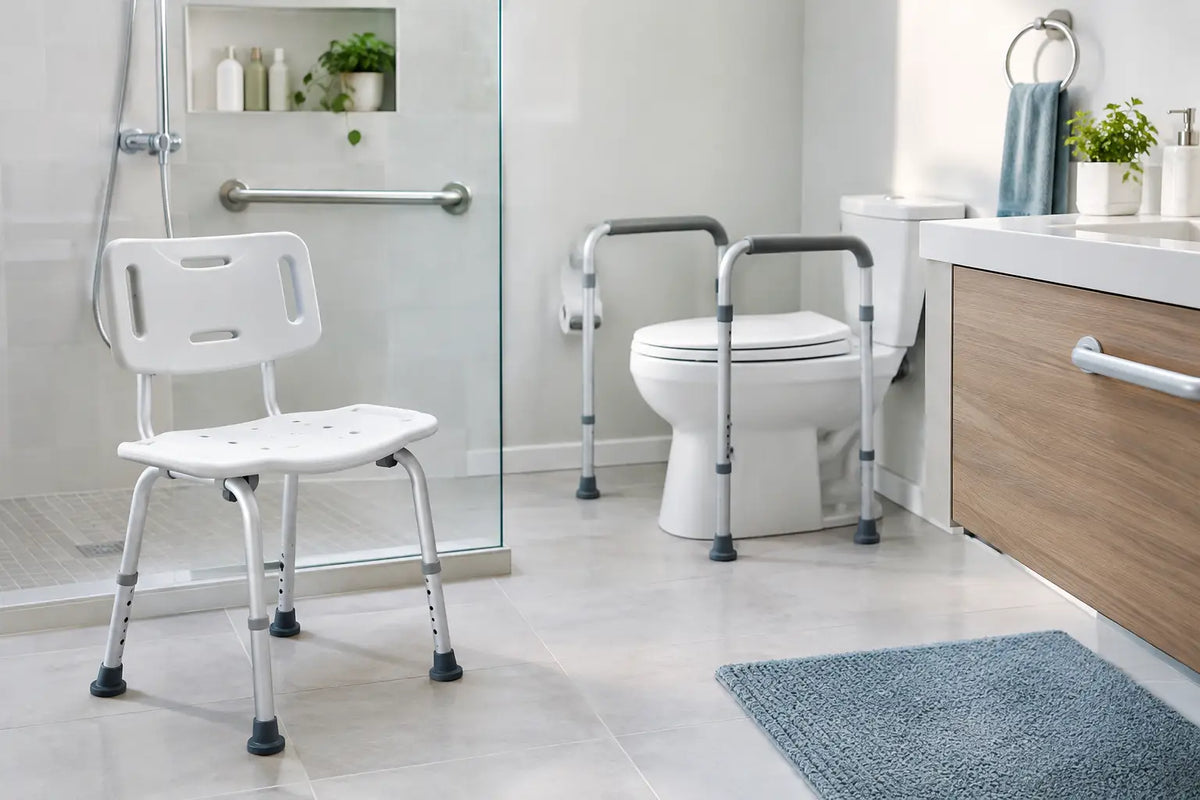
The bathroom can be a particularly hazardous area for individuals with dementia, as it often involves water, slippery surfaces, and sharp edges. To create a safe bathroom environment, you'll want to install grab bars near the toilet and shower, use non-slip mats or stickers in the bathtub or shower, and consider using a shower chair or bench. You can find a variety of safety aids, including safety-aids products, to help create a safer bathroom environment.
Developing a Care Plan
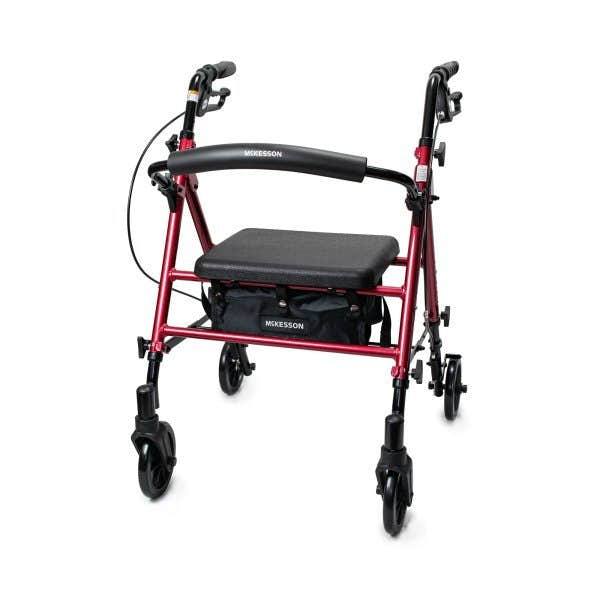
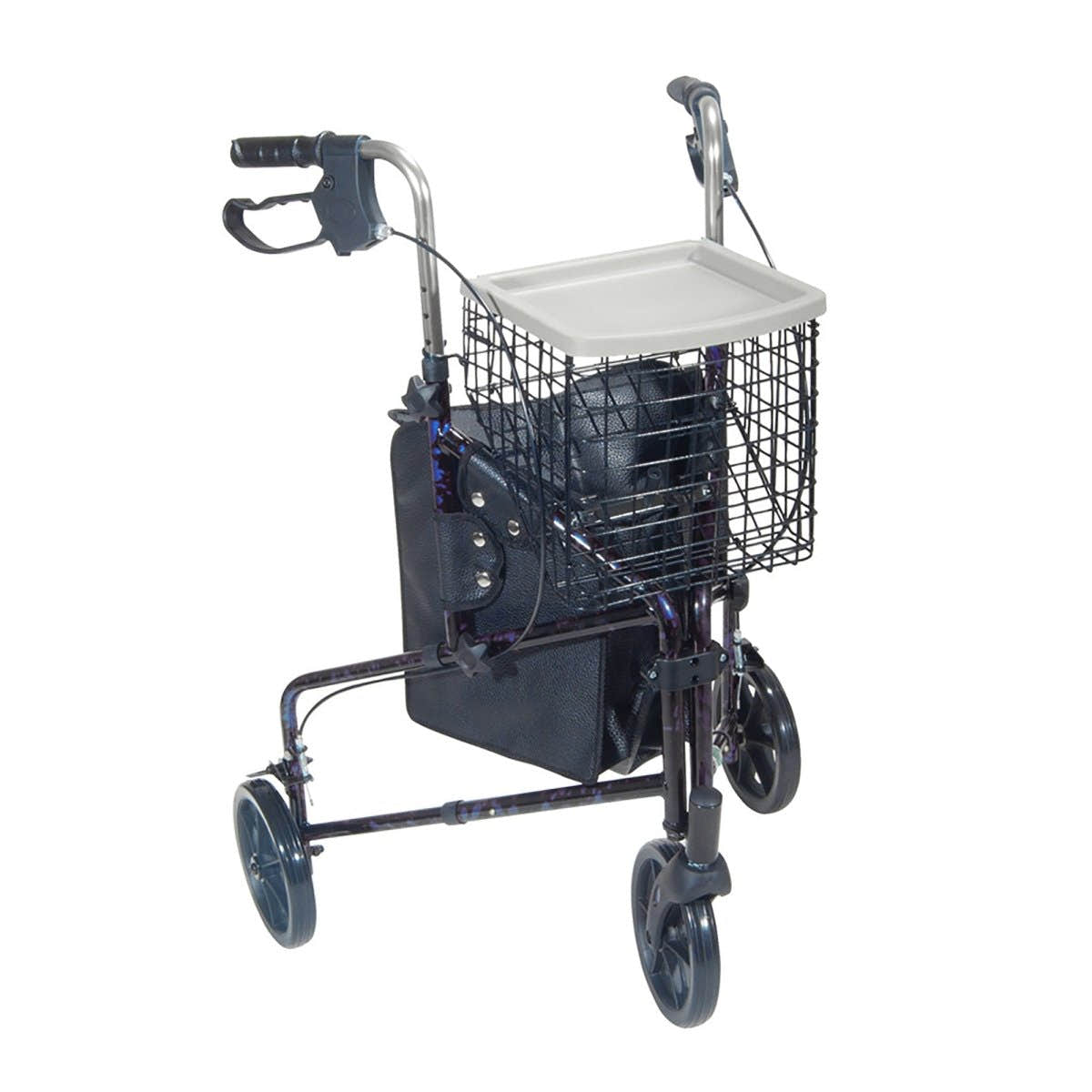
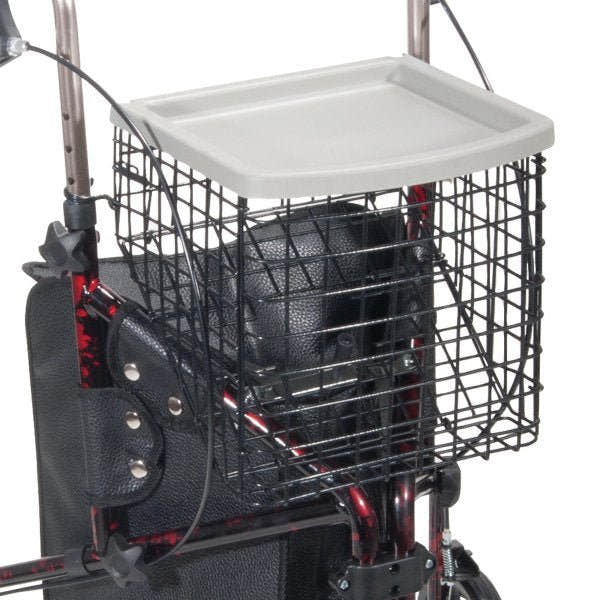
Developing a care plan is an essential step in reducing fall risk for a loved one with dementia. This includes creating a schedule for regular exercise and physical activity, as well as ensuring that your loved one is receiving regular medical check-ups and monitoring their medication. According to the ADA, regular exercise can help improve balance and reduce the risk of falls. You'll also want to ensure that your loved one is wearing proper footwear and using assistive devices such as canes or walkers as needed.
Monitoring and Responding to Falls
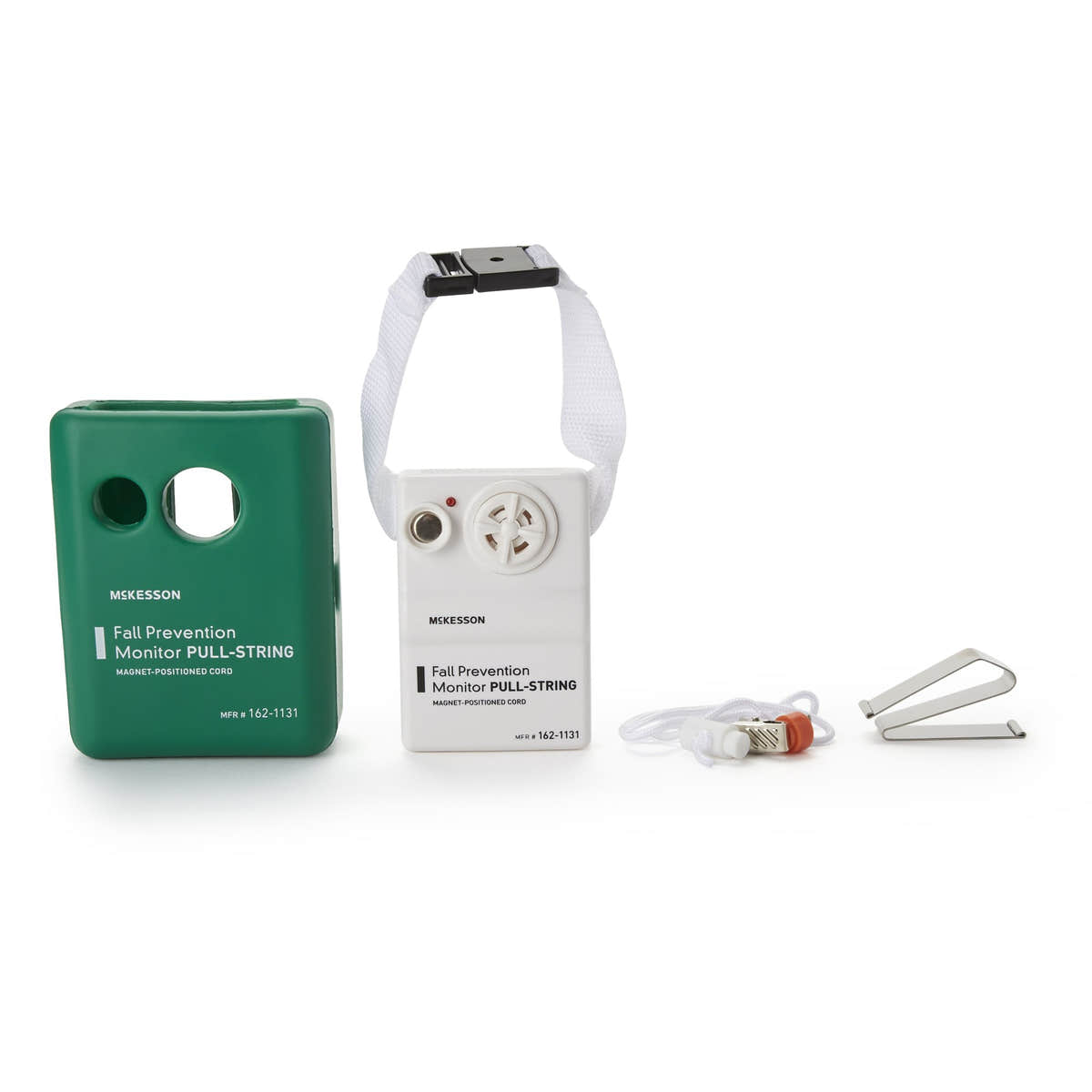
Despite your best efforts, falls can still occur. It's essential to have a plan in place for responding to falls, including knowing how to properly lift and move your loved one, and having a first aid kit on hand. If your loved one experiences a fall, it's essential to seek medical attention immediately, especially if they've hit their head or are experiencing pain or difficulty moving. According to the CDC, prompt medical attention can help prevent more serious injuries and complications.
Common Mistakes to Avoid
When it comes to reducing fall risk for a loved one with dementia, there are several common mistakes to avoid. These include underestimating the risk of falls, failing to create a safe living environment, and not developing a care plan. It's also essential to avoid rushing or hurrying your loved one, as this can increase their risk of falls. Instead, encourage them to take their time and use assistive devices as needed.
What are some common signs that my loved one with dementia is at risk for falls?
Common signs that your loved one with dementia is at risk for falls include difficulty with balance and walking, dizziness or lightheadedness, and a history of previous falls. If you notice any of these signs, it's essential to take steps to reduce their fall risk and create a safer living environment.
How can I create a safe and supportive environment for my loved one with dementia?
Creating a safe and supportive environment for your loved one with dementia involves removing tripping hazards, ensuring proper lighting, and installing safety aids such as handrails and non-slip mats. You'll also want to encourage regular exercise and physical activity, and develop a care plan that includes regular medical check-ups and monitoring their medication.
What should I do if my loved one with dementia experiences a fall?
If your loved one with dementia experiences a fall, it's essential to seek medical attention immediately, especially if they've hit their head or are experiencing pain or difficulty moving. You'll also want to have a plan in place for responding to falls, including knowing how to properly lift and move your loved one, and having a first aid kit on hand.
This article is for general educational purposes and is not medical advice. Always consult your healthcare provider for guidance specific to your situation.