As a caregiver for a loved one with dementia, one of the most significant concerns is wandering. According to the Alzheimer's Association, approximately 60% of people with dementia will wander at some point. Wandering prevention and monitoring options are essential to ensure the safety and well-being of individuals with dementia. In this article, we will explore the different types of wandering prevention and monitoring options available, their features, and how to choose the right product for your needs.
Understanding Wandering in Dementia
Wandering in dementia is a common behavior that can be caused by a variety of factors, including confusion, disorientation, and agitation. It can be triggered by changes in the environment, such as moving to a new home or care facility, or by medical conditions, such as pain or infection. The Centers for Disease Control and Prevention (CDC) recommend that caregivers take steps to prevent wandering, including creating a safe and supportive environment, using visual cues and reminders, and monitoring the individual's whereabouts.
Types of Wandering Prevention and Monitoring Options
There are several types of wandering prevention and monitoring options available, including:
- GPS tracking devices: These devices use GPS technology to track the individual's location and can be worn as a watch, pendant, or clipped to clothing.
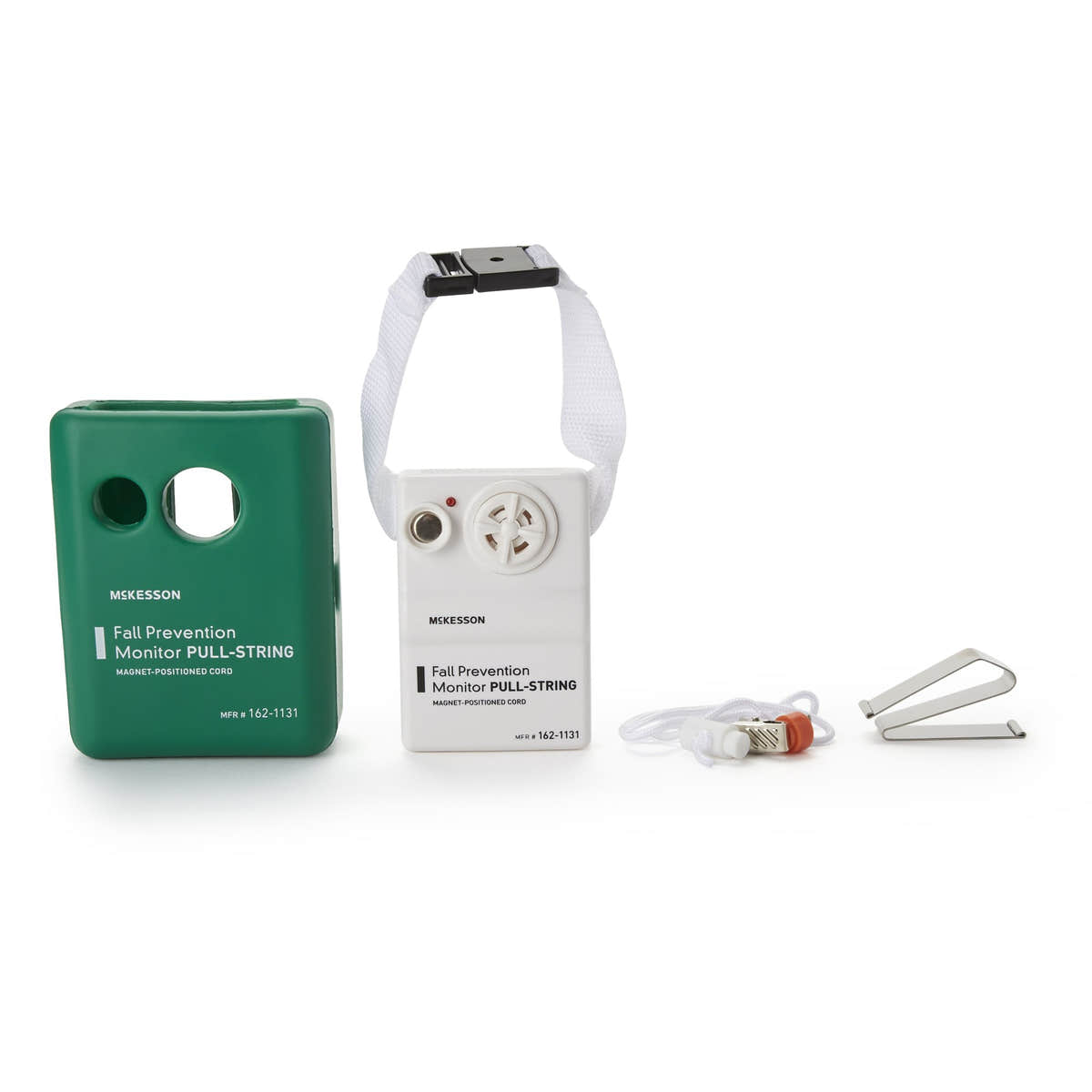
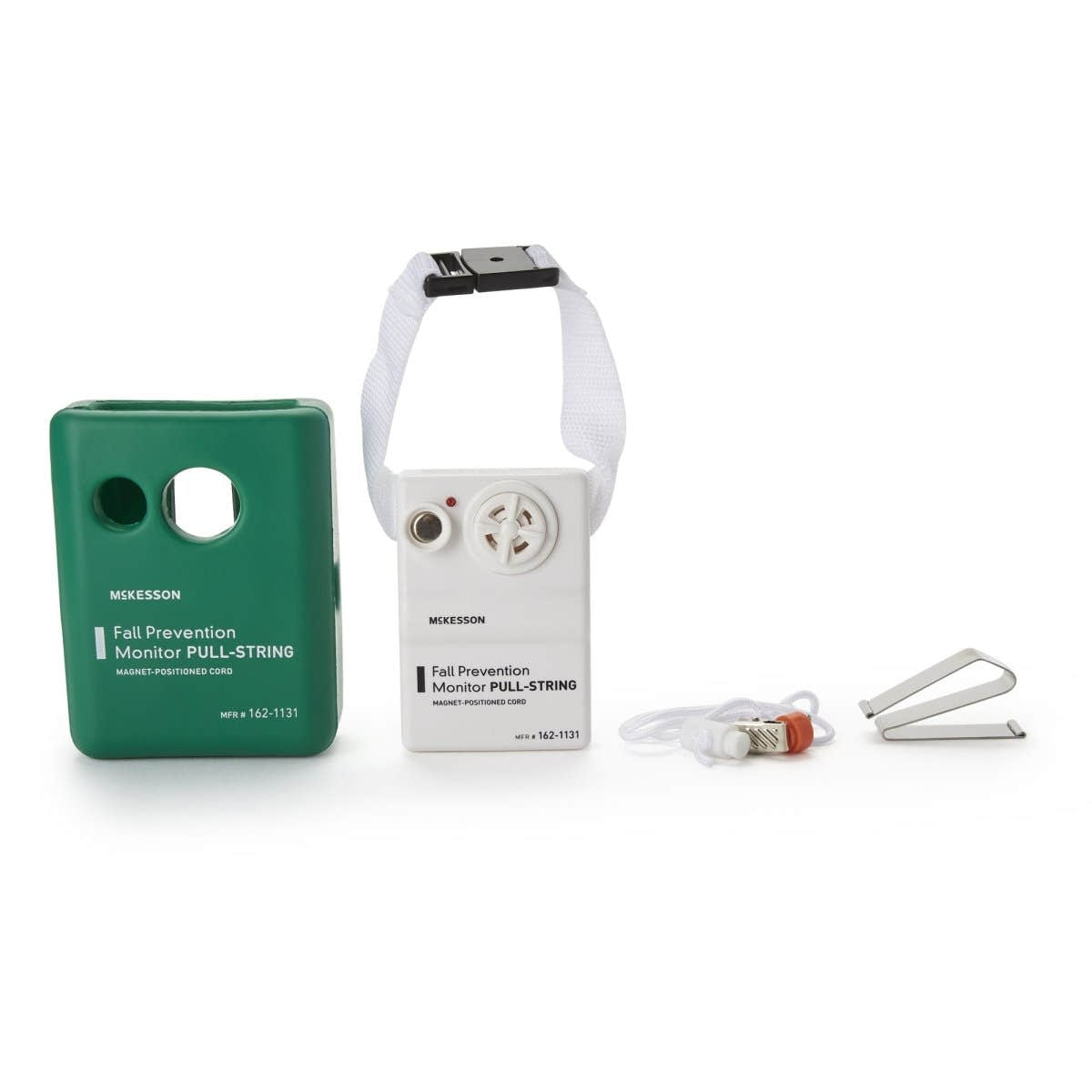
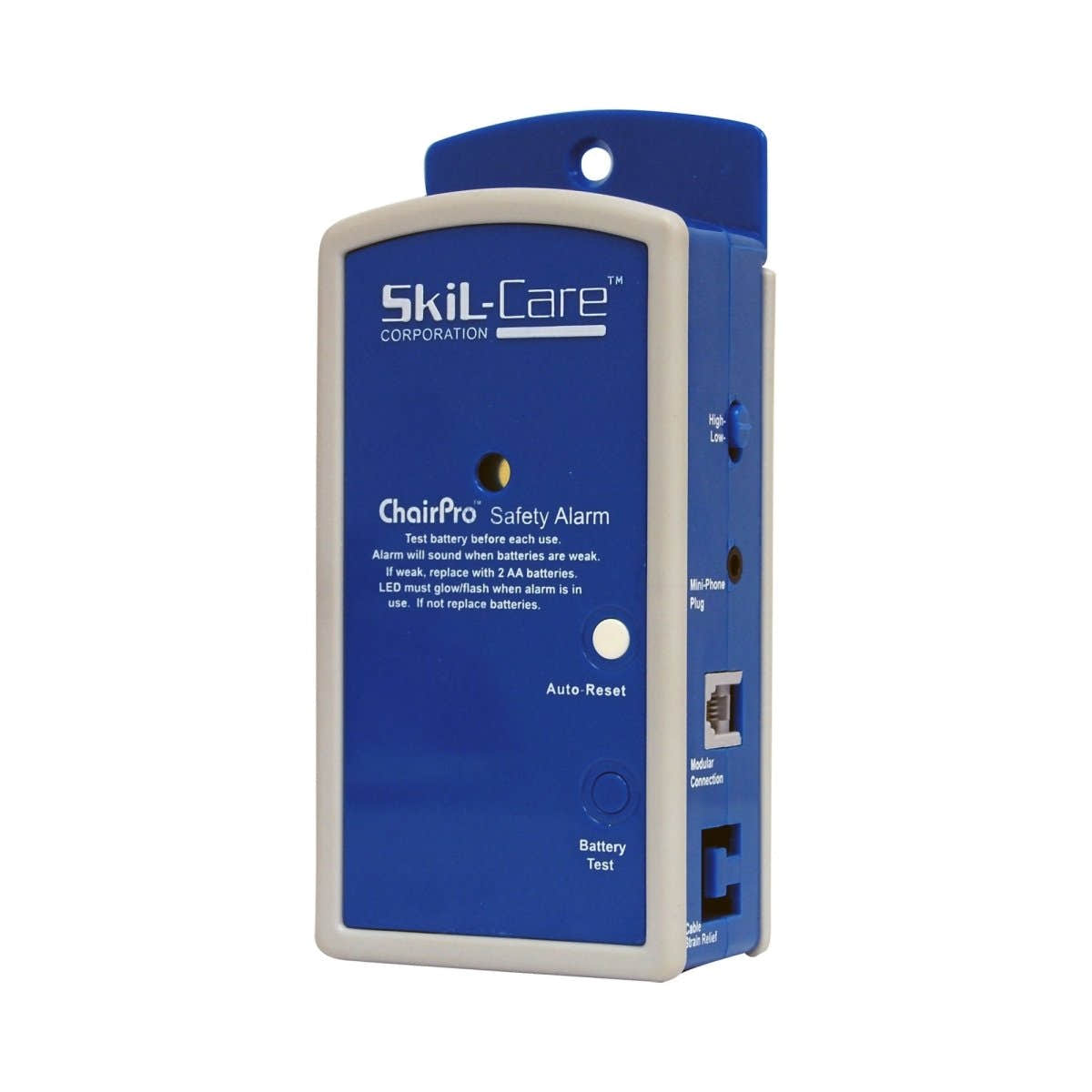
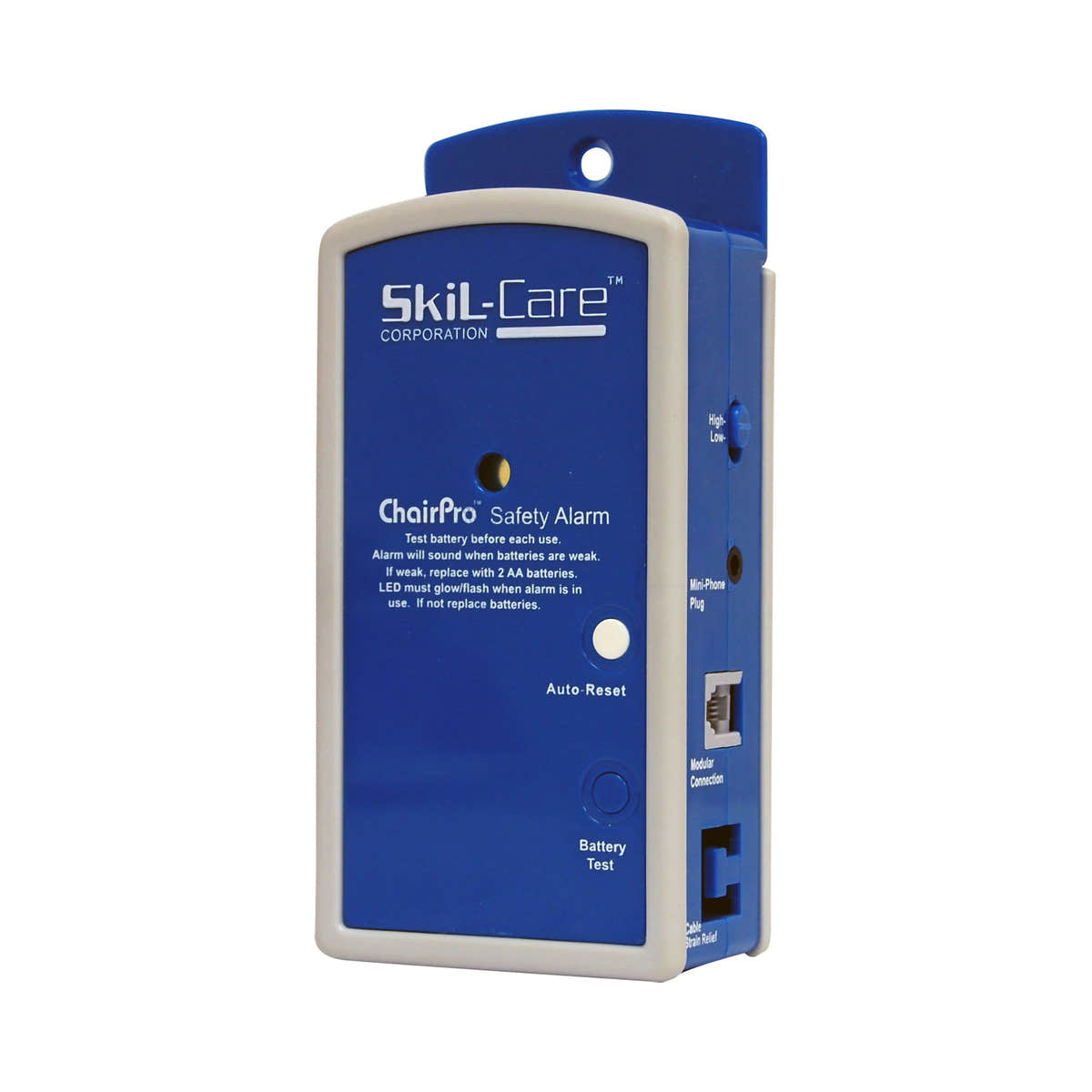
- Wander alarms: These alarms are designed to alert caregivers when an individual with dementia attempts to leave a designated area.
- Door and window sensors: These sensors can be installed on doors and windows to alert caregivers when an individual with dementia attempts to leave the home.
- Camera monitoring systems: These systems use cameras to monitor the individual's whereabouts and can be used in conjunction with other wandering prevention and monitoring options.
When choosing a wandering prevention and monitoring option, it's essential to consider the individual's specific needs and the level of care they require. For example, a GPS tracking device may be suitable for an individual who is able to wander away from the home, while a wander alarm may be more suitable for an individual who is at risk of wandering within the home.
Features to Consider When Choosing a Wandering Prevention and Monitoring Option
When choosing a wandering prevention and monitoring option, there are several features to consider, including:
- Accuracy and reliability: The device should be able to accurately track the individual's location and alert caregivers in a timely manner.
- Ease of use: The device should be easy to use and require minimal technical expertise.
- Comfort and wearability: The device should be comfortable to wear and not cause any discomfort or skin irritation.
- Battery life: The device should have a long battery life to minimize the need for recharging or replacement.
It's also essential to consider the cost of the device and any ongoing subscription fees. Some devices may require a monthly or annual subscription fee to access tracking data or receive alerts.
Matching the Product to Your Needs
To match the product to your needs, consider the following scenarios:
- If the individual with dementia is able to wander away from the home, a GPS tracking device may be the most suitable option.
- If the individual with dementia is at risk of wandering within the home, a wander alarm or door and window sensors may be the most suitable option.
- If the individual with dementia requires ongoing monitoring, a camera monitoring system may be the most suitable option.
Our monitoring product collection includes a range of wandering prevention and monitoring options, including GPS tracking devices, wander alarms, and door and window sensors. These products can help caregivers to ensure the safety and well-being of individuals with dementia and provide peace of mind.
What is wandering in dementia?
Wandering in dementia is a common behavior that can be caused by a variety of factors, including confusion, disorientation, and agitation.
How can I prevent wandering in dementia?
According to the CDC, caregivers can take steps to prevent wandering, including creating a safe and supportive environment, using visual cues and reminders, and monitoring the individual's whereabouts.
What are the different types of wandering prevention and monitoring options available?
There are several types of wandering prevention and monitoring options available, including GPS tracking devices, wander alarms, door and window sensors, and camera monitoring systems.
This article is for general educational purposes and is not medical advice. Always consult your healthcare provider for guidance specific to your situation.