Caring for a loved one with dementia can be a rewarding yet challenging experience. As a family caregiver, it's essential to prioritize Caregiver self-care while supporting someone with dementia to maintain your physical, emotional, and mental well-being. According to the CDC, caregivers who take care of themselves are better equipped to provide high-quality care to their loved ones. In this guide, we'll explore practical tips and strategies to help you balance your caregiving responsibilities with your own self-care needs.
Understanding the Importance of Self-Care
Caregiving can be a demanding and stressful experience, especially when supporting someone with dementia. The National Institute on Aging (NIA) notes that caregivers are at risk of developing anxiety, depression, and other mental health issues if they don't prioritize their own self-care. By taking care of yourself, you can reduce your risk of burnout, improve your relationships with your loved one and others, and enhance your overall quality of life.
Practical Routine and Supplies
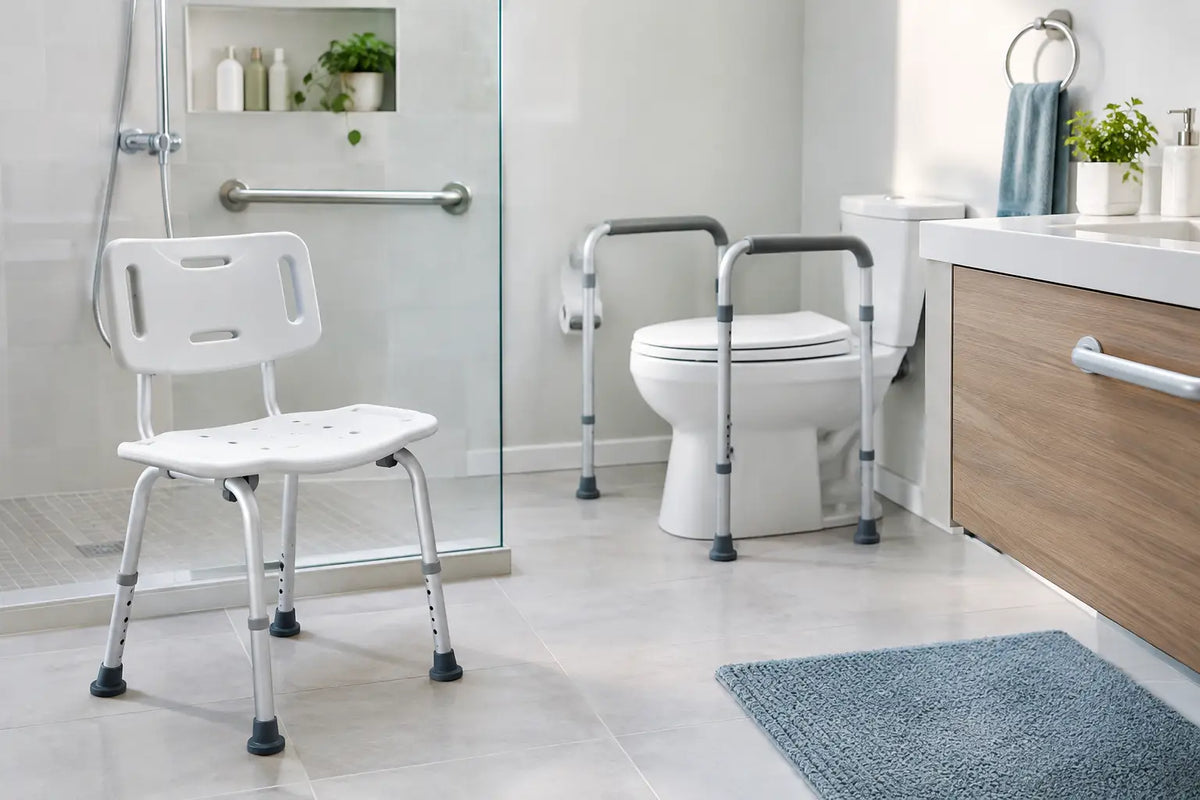
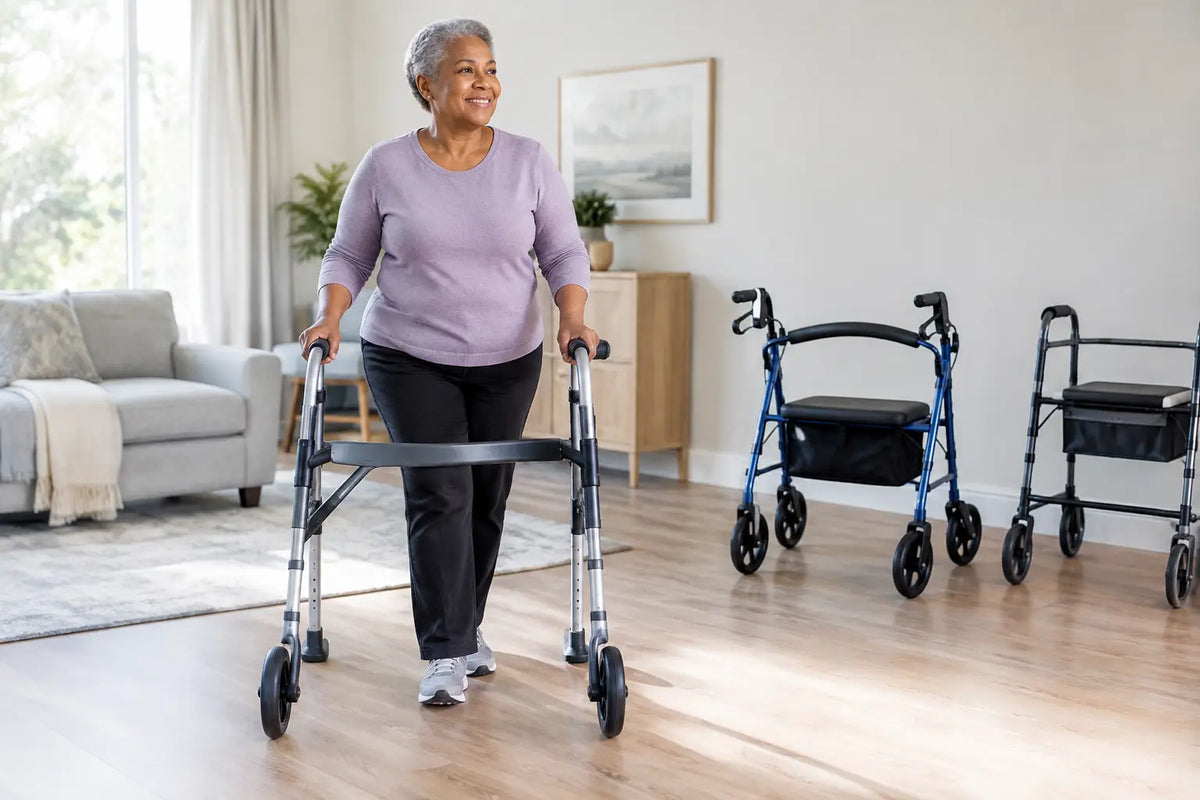
Establishing a daily routine can help you stay organized and focused as a caregiver. This can include scheduling regular breaks, exercising, and engaging in activities that bring you joy. Having the right supplies can also make a significant difference in your caregiving experience. Daily living aids, such as bathing equipment, mobility aids, and incontinence products, can help you support your loved one's daily needs while maintaining their dignity and comfort. You can find a range of these products in our daily living aids collection.
Promoting Dignity and Comfort
Promoting dignity and comfort is essential when caring for someone with dementia. This can involve creating a safe and supportive environment, encouraging social interaction, and respecting your loved one's autonomy and individuality. According to the Alzheimer's Association, person-centered care approaches can help reduce stress and anxiety in people with dementia, leading to improved overall well-being.
Safety Considerations
Ensuring your loved one's safety is a top priority when caring for someone with dementia. This can involve removing hazards from the home environment, installing safety equipment such as grab bars and non-slip mats, and supervising your loved one during daily activities. The CDC recommends that caregivers take steps to prevent falls, wandering, and other safety risks associated with dementia.
Caregiver Well-Being
Caregiver well-being is critical to providing high-quality care to your loved one. This can involve seeking support from family, friends, and healthcare professionals, engaging in stress-reducing activities, and prioritizing your own physical and emotional health. Caregiver self-care while supporting someone with dementia is not a luxury, but a necessity. By taking care of yourself, you can maintain your energy, motivation, and overall well-being, leading to a more positive and rewarding caregiving experience.
What are some common challenges faced by caregivers of people with dementia?
Common challenges faced by caregivers of people with dementia include managing behavioral symptoms, providing emotional support, and balancing caregiving responsibilities with other aspects of life.
How can I prioritize my own self-care as a caregiver?
Prioritizing your own self-care as a caregiver involves scheduling regular breaks, engaging in activities that bring you joy, and seeking support from family, friends, and healthcare professionals.
What resources are available to support caregivers of people with dementia?
Resources available to support caregivers of people with dementia include online support groups, educational programs, and respite care services. You can also find a range of daily living aids and other products to support your caregiving needs in our daily living aids collection.
This article is for general educational purposes and is not medical advice. Always consult your healthcare provider for guidance specific to your situation.