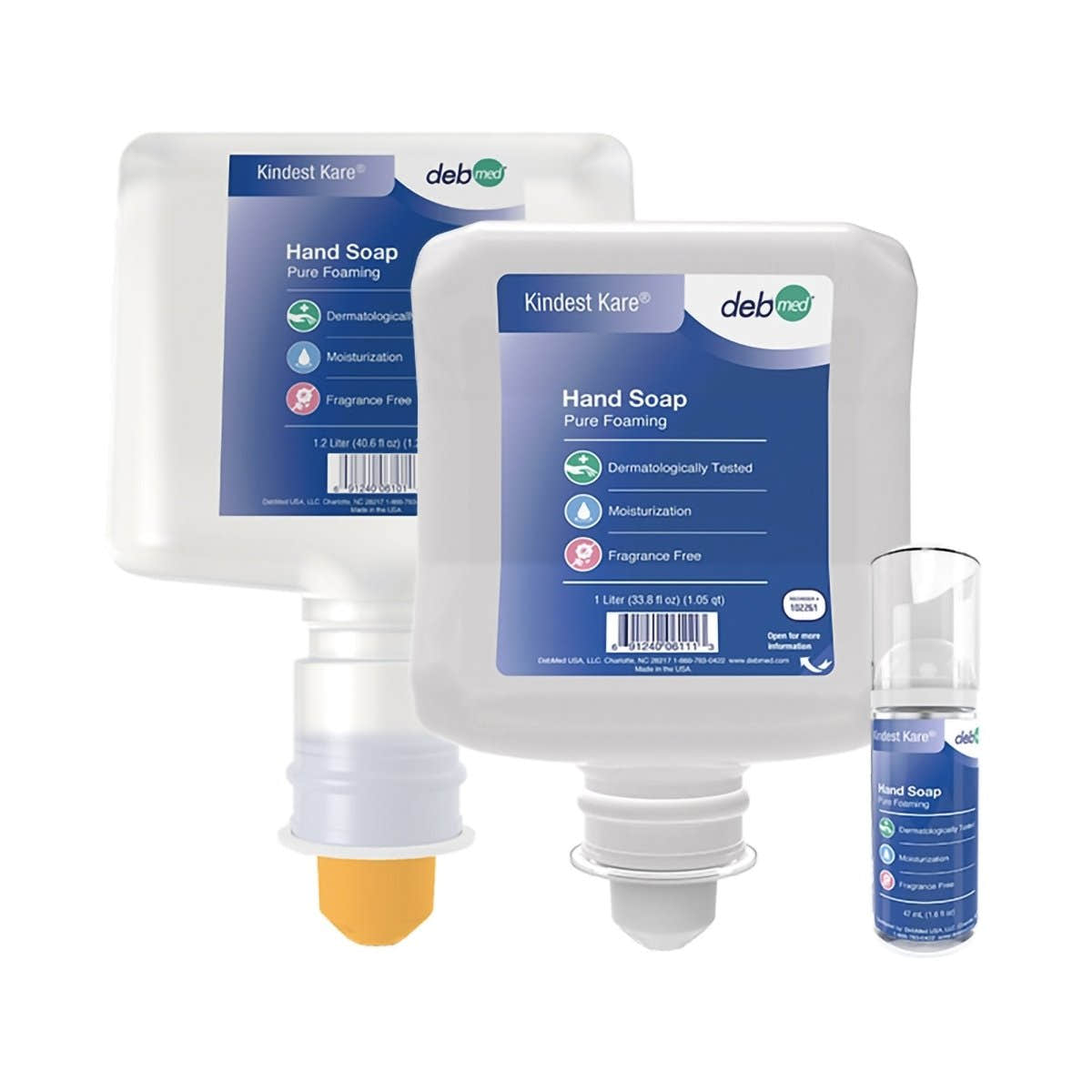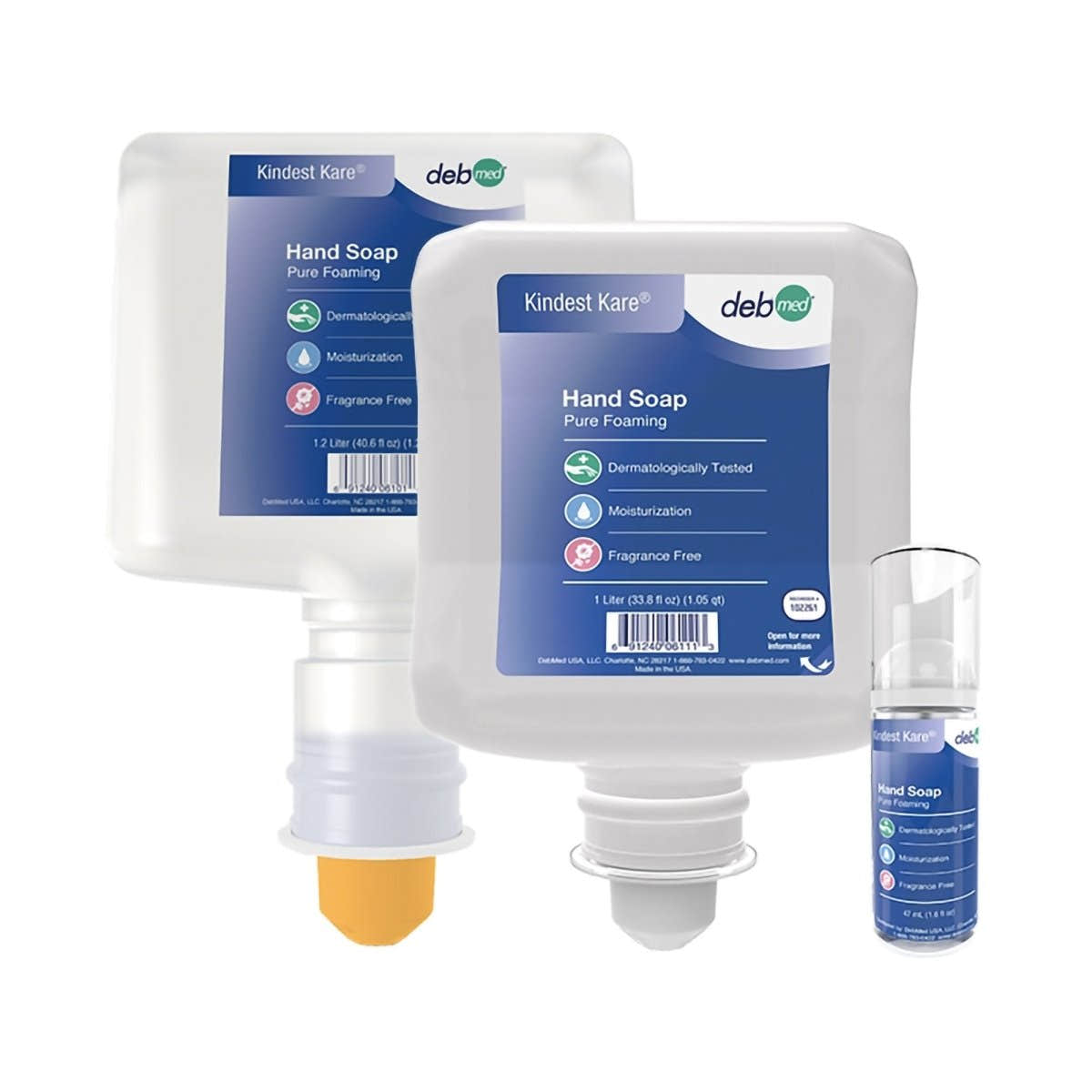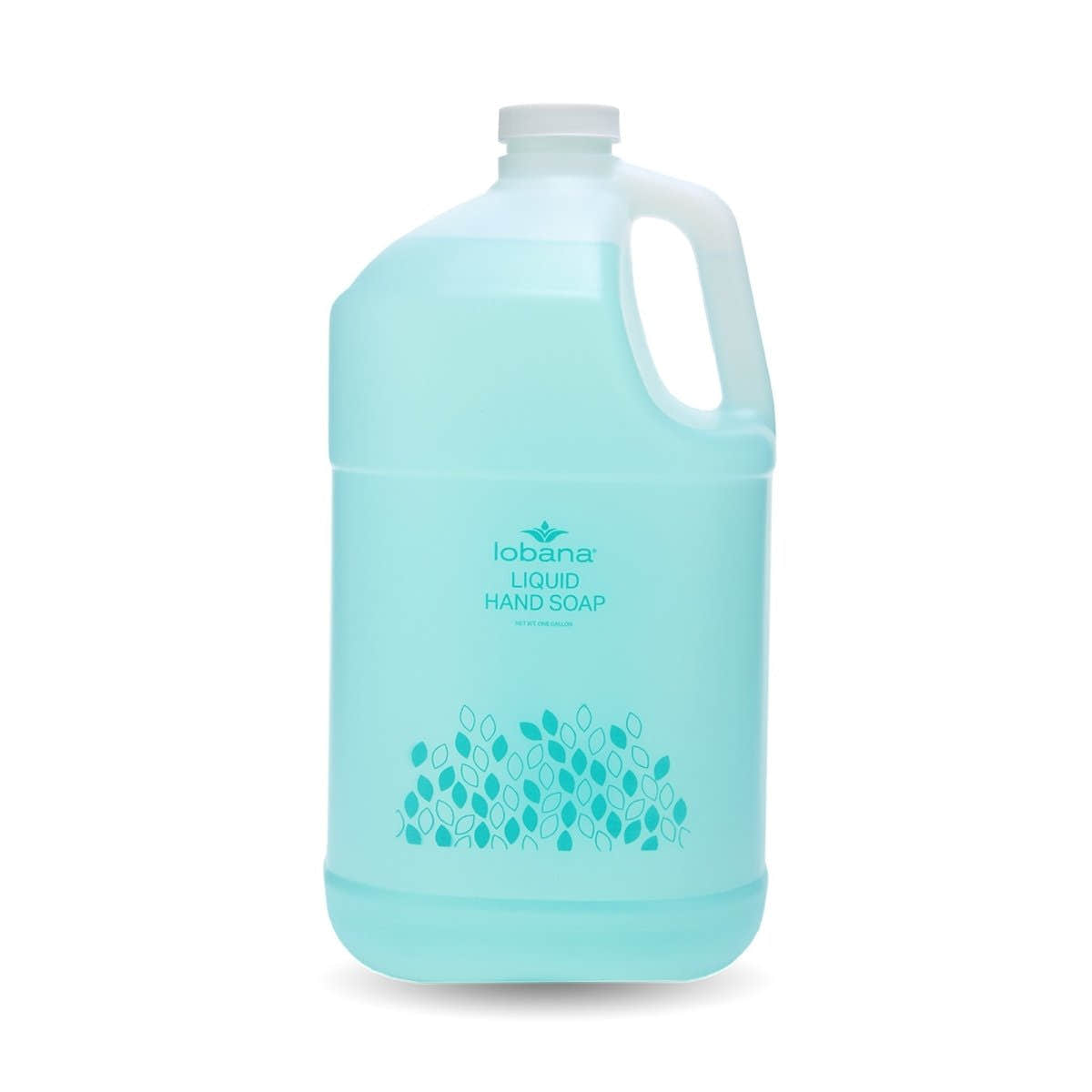
Caring for a loved one with dementia can be challenging, but having the right supplies can make a significant difference. According to the CDC, dementia affects millions of people worldwide, and caregivers play a vital role in their daily care. In this article, we will answer some of the most common questions about dementia caregiving supplies, including what types of products are available and how they can help. If you're looking for daily living aids to support your caregiving journey, consider exploring our collection of daily-living-aids, which includes products such as bath safety equipment, mobility aids, and incontinence supplies.
What are some essential dementia caregiving supplies?
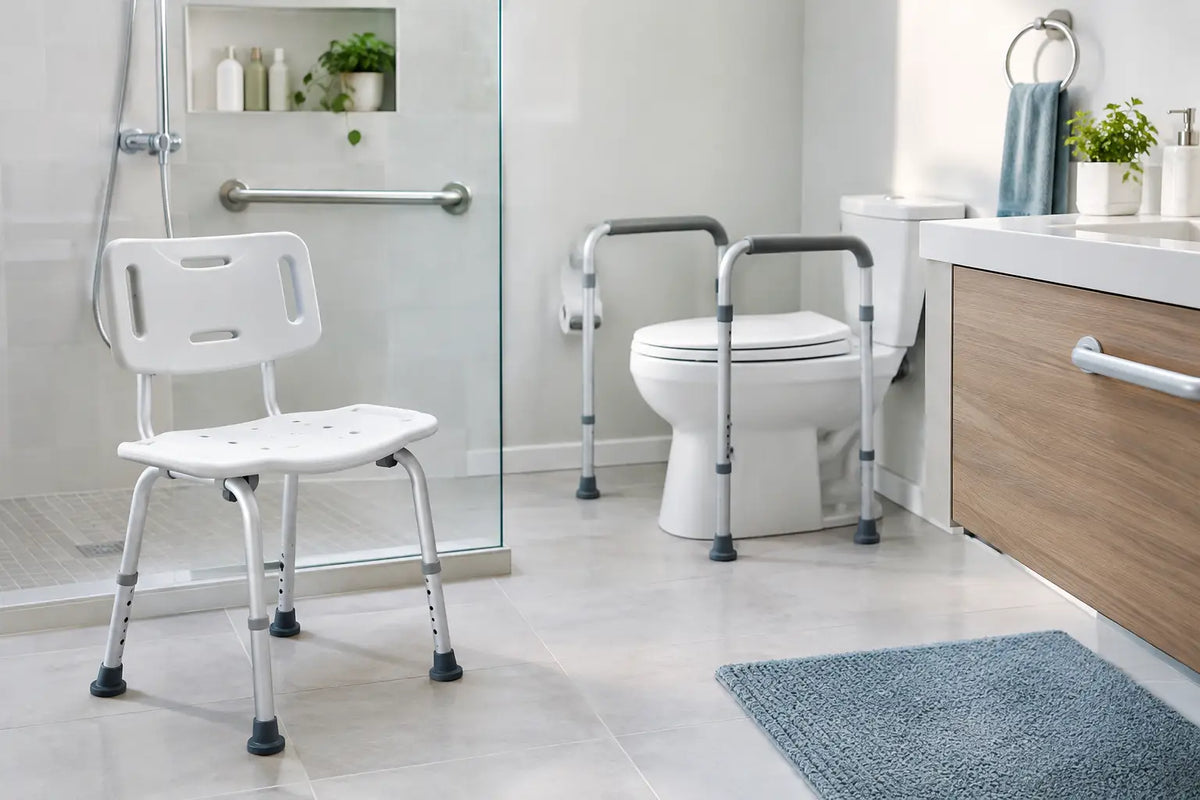
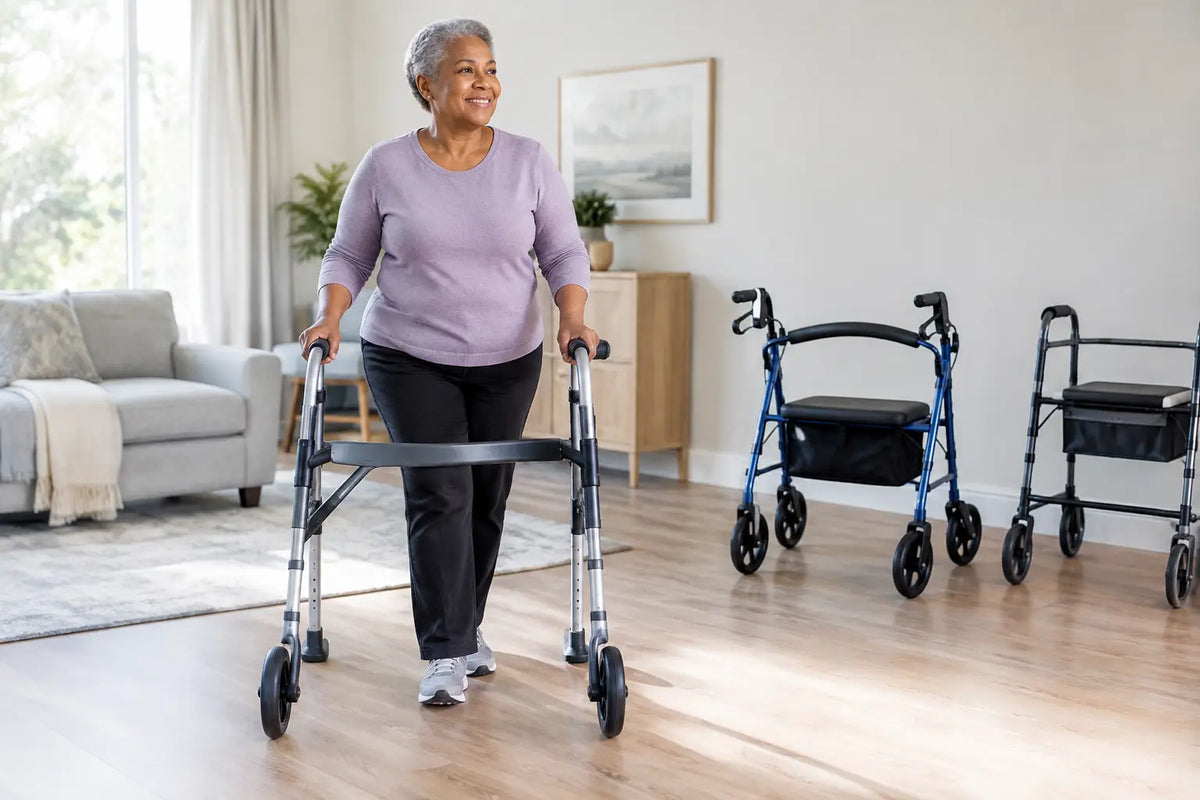
Some essential dementia caregiving supplies include bathing and toileting aids, such as grab bars and shower chairs, as well as mobility aids like wheelchairs and walkers. According to the National Institute on Aging, these types of products can help prevent accidents and injuries, while also promoting independence and dignity.
How can I create a safe environment for my loved one with dementia?
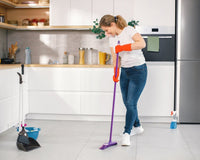
Creating a safe environment for your loved one with dementia involves removing hazards, such as tripping hazards and sharp objects, and installing safety devices, like smoke detectors and grab bars. The Alzheimer's Association recommends conducting a home safety assessment to identify potential risks and taking steps to mitigate them.
What are some tips for bathing and toileting someone with dementia?
Bathing and toileting can be challenging for individuals with dementia. The CDC suggests using a gentle and patient approach, allowing the person to maintain as much independence as possible, and using adaptive equipment, such as shower chairs and grab bars, to promote safety and comfort.
How can I help my loved one with dementia stay mobile and active?
Encouraging mobility and activity is crucial for individuals with dementia. The National Institute on Aging recommends creating a safe and supportive environment that promotes physical activity, such as walking and exercise, and using mobility aids, like walkers and wheelchairs, to help maintain independence and prevent falls.
What are some common myths about dementia caregiving supplies?
One common myth about dementia caregiving supplies is that they are only necessary in the later stages of the disease. However, according to the Alzheimer's Association, dementia caregiving supplies can be beneficial at any stage of the disease, helping to promote safety, independence, and dignity.
How can I find the right dementia caregiving supplies for my loved one's needs?
Finding the right dementia caregiving supplies involves assessing your loved one's individual needs and preferences. The CDC suggests consulting with healthcare professionals, such as occupational therapists and geriatric care managers, to determine the most suitable products and strategies for your loved one's specific situation.
What are some resources for dementia caregivers?
There are many resources available for dementia caregivers, including the Alzheimer's Association and the National Institute on Aging. These organizations offer a range of support services, educational materials, and caregiving tips to help you navigate the challenges of dementia caregiving.
How can I take care of myself while caring for my loved one with dementia?
Caring for a loved one with dementia can be emotionally and physically demanding. The CDC recommends taking breaks, seeking support from family and friends, and engaging in self-care activities, such as exercise and meditation, to help manage stress and maintain your overall well-being.
This article is for general educational purposes and is not medical advice. Always consult your healthcare provider for guidance specific to your situation.