For individuals living with diabetes, managing the condition effectively is crucial for maintaining overall health and well-being. According to the CDC, one key aspect of diabetes management is monitoring blood glucose levels, which includes understanding a measure called A1C. Understanding A1C: what it means for daily supply needs is essential for making informed decisions about diabetes care. In this article, we will explore what A1C is, how it is used in diabetes management, and the role of daily supplies, such as glucose meters, in supporting individuals with diabetes.
What is A1C?
A1C, also known as hemoglobin A1C, is a blood test that measures the average level of glucose (sugar) in the blood over the past 2-3 months. According to the American Diabetes Association (ADA), the A1C test is a crucial tool for assessing how well diabetes is being managed. The test works by measuring the amount of glucose that has attached to hemoglobin, a protein in red blood cells. The higher the A1C level, the higher the average blood glucose level has been over the past 2-3 months.
Understanding A1C results
The A1C test provides a snapshot of blood glucose control over time. The results are expressed as a percentage, with lower percentages indicating better blood glucose control. According to the CDC, the following A1C levels are generally used to diagnose and monitor diabetes: less than 5.7% (normal), 5.7% to 6.4% (prediabetes), and 6.5% or higher (diabetes). Understanding A1C: what it means for daily supply needs involves recognizing the importance of regular monitoring and adjusting daily supplies, such as glucose meters, to support diabetes management.
The role of glucose meters in diabetes management
Glucose meters are a crucial part of diabetes management, as they allow individuals to monitor their blood glucose levels at home. According to the American Diabetes Association (ADA), glucose meters should be used in conjunction with the A1C test to get a complete picture of blood glucose control. Our glucose meter collection includes a range of products to support individuals with diabetes in monitoring their blood glucose levels. By using a glucose meter regularly, individuals with diabetes can make informed decisions about their daily supplies and adjust their diabetes management plan as needed.
Daily supply needs for diabetes management
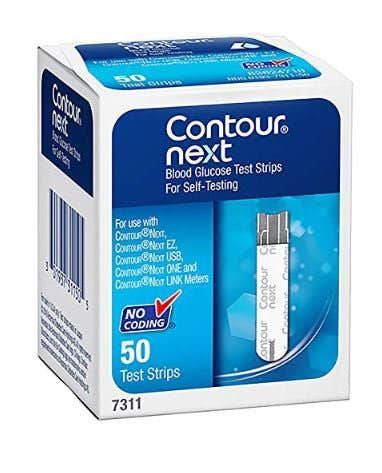
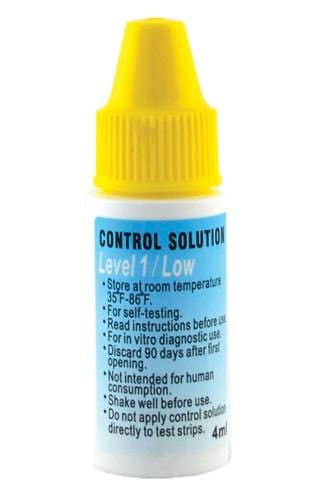
In addition to glucose meters, individuals with diabetes may need other daily supplies, such as test strips, lancets, and syringes. According to the CDC, it is essential to work with a healthcare provider to determine the best course of treatment and to develop a plan for managing diabetes. This plan should include information on daily supply needs, such as how often to test blood glucose levels and what supplies are needed to support diabetes management.
What is the A1C test used for?
The A1C test is used to measure the average level of glucose in the blood over the past 2-3 months. It is a crucial tool for assessing how well diabetes is being managed.
How often should I test my blood glucose levels?
The frequency of blood glucose testing depends on the individual's diabetes management plan. It is essential to work with a healthcare provider to determine the best testing schedule.
What supplies do I need to manage my diabetes?
The supplies needed to manage diabetes may include glucose meters, test strips, lancets, and syringes. It is essential to work with a healthcare provider to determine the best course of treatment and to develop a plan for managing diabetes.
This article is for general educational purposes and is not medical advice. Always consult your healthcare provider for guidance specific to your situation.