A glove box is one of the small supplies that can make home care feel more manageable. The best gloves for home caregivers protect both the caregiver and the person receiving care during personal care, wound care, cleaning, and other tasks involving body fluids. But the right choice is not always simply the thickest box on the shelf.
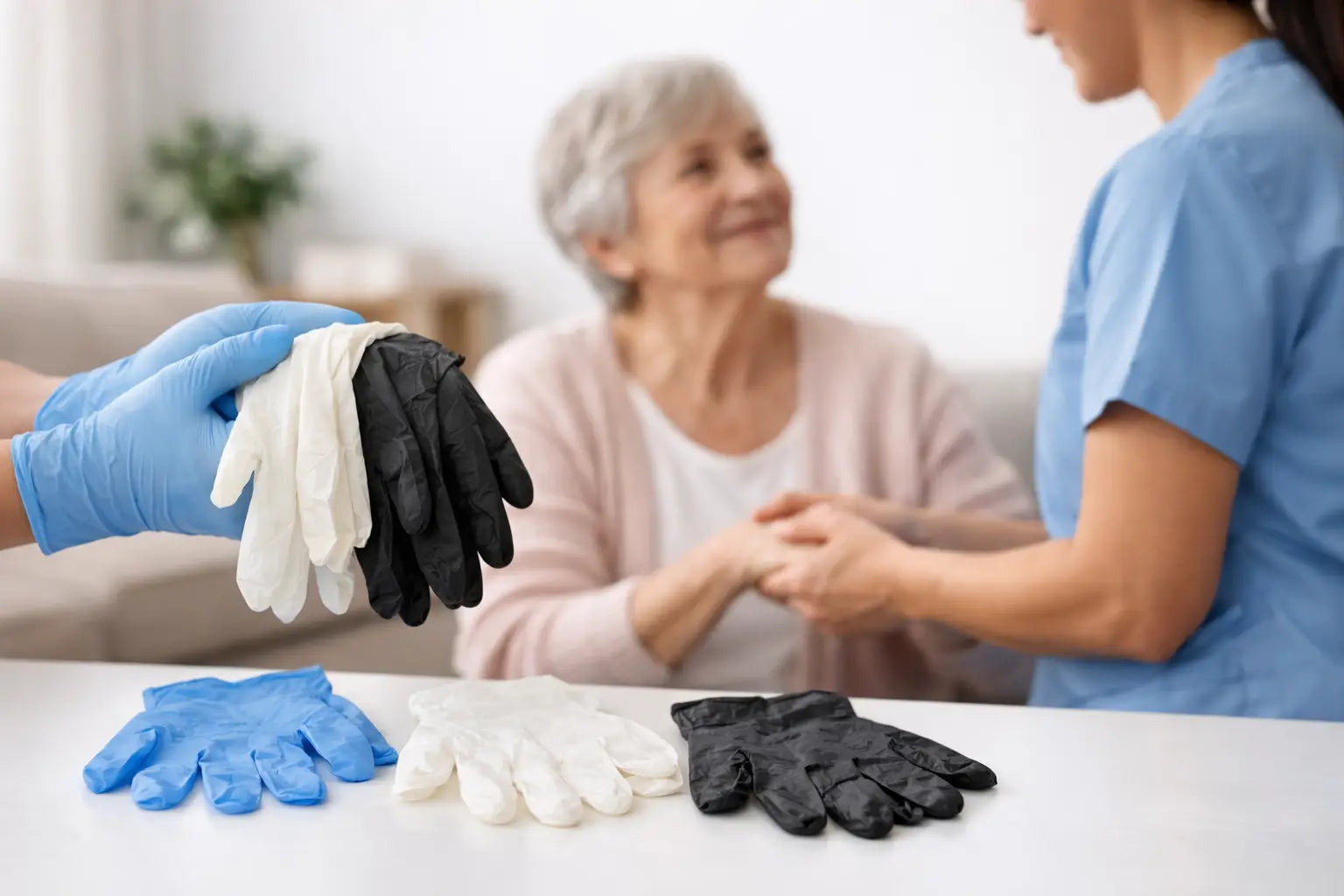
For most households, disposable nitrile examination gloves are the most practical all-purpose option. They offer dependable barrier protection, fit more closely than loose vinyl gloves, and do not contain natural rubber latex. Still, vinyl, latex, and reusable household gloves each have a place depending on the job, budget, comfort needs, and allergy concerns.
What Home Care Gloves Need to Do
Gloves create a temporary barrier between hands and potentially infectious material. They are useful for changing incontinence products, handling soiled laundry, assisting with toileting, cleaning up vomit or stool, caring for a draining wound, or disposing of used supplies.
They are not a substitute for handwashing. Hands should be cleaned before putting gloves on and immediately after taking them off, because hands can become contaminated during removal or through a small tear. Gloves should also never be washed and reused if they are labeled disposable.
A good home care glove should be comfortable enough to wear without distracting you from the task, strong enough for the task at hand, and available in a size that lets you maintain control. A glove that is too large can slip, catch on adhesive tabs, or make it difficult to manage small items. One that is too tight may tear or cause hand fatigue.
Best Gloves for Home Caregivers by Material
Nitrile gloves: best overall for routine care
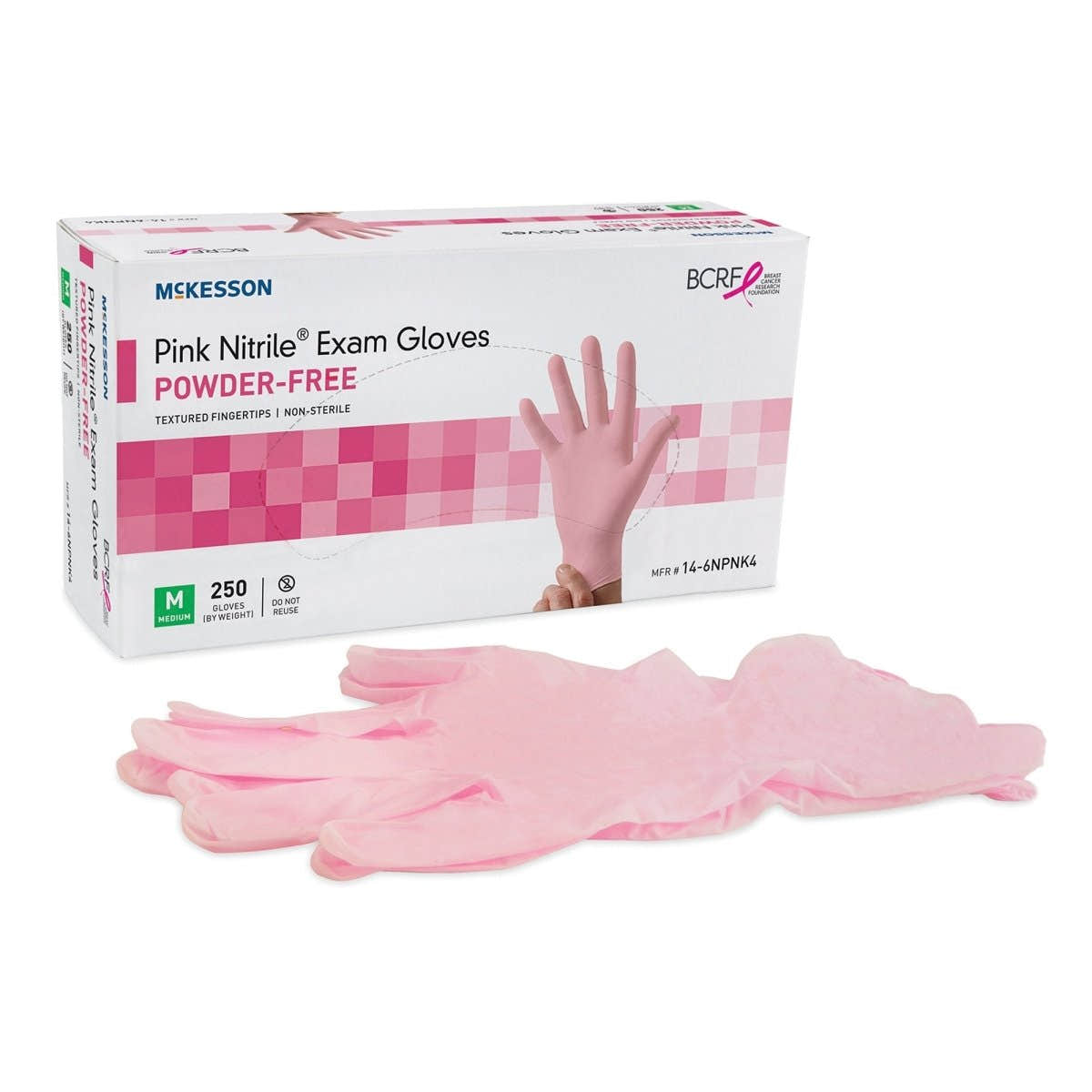
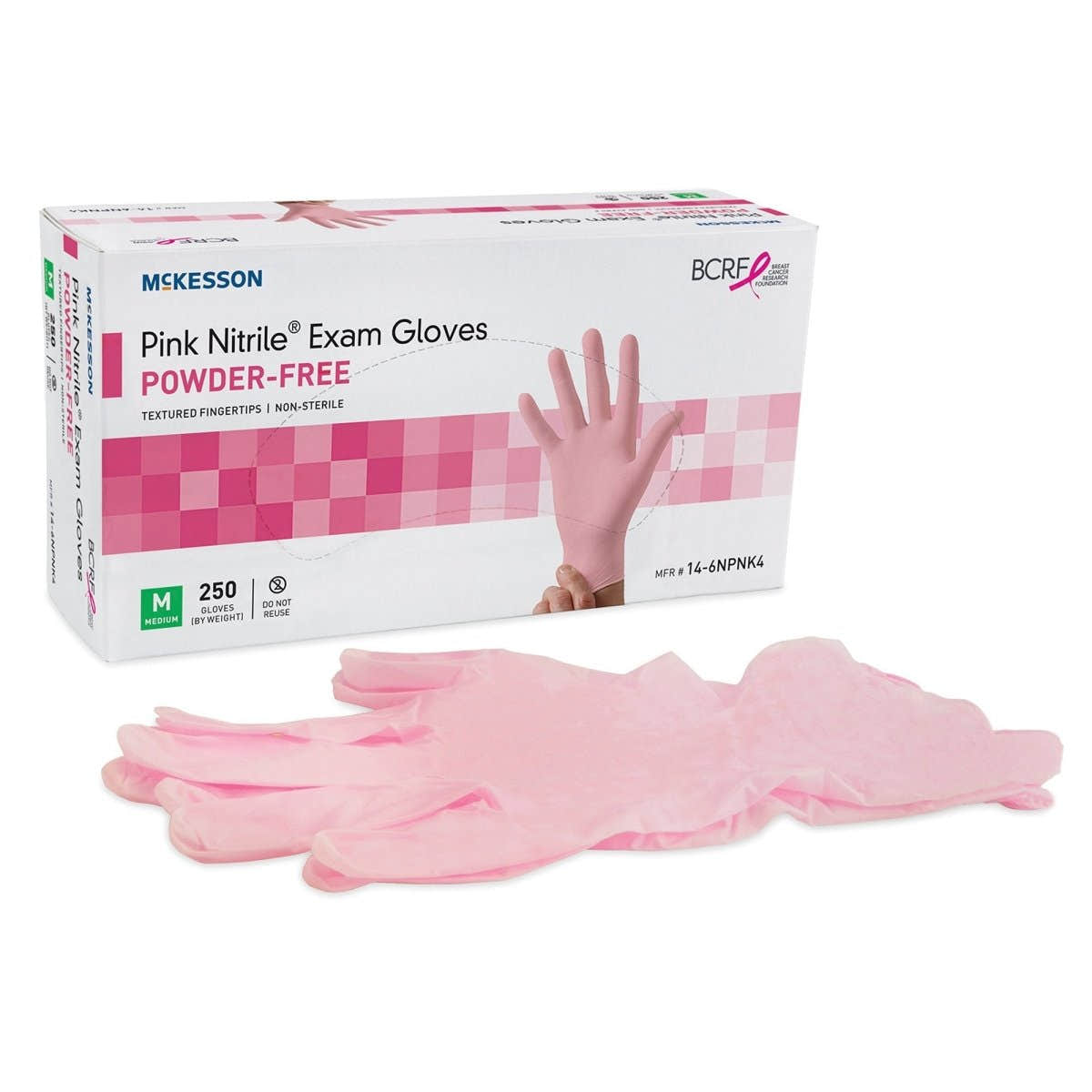
Nitrile disposable gloves are a strong choice for most caregiver supply closets. They are synthetic, latex-free, and generally resist punctures and many common household chemicals better than vinyl. Their close fit also makes them especially useful when dexterity matters, such as applying ointment, changing a dressing, handling catheter supplies, or fastening an incontinence brief.
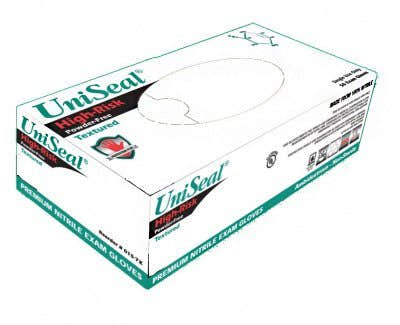
Nitrile is often more expensive than vinyl, but the difference can be worthwhile for frequent care tasks. Look for powder-free, single-use examination gloves. Powder-free gloves reduce residue on hands and help avoid transferring powder to sensitive skin, wounds, or medical supplies.
For personal care and wound-related tasks, nitrile is usually the simplest default. Keeping several boxes on hand can prevent a last-minute shortage when care needs become more frequent.
Vinyl gloves: best for quick, low-risk tasks
Vinyl gloves are usually the budget-friendly option. They work well for brief, lower-risk jobs such as applying lotion to intact skin, light cleaning, or handling dry items. Because vinyl tends to fit more loosely and can tear more easily under stretching, it is less suitable for tasks that require precision or involve a higher likelihood of contact with body fluids.
If you choose vinyl for routine tasks, change gloves promptly if they become wet, visibly soiled, or torn. It is sensible to reserve nitrile gloves for more demanding care while using vinyl for simple cleanup or nonclinical household jobs.
Latex gloves: a comfortable option with an allergy concern
Latex gloves can provide a flexible, close-fitting feel that many people find comfortable. However, they are not the best universal choice for home caregiving because latex can trigger an allergic reaction in the caregiver, the care recipient, or visitors to the home.
Avoid latex entirely if anyone who may come into contact with the gloves has a known latex sensitivity. When allergy status is unclear, latex-free nitrile is the safer, easier choice. A glove should never add another avoidable health concern to an already busy care routine.
Reusable household gloves: best for cleaning only
Thicker reusable rubber or neoprene household gloves are useful for washing dishes, disinfecting bathroom surfaces, handling cleaning products, and cleaning a commode chair or waste container. They are not a replacement for disposable medical-style gloves during personal care, wound care, or any task with body fluid exposure.
Use a dedicated pair for cleaning only. Rinse and dry them according to the product instructions, store them away from food preparation areas, and replace them when the lining cracks, the surface becomes sticky, or holes appear.
Choose the Right Size and Features
The best material cannot perform well if the fit is wrong. Most disposable gloves come in small through extra-large sizes, though sizing can vary by manufacturer. A properly fitted glove should cover the wrist, sit smoothly across the palm, and allow fingers to bend and grip without pulling hard at the seams.
Consider these features when shopping for caregiver gloves:
- Powder-free construction helps reduce residue and is preferable around sensitive skin, wounds, and personal care supplies.
- Textured fingertips improve grip when handling wipes, medicine bottles, dressings, or damp items.
- Extended cuffs add wrist coverage for tasks with more fluid exposure or cleaning solutions.
- Medical examination-grade labeling is a practical indicator for gloves intended for patient care tasks.
When to Wear Gloves During Home Care
Gloves are recommended when contact with blood, urine, stool, vomit, mucus, wound drainage, or non-intact skin is likely. They are also appropriate when handling used dressings, cleaning contaminated surfaces, or helping with ostomy and urology supplies.
Gloves are not necessary for every supportive interaction. Holding a hand, helping someone move safely, preparing a meal, or delivering clean medication may not require gloves unless body fluids or a specific medical instruction is involved. Wearing gloves for every interaction can feel impersonal and may create a false sense of protection if hand hygiene is skipped.
If the person receiving care has a wound, infection, weakened immune system, or a clinician-directed care plan, follow the instructions provided by their healthcare team. Some situations require additional protective equipment or specific dressing-change procedures.
Change Gloves at the Right Time
A fresh pair should be used for each separate task and each person. For example, remove gloves after changing an incontinence product, clean your hands, then put on a new pair before applying skin cream or handling a clean dressing. Do not move from cleaning a bathroom surface to touching a walker, medication container, phone, or kitchen item while wearing the same gloves.
Change gloves immediately if they tear, become heavily soiled, or contact a surface outside the care task. This may feel wasteful at first, but using gloves correctly helps prevent contamination from traveling through the home.
To remove disposable gloves, avoid touching the outside surface with bare skin. Pinch the outside near one wrist, peel it away inside out, hold the removed glove in the gloved hand, then slide bare fingers under the remaining cuff and peel it off over the first glove. Throw both away and clean your hands.
Build a Practical Glove Supply at Home
Care needs can change quickly after surgery, during illness, or when managing incontinence or wound care. Rather than buying one small box at a time, keep an unopened backup box in the correct size. A household with more frequent care responsibilities may benefit from separate boxes for personal care and cleaning tasks, so the right glove is always within reach.
Store disposable gloves in a clean, dry place away from direct heat and sunlight. A cabinet near, but not directly beside, the care area is often convenient. Keep them away from children and pets, and check the box periodically for damage or signs that supplies are running low.
CartHealth makes it easier to stock the everyday supplies that often go together, from gloves and wipes to incontinence care, wound care, and personal care essentials. Ordering dependable basics before they run out gives caregivers one less urgent task to manage.
The best glove is the one that matches the care task, fits the caregiver well, and is available when it is needed. For most home care routines, keeping powder-free nitrile gloves as the primary option and reusable cleaning gloves for household cleanup is a practical, reassuring place to start.