A small blister can become a serious problem faster than many people expect when diabetes affects circulation or feeling in the feet. The best diabetic foot care is not complicated, but it does need to be consistent: check your feet every day, protect them from rubbing and injury, and act early when something looks different.
For people managing diabetes and for family caregivers, a reliable foot-care routine can make everyday life safer and more comfortable. The goal is not to diagnose every mark or ache at home. It is to notice changes promptly and give your podiatrist or healthcare provider the information they need.
Why Daily Foot Care Matters With Diabetes
Diabetes can damage nerves over time, reducing the ability to feel heat, pain, pressure, or a small injury. This is called neuropathy. Diabetes may also reduce blood flow to the feet, which can slow healing. Together, these changes mean a cut, cracked heel, or pressure spot may go unnoticed until it has become more difficult to treat.
That does not mean every person with diabetes will have foot complications. Risk varies based on blood sugar management, circulation, past foot wounds, foot shape, mobility, and whether there is numbness or tingling. Still, daily prevention is a practical habit for everyone with diabetes because it takes only a few minutes and can catch problems early.
Best Diabetic Foot Care Starts With a Daily Check
Choose a regular time that is easy to remember, such as after a shower, while changing socks, or before bed. Look at the tops, soles, heels, sides, and toes of both feet. A handheld mirror can help with the bottoms of the feet, or a caregiver can assist if bending or vision is difficult.
Look for cuts, scrapes, blisters, cracks, redness, swelling, bruising, corns, calluses, drainage, or changes in skin color. Check between the toes for peeling, dampness, or broken skin. Also pay attention to sensations: new numbness, burning, tingling, tenderness, or pain deserve a call to a healthcare provider, even if the skin appears normal.
Wash Carefully and Dry Completely
Wash feet daily with mild soap and lukewarm water. Before stepping in, test the water with your hand or elbow rather than your foot if you have reduced sensation. Very hot water can cause burns without causing immediate pain.
Keep washing brief instead of soaking your feet for a long time. Prolonged soaking can dry or soften skin, making it more likely to crack or break down. Pat feet dry gently, especially between the toes. Moisture left between toes can encourage fungal growth and skin irritation.
Moisturize Dry Skin, Not the Spaces Between Toes
A fragrance-free foot cream or lotion can help with dry, rough skin on the tops, bottoms, and heels of the feet. Apply a thin layer and give it time to absorb before putting on socks. Do not apply lotion between the toes, where extra moisture can create problems.
Cracked heels, thick calluses, and persistent scaling are worth discussing with a podiatrist. It may be tempting to use a blade, a callus shaver, or medicated corn remover, but these products can injure healthy skin and are not a safe choice for many people with diabetes.
Choose Shoes and Socks That Reduce Pressure
Footwear is one of the most useful forms of daily protection. Wear shoes or supportive slippers whenever you are walking, including indoors. Going barefoot increases the chance of stepping on a sharp object, getting a burn from a hot surface, or developing a small injury you may not feel.
Check the inside of each shoe before putting it on. Shake it out and run your hand along the lining to find pebbles, loose threads, rough seams, or a curled insole. A tiny object can create pressure and damage skin during a normal walk.
Shoes should have a roomy toe box, a secure fit at the heel, and enough depth to avoid rubbing the tops of the toes. They should not pinch, slide, or require a painful break-in period. If you have bunions, hammertoes, swelling, a history of ulcers, or changes in foot shape, ask your podiatrist about diabetic shoes, inserts, or custom orthotics. The right option depends on your foot structure and risk level.
Choose clean socks every day. Soft, moisture-wicking socks with minimal seams can reduce friction, while socks that are too tight may leave marks or feel uncomfortable. Avoid socks with holes, rough repairs, or elastic that digs into the leg. If your provider has recommended compression socks for swelling or circulation, follow their specific guidance because compression is not appropriate for every circulation condition.
Handle Nails and Calluses With Extra Care
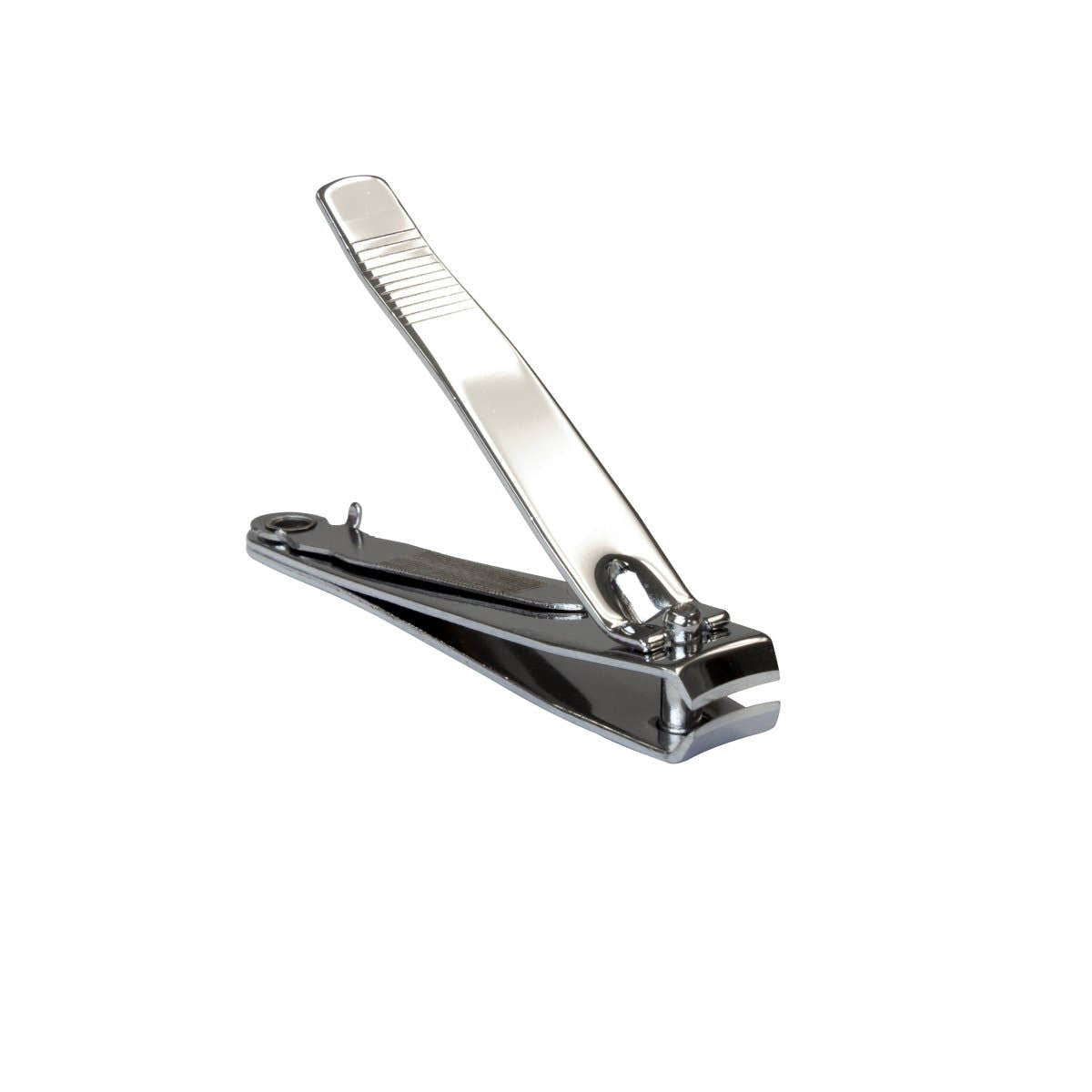
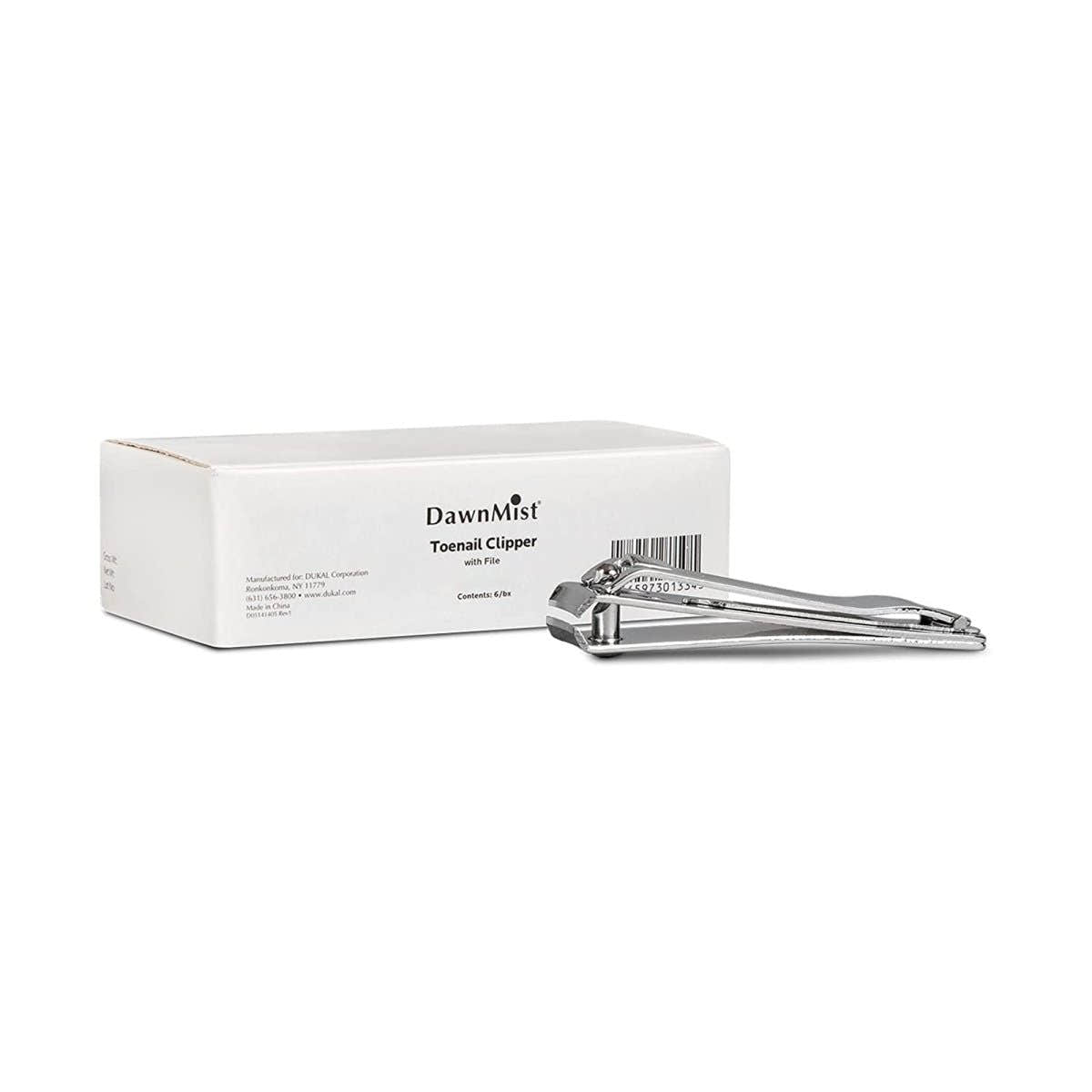
Trim toenails straight across after bathing, when they are softer, and smooth sharp edges with a nail file. Do not cut deeply into the corners, as this can lead to ingrown nails. If you cannot see or reach your feet safely, have thickened nails, or take blood thinners, professional nail care is often the safer choice.
Do not cut corns or calluses yourself. Avoid chemical corn removers and sharp tools. A podiatrist can safely reduce thick skin and identify whether it is caused by shoe pressure, a gait change, or a foot deformity that needs a different solution.
Keep a Simple Home Foot-Care Supply Area
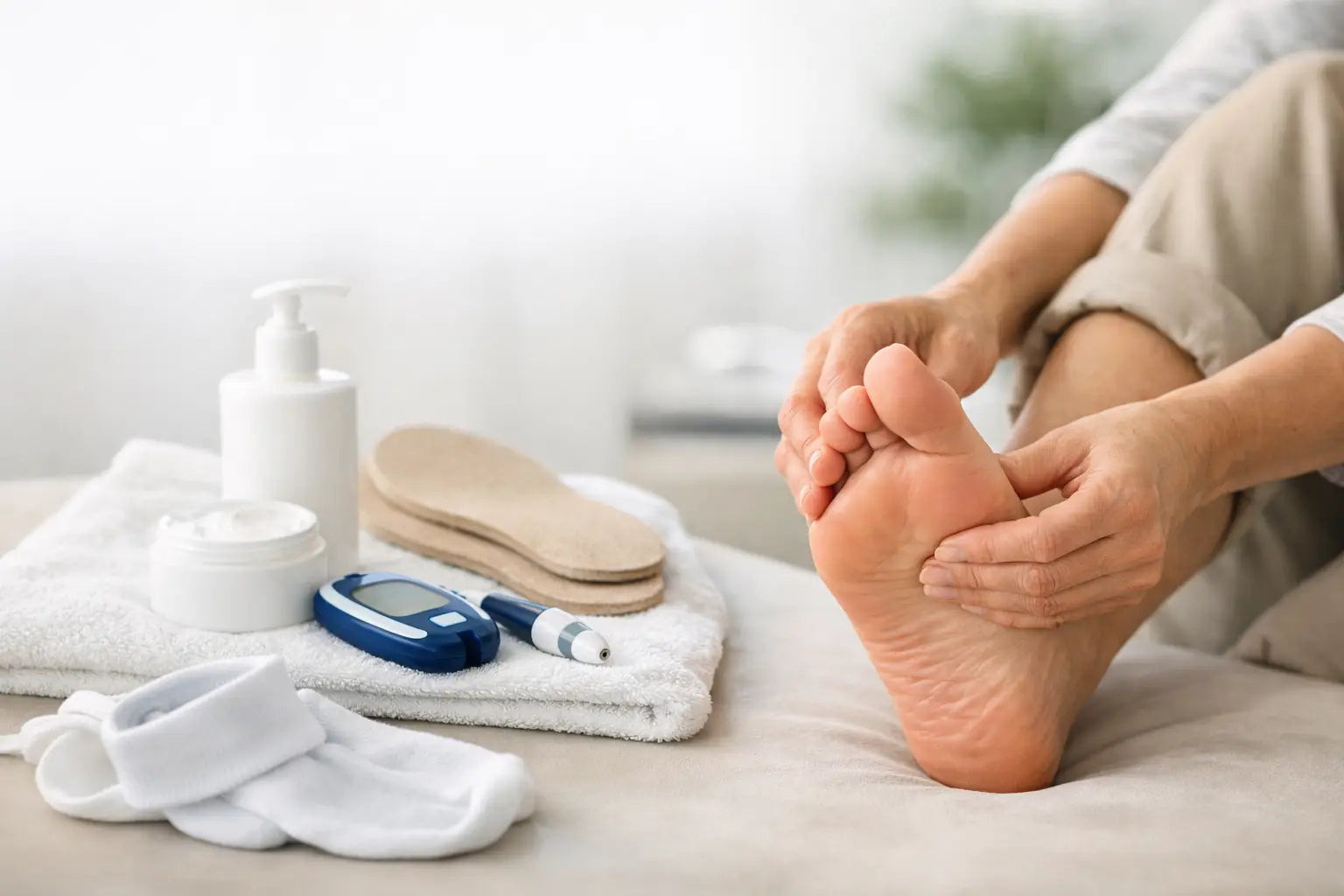
Having the right basics at home makes the routine easier to maintain and helps caregivers avoid last-minute store trips. Keep supplies together in a clean, dry place, and replace products before they run out. Useful items include:
- Mild soap, soft towels, and a handheld mirror for daily checks
- Fragrance-free foot lotion for dry skin, applied away from the toes
- Clean, well-fitting diabetic or moisture-wicking socks
- Sterile gauze and basic wound dressings recommended by your provider
- A nail file and clippers only if you can safely use them
Know When to Call a Podiatrist or Doctor
Do not wait for a routine appointment if you notice a new wound, blister, crack that is deep or bleeding, redness, warmth, swelling, drainage, or a bad odor. Call promptly for an ingrown nail, a new callus with dark discoloration underneath, or a foot that looks noticeably different from the other.
Seek urgent medical care for a foot that becomes cold, pale, blue, severely swollen, painful, or suddenly numb. Fever, spreading redness, red streaks, pus, or a wound that is turning black also require immediate attention. These signs can indicate infection or circulation problems that should not be managed at home.
Regular foot exams are also part of prevention. Ask your diabetes care provider how often you should see a podiatrist, particularly if you have neuropathy, poor circulation, kidney disease, prior ulcers, or a history of amputation. Bring up shoe discomfort and recurring pressure spots before they become skin injuries.
Make the Routine Easy to Repeat
The most effective routine is the one you can keep doing. Place your mirror near the chair where you put on socks, keep lotion beside clean towels, and inspect shoes before they go by the door. Caregivers can add a quick foot check to regular bathing or dressing support while respecting the person's comfort and privacy.
When it is time to restock socks, dressings, skin care, or other home health essentials, ordering familiar supplies together can reduce missed routines. CartHealth helps make ongoing home-care shopping more convenient by bringing everyday health categories into one place.
A few focused minutes each day can protect far more than your feet. Make the check part of your normal routine, and let any new change be the reason to call rather than the reason to wait.