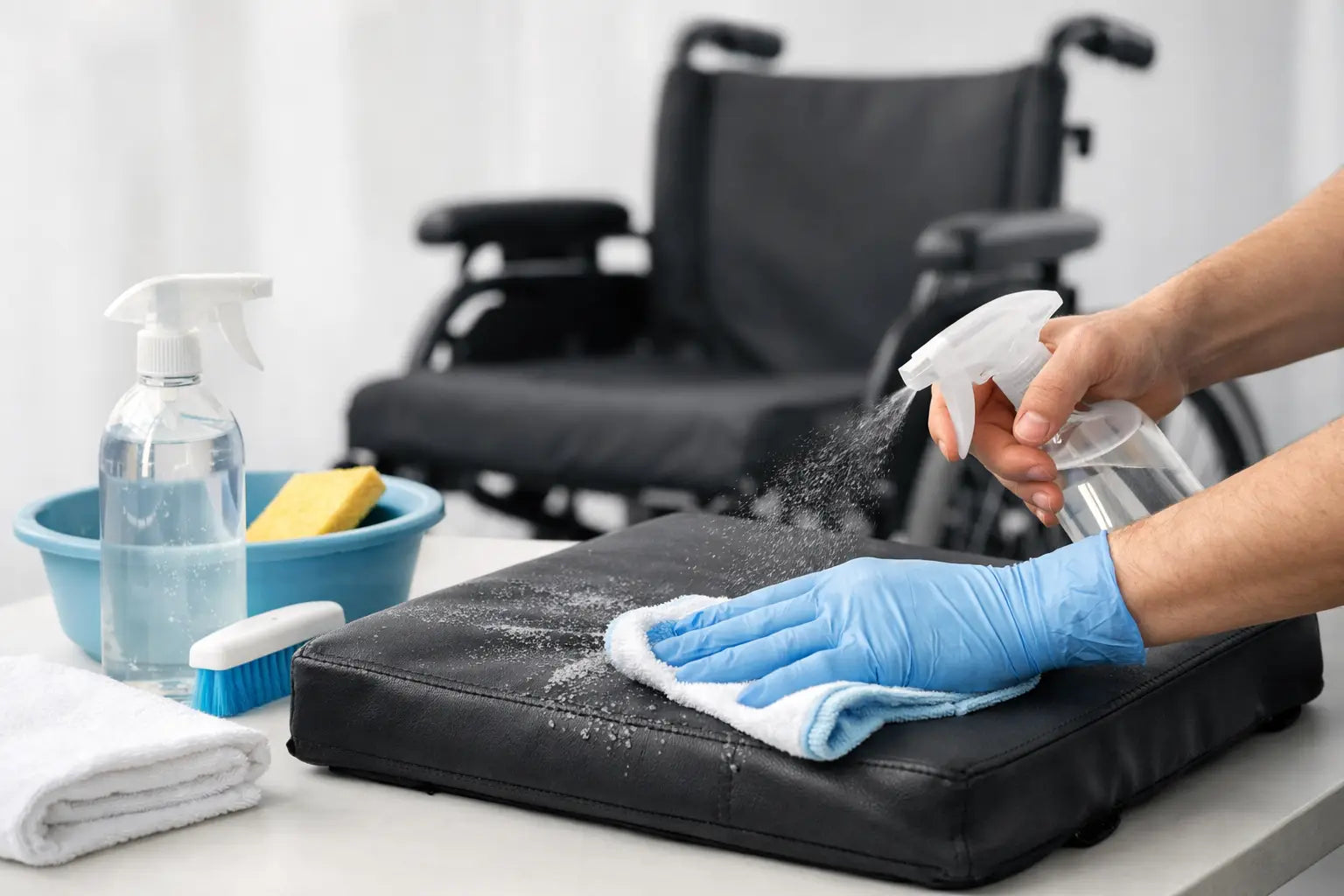
A wheelchair cushion can collect more than everyday dust. Food crumbs, perspiration, skin oils, moisture, and occasional incontinence leaks can affect comfort, odor, and the condition of the cushion over time. Knowing how to clean a wheelchair cushion the right way helps protect the materials while keeping the seating surface fresh for daily use.
The safest method depends on the type of cushion. A removable fabric cover, molded foam insert, gel cushion, and air-cell cushion each need different care. Before using any cleaner or putting any part in the washer, check the care tag and the manufacturer’s instructions. When the instructions differ from general cleaning advice, always follow the instructions for that specific cushion.
Start by Identifying Your Wheelchair Cushion
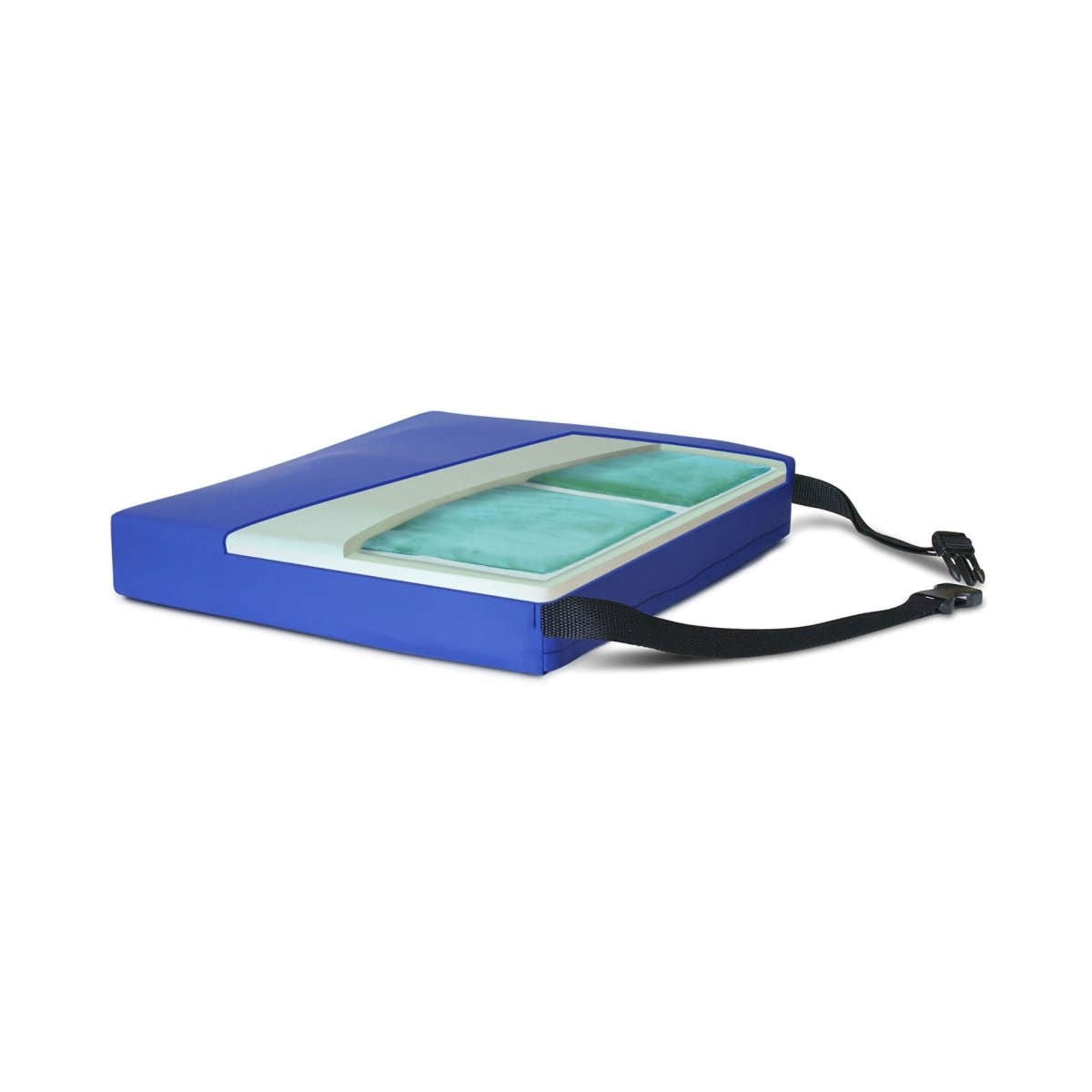
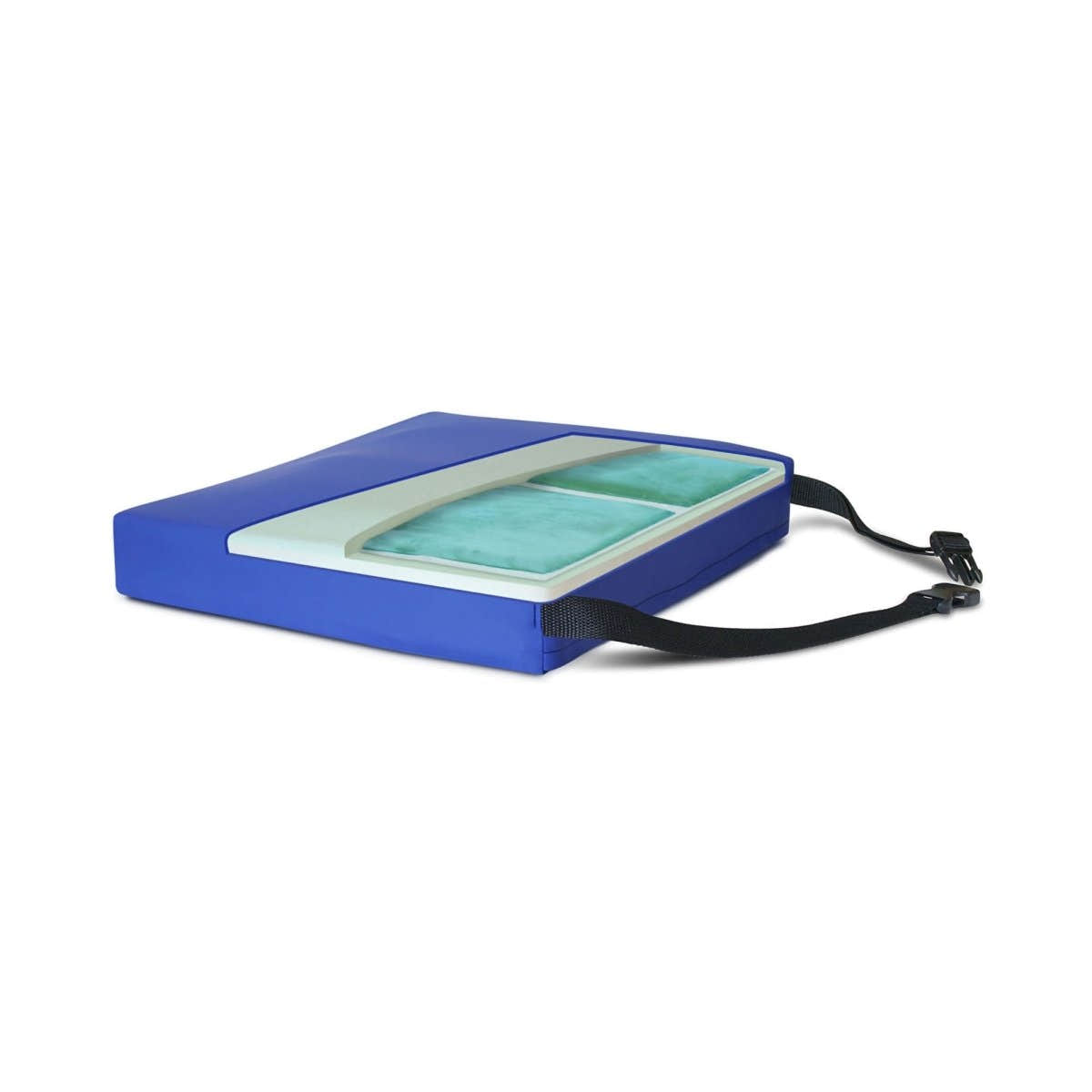
Most wheelchair cushions have two separate pieces: an outer cover and an inner support component. The cover may be machine washable, while the foam, gel, or air insert usually requires hand cleaning only. Remove the cushion from the wheelchair before cleaning so moisture and cleaning products do not reach the chair’s upholstery, frame, or hardware.
Look for a zipper or opening that allows the cover to be removed. If the cover is attached or the cushion has a waterproof, non-removable surface, it should usually be wiped clean rather than soaked. Cushions used for pressure relief deserve extra care because harsh cleaners, heat, or rough handling may reduce their support or damage their protective materials.
If you are unsure whether a cushion is foam, gel, or air-filled, avoid submerging it. A gentle surface-cleaning approach is the safer choice until you can confirm the product’s care instructions.
What You Need to Clean a Wheelchair Cushion
For most routine cleaning, simple supplies are enough. Gather a vacuum with an upholstery attachment, clean cloths or soft towels, mild liquid detergent, lukewarm water, a soft-bristle brush, and a small bowl or spray bottle. For odor or a minor spot stain, baking soda or an enzyme-based cleaner may be useful if the cushion manufacturer permits it.
Avoid chlorine bleach, strong solvents, abrasive powders, and heavily scented cleaners unless the care label specifically allows them. These products can weaken fabric coatings, irritate sensitive skin, leave residue, or damage foam and waterproof layers. If a cleaner is new to you, test it on a small, less visible area first.
How to Clean a Wheelchair Cushion Cover
A removable cover is usually the easiest part to clean. Start by shaking it out outdoors or vacuuming both sides to remove hair, lint, crumbs, and loose debris. Pay attention to seams, zipper areas, and textured fabric where buildup can collect.
Machine-washable covers
If the label says the cover is machine washable, zip it closed and wash it according to the listed temperature and cycle. A gentle cycle with mild detergent is commonly recommended. Washing the cover inside out can help reduce wear on the outer surface and zipper.
Skip fabric softener unless the manufacturer says it is safe. Softener can leave a coating behind that affects moisture-wicking or water-resistant fabrics. Use a low-heat dryer setting only when the label permits it. High heat can shrink a cover, damage waterproof backing, or cause the cover to fit too tightly over the cushion.
Hand-wash-only covers
For a hand-wash-only cover, mix a small amount of mild detergent with lukewarm water. Gently agitate the cover in the water or use a damp cloth to clean it section by section. Do not twist or wring the material. Rinse thoroughly until no soap remains, then press it between clean towels to remove excess water.
Hang the cover to air dry completely. Do not put it back on the cushion while damp, since trapped moisture can lead to odor, mildew, and skin irritation.
Clean the Foam, Gel, or Air Insert Carefully
The inner cushion needs a lighter touch. In many cases, it should never go in a washing machine or dryer.
For a foam insert, vacuum the surface first. Then use a clean cloth dampened with mild soapy water to wipe the outer surface. Use as little water as possible. Foam can absorb moisture deep inside, and a soaked insert may take a long time to dry or lose its shape. Wipe again with a separate cloth dampened with plain water to remove soap residue.
For a gel cushion, wipe the surface with a soft cloth and mild detergent solution. Do not puncture, fold sharply, or use a brush that could wear through the cover material. If the gel section is enclosed within a protective casing, clean the casing rather than trying to access the gel itself.
For an air-cell cushion, remove loose debris and wipe it gently with a damp cloth. Check the valves and air cells for visible damage while cleaning. Avoid immersing the cushion unless its manufacturer specifically says it is safe. Water entering valves or internal areas can create problems that are harder to see.
Remove Stains and Odors Without Damaging the Cushion
Treat spills as soon as possible. Blot liquids with a clean towel instead of rubbing, which can push the stain deeper into fabric or foam. For food, drink, or body-fluid stains on a removable cover, pretreat the affected area with a small amount of mild detergent or a manufacturer-approved enzyme cleaner. Let it sit briefly, then wash or rinse as directed on the care label.
For light odors, allow the cushion and cover to air out in a clean, dry room. A removable fabric cover can sometimes be treated with a light sprinkle of baking soda, left for several hours, and vacuumed before washing. Do not apply baking soda directly to foam, gel, or air cells unless the manufacturer approves it, since residue can be difficult to remove.
If the cushion has been exposed to urine, stool, vomit, blood, or another bodily fluid, wear disposable gloves while cleaning. Remove visible soil, then clean and disinfect only with products that are compatible with the cushion material. Disinfectants can be useful for hygiene, but they are not interchangeable with routine cleaners. Some can break down waterproof coatings or leave a residue that should not contact skin.
A strong, persistent odor after cleaning may mean moisture remains inside the cushion or the insert has been contaminated. In that situation, allow extra drying time and consider replacing the insert or cushion if the manufacturer’s cleaning guidance does not resolve the issue.
Dry the Cushion Fully Before Use
Drying is where many cushions get damaged. Place the cover and insert in a well-ventilated area away from direct sunlight, radiators, space heaters, and high dryer heat. Direct heat may warp gel materials, weaken adhesives, shrink covers, or make foam brittle.
Lay foam inserts flat so they keep their shape. Turn them occasionally to help both sides dry. Never reinstall a cushion until every layer feels completely dry, including seams and the inside of the cover. A dry surface can be misleading if the foam underneath still holds moisture.
When Cleaning Is Not Enough
Inspect the cushion each time you remove the cover. Watch for flattened foam, cracks, tears, broken zippers, leaking gel, damaged air cells, or a cover that no longer fits securely. These issues can affect positioning, comfort, and pressure management.
Cleaning will not restore a cushion that has lost its support. If a user has changes in skin condition, discomfort, numbness, recurring redness, or difficulty maintaining a stable seated position, contact a healthcare professional or seating specialist. The right cushion and a properly functioning cover are part of day-to-day pressure care, not just a comfort preference.
Create a Simple Cleaning Routine
For most users, vacuuming or wiping the cover weekly and washing it as needed keeps buildup manageable. A cushion used during meals, outdoor activities, or long periods of sitting may need more frequent attention. After any spill or incontinence episode, clean the affected areas promptly.
Keeping a spare wheelchair cushion cover can make the routine easier. One cover can be drying while the wheelchair remains ready to use with the other. Regular care takes only a little time, and it helps preserve the comfort, hygiene, and useful life of a cushion that supports everyday mobility.