
A mattress can be one of the most difficult and expensive items to replace after repeated leaks. The best mattress protectors for incontinence create a reliable barrier between moisture and the mattress while still allowing the bed to feel comfortable enough for nightly use. For individuals managing bladder or bowel incontinence, and for family caregivers handling overnight care, the right protector can make cleanup faster and help preserve a mattress for years.
There is no single best choice for every household. A person with occasional light leaks may prefer a quiet, fitted protector that feels like a regular sheet. Someone with heavy overnight incontinence, frequent accidents, or limited mobility may need a more absorbent reusable pad on top of a waterproof protector. Matching the product to the care routine matters more than choosing the thickest option available.
What Makes a Mattress Protector Work for Incontinence?
A mattress protector is designed to stop liquid from reaching the mattress. Most have a soft fabric surface and a waterproof backing or membrane. Unlike disposable underpads or washable bed pads, a fitted mattress protector covers the bed itself and stays in place beneath the fitted sheet.
For incontinence care, look beyond the word “waterproof.” A useful protector should offer dependable fluid resistance, fit securely, wash easily, and remain reasonably comfortable through the night. Breathability is also worth considering. Some waterproof materials can trap heat, which may be uncomfortable for people who sleep warm or spend extended time in bed.
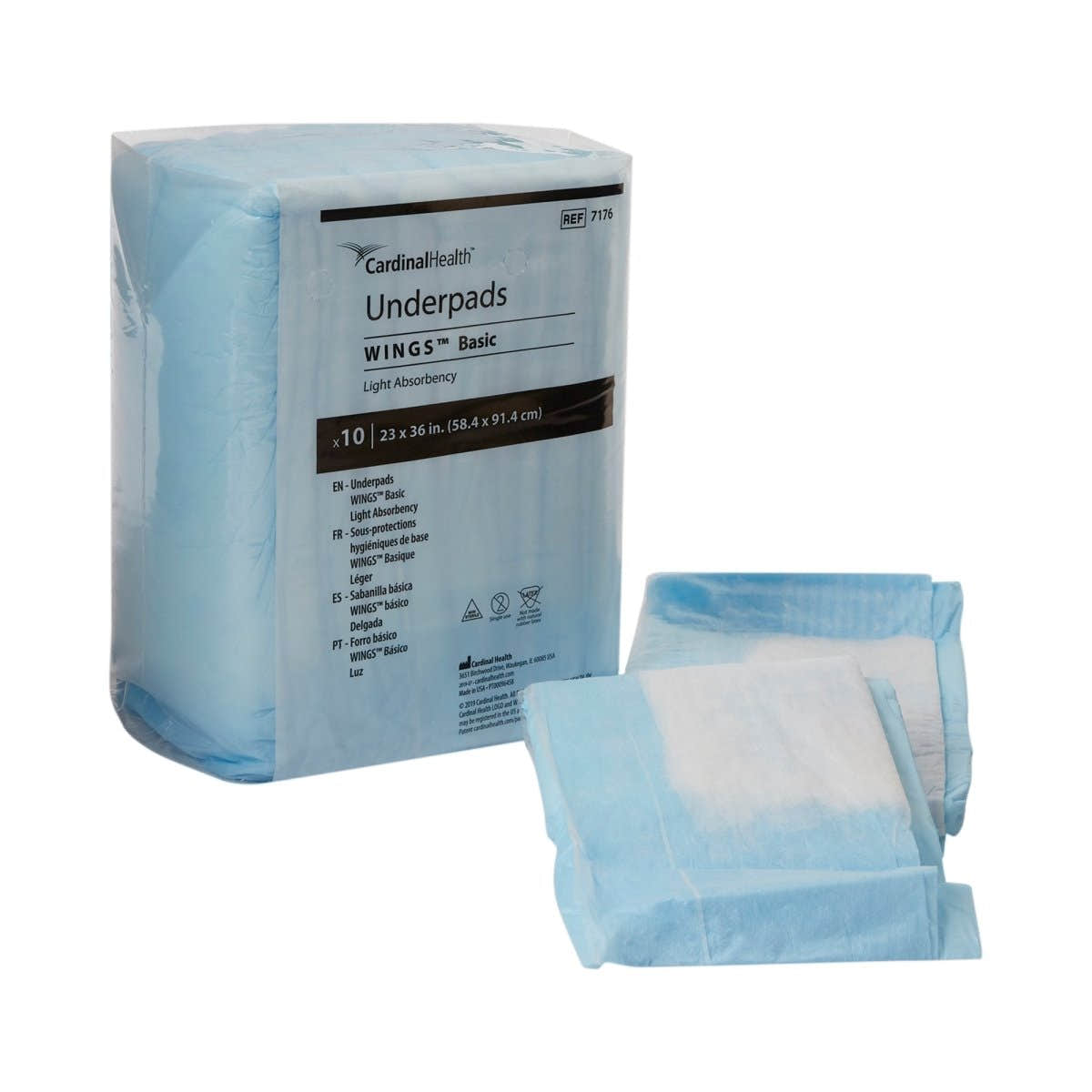
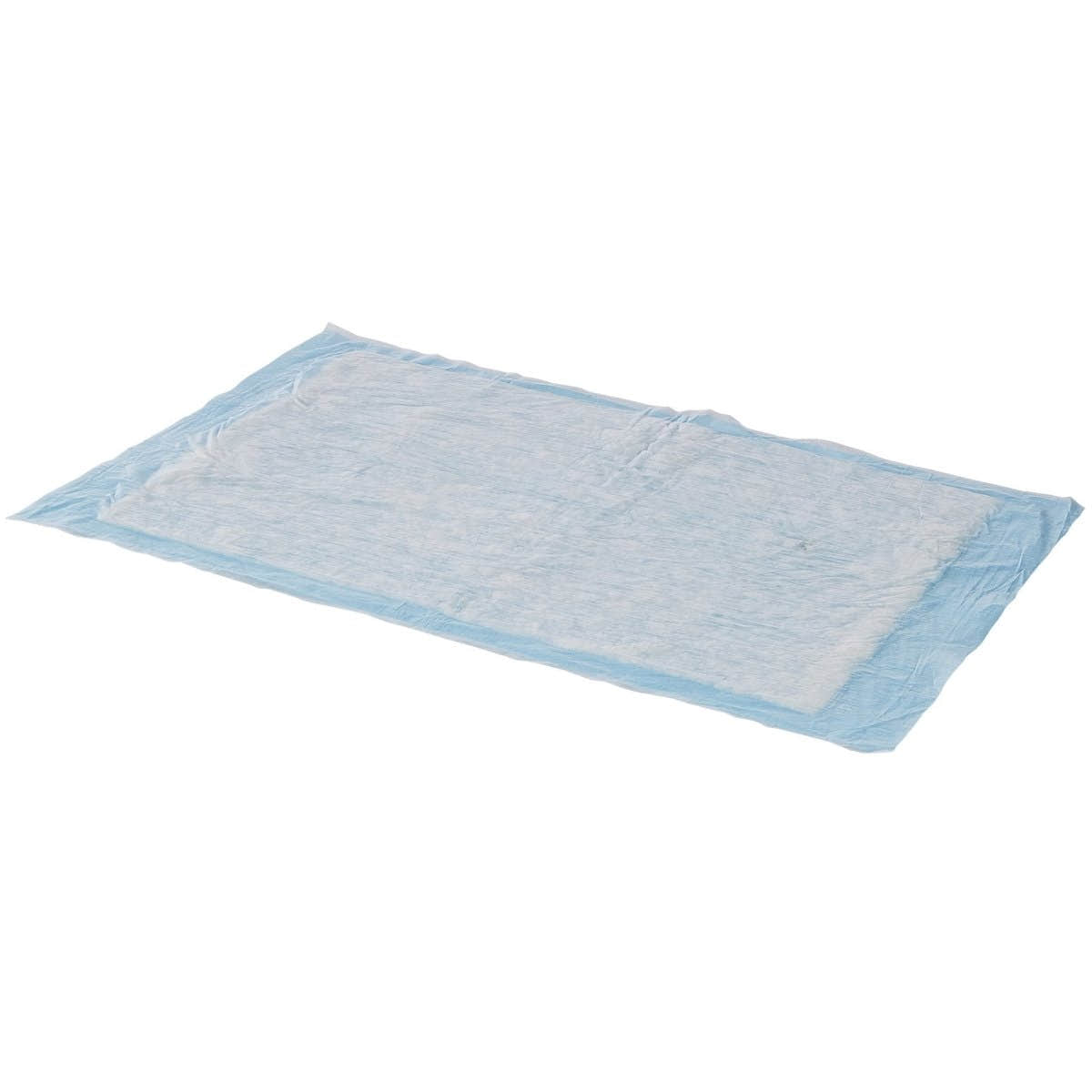
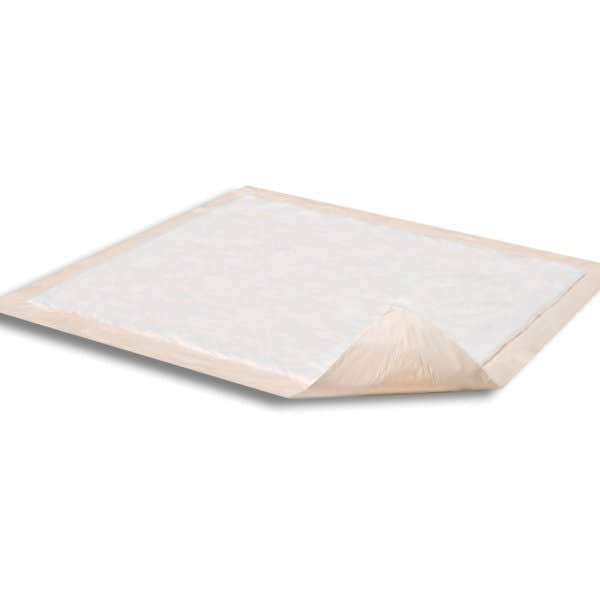
The level of protection needed depends on the frequency and volume of leaks. A waterproof protector protects the mattress, but it may not absorb fluid quickly enough to keep the sleeper completely dry during a larger accident. In those situations, pairing it with a disposable or reusable underpad can provide better day-to-day protection and simplify linen changes.
Best Mattress Protectors for Incontinence by Care Need
For light or occasional leaks: fitted waterproof protectors
A fitted waterproof protector is often the best starting point for occasional urinary leakage. It wraps around the mattress much like a fitted sheet and is usually placed under the regular fitted sheet. This style provides full sleeping-surface coverage without adding much bulk.
Look for a soft terry, cotton-blend, or smooth knit top layer with a waterproof polyurethane or TPU membrane underneath. These materials are generally quieter and more breathable than older vinyl-style coverings. A protector with deep pockets is especially helpful for pillow-top mattresses or adjustable beds, where a loose fit can shift and leave part of the mattress exposed.
This option is discreet and easy to use, but it does require removing the fitted sheet and protector after an accident. Keeping a second protector on hand can make nighttime changes less stressful.
For frequent nighttime accidents: protector plus washable bed pad
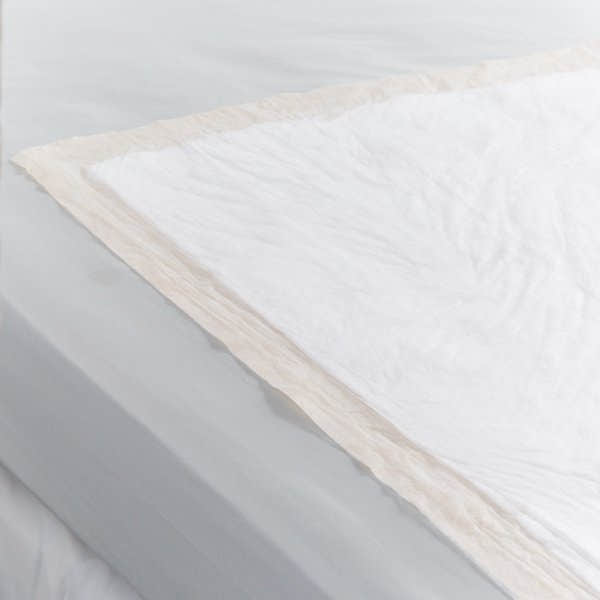
For regular overnight incontinence, a two-layer approach often works best. Use a full fitted waterproof mattress protector as the permanent mattress barrier, then place a washable bed pad across the center of the bed where leaks are most likely to occur.
The washable pad adds absorbency on top of the waterproof protection. It can usually be removed and laundered without stripping the entire bed, which is useful for caregivers and for people who want a faster reset after a leak. Choose a pad with a non-slip backing, tucked-in wings, or a design that stays flat during movement. A pad that bunches can be uncomfortable and may create a skin-irritating surface.
For heavy leakage, this combination is more practical than relying on one waterproof protector alone. The protector safeguards the mattress, while the pad manages the immediate cleanup.
For bowel incontinence or higher-volume leaks: full-coverage protection
Higher-volume accidents call for broad coverage and a simple cleanup routine. Consider a six-sided encasement protector or a full-coverage fitted protector with waterproof sides, especially when leaks can occur near the edge of the bed. Standard top-only protectors may leave the side panels vulnerable if fluid runs over the edge.
An encasement style surrounds the mattress and closes with a zipper. It can be particularly useful for a mattress used by someone who spends much of the day in bed or needs extensive protection from moisture and other contaminants. The trade-off is that it takes more effort to remove for washing. Many households use an encasement as a long-term base layer, then add a washable or disposable underpad on top for easier daily care.
For adjustable beds: flexible, deep-pocket protectors
Adjustable beds require a protector that can move with the mattress. A rigid cover or undersized fitted protector may pull loose when the head or foot of the bed is raised. Select a stretch-knit protector with elasticized corners, generous pocket depth, and clear sizing for adjustable mattresses.
If using a washable bed pad, choose one that is flexible and not overly thick. It should remain in position as the bed changes shape. Checking the placement after the bed is adjusted is a small step that can prevent leaks from reaching an unprotected area.
Materials to Compare Before You Buy
The waterproof layer affects how a protector feels, sounds, and performs. Polyurethane and TPU membranes are common choices because they block liquid while allowing more airflow than vinyl. They are usually a better fit for everyday sleeping comfort, particularly for people with sensitive skin or temperature concerns.
Vinyl or PVC protectors can provide strong waterproof protection and may be less expensive, but they can feel warmer and make more noise when the sleeper moves. They may be suitable for short-term use, travel, or situations where moisture protection is the only priority. For a long-term home bed, many people prefer a quieter fabric-and-membrane design.
The top fabric matters, too. Terry cloth offers a familiar, towel-like feel and can provide modest surface absorbency. Smooth knit fabrics can feel cooler and make it easier to reposition in bed. Quilted protectors add cushioning but may take longer to dry. If a person has fragile skin, inspect the surface for rough seams, wrinkles, or waterproof material that could create friction.
Fit, Washing, and Other Details That Matter
Measure the mattress before ordering. Check the width, length, and depth, including any pillow top. A queen-size protector is not always deep enough for every queen mattress, and an overly tight protector can tear or pull off at the corners.
For washable protectors, review the care instructions before use. Most are machine washable, but high heat can damage some waterproof membranes over time. Using a gentle or warm wash cycle, avoiding fabric softener when directed, and drying on low heat can help extend the protector’s life. Fabric softener may leave a coating that reduces absorbency in bed pads and can affect the feel of some fabrics.
It is also helpful to consider how many layers the household can realistically manage. A caregiver changing bedding in the middle of the night may benefit from a simplified setup: mattress protector, fitted sheet, washable pad. Others prefer layered sheets and pads so the top layer can be removed quickly. The best system is the one that is comfortable, clean, and manageable for the person providing care.
A Practical Shopping Checklist
When comparing mattress protection products for incontinence, focus on these four questions:
- Does it provide waterproof coverage where leaks are most likely to reach the mattress?
- Is the material comfortable enough for regular overnight use?
- Will it fit the mattress depth and stay secure during movement or bed adjustments?
- Can it be washed, dried, and replaced easily within the household’s care routine?
A well-chosen protector does more than guard a mattress. It can make bedtime feel more predictable, reduce laundry stress, and give both the individual and caregiver a little more confidence when the lights go out.