A compression stocking can feel too tight, slide down, or fail to provide the intended support when the size is wrong. Learning how to measure compression stockings before ordering helps you choose a fit that is comfortable enough for daily wear and appropriate for your needs. A tape measure, a few minutes in the morning, and the product's sizing chart are usually all you need.
Compression stockings are available in several lengths and pressure levels, so there is no single measurement that works for every style. Measure each leg separately, use the larger measurement if your legs differ, and always match your numbers to the specific manufacturer's chart. A medium in one brand may not match a medium in another.
What You Need Before Measuring
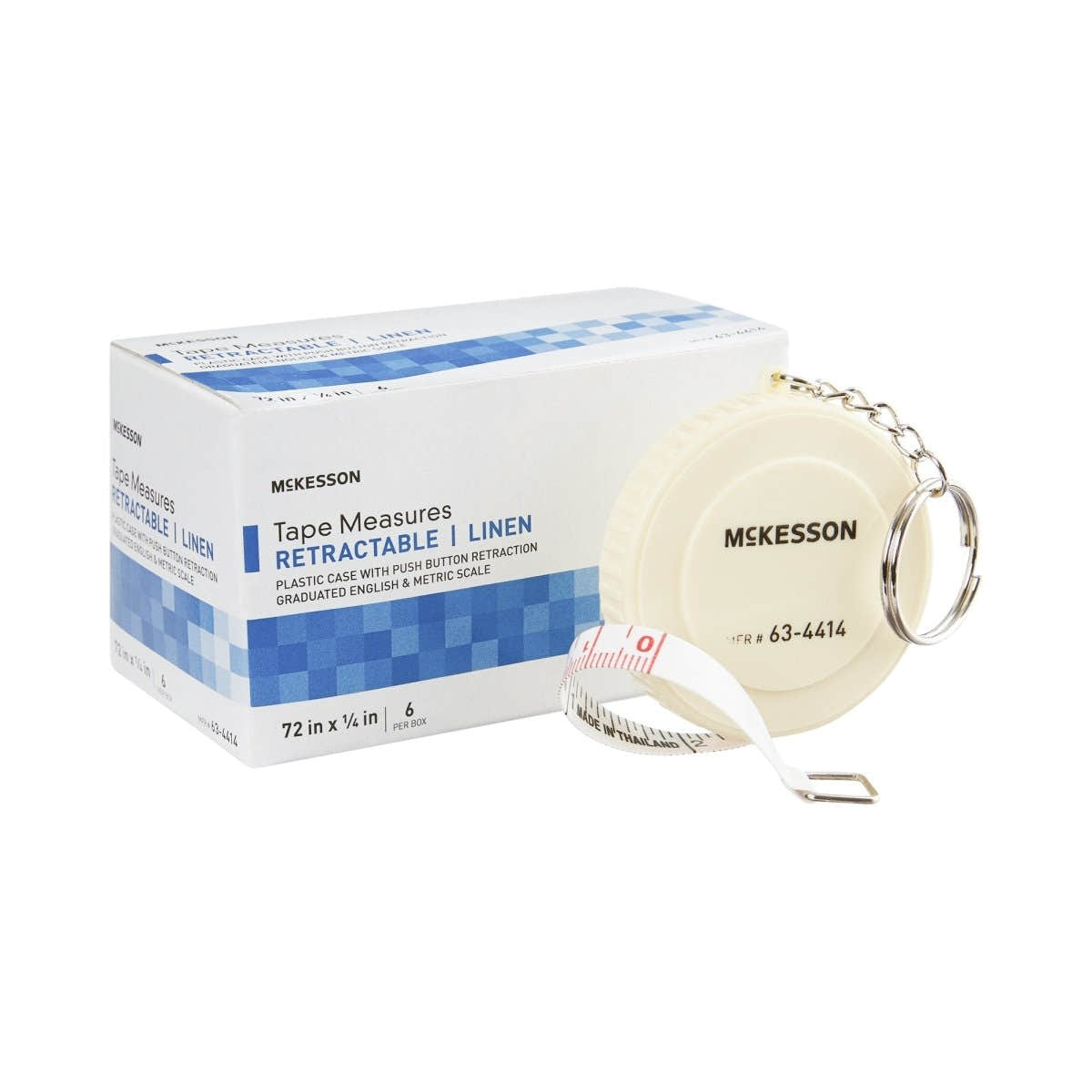
Use a flexible, non-stretch measuring tape marked in inches. If you do not have one, a piece of string can work in a pinch: wrap it around the leg, mark the overlap, then measure the string with a ruler. Avoid pulling the tape tight enough to indent the skin, but do not leave it loose either. It should lie flat against the leg.
Have the stocking's product page or package sizing chart nearby. Most charts use ankle and calf circumference for knee-high styles, while thigh-high stockings and compression pantyhose require additional measurements. Some products also use shoe size, height, weight, or hip circumference as a secondary check.
Measure Early in the Day
The best time to measure is first thing in the morning, before you have been on your feet for long. Legs, ankles, and feet commonly swell as the day goes on, particularly after sitting, standing, traveling, or recovering from surgery. A morning measurement is more likely to reflect the size your stocking needs to accommodate throughout the day.
If swelling is already significant when you wake up, or changes dramatically from one day to the next, speak with your clinician before selecting compression wear. Sudden one-sided swelling, leg pain, warmth, redness, chest pain, or shortness of breath needs prompt medical attention rather than a new pair of stockings.
Sit in a chair with your foot flat on the floor, or stand with your weight evenly distributed if that is more comfortable. Keep your leg relaxed. Do not measure over clothing, socks, wraps, or bandages unless a healthcare professional has instructed you to do so.
How to Measure Compression Stockings by Style
Knee-High Compression Stockings
Knee-high stockings are a common choice for everyday leg fatigue, travel, mild swelling, and certain circulation-related care plans. They generally require three measurements: ankle circumference, calf circumference, and lower-leg length.
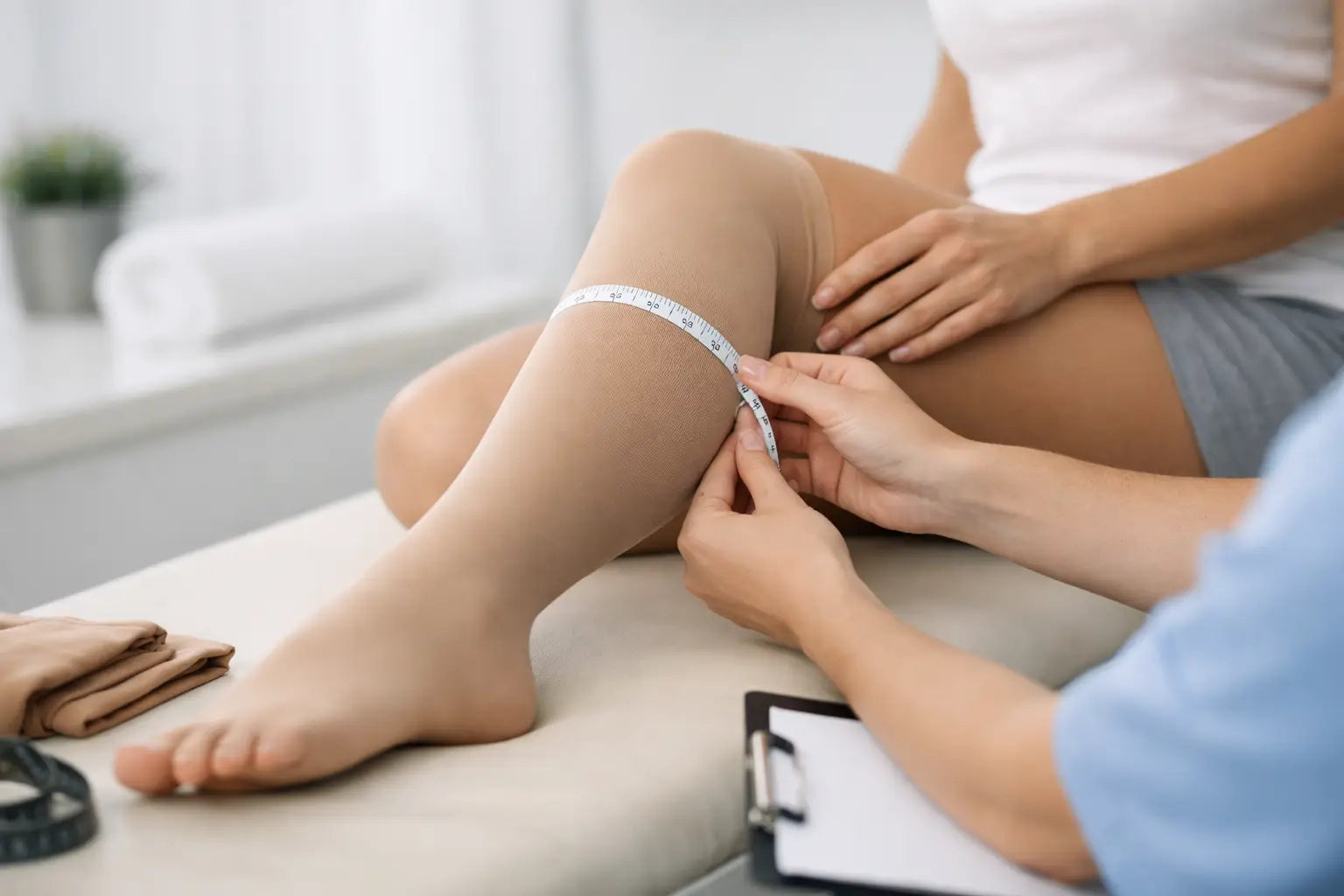
Measure the ankle circumference at the narrowest point above the ankle bone. This is often the most important measurement because compression is designed to be firmer at the ankle and gradually decrease higher on the leg.
Next, measure the calf circumference around the fullest part of the calf. Move the tape measure up and down slightly to find the widest point instead of assuming it is at the middle of the lower leg.
Finally, measure the lower-leg length from the floor or heel to the bend behind your knee, depending on the manufacturer's instructions. Many sizing charts refer to this as the ankle-to-knee or heel-to-knee length. Keep your knee slightly bent and measure to the crease at the back of the knee, not above it.
Thigh-High Compression Stockings
Thigh-high stockings need the ankle and calf measurements described above, plus thigh circumference and a longer leg measurement. Measure the thigh at the point specified by the sizing chart, often several inches below the gluteal fold. Do not guess at this location, since each brand may use a slightly different reference point.
Then measure the length from the floor or heel to the upper-thigh location requested by the chart. A thigh-high stocking should end below the gluteal fold. If the top band lands in the wrong place, it can roll, pinch, or slip during the day.
For people with a larger calf, a narrower ankle, or a fuller thigh, standard sizes may not provide the best balance. A wide-calf option, petite or tall length, or made-to-measure garment may be a better choice. The right size should not require stretching the top band far beyond its intended position.
Compression Pantyhose and Tights
Compression pantyhose require leg measurements along with body measurements. In addition to ankle, calf, thigh, and leg length, the chart may ask for hip circumference, waist circumference, height, and weight. Measure hips at their fullest point and waist at its natural crease, without holding your breath or pulling in your stomach.
Pantyhose sizing is especially brand-specific. Follow the chart for that exact item, even if you have successfully worn a different brand or style in the past. If your measurements fall into different size ranges, choose based on the manufacturer's guidance or ask a clinician or customer support representative for help before opening the package.
Read the Sizing Chart in the Right Order
Start with the ankle measurement, then compare your calf and length measurements. For most graduated compression products, ankle circumference has priority because it helps determine whether the garment can provide the correct pressure distribution. A stocking that is too loose at the ankle may not deliver the support you expect. One that is too small can be difficult to put on and uncomfortable to wear.
Do not size down simply because you want stronger compression. Stocking size and compression level are different decisions. Size determines the physical fit, while compression level describes how much pressure the garment applies, commonly expressed in mmHg. A higher mmHg number is not automatically better for every person or condition.
Mild over-the-counter compression may be suitable for some everyday uses, but moderate and firm compression can be recommended for specific medical reasons. If you have peripheral artery disease, reduced circulation, neuropathy, diabetes-related foot concerns, heart failure, open wounds, a history of blood clots, or an uncertain cause of swelling, consult your healthcare professional before using compression stockings.
Check the Fit When You Put Them On
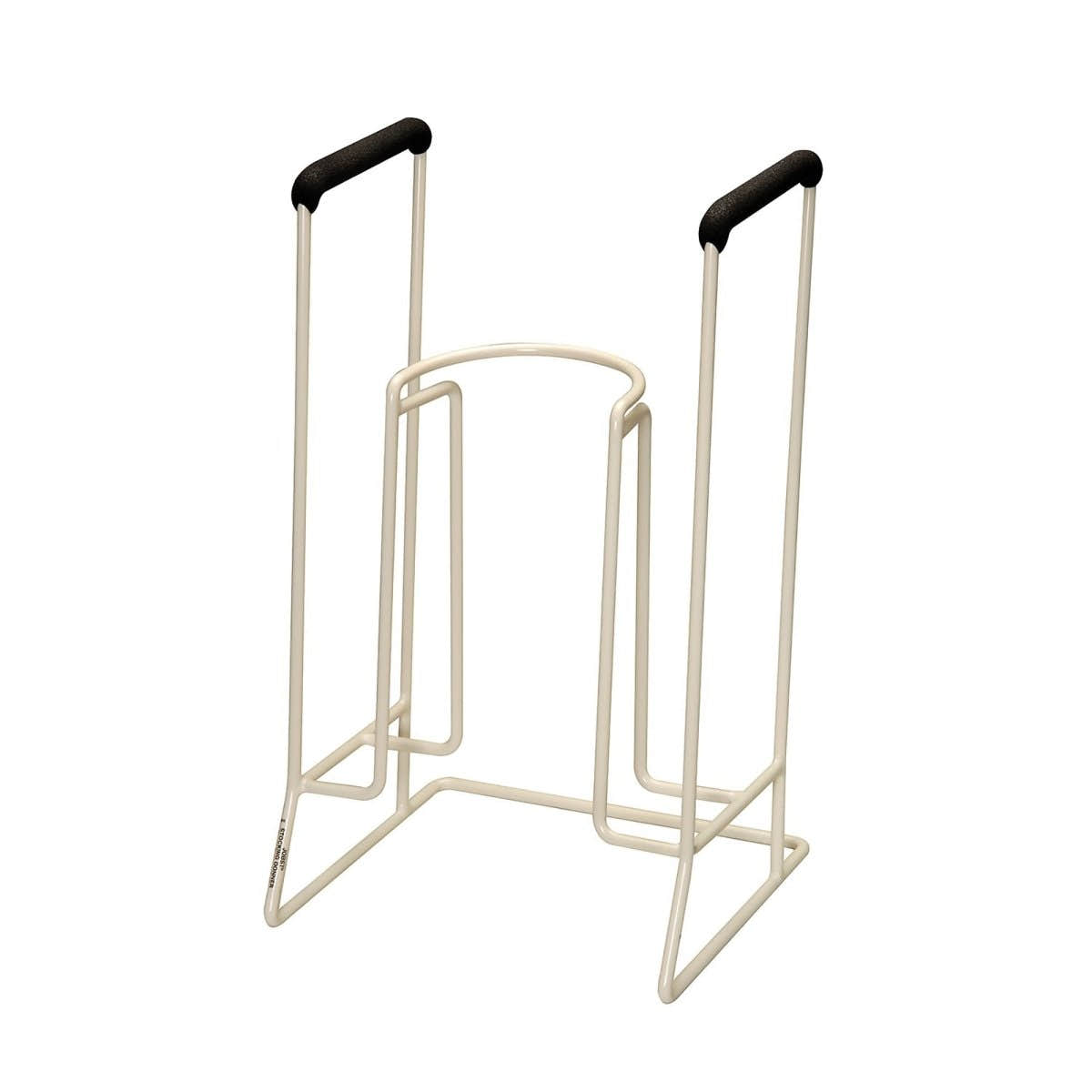
Even accurate measurements deserve a real-world fit check. Put stockings on in the morning, ideally before swelling starts. Work the fabric gradually up the leg rather than pulling hard from the top edge. The heel pocket should sit at your heel, the fabric should feel smooth, and there should be no folds or bunching behind the knee or at the ankle.
A properly fitted stocking should feel snug and supportive, not painful. Mild pressure is expected, especially with higher compression levels, but numbness, tingling, throbbing, cold toes, discoloration, skin indentations that do not fade, or increasing pain are signs to remove the garment and seek guidance.
Avoid rolling or folding the top band down. That can create a tight, tourniquet-like area and interfere with comfort. If the stocking repeatedly rolls, slides, or wrinkles, recheck your measurements and length. It may also mean the style is not well suited to your leg shape.
Common Measurement Mistakes to Avoid
The most common mistake is measuring late in the day after swelling has increased. Another is using a general clothing size instead of the stocking's own chart. Compression garments are designed around precise leg dimensions, not standard pants or shoe sizing.
People also sometimes measure only one leg. This can matter after surgery, injury, or with conditions that cause uneven swelling. Record the ankle, calf, thigh, and length for both legs, then use the larger relevant measurement when selecting a single pair size.
Finally, replace stockings when they lose their stretch, become thin, or no longer stay in place. With regular wear and washing, compression fibers gradually wear out. A stocking may still look fine while providing less support than it did when new.
Taking careful measurements is a small step that can make compression stockings easier to wear and more useful in your routine. Keep your measurements with the product details for future reorders, and ask for professional guidance whenever your symptoms, swelling pattern, or care plan changes.