
The first days home with a new baby can make basic tasks feel unexpectedly complicated. Having postpartum recovery essentials within reach helps reduce last-minute errands and lets you focus on rest, feeding, bonding, and following your care plan. The right supplies depend on whether you had a vaginal birth or cesarean delivery, whether you are breastfeeding, and how your recovery is progressing.
This is not about creating a perfect recovery kit. It is about preparing a practical, comfortable space with the products you are likely to use often, plus knowing which symptoms deserve a call to your maternity care team.
Postpartum Recovery Essentials for Physical Comfort
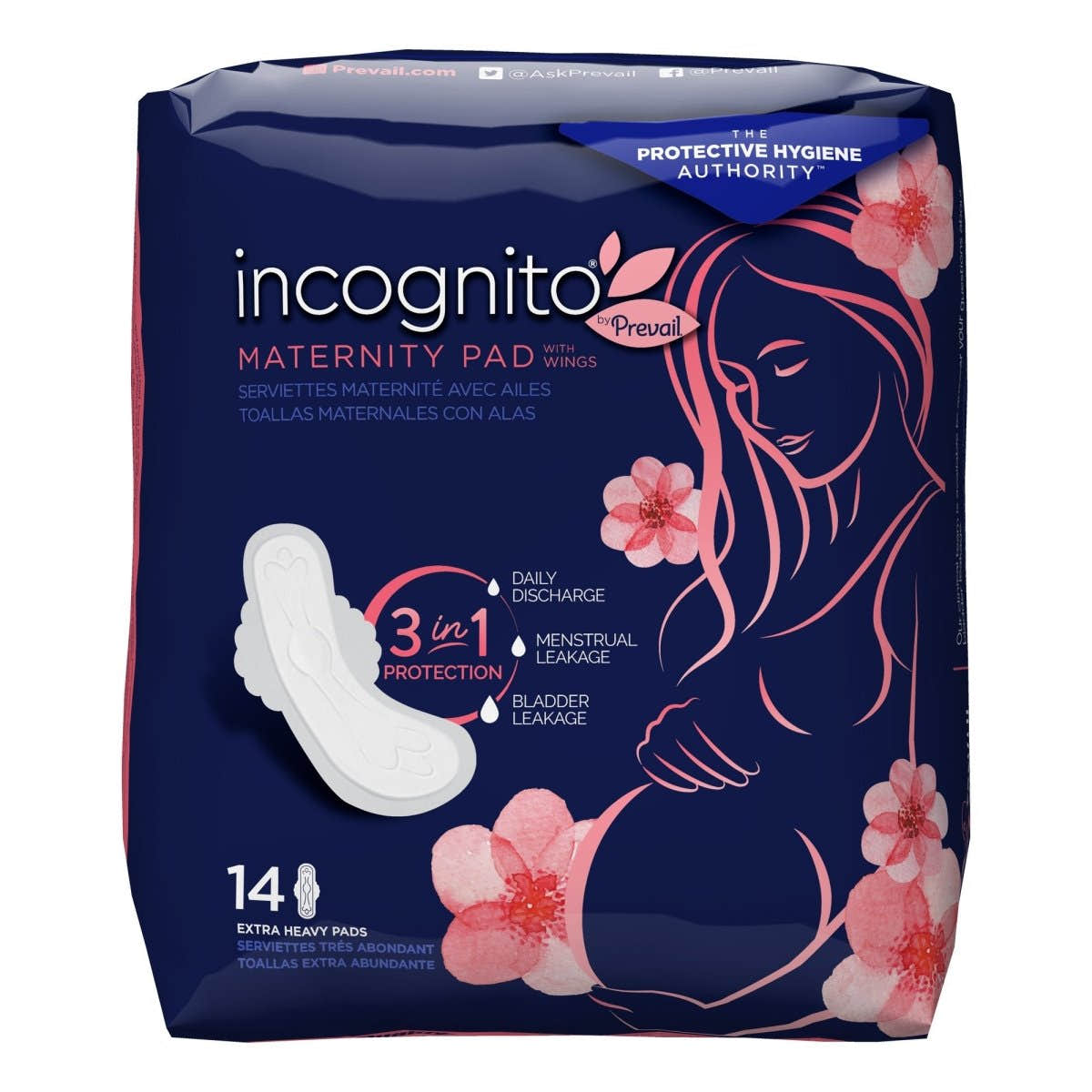
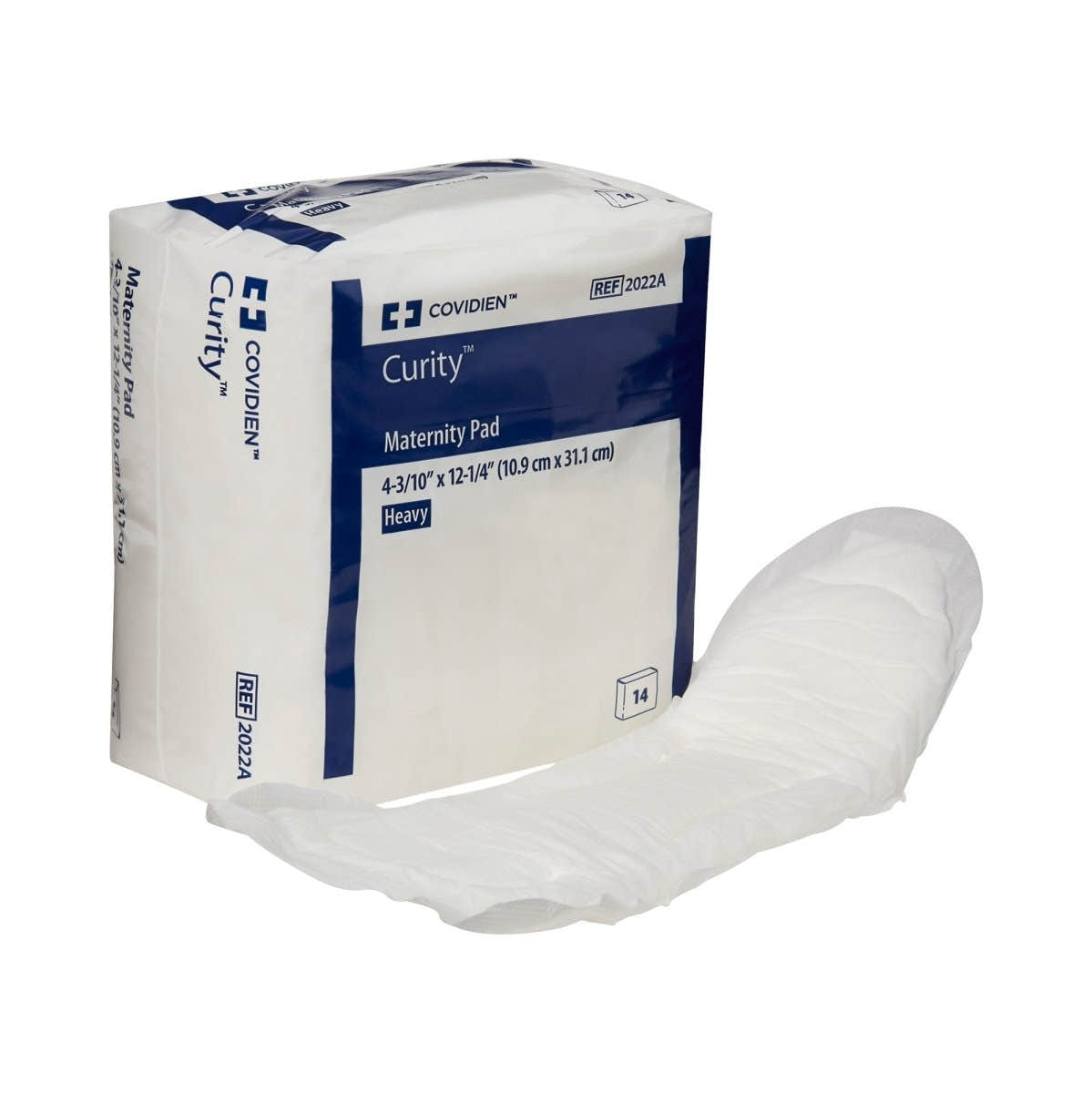
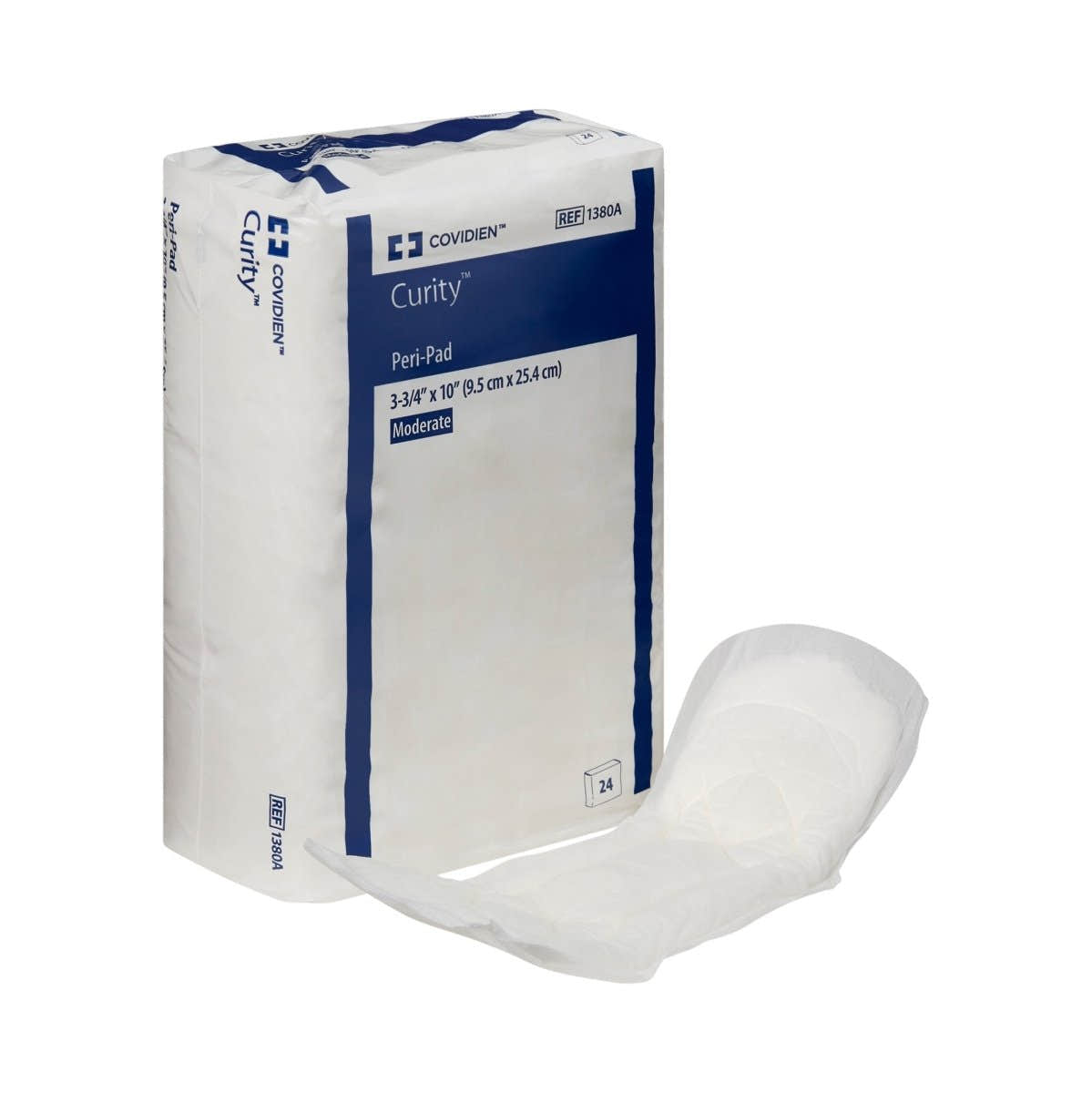
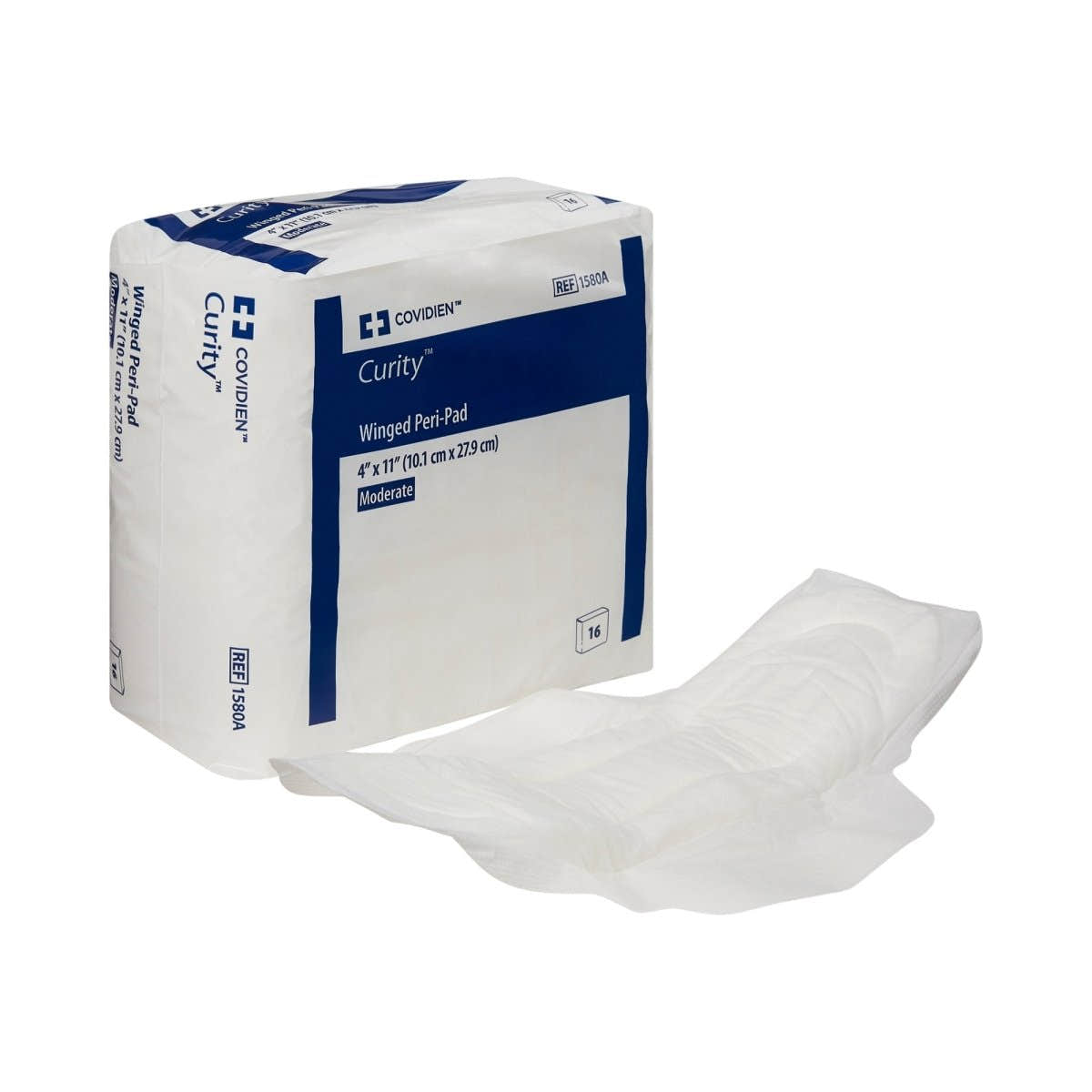
Bleeding and discharge after birth, called lochia, are normal. Flow is often heaviest in the first several days, then gradually becomes lighter over the following weeks. Regular pads may not provide enough coverage at first, so many new parents prefer heavy-absorbency postpartum pads or disposable protective underwear. Choose products that feel soft, stay in place, and are easy to change frequently.
Disposable underwear can be especially convenient overnight or when getting in and out of bed is uncomfortable. Reusable high-waisted underwear is another option once bleeding is lighter. A small supply of disposable bed pads or underpads can protect bedding, chairs, or the car on the trip home. They are also useful if milk leaks become a concern while feeding.
For vaginal birth recovery, perineal care supplies can make bathroom trips less stressful. A peri bottle allows you to rinse with warm water rather than wiping, which can be more comfortable around stitches, swelling, or hemorrhoids. Witch hazel pads, cold packs designed for postpartum use, and a soft sitz bath can offer relief for soreness. Follow your clinician's instructions about any medications, numbing sprays, or medicated products.
If you had a cesarean delivery, prioritize loose clothing and underwear that will not rub against the incision. Keep any incision care supplies recommended by your care team organized in one place. Do not apply creams, powders, or dressings to the incision unless you have been told to do so. A small pillow can provide gentle support when coughing, laughing, or riding in a car.
Build a Recovery Station Where You Rest
A recovery station saves energy when you are spending much of the day feeding, holding your baby, or resting. A bedside basket, rolling cart, or tote works well. Include water, snacks, your phone charger, prescribed medications, a thermometer, tissues, and the hygiene supplies you use most.
Consider keeping these items together:
- Heavy pads or disposable protective underwear for bleeding protection
- Peri bottle, cleansing wipes without fragrance, and postpartum cold packs
- Nursing pads, nipple care products, and a supportive nursing pillow if breastfeeding
- Disposable underpads for beds, chairs, or other surfaces that need extra protection
- A water bottle, shelf-stable snacks, and a pill organizer for approved medications
Breastfeeding and Feeding Support
Feeding a newborn takes time, regardless of how you feed your baby. For breastfeeding parents, a few basic supplies can improve comfort: absorbent nursing pads, soft bras or tanks, nipple cream approved for breastfeeding, and a nursing pillow or firm regular pillow for positioning. Change damp nursing pads promptly to help protect skin.
Breastfeeding should not cause persistent severe pain, cracked or bleeding nipples, fever, or a hot, tender area of the breast. These issues need timely guidance from a lactation professional or medical provider. Breast fullness can be normal as milk comes in, but worsening pain or flu-like symptoms should not be ignored.
Formula-feeding families may find it helpful to set up a simple feeding area with clean bottles, prepared supplies as directed, burp cloths, and a way to track feeding times if desired. Your own nutrition and hydration matter, too. Easy-to-reach protein snacks, water, and balanced meals support recovery when your schedule is unpredictable.
Mobility, Rest, and Everyday Care
Recovery is easier when you reduce unnecessary strain. Place frequently used items at waist height, avoid lifting anything heavier than your baby unless your clinician says otherwise, and move carefully when standing from bed or a chair. After a cesarean birth, recovery restrictions may be more specific, so follow the instructions you received at discharge.
Compression garments, abdominal support bands, and compression socks may be helpful for some people, but they are not right for everyone. Ask your maternity care team before using them, particularly if you have high blood pressure, circulation concerns, pain, swelling, or a surgical incision. Comfort and proper fit matter more than tightness.
Rest can be difficult to prioritize with a newborn, but small stretches count. Try to lie down when another adult is holding the baby, accept practical help, and keep a clear path between your bed and bathroom. A night-light, supportive pillows, and slip-resistant footwear can make those frequent nighttime trips feel safer.
Constipation is also common after delivery, especially after pain medicine or surgery. Water, fiber-rich foods, gentle walking when approved, and stool-softening medication recommended by your provider can help. Do not strain if you have stitches, hemorrhoids, or pelvic discomfort. Call your care team if constipation is severe or ongoing.
When Postpartum Symptoms Need Medical Care
Some discomfort, fatigue, cramping, and mood changes are expected during recovery. But postpartum complications can develop quickly, even after a routine birth. Trust your instincts when something feels wrong.
Contact your maternity care team promptly for bleeding that becomes heavier instead of lighter, large clots, worsening pelvic or incision pain, a fever, foul-smelling discharge, painful urination, or an incision that is opening, increasingly red, warm, swollen, or draining fluid. Ask about any symptom that concerns you, especially if it is getting worse rather than better.
Seek emergency care right away for chest pain, trouble breathing, fainting, seizures, sudden confusion, severe headache with vision changes, severe upper abdominal pain, or one-sided leg pain and swelling. These can be signs of serious postpartum conditions and should not wait for a routine appointment.
Mental health deserves the same attention as physical healing. Brief tearfulness and overwhelm can happen as hormones shift and sleep is limited. Persistent sadness, intense anxiety, panic, hopelessness, trouble sleeping even when you have the opportunity, or frightening thoughts about harming yourself or your baby require immediate support. In the US, call or text 988 for the Suicide & Crisis Lifeline if you are in crisis, or call 911 for an immediate emergency.
Plan for Reordering, Not Just the First Week
Many recovery products are used more quickly than expected. Stock enough pads, protective underwear, nursing pads, underpads, and personal care supplies for the first several days, then plan an easy way to replenish what works for you. Buying familiar products online can be especially helpful when leaving home feels difficult or you are managing newborn care.
CartHealth offers home health and personal care categories that can help families keep everyday recovery supplies on hand without adding another store stop. Choose products based on absorbency, skin sensitivity, fit, and ease of use rather than buying a large quantity of an item you have not tried before.
Recovery rarely follows a perfectly predictable schedule. Set up your space for comfort, keep your care team's number handy, and give yourself permission to ask for help early. A few well-chosen supplies can make the practical parts of healing feel more manageable, one day at a time.