
Skin breakdown can begin with a small red area, a tender spot, or skin that stays damp after a brief change. For someone with limited mobility, incontinence, diabetes, or fragile skin, that small change can worsen quickly. Knowing how to prevent skin breakdown means building a consistent home-care routine around pressure relief, gentle cleansing, moisture management, nutrition, and early action.
This is not about creating a complicated clinical routine. It is about noticing what the skin needs every day and having the right supplies close by, whether you are caring for yourself, a parent, a spouse, or someone recovering at home.
Why Skin Breakdown Happens
Skin is more likely to break down when it faces repeated pressure, friction, moisture, or irritation. Pressure injuries can develop when a person stays in one position too long, especially over bony areas such as the tailbone, hips, heels, ankles, elbows, and shoulder blades. A person may not feel discomfort or be able to shift their weight independently, so the warning signs can be easy to miss.
Moisture is another common cause. Urine, stool, sweat, wound drainage, and even damp bedding can soften the skin and make it more vulnerable to tearing. This is often called moisture-associated skin damage. Friction from sliding across sheets, transferring from a bed to a wheelchair, or poorly fitting footwear can add to the problem.
Age, poor circulation, diabetes, dehydration, limited mobility, weight changes, and inadequate protein intake can all affect skin strength and healing. Prevention should account for the whole person, not just the spot where irritation appears.
How to Prevent Skin Breakdown With Daily Checks
A brief skin check once a day can catch problems before they become wounds. For people at higher risk, check during bathing, dressing, incontinence care, and position changes. Use good lighting and look carefully at the heels, buttocks, groin, skin folds, hips, lower back, elbows, and anywhere a brace, oxygen tubing, catheter, or medical device rests against the skin.
Healthy skin should return to its normal color after pressure is removed. Watch for redness that does not fade, purple or darkened areas, warmth, swelling, firmness, tenderness, blisters, cracks, or open skin. On darker skin tones, a pressure area may look purple, blue, gray, or darker than surrounding skin rather than bright red. It may also feel warmer, firmer, or more painful.
Do not massage a red or discolored pressure area. Massage can damage already stressed tissue. Instead, remove pressure from the area and reassess it. If discoloration does not improve, or if there is an open wound, contact a healthcare professional promptly.
Keep a Simple Record
For ongoing care, a quick note can be useful: where the area is, when it was first noticed, whether it changed, and what may have contributed. This helps family caregivers communicate clearly with nurses or clinicians and identify patterns, such as irritation after a new incontinence product or prolonged time in a recliner.
Reduce Pressure Before It Becomes a Problem
Regular repositioning is one of the most effective ways to help prevent pressure injuries. The right schedule depends on the person, their mobility, the support surface they use, and guidance from their healthcare team. Someone who can move independently may need reminders to shift weight often. Someone who cannot reposition without help may need a structured turning schedule.
In bed, use pillows or positioning supports to keep knees and ankles from pressing together and to float the heels off the mattress when appropriate. Avoid placing pressure directly on the tailbone for long periods. In a chair or wheelchair, encourage frequent weight shifts if the person can safely do them. A properly selected wheelchair cushion may help distribute weight more evenly, but it does not replace repositioning.
Transfers matter, too. Sliding a person across sheets or pulling them by the arms can create friction and shear, which occurs when the skin stays in place while deeper tissue moves. Use a draw sheet, transfer aid, or other equipment recommended by a care professional. Keep the head of the bed as low as safely possible when resting, since sitting upright for long periods can increase sliding and pressure at the tailbone.
Manage Moisture Without Over-Cleansing
Clean skin promptly after urinary or bowel incontinence, but avoid harsh scrubbing. Use a gentle, no-rinse cleanser or mild cleanser with warm water, then pat the skin dry. Rubbing can irritate delicate skin, especially in the groin and buttock area.
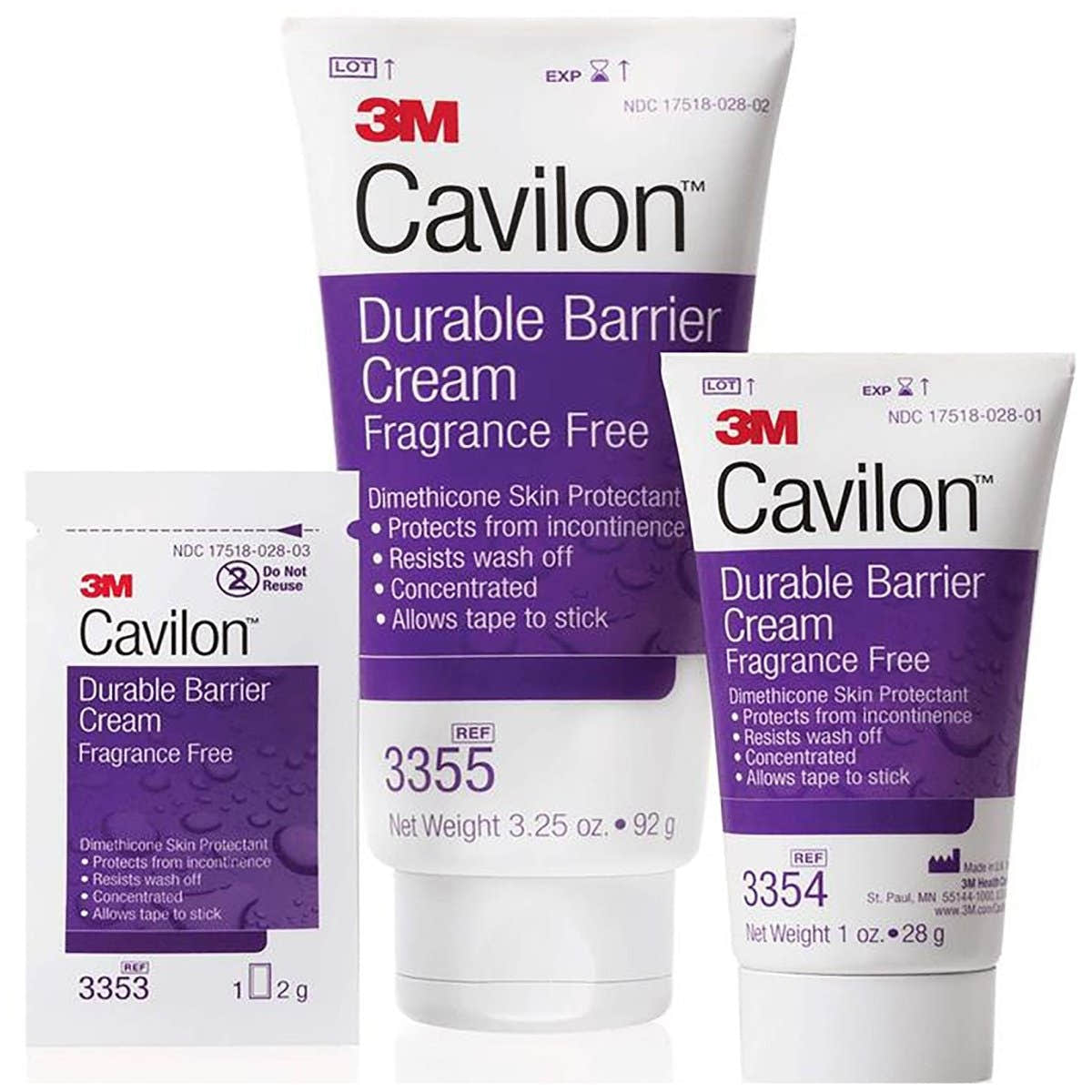
After cleansing, apply a moisture barrier product as directed. Barrier creams, ointments, and protective wipes can help shield skin from urine and stool. The best choice depends on skin condition and the type of incontinence product being used. Thick layers are not always better, particularly if they interfere with absorption or make cleansing difficult. Apply enough to create a protective layer, then reapply after cleansing as needed.
Choose absorbent briefs, protective underwear, pads, or underpads that fit properly and match the person’s level of need. A product that leaks, bunches, or stays against the skin too long can increase irritation. Change products regularly, even when they are not heavily soiled. Breathable clothing and dry, smooth bedding also reduce heat and moisture buildup.
Be Careful With Skin Folds
Under the breasts, abdomen, groin, and other skin folds, moisture and rubbing can lead to redness, odor, itching, or a rash. Clean and dry these areas thoroughly. Use products recommended by a clinician when a fungal rash is suspected, as ordinary barrier cream may not address the underlying cause.
Clean Gently and Protect Fragile Skin
Hot water, fragranced soaps, alcohol-heavy products, and frequent scrubbing can strip the skin’s natural protective barrier. Use lukewarm water and gentle products. After bathing, apply a fragrance-free moisturizer to dry, intact skin, especially on arms, legs, and feet. Do not apply moisturizer between toes if that area stays damp or is prone to fungal infection.
Keep fingernails trimmed, and use soft fabrics when possible. Remove wrinkles from sheets, crumbs from the bed, and objects from pockets before someone lies down. Inspect footwear for rough seams or pressure points, particularly for people with diabetes, neuropathy, or poor circulation.
Medical devices deserve the same attention. Check under oxygen tubing, braces, compression garments, prosthetics, and catheter tubing. If a device leaves a persistent mark, rubs, or causes pain, ask the prescribing clinician how to adjust it safely. Do not alter essential medical equipment without guidance.
Support Skin From the Inside
Skin needs fluid, calories, protein, vitamins, and minerals to stay resilient and repair itself. A person with a poor appetite, swallowing difficulty, recent illness, or an existing wound may need a more individualized nutrition plan. Protein-rich foods, adequate fluids, and clinician-recommended nutritional drinks can be helpful when regular meals are not enough.
There is no single diet that prevents every skin problem. Some people need fluid restrictions because of heart or kidney conditions, while others may need diabetes-friendly meal planning. A doctor, registered dietitian, or wound care specialist can help match nutrition support to the person’s medical needs.
When to Call a Healthcare Professional
Home prevention routines are valuable, but some skin changes need prompt medical attention. Contact a healthcare professional for an open area, blister, black or purple discoloration, drainage, foul odor, spreading redness, fever, increasing pain, or skin that is not improving after pressure is relieved. People with diabetes, impaired circulation, or reduced sensation should be especially cautious, since wounds on the feet or lower legs can become serious quickly.
If a person is newly unable to move, has frequent incontinence episodes, or is losing weight, ask their care team for a skin-risk assessment. A nurse, therapist, or wound care clinician can recommend a turning plan, support surface, cushion, transfer method, or dressing based on the person’s needs.
Make Prevention Easier to Keep Up With
The most effective routine is the one caregivers can follow consistently. Keep commonly used items together: gentle cleanser, soft cloths, disposable gloves, incontinence products, barrier cream, moisturizer, clean linens, and a way to document skin changes. Reordering familiar supplies before they run low avoids rushed substitutions that may not fit or perform the same way.
Skin care is often a series of small decisions made throughout the day - changing a damp brief promptly, smoothing a sheet, checking a heel, offering fluids, or helping someone shift position. Those actions may seem ordinary, but they protect comfort, dignity, and health. When something looks different, trust the change you see and get help early.