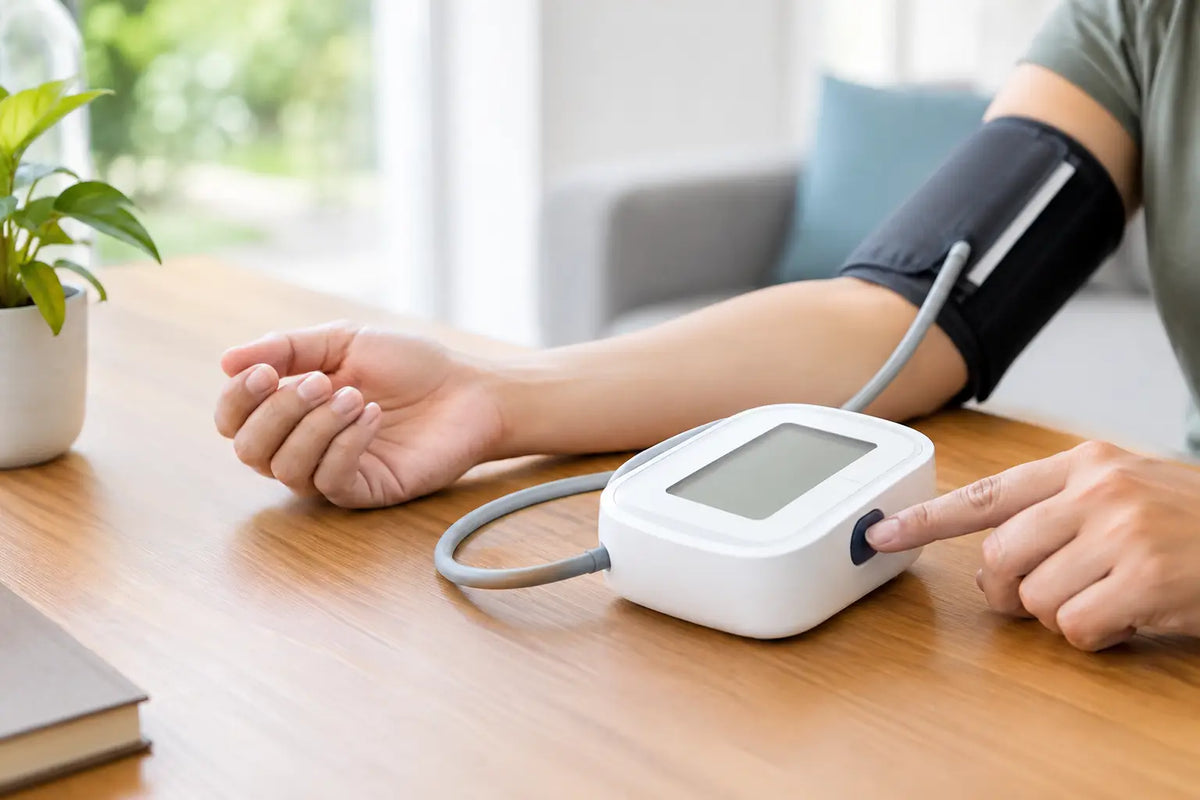
A home blood pressure monitor can turn a quick check into useful information for a doctor, caregiver, or anyone managing a long-term condition. But a blood pressure monitor review should look beyond a large screen or a low price. The monitor needs to fit correctly, produce dependable readings, and be simple enough to use consistently.
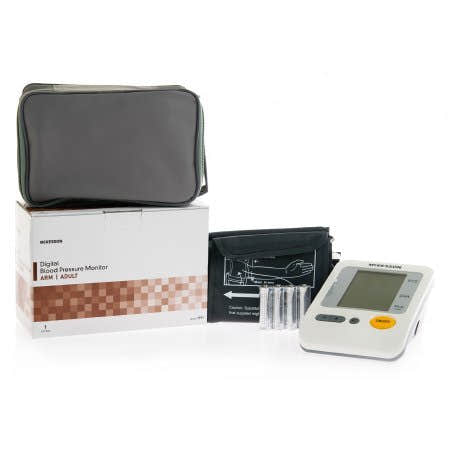
For most adults, an automatic upper-arm monitor is the practical starting point. It is generally easier to position correctly than a wrist device and is commonly recommended for home tracking. The best choice still depends on arm size, vision, hand strength, memory needs, and whether one person or several people will use the device.
Blood Pressure Monitor Review: What Matters Most
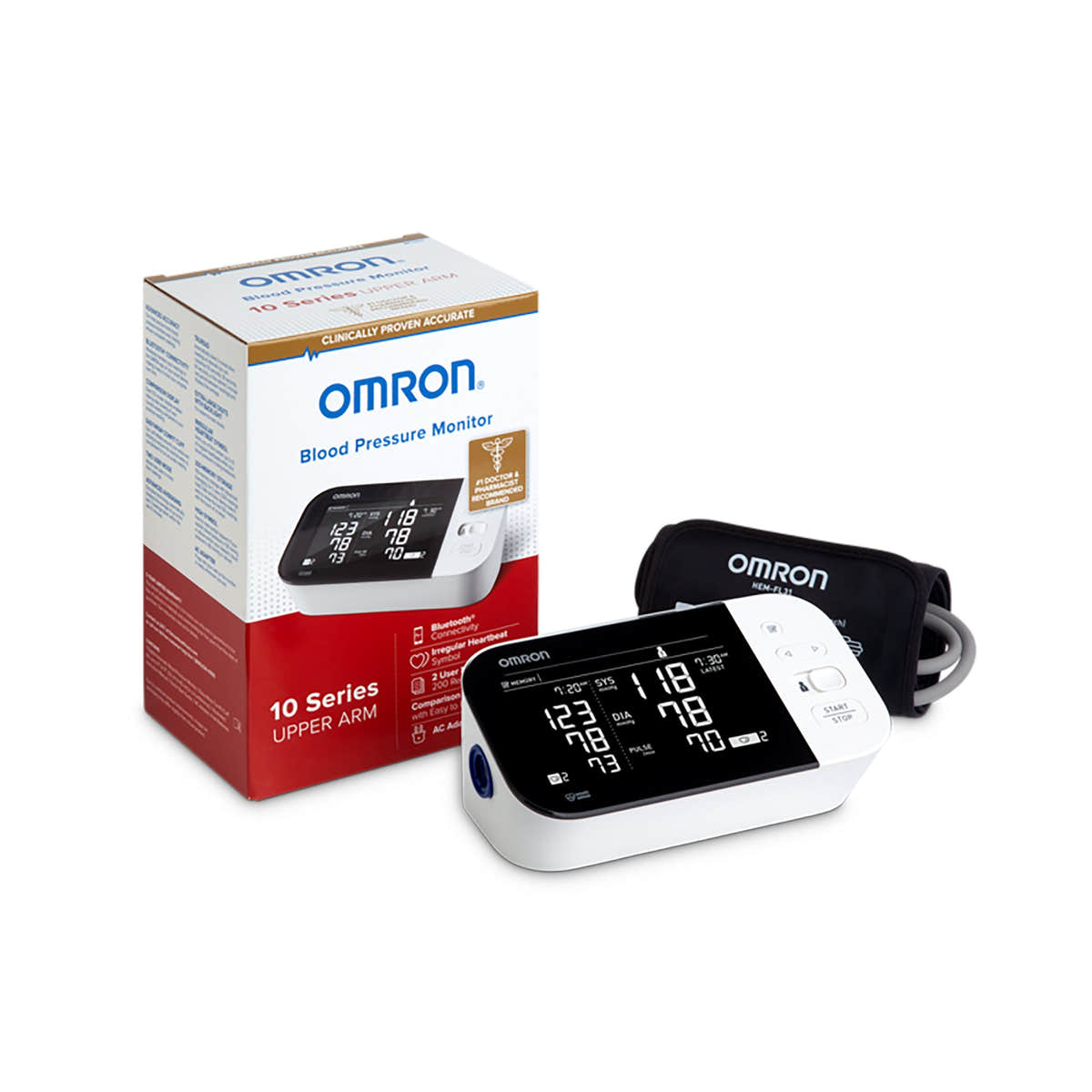
A monitor is only helpful when its readings are trustworthy. Look first for a model that has been clinically validated for accuracy. Validation means the device has been tested against accepted measurement standards rather than simply designed to estimate blood pressure. Product packaging and specifications may identify validation status, but if there is any uncertainty, ask a healthcare professional which monitor features are appropriate for your care plan.
The cuff is just as important as the monitor itself. A cuff that is too small can produce readings that are higher than they should be, while a cuff that is too large may affect accuracy in the other direction. Before ordering, measure the circumference of the upper arm at the midpoint between the shoulder and elbow. Compare that measurement with the cuff range listed for the monitor, not just a general label such as “standard adult.”
Some households need a large or extra-large cuff, and some need a smaller adult cuff. If your arm measurement falls near the edge of a stated range, choosing a monitor with a better-fitting cuff or an available replacement cuff may be the safer option. For people with limited hand mobility, consider whether the cuff is easy to wrap and fasten without assistance.
Upper-Arm vs. Wrist Blood Pressure Monitors
Upper-arm monitors are usually the preferred option for routine home use. The cuff sits on the upper arm, where positioning is more consistent, and the monitor can be used while seated at a table. They are available in simple one-button designs as well as models with expanded memory, irregular heartbeat alerts, and multiple-user profiles.
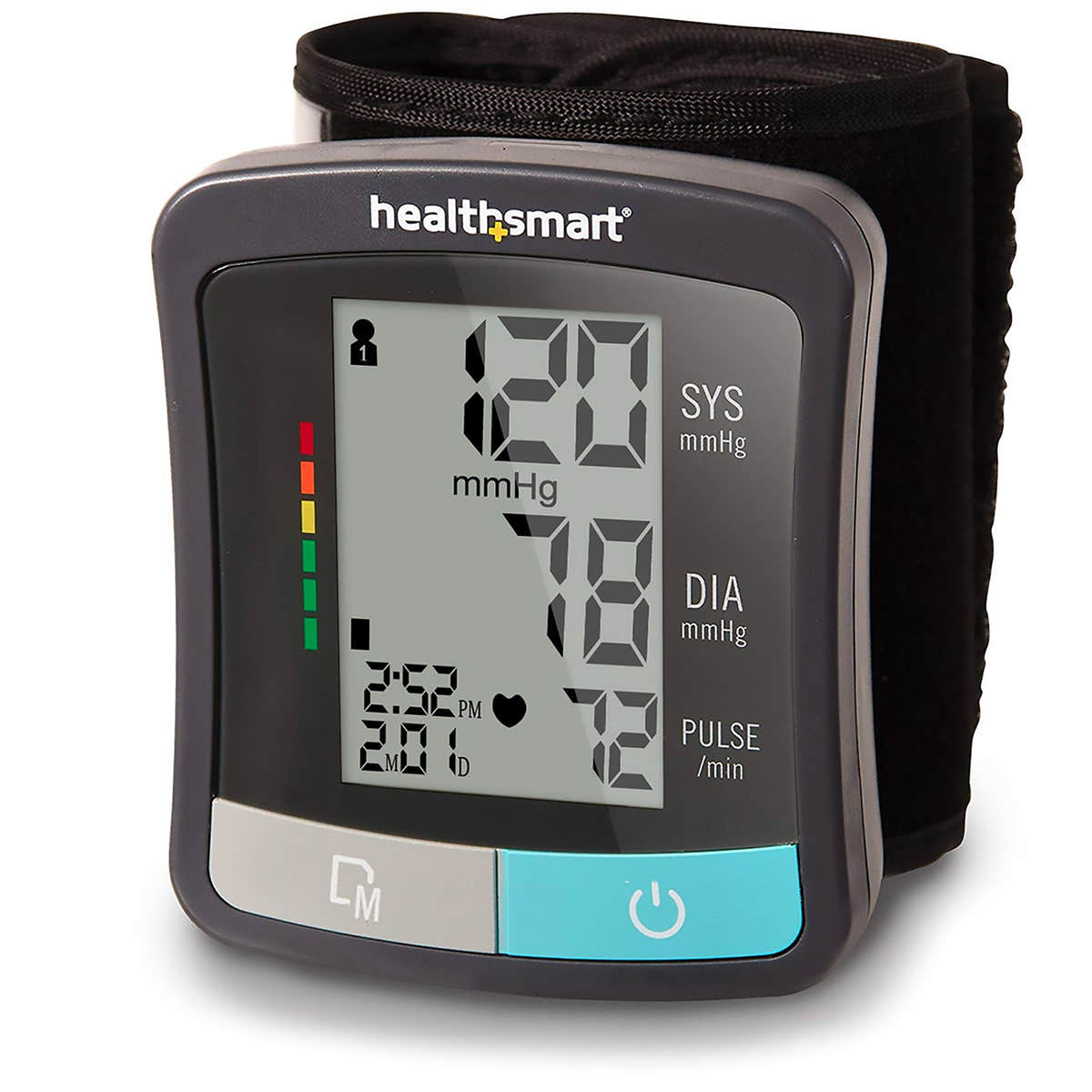
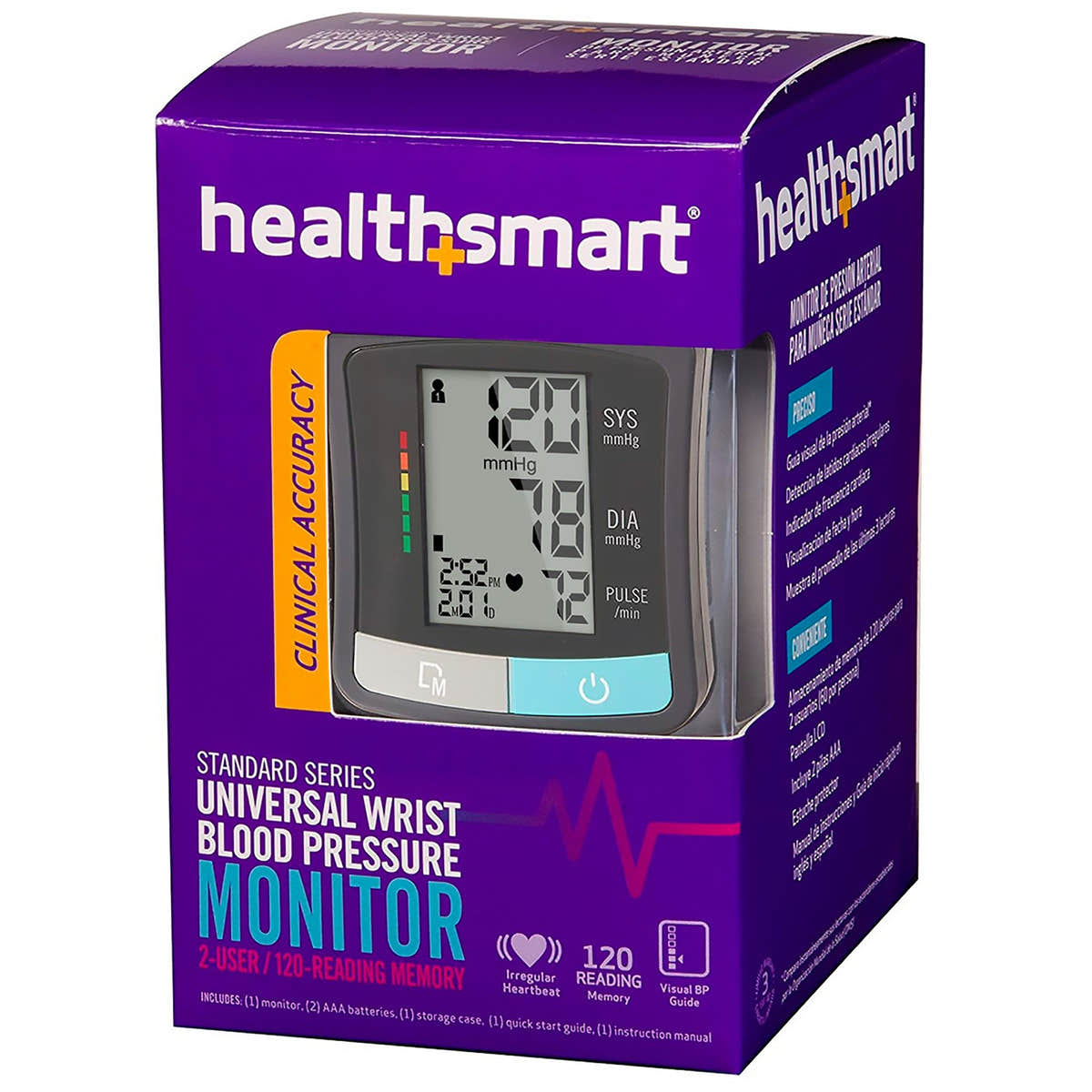
Wrist monitors can be useful when an upper-arm cuff does not fit well or is difficult to apply. They are compact and convenient for travel, but they require careful positioning. The wrist must be held at heart level during the reading, and small changes in posture can affect results. A wrist monitor can be a reasonable choice when used exactly as instructed, but it is not automatically the best choice simply because it takes up less space.
Manual blood pressure cuffs and stethoscopes are another category, but they require training and good hearing. For most patients and family caregivers, an automatic monitor reduces the chance of user error and makes regular tracking more manageable.
Features That Make Home Monitoring Easier
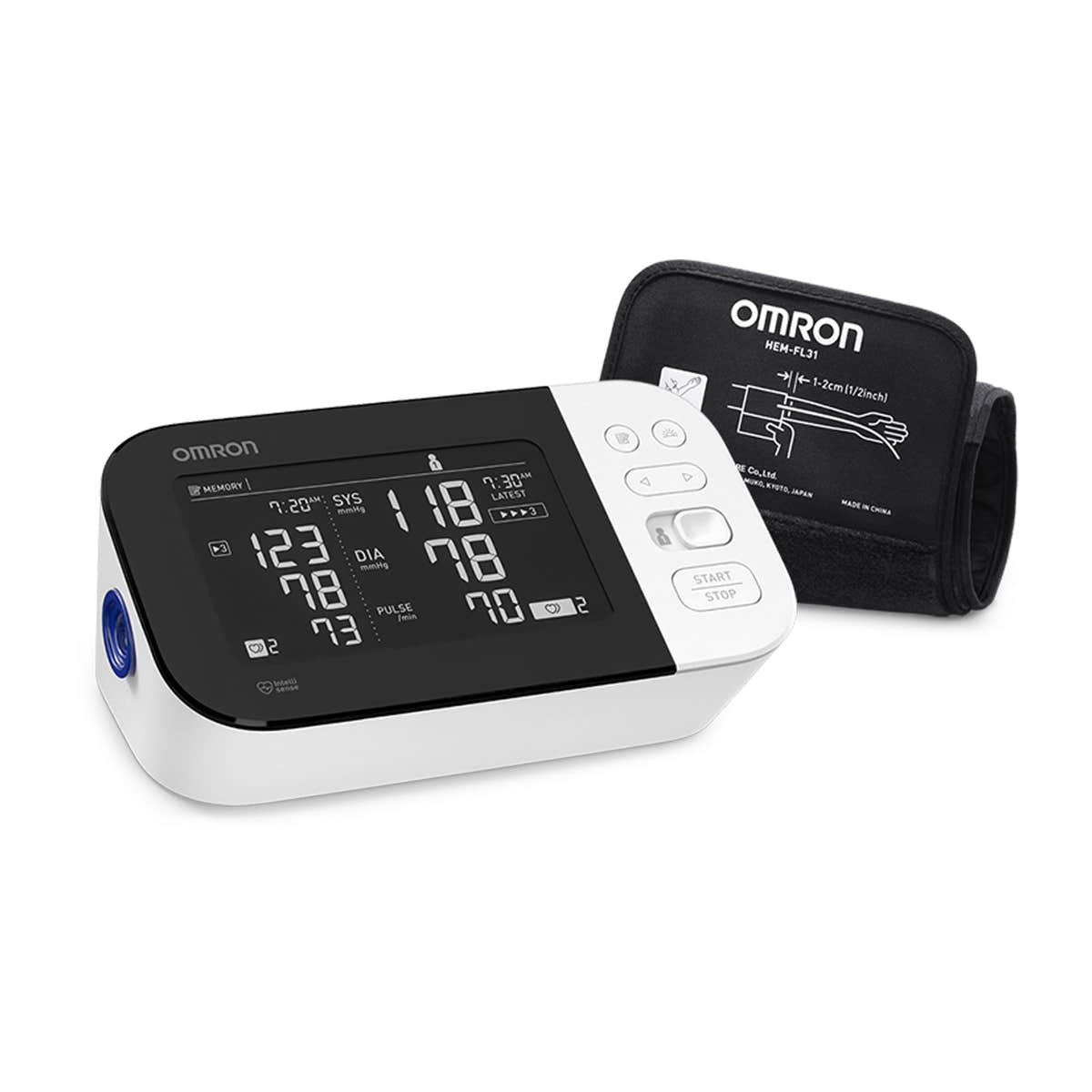
The right features are the ones that remove barriers to regular use. A large, high-contrast display can make a meaningful difference for seniors or anyone with low vision. Large buttons, clear symbols, and a cuff placement guide can also make the process less stressful.
Memory storage is especially useful if readings need to be reviewed over time. Some monitors save a limited number of readings, while others store hundreds for one or two users. If more than one person in the home is monitoring blood pressure, separate user profiles help prevent readings from being mixed together.
Other helpful features may include averaging, date and time stamps, irregular heartbeat notifications, and Bluetooth syncing. These options are convenient, but they are not necessary for every shopper. Someone who records results in a paper log may prefer a straightforward monitor with a clear screen over an app-connected model that adds setup steps.
Consider power source, too. Battery-operated monitors are portable and simple, while an AC adapter can be convenient for daily use at home. If the monitor will be used frequently, it helps to know whether batteries are included and whether the device can operate with either option.
Accuracy Depends on How You Use It
Even a well-designed monitor can give an unhelpful reading if it is used at the wrong time or in the wrong position. Follow the instructions included with the device and use the same routine whenever possible. In general, sit quietly for several minutes before measuring, keep both feet flat on the floor, rest the arm on a table, and avoid talking during the reading.
Avoid taking a measurement immediately after exercise, smoking, caffeine, or a stressful phone call. These factors can temporarily change blood pressure. It can also be helpful to take two readings about a minute apart and record both, especially if the first number seems unexpected.
Place the cuff directly on bare skin unless the device instructions say otherwise. Clothing under the cuff can interfere with the fit. Keep the tubing positioned as directed, and make sure the cuff is snug but not painfully tight.
A new monitor should be brought to a medical appointment when possible. A clinician can compare its reading with their equipment and confirm that the cuff size and technique are appropriate. This extra step is particularly valuable for people starting a new blood pressure medication, managing hypertension, or monitoring blood pressure during pregnancy.
Reading Results Without Overreacting
A single high reading does not always mean there is an emergency, and a normal reading does not replace ongoing medical care. Blood pressure changes throughout the day and can be influenced by stress, pain, activity, medications, and illness. The value of home monitoring comes from consistent readings over time.
Keep a record that includes the date, time, readings, and any relevant notes, such as medication changes or symptoms. This gives a healthcare provider a clearer picture than trying to remember numbers from several weeks ago. Many people find morning and evening checks useful, but follow the schedule recommended by your clinician.
If a reading is much higher or lower than usual, sit quietly and repeat it according to the device instructions. Contact a healthcare professional for guidance when readings remain concerning. Seek emergency care right away for severely elevated readings accompanied by symptoms such as chest pain, shortness of breath, weakness, confusion, vision changes, or difficulty speaking.
Choosing the Right Monitor for Your Household
For a single user who wants uncomplicated daily checks, a clinically validated upper-arm monitor with a properly sized cuff, a readable display, and basic memory is often enough. For couples, family caregivers, or households tracking several conditions, dual-user memory and easy-to-review stored results may be worth the added cost.
Travelers may prioritize a compact design and battery operation. People with arthritis, tremors, or reduced hand strength may benefit from a cuff that is easier to secure or from caregiver assistance during readings. If the person using the monitor has an irregular heartbeat or a condition that affects circulation, it is wise to ask a clinician whether a particular monitor type is suitable.
Price matters, but it should not be the only deciding factor. A discounted monitor is not a good value if the cuff does not fit or the display is hard to read. On the other hand, the most feature-packed device may not be necessary when a simple, validated monitor will be used reliably every day.
When shopping for home health essentials, CartHealth customers can focus on the details that support repeatable care: the right cuff range, easy operation, readable results, and features that match the household’s routine. A monitor that feels simple and comfortable to use is more likely to stay on the table instead of in a drawer - and that consistency can make each reading more useful.