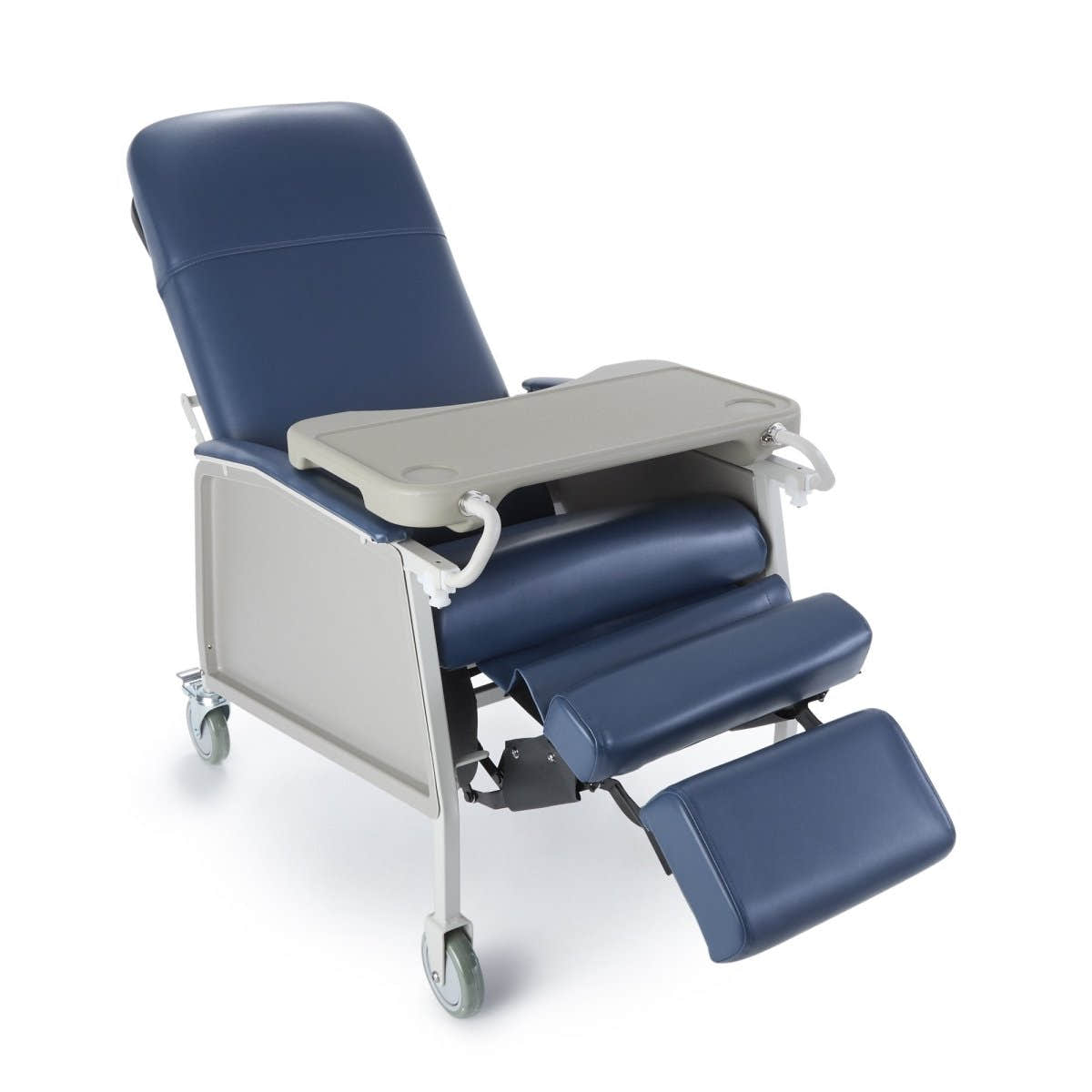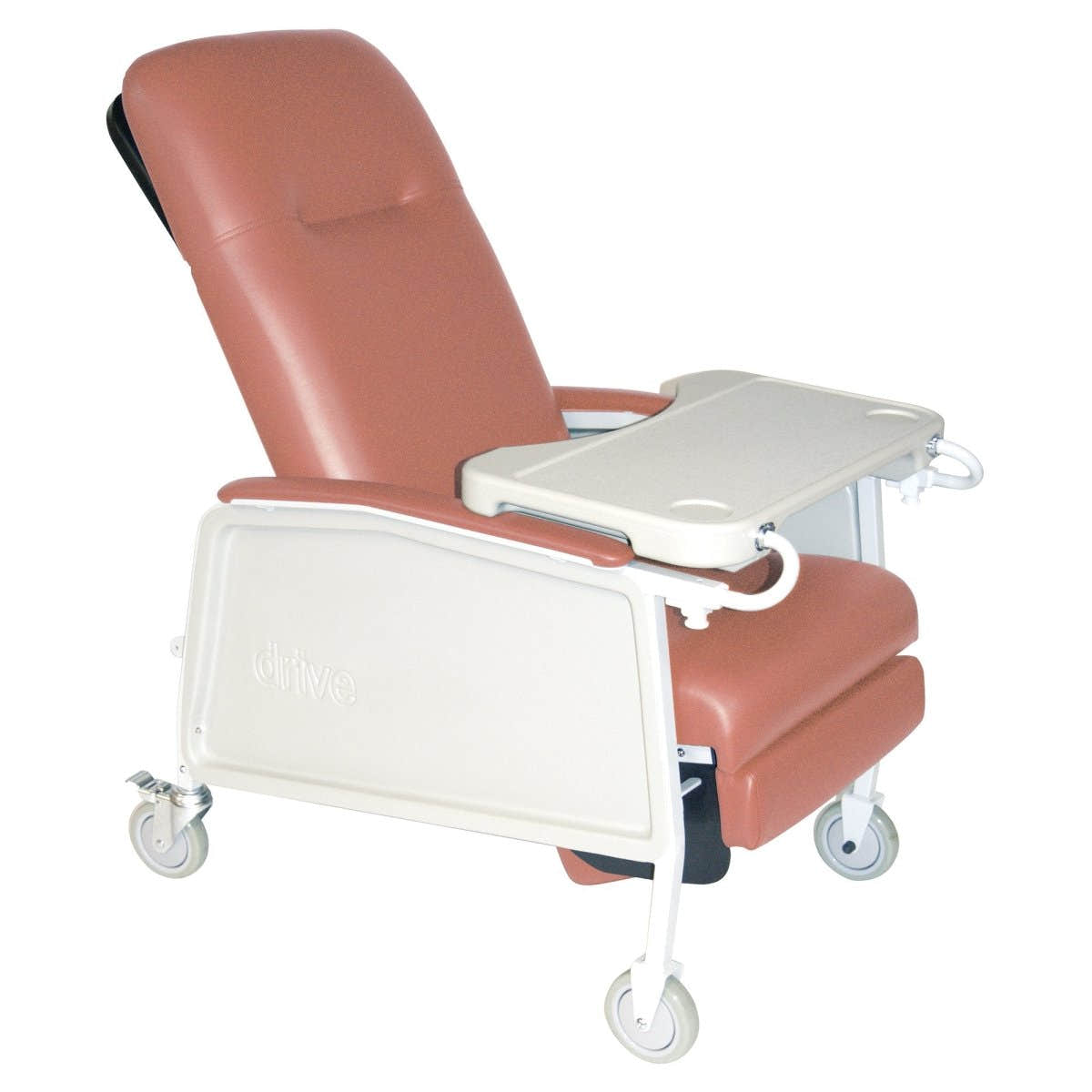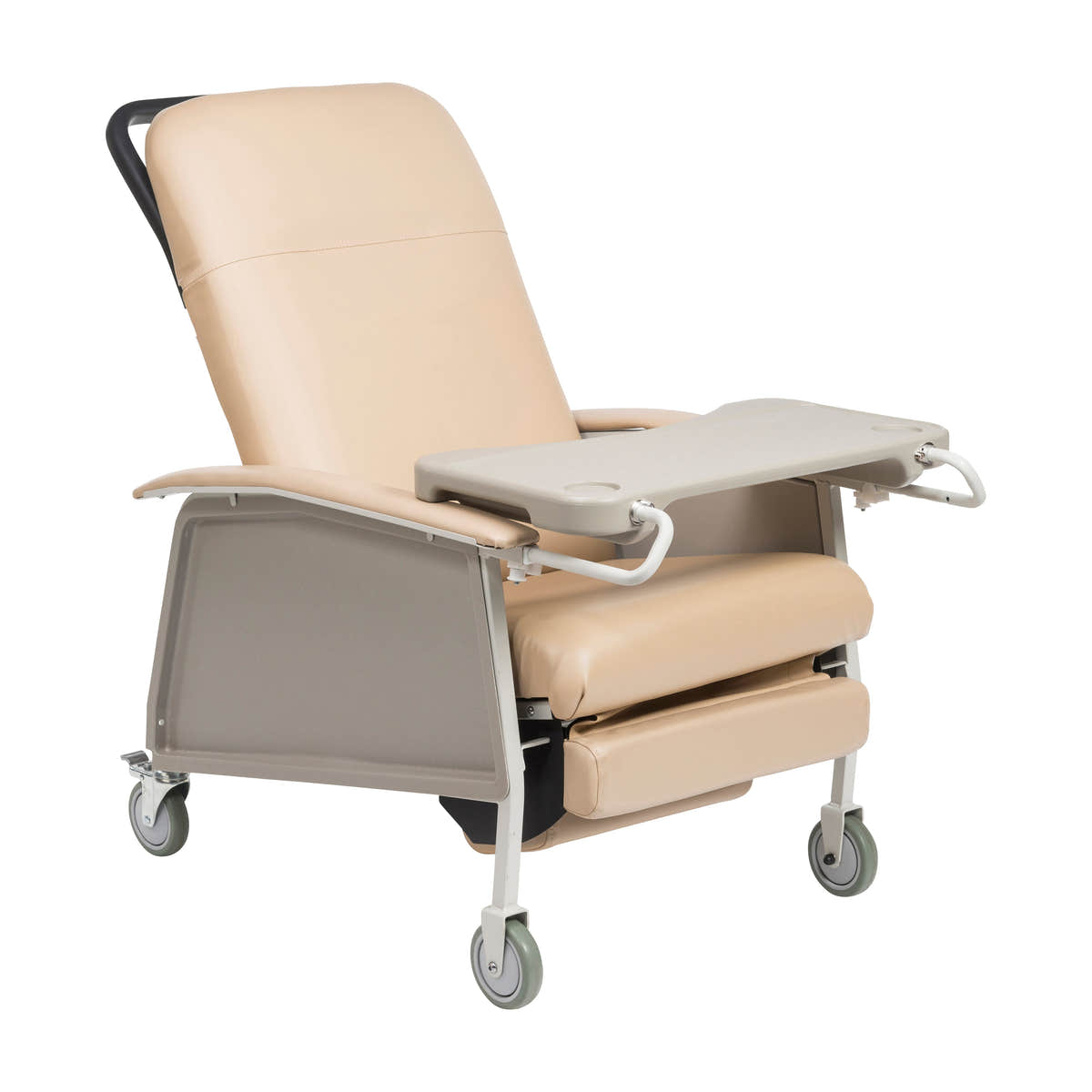
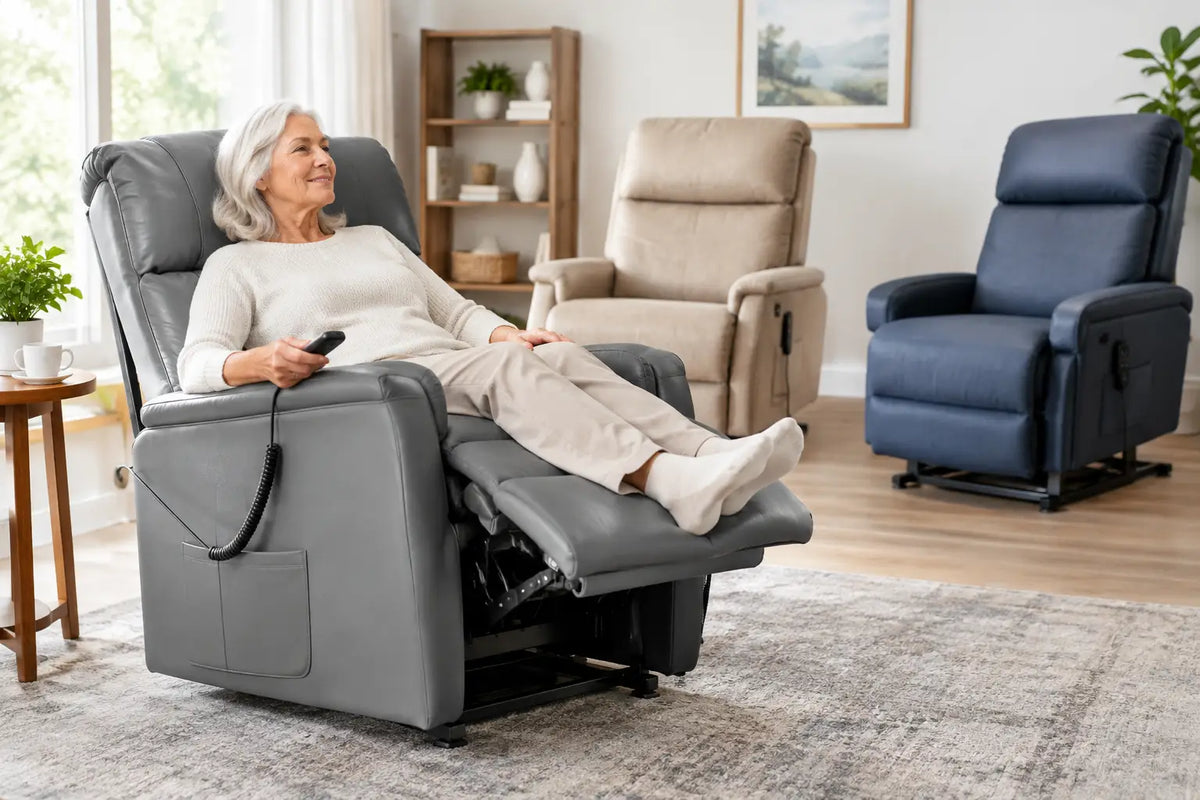
When sitting becomes tiring, painful, or difficult to manage safely, medical recliner chairs can make a meaningful difference in day-to-day home care. They provide a supportive place to rest, eat, visit with family, recover after a procedure, or elevate the legs without requiring repeated trips to bed. For many people, the right chair also gives caregivers a safer, more practical way to assist with transfers and personal care.
A medical recliner is not simply a living room recliner with a different label. Models designed for home health use may offer easier-to-clean surfaces, more stable positioning, pressure-relieving cushions, leg elevation, removable components, and power controls. The best choice depends on the user's mobility, diagnosis, body size, care routine, and available space at home.
What Makes Medical Recliner Chairs Different?
Medical recliner chairs are built around comfort and positioning needs that standard furniture may not address. A traditional recliner can be comfortable for a short time, but it may be difficult for a person with weakness, arthritis, swelling, or limited balance to enter and exit. It may also have upholstery that is hard to clean after spills or incontinence episodes.
Home medical recliners commonly use vinyl or polyurethane upholstery that can be wiped clean. Many include a high back, padded armrests, a supportive seat, and a leg rest that elevates independently or as part of the reclining motion. Some models are designed for patients who spend extended periods seated, while others focus on helping users stand safely with a lift mechanism.
The terms can overlap, but a medical recliner and a lift chair are not always the same product. A lift chair raises and tilts forward to assist a person from sitting to standing. A medical recliner may offer several recline positions without a lifting function. If standing up is the main concern, prioritize lift assistance. If the need is positioning, comfort, or a care-friendly place to sit during recovery, a stationary or power medical recliner may be the better fit.
Start With the Person’s Daily Needs
Before comparing fabrics, colors, or extra features, consider how the chair will be used throughout the day. Someone recovering from surgery may need temporary leg elevation and a comfortable place to rest between walks. A person managing chronic edema may need regular elevation under guidance from their clinician. An older adult with reduced leg strength may need a lift function for safer transfers.
Think through the full routine. Will the user eat meals in the chair? Nap in it? Need help with dressing, wound care, or toileting? Does a caregiver need access from both sides? Answers to these questions will narrow the options faster than shopping by appearance alone.
Positioning and leg elevation
Leg elevation can support comfort for people who experience lower-leg swelling or fatigue. However, the best position varies by condition. A chair that reclines too far back may not be comfortable for a person with breathing concerns, reflux, or certain cardiac conditions. In those situations, a model with multiple adjustable positions can be more useful than one that moves only from upright to fully reclined.
For people who spend many hours seated, look for supportive cushioning that distributes weight across the seat and back. If there is a history of skin breakdown, pressure injuries, or severe pain, discuss seating needs with a clinician, occupational therapist, or physical therapist. A recliner can improve comfort, but it should not replace a pressure-relief plan or regular repositioning schedule.
Transfers and fall prevention
Getting out of a low, soft chair can be one of the hardest parts of the day. A lift recliner can reduce the effort required to stand by bringing the user forward and upward. This can be especially helpful for people with arthritis, hip or knee weakness, Parkinson's disease, or post-hospital deconditioning.
Lift assistance does not eliminate fall risk. The user should still have clear floor space, stable footwear, and a nearby mobility aid when needed. Avoid placing a walker across the room or leaving loose rugs in the transfer path. If a caregiver assists with standing, choose a chair that allows enough room to stand close without twisting or reaching awkwardly.
Features That Matter Most at Home
A well-chosen chair should support the user without complicating the home care routine. Features are valuable when they solve a real need, not just when they add options to a product page.
Size, weight capacity, and seat height
Check the chair's seat width, seat depth, back height, overall dimensions, and weight capacity. A chair that is too wide may make it harder for a smaller person to reach the armrests for support. One that is too narrow can create pressure at the hips and make repositioning difficult.
Seat depth deserves special attention. When sitting fully back, the user should be able to rest their feet on the floor in the upright position, unless the chair is being used with a footrest or for a specific clinical positioning need. The back should provide head and neck support when reclined, particularly for users who nap in the chair.
Power controls and battery backup
Power recliners are convenient for users with limited hand strength because they usually operate with a simple hand control or side buttons. Some offer independent back and leg adjustment, allowing the user to fine-tune comfort rather than moving through preset positions.
If choosing a powered lift chair, ask about battery backup. A power outage should not leave someone stuck in a reclined position. Backup systems vary, and batteries may need to be replaced periodically. Keep the chair connected to a properly grounded outlet and avoid extension cords unless the manufacturer specifically permits them.
Upholstery and cleanability
For everyday care, cleanable upholstery is often more practical than fabric. Vinyl-like surfaces can be wiped after spills and are easier to manage for households dealing with incontinence, wound drainage, or frequent snacks and drinks. Check the manufacturer's cleaning instructions before using disinfectants, bleach-based products, or harsh cleaners, since these can damage some materials.
Fabric can feel warmer and more furniture-like, but it may require protective covers and more frequent cleaning. A removable, washable cover can help, provided it does not interfere with the chair's lift or reclining mechanisms.
Armrests, side pockets, and tables
Firm, padded armrests give users a stable surface for pushing up during transfers. Side pockets are useful for keeping a remote, reading glasses, phone, or care items within reach. An overbed table or rolling bedside table can be a better solution for meals and medications than balancing items on an armrest.
Convenient storage should not become clutter. Keep cords, blankets, and mobility aids arranged so they do not create a trip hazard near the chair.
Measure the Room Before Ordering
A recliner needs more than its upright footprint. Measure the wall behind it, the space in front of it, and the clearance needed on both sides. Standard recliners often require substantial room behind them as they recline, while wall-hugger models are designed to work closer to a wall. A lift chair also needs open space in front so the user can rise safely.
Consider the route from delivery entry to the room as well. Measure doorways, hallways, turns, and elevators in apartment buildings. A chair that fits neatly in the living room can still be difficult to bring inside if access is limited.
Place the chair where the user can remain part of daily life without being in the middle of household traffic. Many families prefer a location near a table, lamp, phone charger, and bathroom route. The area should have good lighting for evening transfers and enough outlet access for powered models.
When to Ask a Clinician for Guidance
A medical recliner is a home comfort and mobility product, but certain needs call for professional input. Ask a healthcare provider, therapist, or seating specialist for guidance if the user has an active pressure injury, severe swelling, recent hip or spinal surgery, significant breathing problems, paralysis, or difficulty maintaining a safe seated position.
Professional recommendations can also help when a chair may be considered for insurance reimbursement. Coverage rules, documentation requirements, and qualifying conditions vary by plan and product type. Do not assume that a recliner or lift chair will be covered without checking directly with the insurer and supplier.
A Chair Should Make the Day Easier
The right recliner supports more than rest. It can make transfers less stressful, give a recovering person a comfortable place to participate in family life, and help caregivers manage daily routines with greater confidence. Focus first on fit, safety, positioning, and cleanability, then choose the features that make the chair feel practical in the home where it will be used every day.