An insulin pen left in a hot car, pressed against a freezer vent, or kept past its in-use date may not deliver the blood sugar support you expect. Knowing how to store insulin pens correctly helps protect the medication, reduce waste, and make daily diabetes care easier at home or on the go.
Storage directions can vary by insulin type and brand, so the instructions that come with your specific pen always come first. Your pharmacist, prescriber, or diabetes care team can also help if a pen has been exposed to unusual temperatures or you are unsure whether it is still usable.
Store unopened insulin pens in the refrigerator
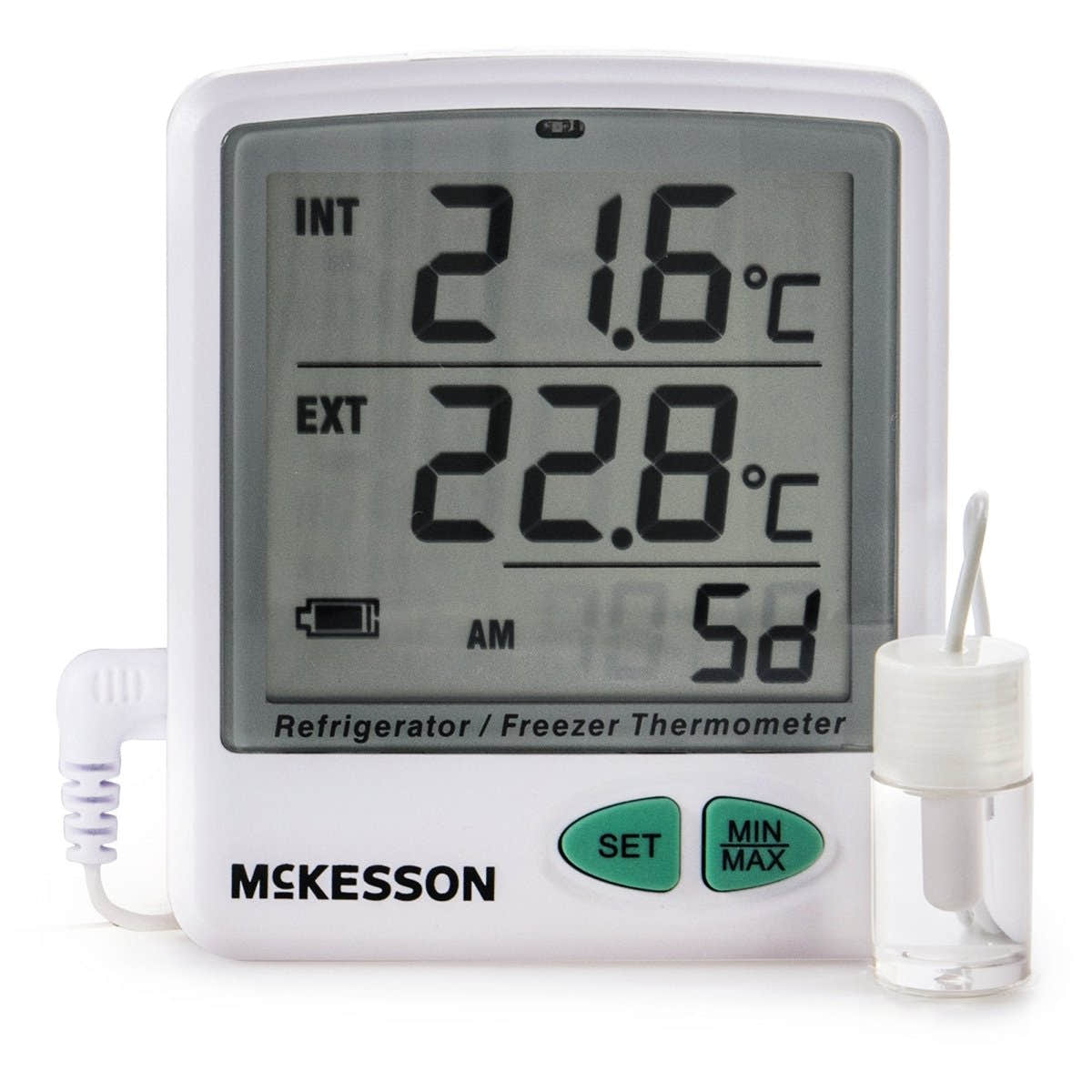
Before first use, most insulin pens should be stored in a refrigerator between 36°F and 46°F. Keep them in their original carton whenever possible. The carton protects the insulin from light and gives you quick access to the expiration date, lot number, and manufacturer instructions.
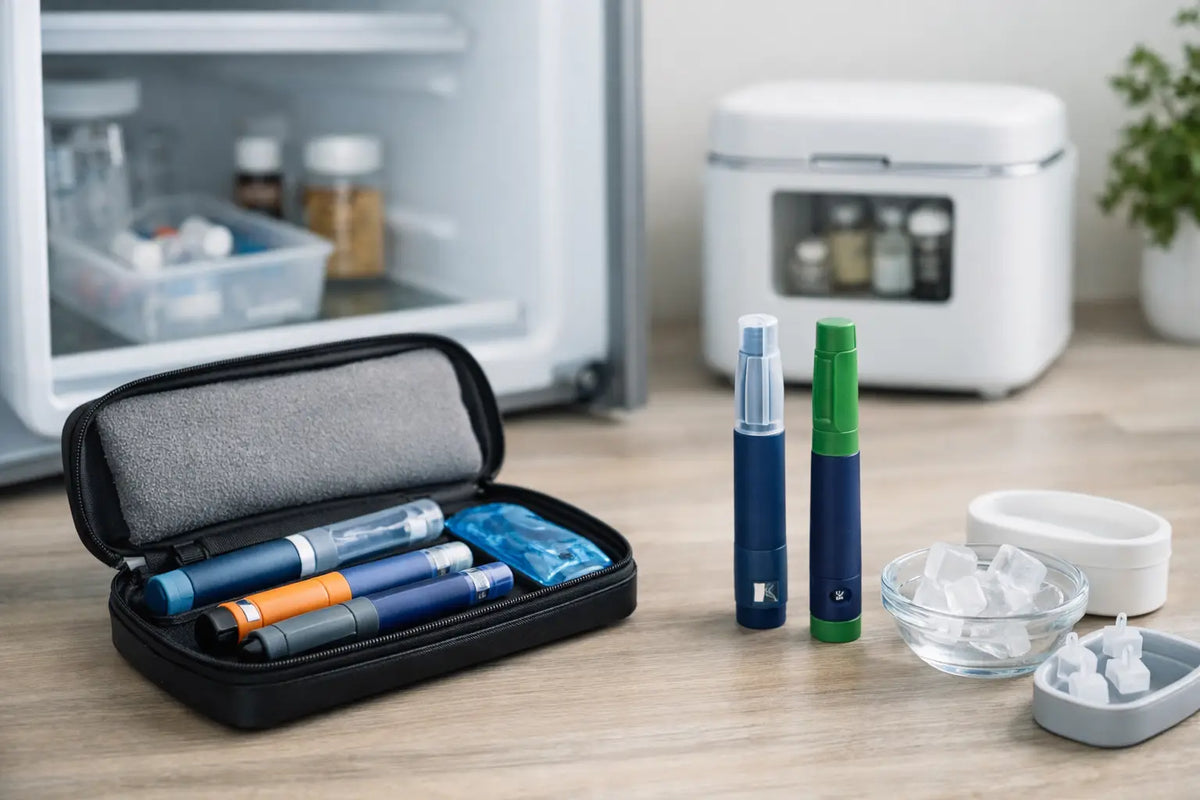
Place unopened pens on a middle refrigerator shelf, where temperatures tend to stay more consistent. Avoid refrigerator doors, which warm up each time they open, and avoid placing pens directly beside the freezer compartment, cooling vent, or back wall. Insulin that freezes can be damaged, even after it thaws.
Never store insulin pens in the freezer. If you suspect a pen froze, do not use it unless the manufacturer or your pharmacist confirms it is safe. Freezing can affect the insulin's performance in ways that may not be visible.
Refrigeration is generally the right choice for unopened pens that you will use later, but check the package insert before assuming every product follows the same rule. Some insulin products have specific handling requirements.
How to store insulin pens after first use
Once a pen is in use, many insulin pens can be kept at room temperature for a limited number of days. Room-temperature storage can make injections more comfortable and keeps a current pen readily available. However, the allowable temperature range and the number of days vary by product.
For many pens, room temperature means below 86°F, away from direct sunlight and heat. Do not rely on a general rule such as 28 days for every pen. Some products are usable for shorter or longer periods after opening, and some can remain refrigerated after first use. Write the date you started the pen on its label or carton so you can follow the correct discard date.
Keep the cap on the pen when it is not being used. This helps shield insulin from light and protects the pen mechanism. Store the pen without a needle attached. Leaving a needle on can allow air into the cartridge, cause insulin to leak, or lead to inaccurate dosing.
A bedroom dresser drawer, a kitchen cabinet away from the stove, or a diabetes supply basket in a temperature-controlled room can work well for an in-use pen. The best location is easy to remember, out of reach of children and pets, and protected from heat, moisture, and sunlight.
Keep track of the in-use date
A simple label prevents a common and costly mistake: using a pen that still contains insulin but has passed its in-use time limit. As soon as you begin using a new pen, write down the start date and the discard date listed in the product instructions.
If you use more than one type of insulin, label each pen clearly. For example, you may use a long-acting pen once daily and a mealtime pen several times a day. Keeping them in separate, labeled spots can help prevent mix-ups. Always read the pen label before every injection, even when the pens look similar.
Protect insulin pens from heat and light
Heat is one of the biggest storage concerns. A sunny windowsill, glove compartment, mailbox, checked suitcase, or countertop near a cooking range can become too warm quickly. Even a few hours in excessive heat may affect insulin, depending on the product and temperature exposure.
Do not leave insulin pens in a car. Interior temperatures can rise far above the outdoor temperature within minutes, including on days that do not feel extremely hot. In winter, a parked vehicle can become cold enough to freeze insulin as well.
At home, keep pens away from bathroom cabinets if the room gets hot and steamy from showers. Moisture is not usually the primary risk to a closed pen, but bathrooms often have less stable temperatures than a bedroom or hall closet.
Light also matters. Keep pens capped and, when practical, in their carton or a protective case. This is especially useful if you carry a pen in a bag, backpack, or purse during the day.
Traveling with insulin pens
Travel does not have to disrupt your storage routine, but it does call for a little planning. Carry insulin in your personal item rather than checked luggage. Aircraft cargo areas and checked bags may be exposed to temperatures that are too hot or too cold, and a lost bag can leave you without essential medication.
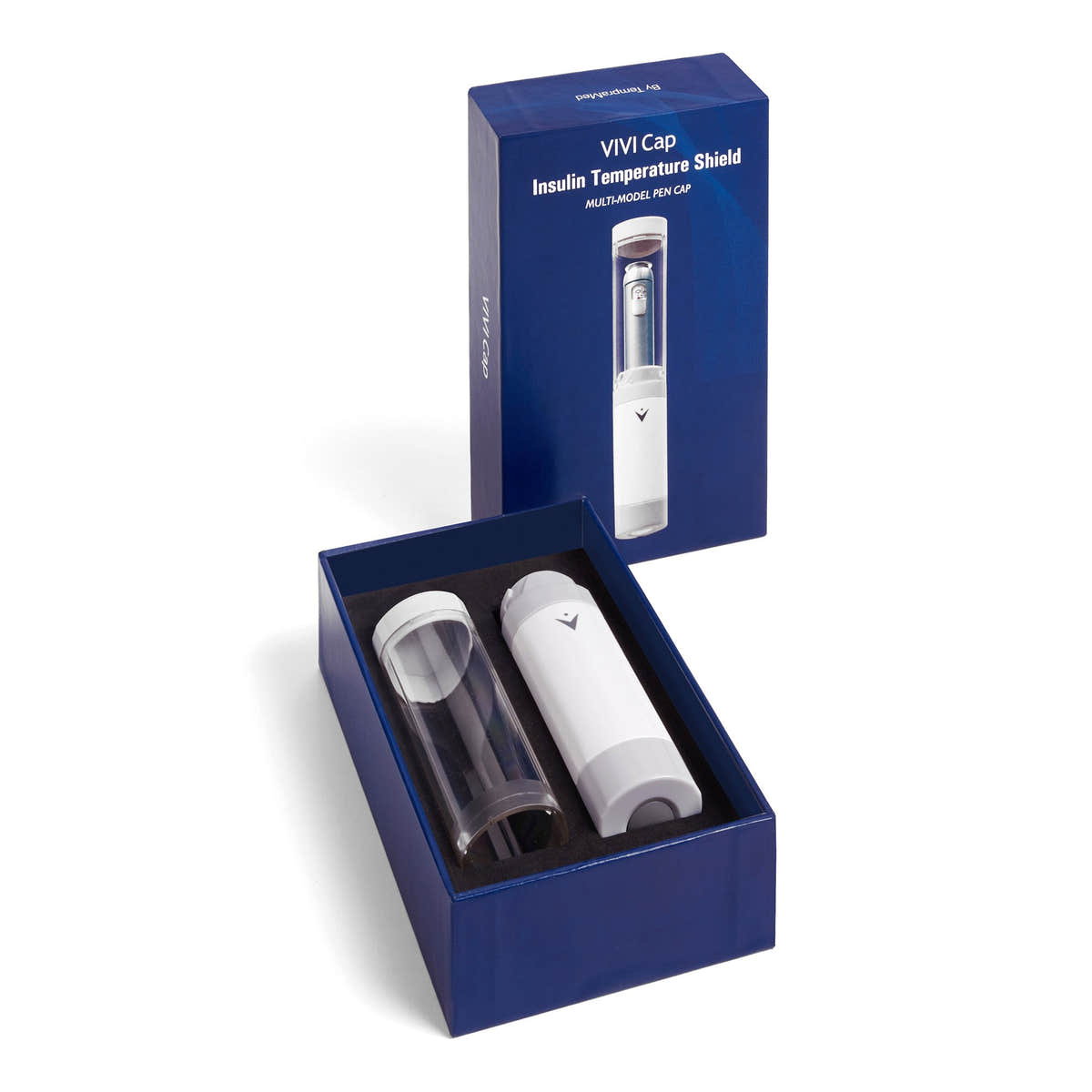
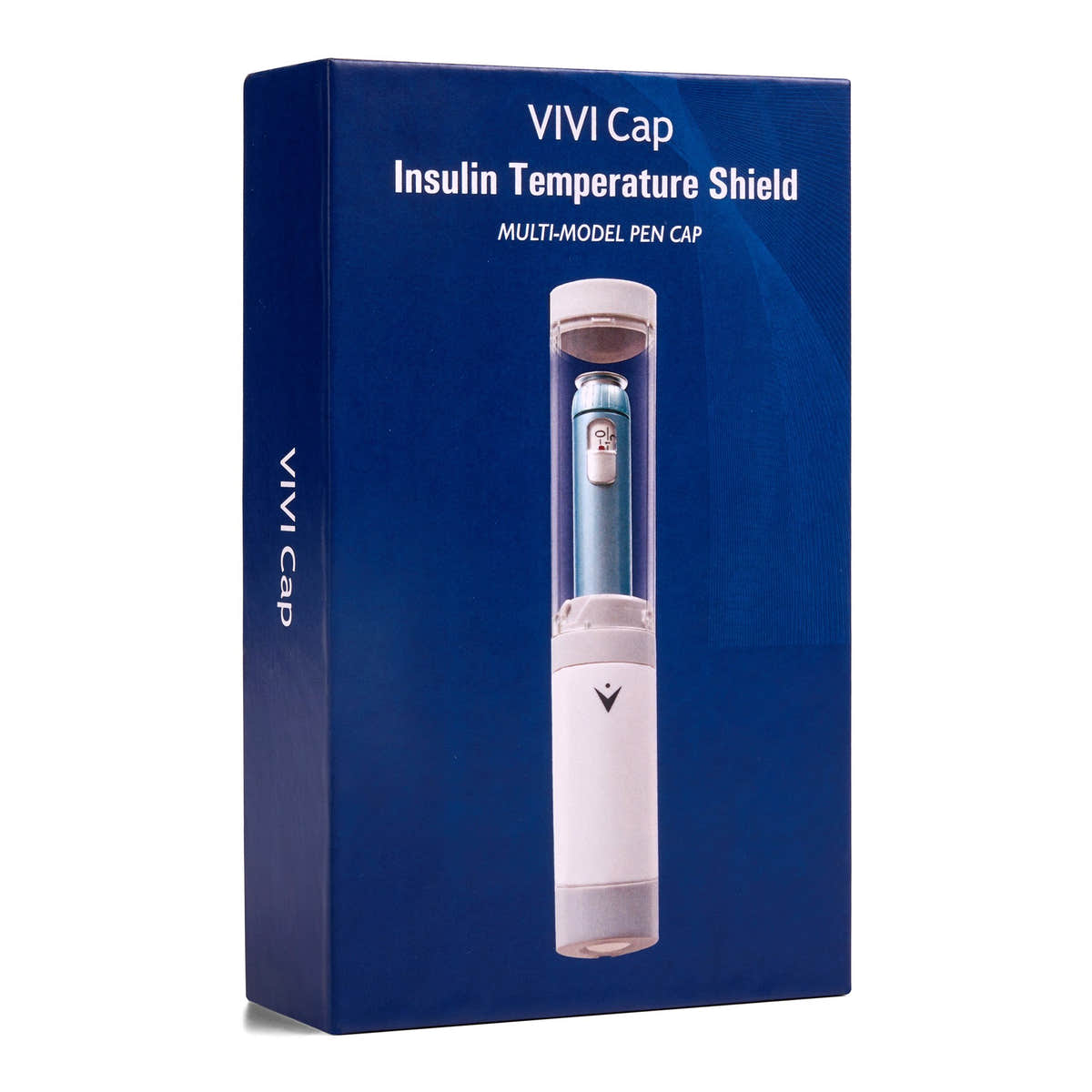
For road trips, bring insulin inside with you during stops. Use an insulated medication travel case if you need help protecting pens from warm weather. If you use a cold pack, make sure the pen does not touch it directly. Wrap the pen in a cloth or place it in a separate pocket, because direct contact can freeze the insulin.
At a hotel, do not assume a minibar refrigerator is the right temperature. These small units can run too cold or have inconsistent cooling. If you need to refrigerate unopened pens, use a refrigerator only if you can keep the pens away from a freezing surface and confirm the temperature is within the range listed for your medication.
Bring enough supplies for the trip plus extra in case of delays. That includes pen needles, alcohol swabs if you use them, a sharps container or travel-safe needle disposal option, blood glucose testing supplies or continuous glucose monitor supplies, and a backup prescription plan when appropriate.
Check a pen before you use it
Correct storage does not replace a quick visual check. Before each injection, look at the insulin through the pen window. Your specific insulin may be clear or may need to look uniformly cloudy after gentle mixing, depending on its formulation. Follow the appearance instructions for your product.
Do not use a pen if the insulin has changed color, has particles or clumps when it should be clear, looks frosted, or appears unusually thick. Do not use it if you know it was frozen, exposed to extreme heat, or left beyond its labeled in-use period. A damaged pen, cracked cartridge, or pen that will not prime properly also needs attention.
When in doubt, contact your pharmacist or diabetes care team before injecting. Replacing a questionable pen is safer than guessing whether temperature exposure changed the insulin.
Build a simple insulin storage routine
A small system can take the uncertainty out of daily care. Keep unopened pens together in one protected area of the refrigerator, and store the active pen in a designated room-temperature location if your product allows it. Keep a marker nearby for recording start and discard dates.
It also helps to keep diabetes supplies together: pen needles, glucose monitoring items, disposal supplies, and a backup pen when prescribed. A dedicated organizer makes it easier for family caregivers to find what they need and easier for you to see when supplies are running low. CartHealth offers everyday diabetes care essentials that can help support a convenient home supply routine.
If a power outage occurs, keep the refrigerator door closed as much as possible and avoid placing insulin directly on ice. The goal is to protect it from heat without freezing it. For longer outages, use an insulated container and ask your pharmacist or manufacturer for product-specific guidance about temperature exposure.
A reliable storage spot, a written discard date, and a little protection from temperature extremes can help each insulin pen perform as intended when you need it. If anything about a pen's storage history is unclear, pause and ask a pharmacist before your next dose.