A cane should make the next step feel more secure, not create a new problem to manage. The right walking canes can add stability during recovery, help reduce strain on a painful joint, and make errands or movement around the house feel more manageable. The wrong height, tip, or handle can leave a user leaning, gripping too hard, or feeling unsteady.
For many people, a cane is a practical part of daily home care. It may be needed after surgery, during rehabilitation, while managing arthritis, or when balance has changed over time. Choosing one starts with understanding how much support is needed and where it will be used most often.
Start With the Level of Support You Need
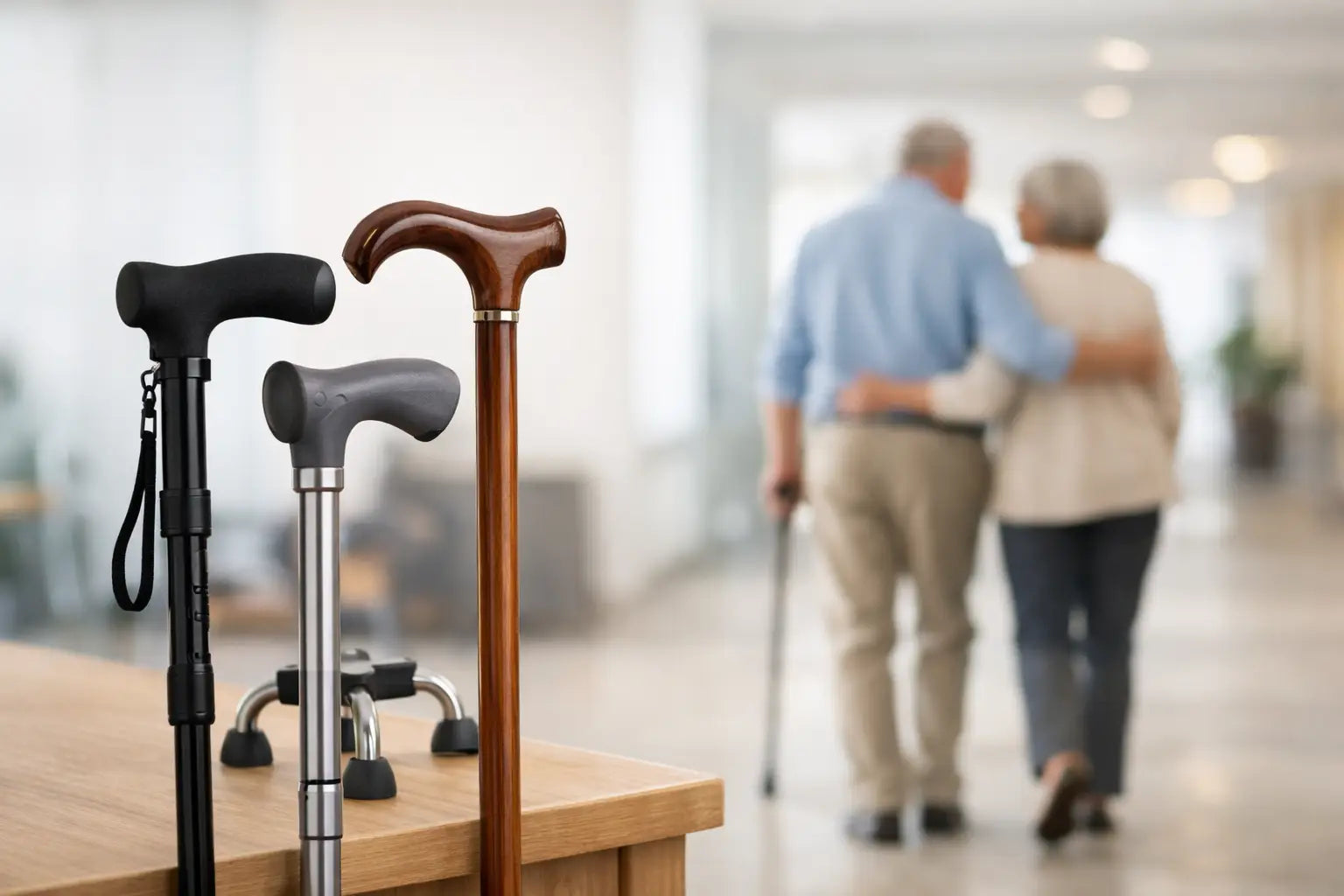
A standard single-tip cane works well for people who need light support or help taking pressure off one leg. It is generally easy to carry, fits in tighter spaces, and works well for routine walking on level indoor and outdoor surfaces.
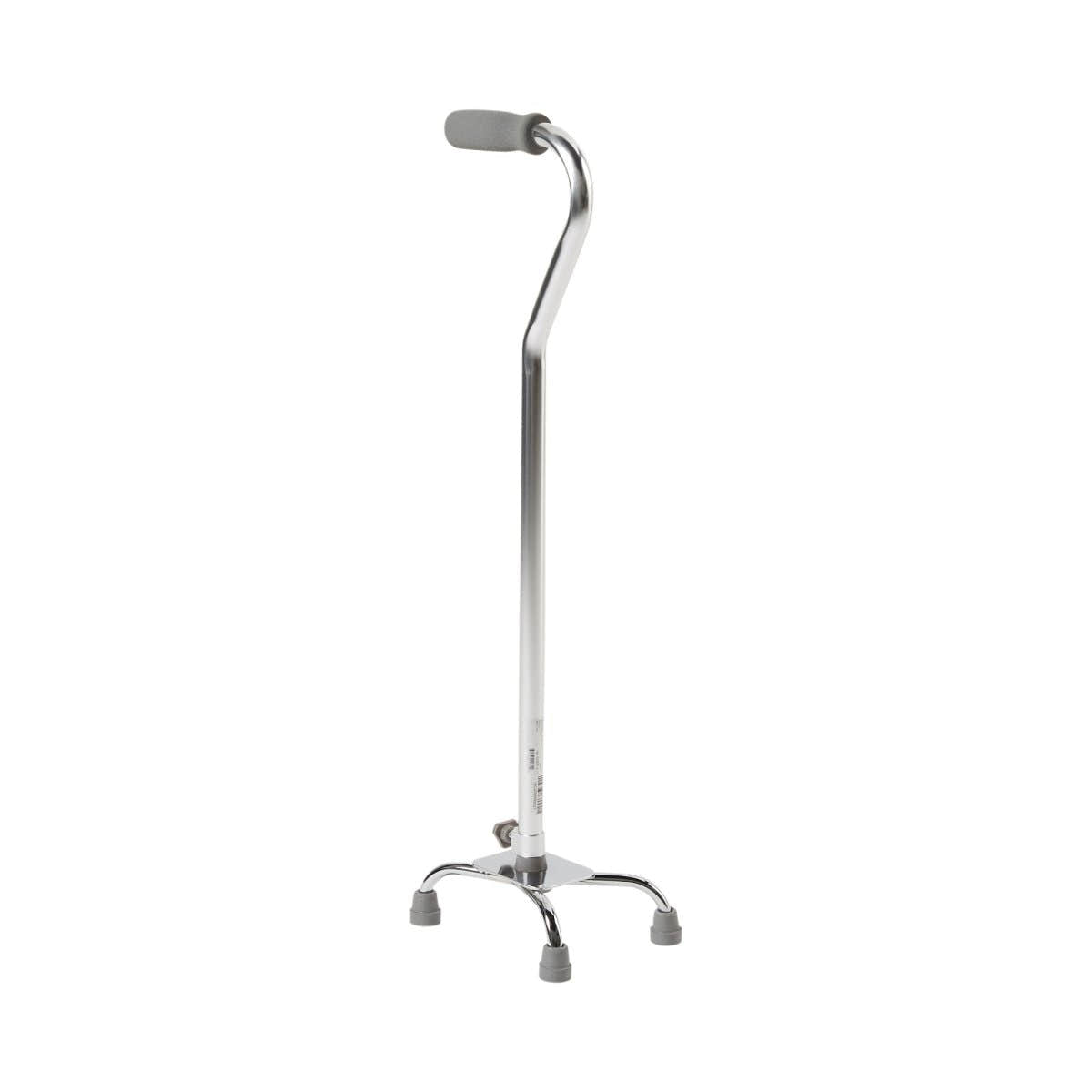
A quad cane has a wider base with four points of contact. That base can provide more stability for someone with more noticeable weakness, balance concerns, or a need to bear less weight through one side. The trade-off is that quad canes are heavier and less convenient on stairs, narrow walkways, or uneven ground. They should be sized and used carefully so all four tips contact the floor as intended.
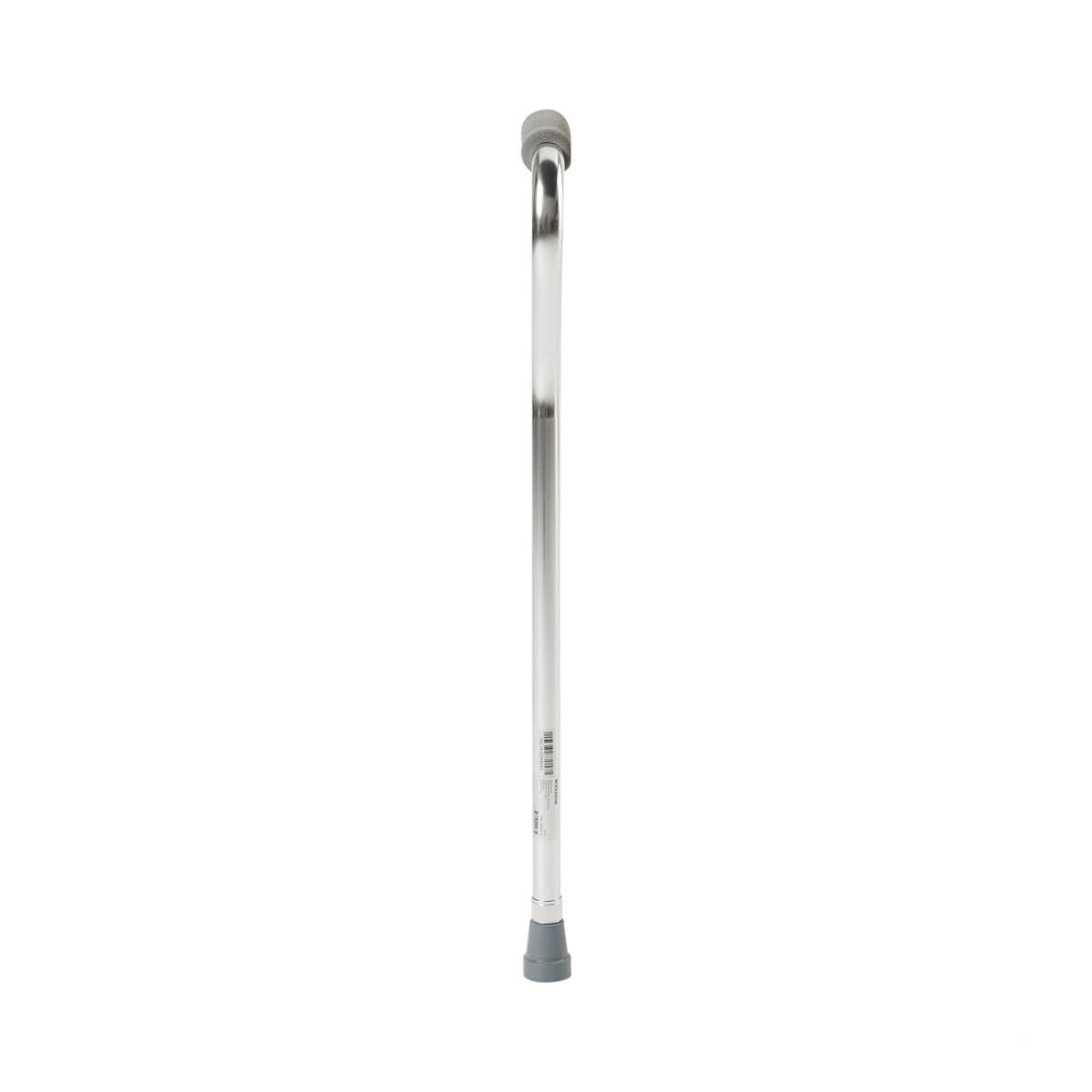
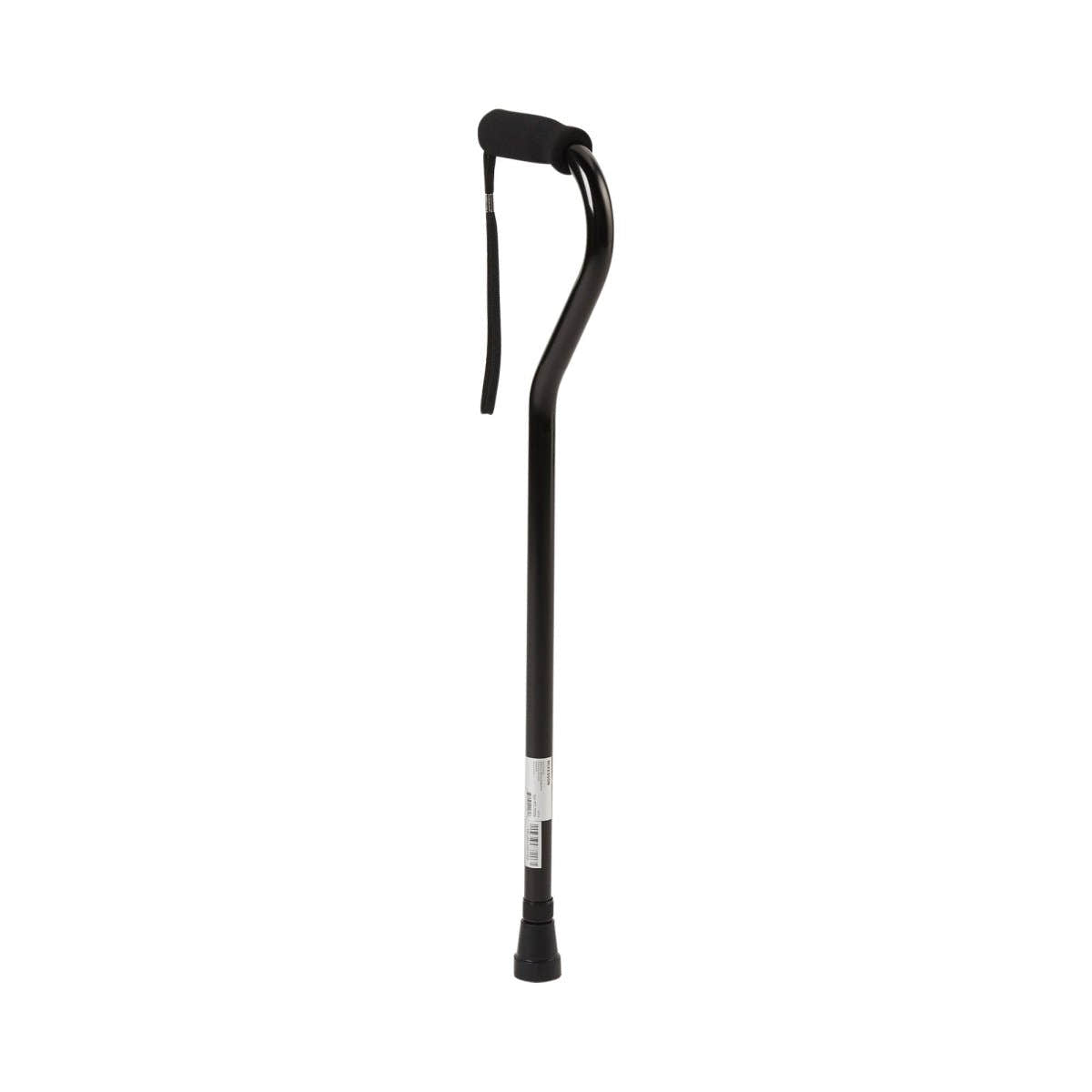
Offset canes have a curved shaft beneath the handle. This design places body weight more directly over the cane tip and can feel supportive for people who use a cane regularly. Straight-handle models are often lightweight and familiar, making them a common choice for occasional support.
A folding cane is useful when portability matters. It can fit in a car, travel bag, or basket when not in use. For everyday use, look for a folding model with a secure locking mechanism and a weight capacity that matches the user's needs. Convenience is helpful, but it should not come at the expense of dependable support.
Choose a Handle That Feels Comfortable
The handle is easy to overlook, yet it makes a meaningful difference during daily use. A cane that causes hand fatigue is less likely to be used correctly and consistently.
A derby handle, also called a crook handle, has a curved shape that is comfortable for many users and can be hooked over an arm or chair. Foam grips may feel softer and help reduce pressure, while contoured ergonomic handles are shaped to fit the hand more specifically. These can be helpful for arthritis or reduced grip strength, though a highly shaped handle may be designed for either the right or left hand.
Consider how the cane will be used. Someone who takes a few short walks each day may prefer a simple, lightweight grip. A person who relies on a cane for longer distances may benefit from an offset shaft and a more cushioned or ergonomic handle. If hand pain, numbness, or weakness is significant, ask a clinician or physical therapist which handle style is appropriate.
How to Size Walking Canes Correctly
Correct height is essential. A cane that is too tall may lift the shoulder and force the arm into an awkward position. One that is too short can cause the user to bend forward, reducing balance and adding strain to the back, wrist, and shoulder.
Most adjustable canes make fitting easier. With the user standing upright in their usual walking shoes, place the cane beside the stronger leg. The top of the handle should generally line up with the crease of the wrist when the arm hangs naturally at the side. When holding the handle, the elbow should have a slight bend, usually about 15 to 30 degrees.
This is a helpful starting point, not a substitute for professional guidance. Posture, leg length differences, joint limitations, and the reason for using a cane can affect the best fit. A physical therapist can confirm the proper height and demonstrate safe movement, especially after surgery, a fall, stroke, or other major change in mobility.
Which Side Should You Use a Cane On?
For most people with weakness or pain in one leg, the cane is held in the hand opposite the affected leg. For example, if the left knee or hip is painful, hold the cane in the right hand. Move the cane forward with the affected leg, then step through with the stronger leg.
This pattern can improve balance and help the cane share some of the load. It may feel counterintuitive at first, particularly for someone used to holding items in their dominant hand. Practice slowly in a clear area of the home until the sequence becomes more comfortable.
There are exceptions. A clinician may recommend a different technique based on the user's diagnosis, strength, coordination, or ability to use one hand. If walking feels less stable after starting to use a cane, stop and seek guidance rather than trying to push through discomfort.
Look Closely at the Cane Tip
The small rubber tip at the bottom of a cane has a big job. It creates traction, absorbs some impact, and helps keep the shaft from slipping. A worn, smooth, cracked, or loose tip should be replaced promptly.
Standard rubber tips are suitable for many indoor and paved-surface needs. Larger, wider tips may provide added surface contact, but they can also catch on rugs or be less convenient on stairs. Specialty tips designed for snow, ice, or uneven terrain may be useful in certain conditions, although no cane tip makes slippery surfaces risk-free.
Check the tip regularly, especially if the cane is used outdoors. Make sure it is clean, firmly attached, and sitting flat on the ground. Replacement tips should match the cane's shaft diameter for a secure fit.
Everyday Safety Habits Matter
A well-chosen cane works best alongside a safer walking environment. Clear loose cords, small furniture, and clutter from common pathways. Secure or remove throw rugs that slide or curl at the edges. Keep frequently used items within easy reach so there is less need to stretch, twist, or climb.
Lighting matters too. Motion-sensor night lights can make trips to the bathroom or kitchen easier to manage after dark. Supportive shoes with secure soles are usually a better choice than loose slippers, socks on smooth flooring, or worn-out footwear.
When using stairs, take time and use the handrail when available. A common guideline is "up with the good, down with the bad." Going up, lead with the stronger leg, then bring the cane and affected leg up. Going down, place the cane first, then move the affected leg, followed by the stronger leg. This guidance may not fit every medical situation, so follow any instructions provided by a physical therapist or care team.
When a Cane May Not Be Enough
A cane is designed for light to moderate support. If someone is frequently falling, cannot safely bear weight through a leg, needs support on both sides, or feels unstable even with proper cane use, a walker or other mobility aid may be more appropriate.
New dizziness, sudden weakness, severe pain, confusion, chest pain, or shortness of breath are not problems to solve by changing cane styles. Seek medical care promptly. Likewise, a cane should not be used to delay evaluation after a fall or a sudden change in walking ability.
For caregivers, observe more than whether the person owns a cane. Notice whether they use it consistently, whether it is within reach before standing, and whether it is set to the right height. A simple adjustment or replacement tip can make daily movement safer and more comfortable.
A cane is a personal mobility tool, not a one-size-fits-all purchase. Taking a few minutes to match the style, handle, height, and tip to everyday needs can help make each trip across the room, through the store, or out the front door feel more supported.