The first few days home can feel like a careful balancing act: your knee needs rest, but it also needs the movement your care team prescribed. Successful recovery after knee surgery at home is less about doing everything perfectly and more about setting up a safe routine you can repeat each day. Prepare the space, keep essential supplies nearby, follow your discharge instructions, and ask for help before a small task becomes a risky one.
Every knee procedure has its own timeline. Recovery after a total knee replacement may look different from recovery after arthroscopy, ACL repair, meniscus surgery, or a kneecap procedure. Your surgeon and physical therapist's instructions should always take priority over general advice, especially for weight-bearing limits, exercises, dressings, medications, and showering.
Set Up a Safer Recovery Space
Before you settle in, choose one main recovery area with a firm, supportive chair and a clear route to the bathroom. Remove loose rugs, cords, low tables, pet toys, and other tripping hazards. Good lighting matters, particularly for nighttime trips to the bathroom.
Keep the items you use most within arm's reach: water, medications, a phone and charger, tissues, reading materials, a reacher, and any instructions from your surgical team. A small bag or walker pouch can make it easier to carry essentials from room to room while keeping both hands available for balance.
The bathroom often needs the most attention. A raised toilet seat can reduce how far you need to bend your knee, while grab bars or a sturdy safety rail can provide support during transfers. A shower chair and nonslip bath surface may be useful if standing is difficult or you have been told to limit time on your feet. Do not use towel bars, soap dishes, or unstable furniture as grab bars.
If your bedroom is upstairs, ask your care team whether stairs are appropriate and have someone nearby the first few times. When possible, arranging a temporary sleeping area on the main floor can reduce unnecessary stair trips during the earliest stage of recovery.
Follow Your Mobility Plan, One Session at a Time
It is natural to protect a painful knee, but avoiding all movement can increase stiffness and make daily tasks harder. Your physical therapy plan is designed to help restore motion, strength, circulation, and confidence safely. Complete the exercises and walking schedule your therapist gives you, even when progress feels slow.
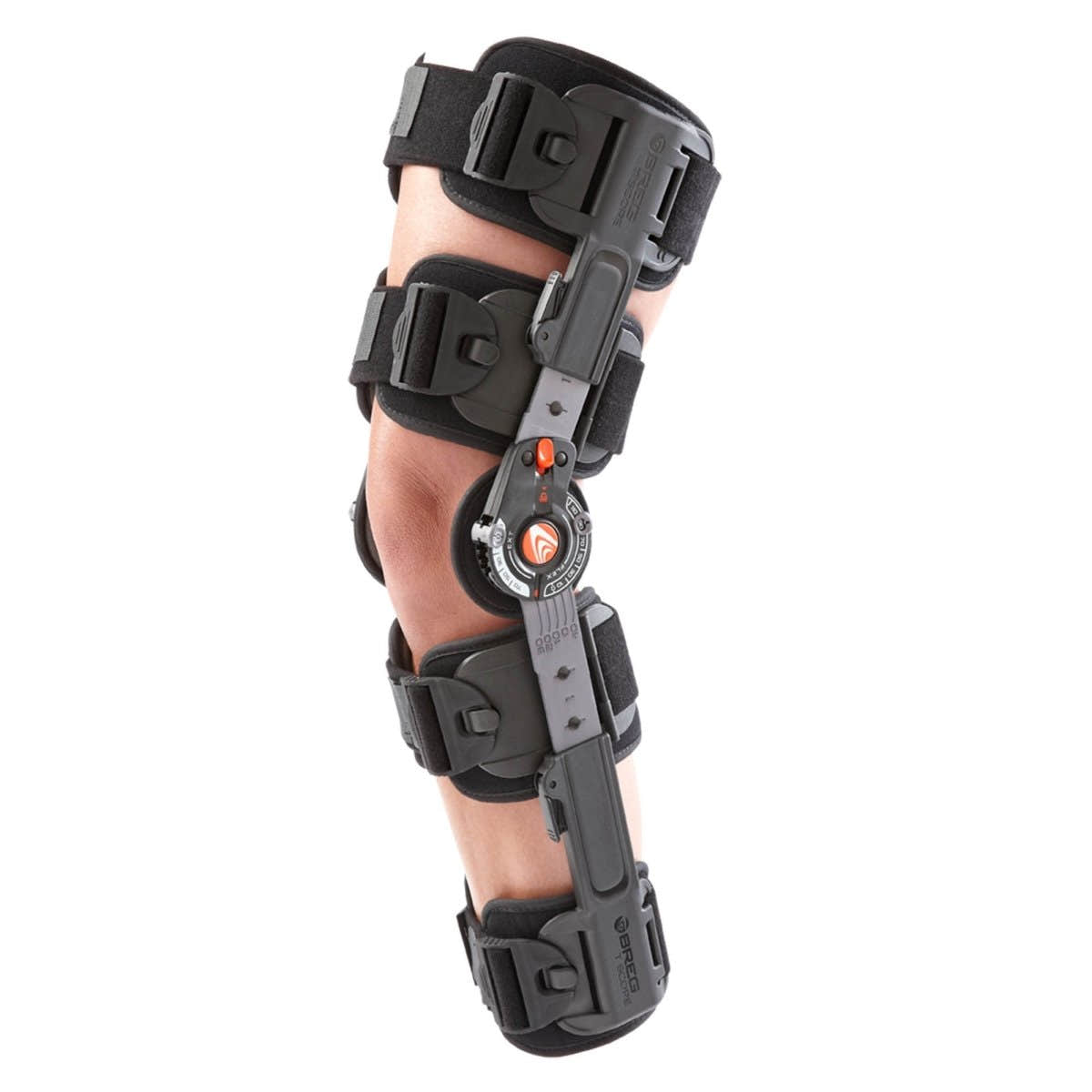
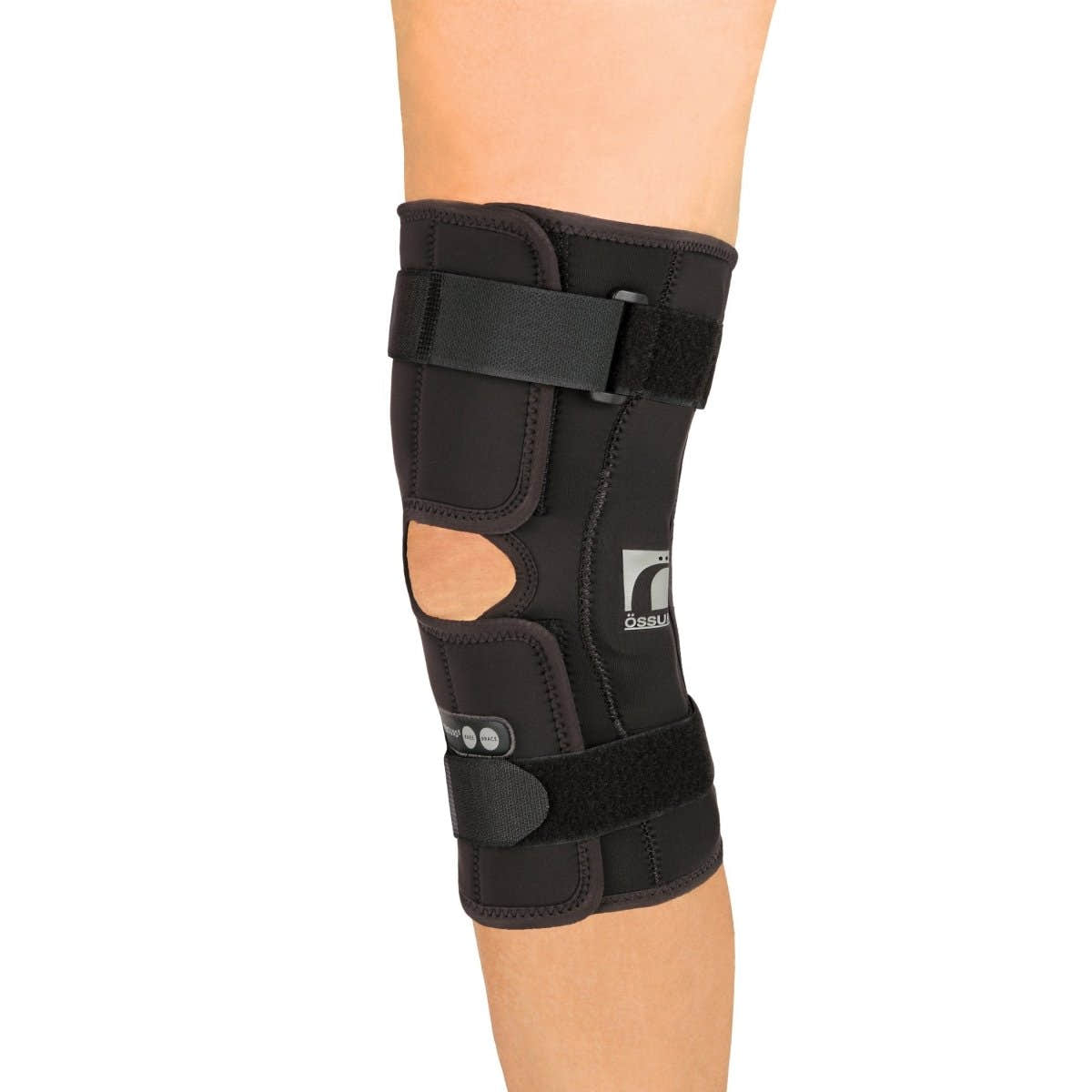
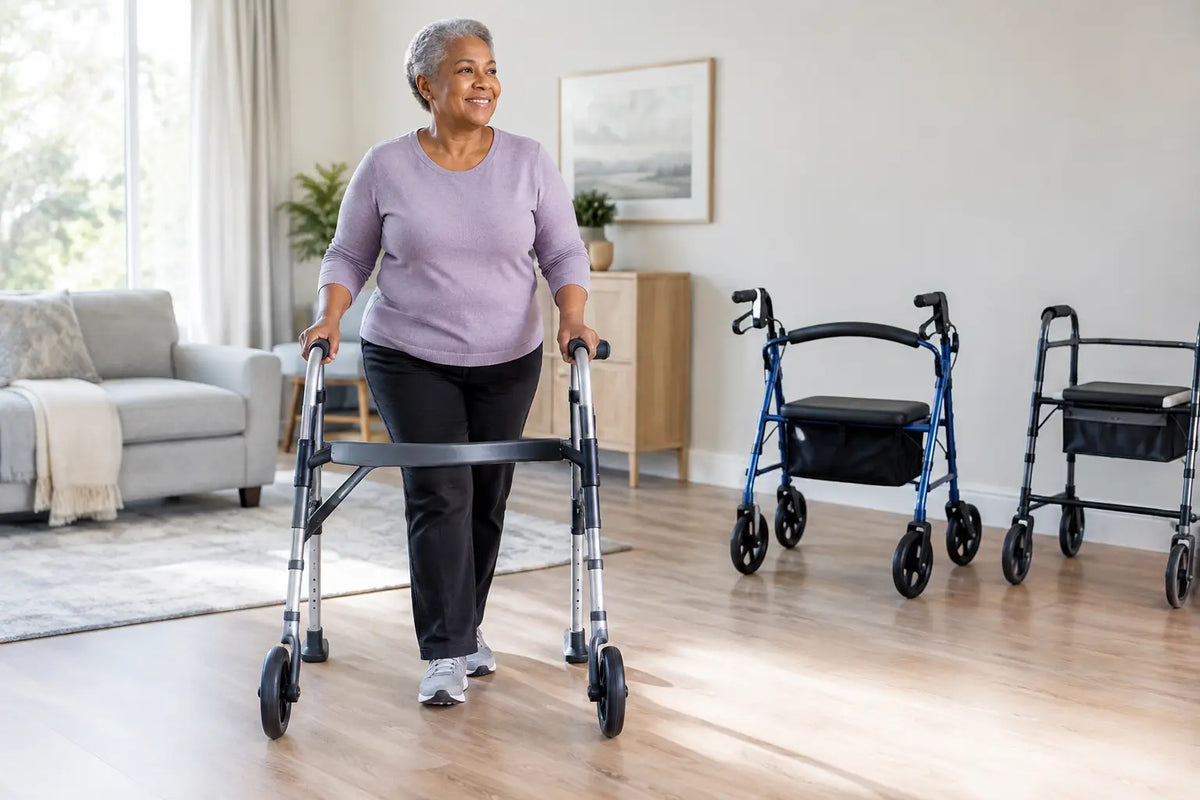
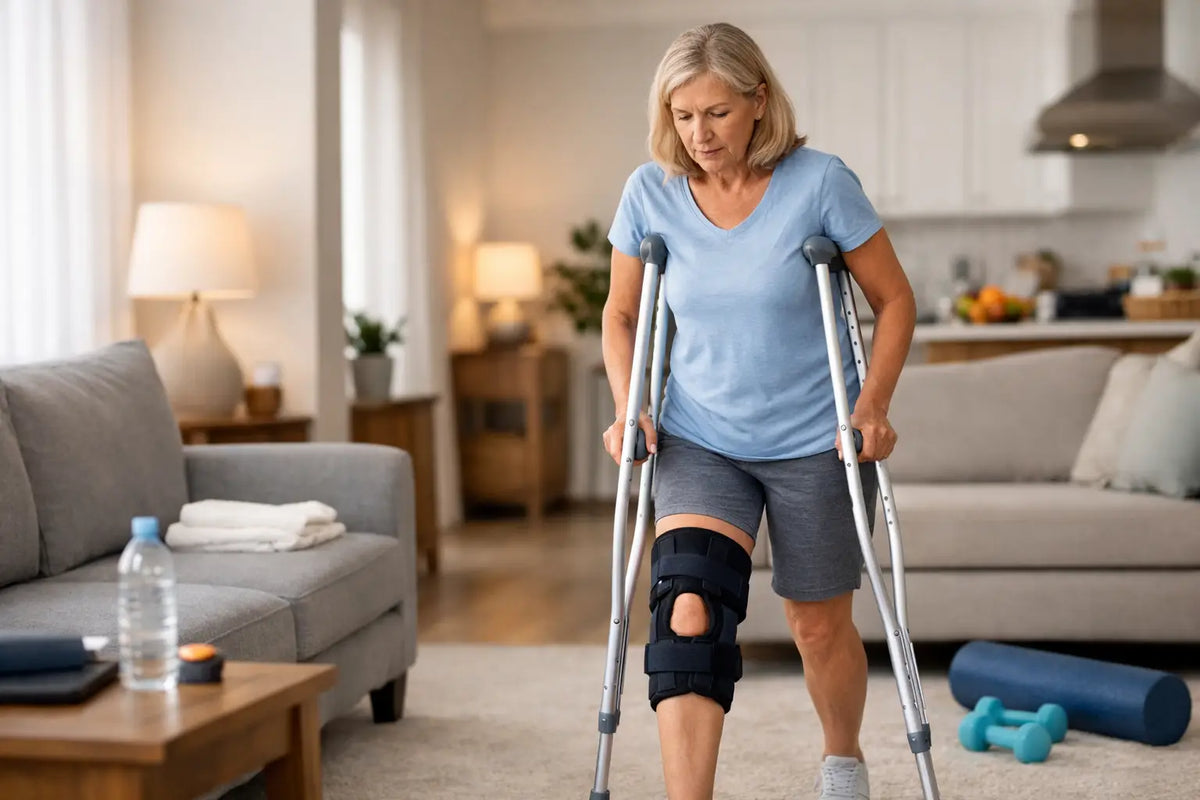
Use the walker, crutches, cane, brace, or other mobility aid exactly as instructed. Many people stop using an aid too early because they want to feel independent. The better choice is to continue until you can walk with good balance and without a noticeable limp, or until your clinician says you may transition. A fall can interrupt recovery far more than an extra week with a walker.
Short, frequent walks are often more manageable than one long effort. Pay attention to your form. Move at a controlled pace, wear supportive nonslip footwear, and avoid carrying laundry baskets, drinks, or heavy items while walking. If pain or swelling rises sharply after activity, scale back and discuss it with your therapist or surgeon.
Manage Swelling Without Overdoing It
Swelling is common after knee surgery and can make the joint feel tight. Your care team may recommend ice, elevation, compression, ankle pumps, or a combination of these approaches. Follow their specific timing instructions, and protect your skin by placing a cloth barrier between ice and your body.
For elevation, the goal is usually to support the full leg so the ankle is above heart level, not to place a single pillow directly behind the knee for long periods. Keeping the knee constantly bent can contribute to stiffness. Because advice varies by procedure, confirm your preferred positioning with your surgical team.
Keep Pain Control Organized
Pain relief is not only about comfort. When pain is reasonably controlled, it is easier to sleep, perform therapy exercises, walk safely, and take care of basic needs. Take prescription and over-the-counter medications only as directed, and use a written schedule or phone reminder so doses are not missed or doubled.
If you are prescribed an opioid pain medicine, ask about side effects before you need to manage them. Drowsiness, nausea, dizziness, and constipation can all affect safety at home. Avoid alcohol and driving while taking opioid medication, and store it securely away from children, visitors, and pets. Ask your pharmacist or care team before combining medicines, including sleep aids, cold medicine, supplements, or anti-inflammatory drugs.
Constipation is especially common after surgery because of pain medicines, less movement, and changes in eating. Fluids, fiber-rich foods, and the bowel plan recommended by your clinician can help. Contact the care team if constipation becomes severe or is accompanied by abdominal pain, vomiting, or inability to pass gas.
Protect Your Incision and Watch for Changes
Your discharge paperwork should explain when to change the dressing, when showering is allowed, and whether you need to keep the incision dry. Wash your hands before touching the area. Do not apply creams, powders, or antibiotic ointments unless your surgeon has specifically told you to use them.
Check the incision and surrounding skin daily in good light. Mild bruising, swelling, and some drainage may be expected early on, depending on the procedure. What matters is whether symptoms are worsening instead of gradually improving.
Call your surgical team promptly for increasing redness or warmth around the incision, drainage that becomes heavier or foul-smelling, a fever or chills, pain that is suddenly worse, or a dressing that is saturated with blood. Seek emergency care for chest pain, trouble breathing, coughing up blood, fainting, or signs of a possible blood clot such as new calf pain and significant swelling in one leg.
Make Meals and Daily Care Easier
Recovery takes energy. Aim for regular meals with protein, fruits and vegetables, whole grains, and enough fluids unless you have been given a fluid restriction. Protein-rich choices such as eggs, yogurt, beans, poultry, fish, tofu, or nutritional drinks can support healing when appetite is low.
Prepare simple meals ahead of time or accept help from family, friends, and neighbors. Keep easy-to-open snacks and water where you rest. If you manage diabetes, monitor blood sugar according to your usual plan or your clinician's updated instructions, since surgery, stress, and reduced activity can affect readings.
A few practical supplies can reduce strain and help maintain independence during recovery:
- A walker, cane, crutches, or brace recommended by your care team
- A raised toilet seat, shower chair, and stable bathroom safety supports
- Nonslip shoes, a reacher, and a bag or basket for carrying essentials
- Cold packs, pillows for leg support, and compression items if prescribed
- Easy dressing options, such as loose pants or shorts that fit over a bandage or brace
Sleep, Mood, and Realistic Expectations
Sleep can be frustrating after knee surgery. Pain, swelling, medication changes, and the challenge of finding a comfortable position may all interfere. Use the positioning guidance from your care team, take pain medication as prescribed, and plan a calming bedtime routine. Short daytime rest periods can help, but long naps may make nighttime sleep harder for some people.
It is also common to feel impatient, discouraged, or dependent during recovery. Improvement rarely happens in a straight line. One day may include an easier walk or better knee bend, while the next brings more swelling after therapy. Focus on small, measurable gains: getting in and out of a chair with less help, walking a little farther, or needing fewer rest breaks.
Keep follow-up appointments and bring questions about pain, exercise, driving, work, travel, and returning to normal activities. For home-care essentials, CartHealth can help simplify supply planning so you can spend less time searching and more time following your recovery routine.
The most helpful next step is often a simple one: set out tomorrow's medications, clear the path for your next walk, and give yourself permission to recover at the pace your body and care team recommend.