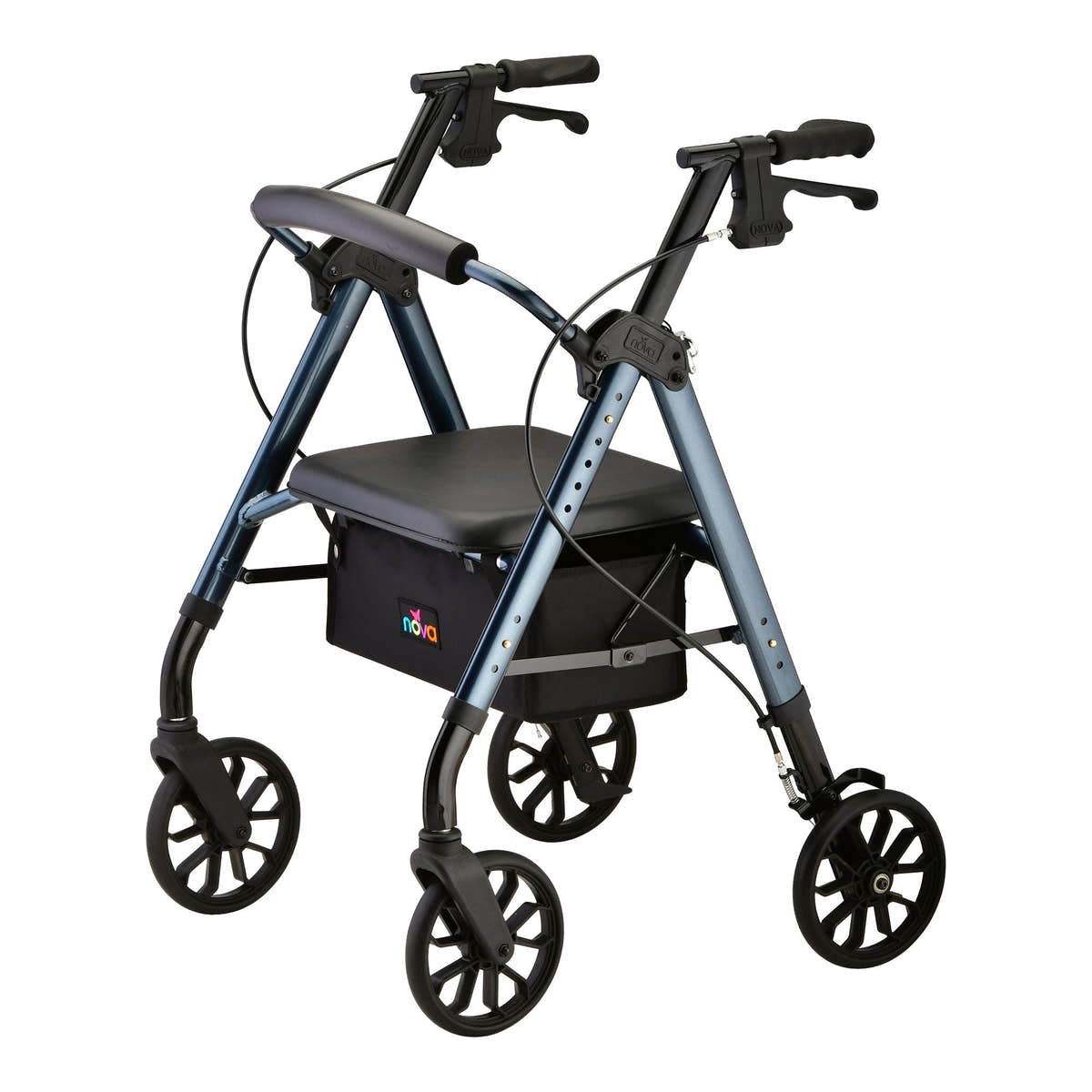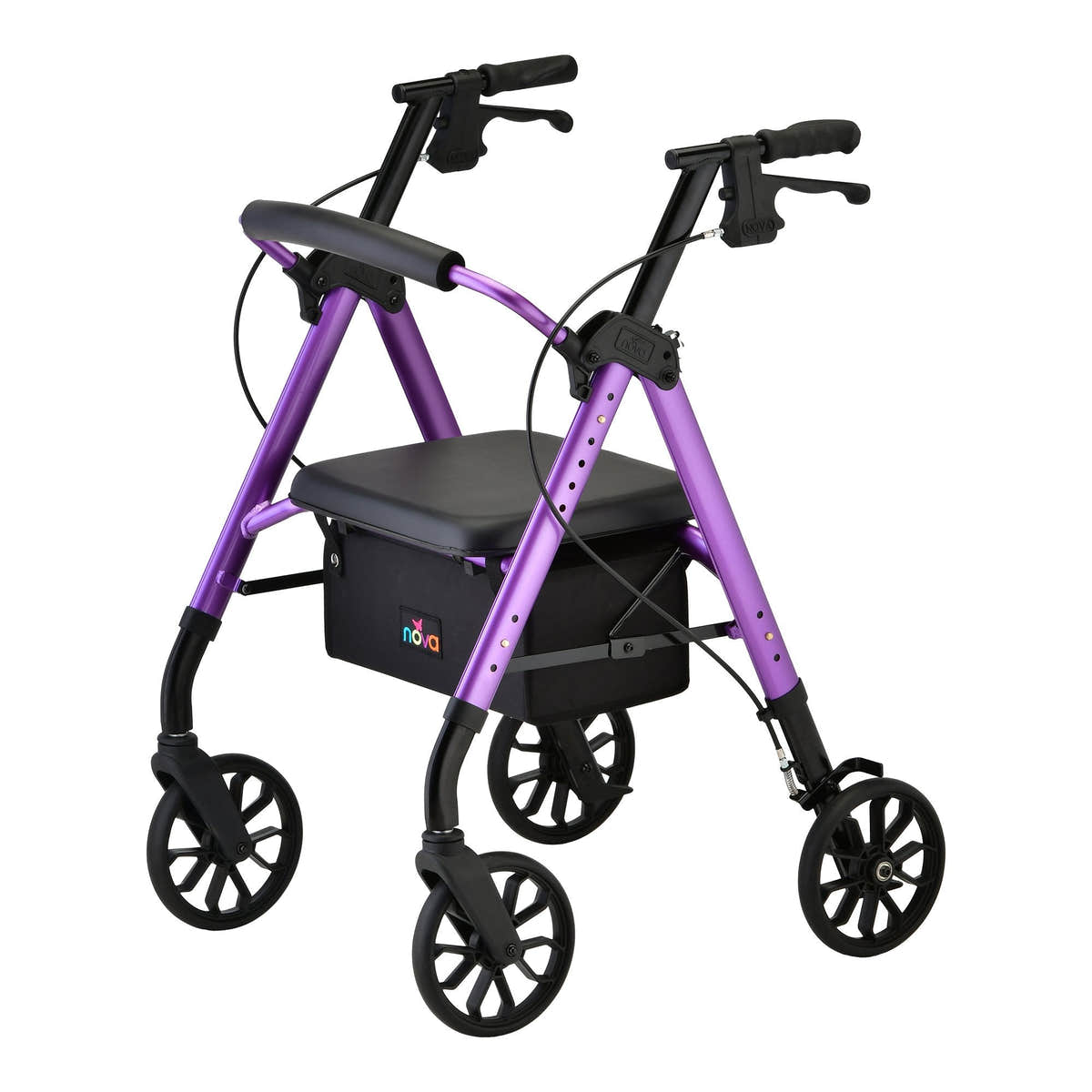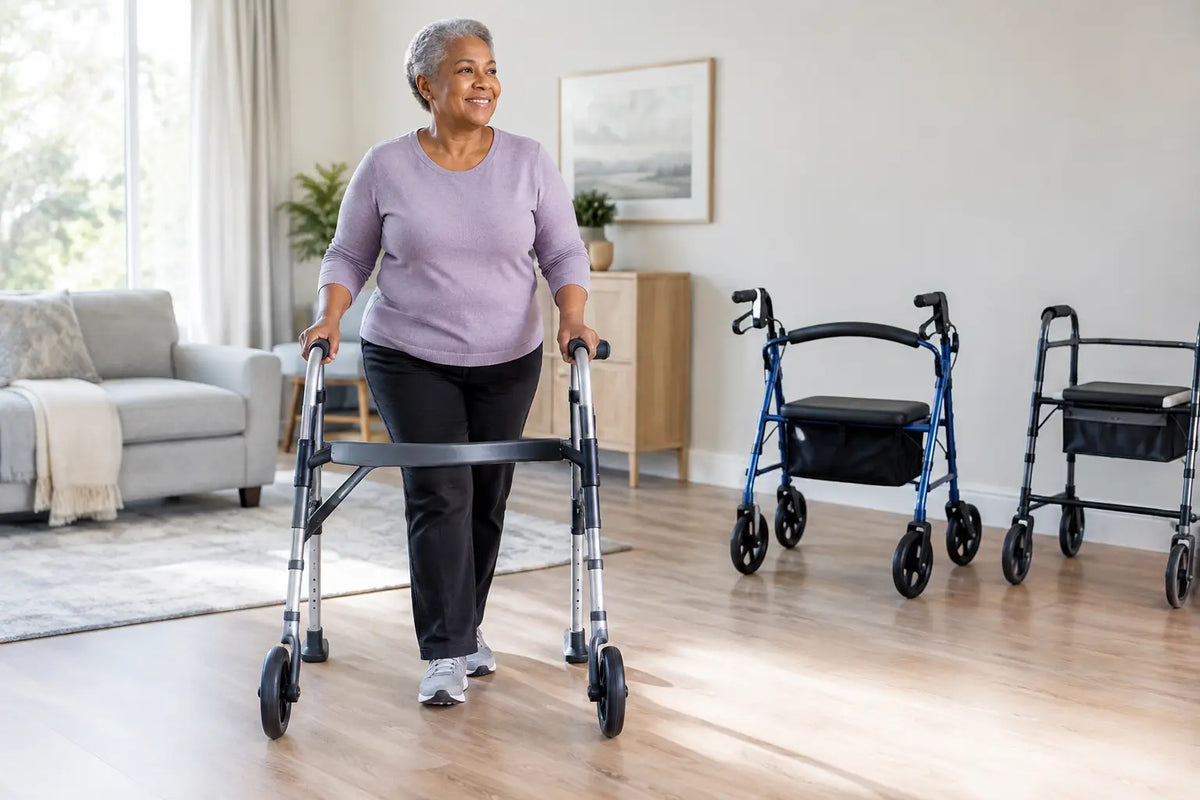
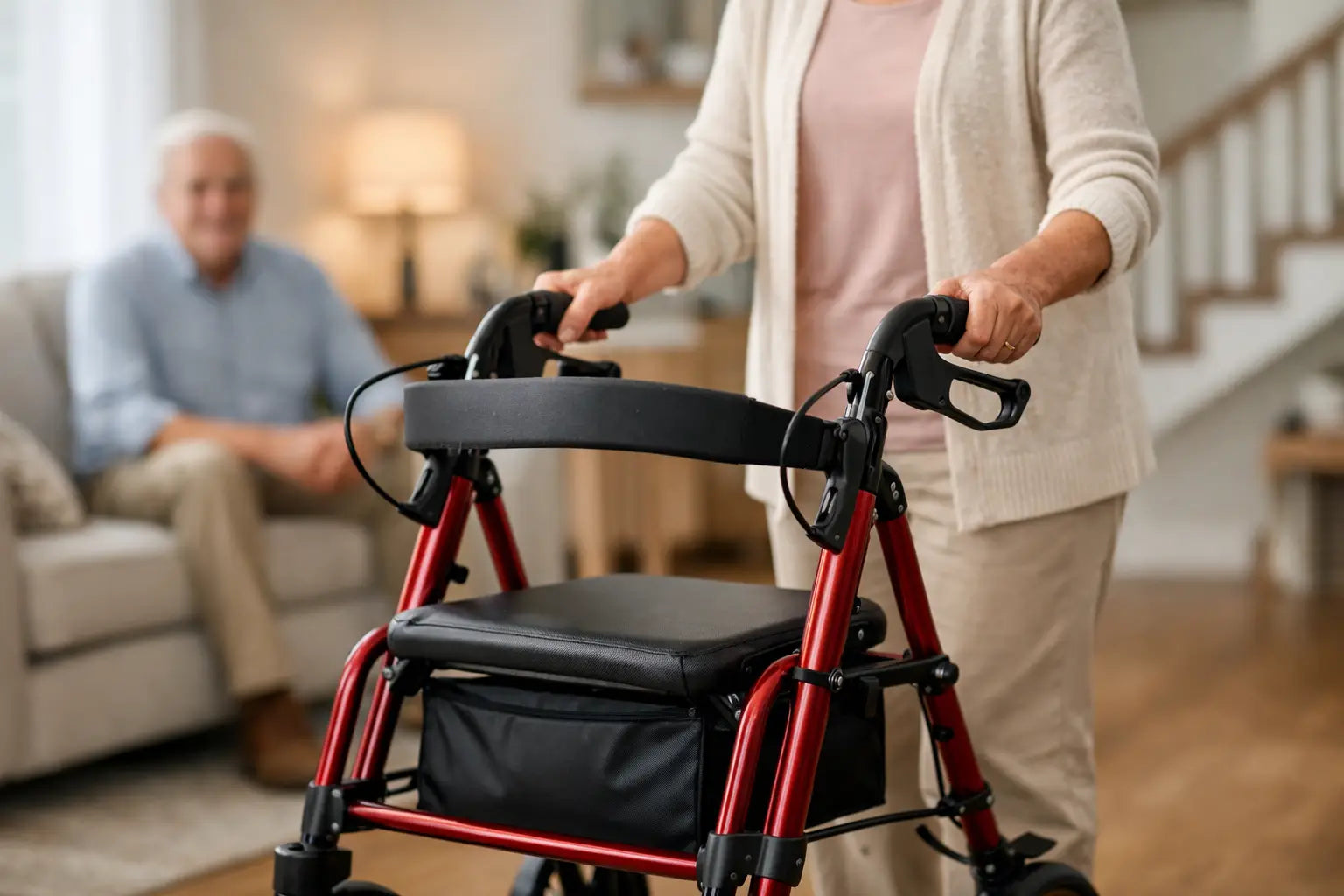
A rollator can make the walk from the bedroom to the kitchen feel more manageable, but only when it fits the person and the home. This rollator walker review guide focuses on the details that affect everyday use: stability, braking, seat comfort, wheel size, storage, and whether the frame works in real living spaces.
A rollator is not automatically the right choice for everyone. Unlike a standard walker, it has wheels and hand brakes, which can reduce the effort of lifting a frame with every step. It also requires enough hand strength, coordination, and judgment to control its movement. For someone with severe balance concerns or difficulty using hand brakes, a clinician may recommend a different mobility aid.
Start With the User, Not the Color or Basket
The best rollator is the one a person can use safely and comfortably every day. Before comparing models, consider where it will be used, how far the user typically walks, and what support is needed during standing, turning, and resting.
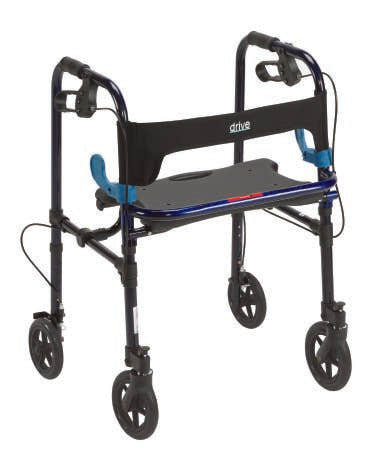
A lightweight three-wheel rollator can be convenient in a narrow apartment or for quick indoor trips. A four-wheel model generally provides a broader base, a seat, and a more stable feel for errands or longer walks. Bariatric models offer higher weight capacities and wider seating, while upright rollators are designed to support a more upright posture through forearm platforms or elevated handles.
Think through the routine. A person who uses a rollator mostly inside may value a narrow frame and easy turns. Someone walking over sidewalks, parking lots, or uneven paths may benefit more from larger wheels, a sturdy frame, and dependable brakes. If the rollator needs to travel in a car, folded dimensions and lifting weight matter as much as its open size.
Rollator Walker Review Guide: The Features That Matter
Product descriptions often include many measurements. A few are especially useful when comparing rollator walkers for home use.
Handle height and user fit
Proper handle height helps reduce stooping, shoulder strain, and loss of control. When standing inside the rollator with arms relaxed, the handles should generally sit near wrist level. The user should be able to hold the grips with a comfortable bend in the elbows, rather than reaching down or lifting the shoulders.
Most rollators have adjustable handle heights. Check both the minimum and maximum setting, especially for a shorter or taller user. Handle adjustment is not a substitute for a correctly sized frame. A very wide or tall rollator can still feel awkward even if its grips adjust.
Overall width and turning space
Measure the narrowest doorways, bathroom entrances, hallways, and paths around furniture before ordering. The overall width of the rollator must fit through these areas with room for hands and safe steering. A model that barely clears a doorway can quickly become frustrating or unsafe.
Also consider the turning radius. Four-wheel rollators offer useful stability but may need more room to turn in a compact bathroom. Three-wheel designs often maneuver more easily around tight corners, though they usually do not include a built-in seat.
Weight capacity and frame weight
Weight capacity is a safety specification, not a target to stretch. It should account for the user and any items carried in the basket or bag. Choose a rollator rated appropriately for the user, and avoid hanging heavy bags from handles because that can make the frame tip or pull backward.
Frame weight creates a separate trade-off. A lighter aluminum rollator may be easier to lift into a vehicle, but a heavier frame can feel more planted outdoors. Look for a weight that the user or caregiver can manage without strain while still meeting stability needs.
Wheels for indoor and outdoor surfaces
Wheel size affects how a rollator handles cracks, thresholds, carpet edges, and outdoor pavement. Smaller wheels can work well indoors on smooth floors and often keep the frame compact. Larger wheels generally roll more easily over uneven ground and can provide a smoother ride outside.
Wheels should feel secure, roll freely, and remain aligned. Solid wheels avoid the worry of flats, while some larger pneumatic-style wheels may offer more cushioning but can require added maintenance. If the user regularly crosses gravel, grass, or rough sidewalks, a basic indoor rollator may not provide enough control.
Brakes that are easy to reach and use
Brakes are among the most important features to test. Standard loop brakes are squeezed to slow the rollator and pushed down to lock the wheels for sitting or standing. The user should be able to reach and operate both brake handles without pain, excessive grip force, or confusion.
Locked brakes should keep the rollator from rolling when weight is placed on the seat or handles. The user should lock both brakes before sitting, standing from the seat, or reaching for an item. Brake cables may need occasional adjustment, particularly after extended use or if the rollator begins to drift while locked.
Seat, backrest, and storage
A seat is helpful for people who need short rests during appointments, shopping, or walks. Check seat width, depth, height, and the location of any backrest. The seat should support the user comfortably without being treated as a transport chair. Most rollator seats are intended for stationary resting only, with brakes engaged.
Storage can make daily life easier, but it needs to be practical. Under-seat bags provide enclosed storage for a wallet, phone, medications, or small personal items. Wire baskets are easy to access but may leave contents more exposed. Review whether the storage remains accessible when the rollator is folded and whether it interferes with leg room.
Compare Rollator Styles by Daily Need
There is no single best style. The right option depends on the user’s mobility, environment, and transportation needs.
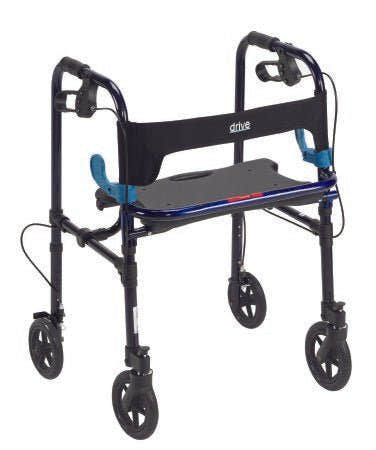
A standard four-wheel rollator is often the most versatile choice for adults who want a seat, storage, and stable support for household and community walking. It suits many users, but its width can be a limitation in small homes.
A three-wheel rollator is often a good match for narrow hallways and compact living areas. Its triangular frame turns easily and may be lighter to manage. The trade-off is less overall stability than many four-wheel models and typically no place to sit.
A compact or folding rollator works well for users who ride in cars often or need to store the device in a closet. Review how it folds, whether it stays folded during lifting, and whether the folding mechanism can be operated safely by the user or caregiver.
A bariatric rollator is designed for larger users who need a higher capacity, wider frame, and roomier seat. Its stronger construction can add weight and reduce maneuverability in smaller spaces, so accurate measurements are especially useful.
An upright rollator may help a user who tends to lean forward onto standard handles. Because these models use forearm supports or raised armrests, they require careful fitting. They can be beneficial for posture in the right situation, but they are not a universal replacement for a standard rollator.
Review Product Details Before You Buy
Once you have narrowed the category, compare the listed specifications side by side. This simple check can prevent a mismatch after delivery:
- Overall width, open dimensions, and folded dimensions
- Handle-height range and seat height
- User weight capacity and rollator frame weight
- Wheel diameter and recommended surface use
- Brake style, storage type, and included accessories
For a first-time user, it may help to have a caregiver or healthcare professional present when the rollator is first adjusted. Handles should be set before regular use, and the user should practice locking the brakes, turning, folding the frame, and sitting down in a clear area. A rollator should be pushed forward while walking inside it, not held far ahead like a cart.
Care and Safety for Everyday Use
A rollator benefits from quick routine checks. Look for loose screws, worn grips, damaged wheels, frayed brake cables, or brakes that fail to hold. Keep wheels clear of hair, dirt, and debris, especially after outdoor use. Do not use the seat as a step stool or allow another person to push someone while they are seated unless the product is specifically designed and labeled for transport.
At home, remove loose rugs, cords, clutter, and other tripping hazards from common walking paths. Good lighting near the bed, bathroom, and stairs also makes a difference. A properly selected rollator supports movement, but a safer home layout helps the user get the most from it.
When comparing mobility aids, CartHealth can help simplify the shopping process by bringing practical home-care categories together in one place. Take measurements, consider the user’s strongest and most difficult daily tasks, and choose the rollator that makes those routines feel steadier rather than more complicated.