A wet bathroom floor can turn a routine shower, toilet transfer, or step out of the tub into a real fall risk. When people search for the best grab bars bathroom options, the right answer depends less on appearance and more on where support is needed, how the bar will be installed, and who will use it.
A grab bar should provide a stable handhold when balance is limited, whether that is temporary after surgery or part of everyday aging-in-place care. The safest choice is usually a permanently installed bar secured to solid wall framing. Portable options can be useful in limited situations, but they are not a replacement for a properly mounted safety bar.
Start With the Bathroom Task That Needs Support
Before choosing a style or finish, identify the movement that feels unsteady. A person stepping over a tub wall needs support in a different location than someone lowering onto the toilet. Placement matters as much as the product itself.
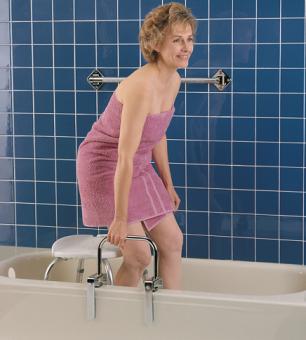
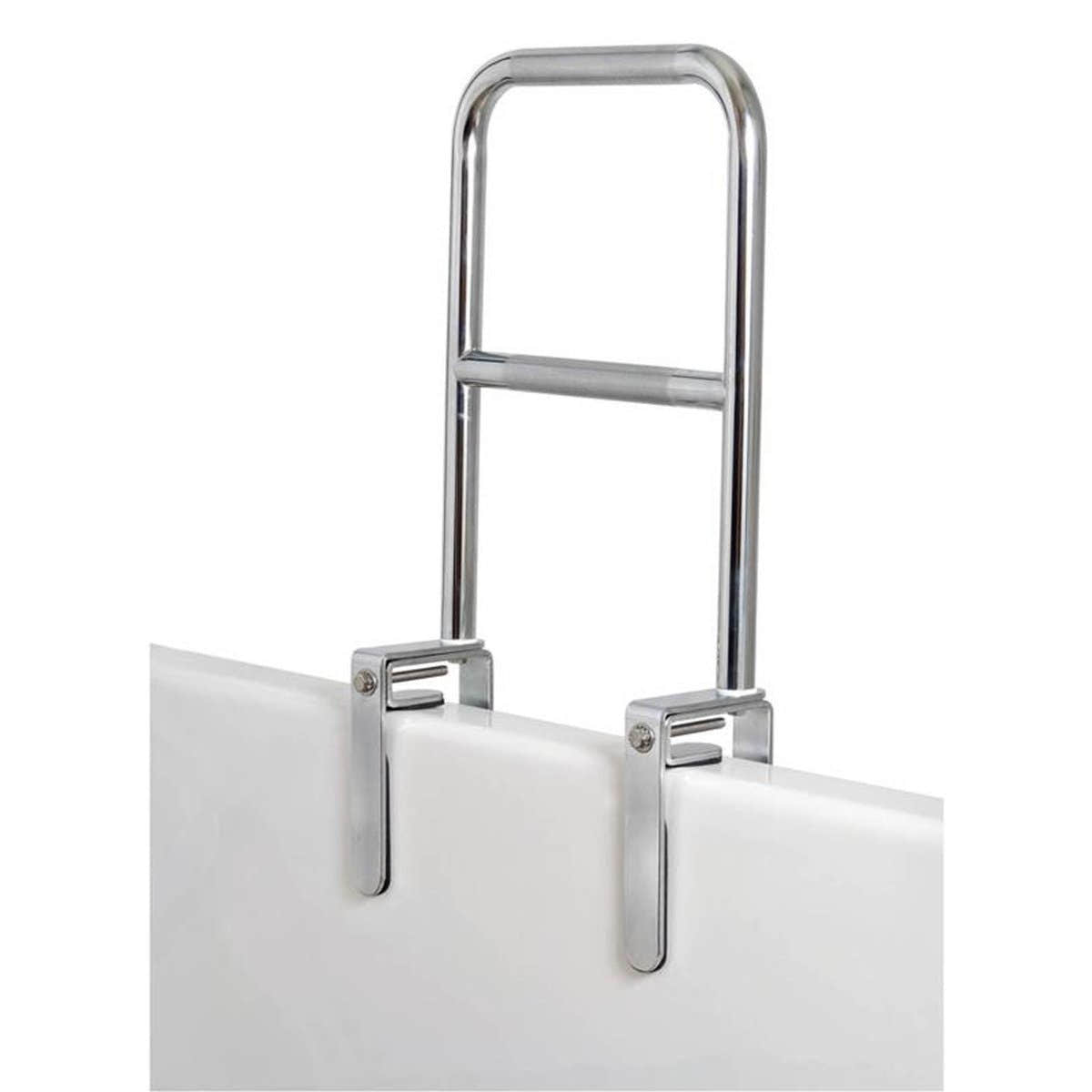
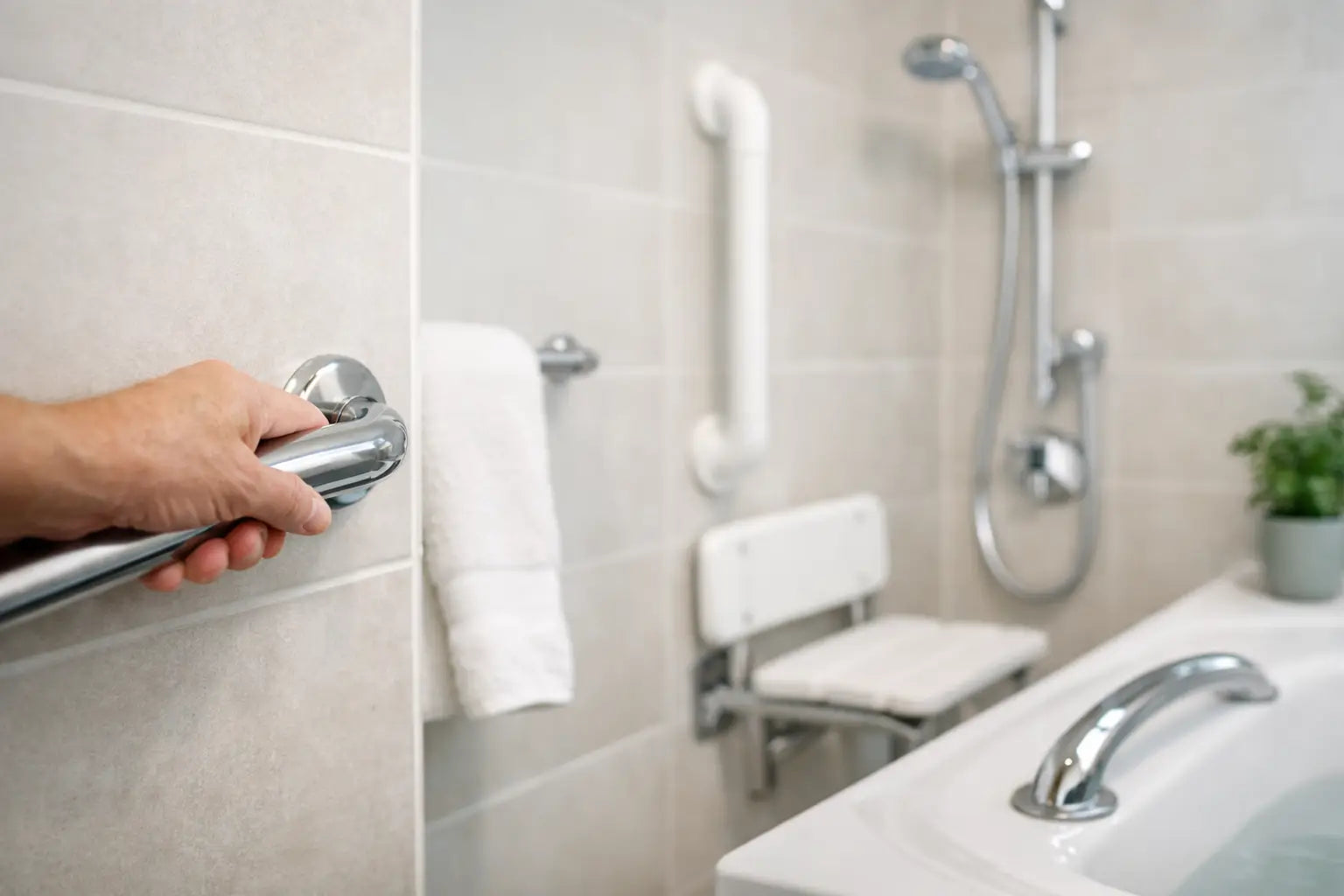
For a shower or tub, a horizontal bar on the long wall can help with standing, turning, and moving along the bathing area. A vertical bar near the entrance can offer a secure handhold while stepping in or out. Many bathrooms benefit from both, especially when the tub edge is high or the user has limited leg strength.
Near the toilet, a horizontal wall-mounted bar or a fold-down support rail can assist with sitting and standing. If wall space is limited, a floor-to-ceiling tension pole may be worth considering. It can provide support without requiring a major bathroom remodel, although it still must be installed exactly as directed and checked regularly.
Best Grab Bars for Bathroom Use by Type
There is no single best style for every home. These are the main options to compare when shopping for bathroom safety equipment.
Wall-Mounted Grab Bars
Wall-mounted grab bars are the strongest and most dependable choice when properly installed. They are available in straight, angled, and curved shapes, commonly in lengths from 12 to 36 inches or longer. A 16- to 24-inch bar works well in many shower spaces, while longer bars can provide more coverage along a tub wall.
Look for a bar designed to be fastened into wall studs or backed by appropriate structural support. A grab bar is not the same as a towel bar. Towel bars are designed for towels, not body weight, and should never be used for stability.
Stainless steel remains a practical choice because it is durable, easy to clean, and fits most bathrooms. Textured or peened grips can be helpful when hands are wet. If a smoother appearance is preferred, choose a finish that still offers a secure, easy-to-hold diameter.
Angled and Vertical Grab Bars
Angled bars can be easier to use than a fully horizontal bar for some people because they offer hand positions at different heights. They are especially useful near a shower entrance or beside a toilet where a user may need to pull up and steady themselves in one movement.
Vertical bars are often installed near the outer edge of a tub or shower opening. They support the first step into the bathing area and the last step out. They work best as part of a larger support plan, not as the only bar in a slippery tub or shower.
Fold-Down Toilet Safety Rails
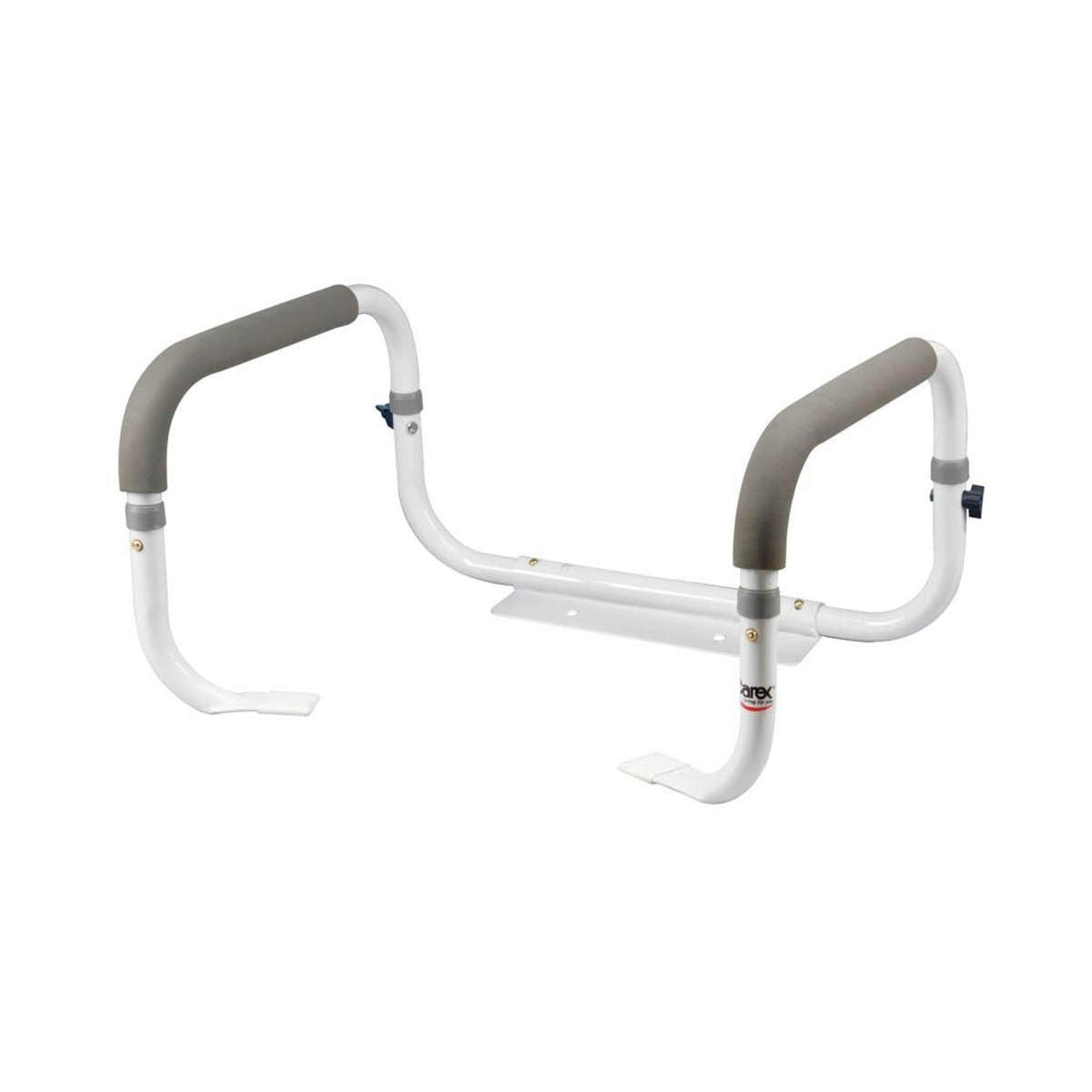
Fold-down rails mount to the wall beside a toilet and extend outward to create a supportive armrest. They can be a good solution for a narrow bathroom, because they fold up when not in use. Some models include a leg that rests on the floor for added support.
These rails require secure mounting and enough clearance for the user, wheelchair, walker, or caregiver. Measure carefully before ordering. A rail that blocks access to the toilet or vanity will be frustrating, no matter how sturdy it is.
Floor-to-Ceiling Tension Poles
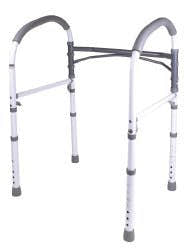
A tension-mounted support pole fits between the bathroom floor and ceiling. Some include a curved handle or multiple grab points. This can be helpful beside a toilet, near a bed, or in another area where drilling into walls is not practical.
Tension poles are best for steadying and balance support when installed on solid, level surfaces. They may not be appropriate for every ceiling type, and they should not be assumed to handle the same use as a professionally mounted wall bar. Follow the manufacturer’s instructions for ceiling height, surface requirements, adjustment, and weight capacity.
Suction Grab Bars
Suction grab bars are portable and convenient for travel or short-term positioning, but they deserve extra caution. They attach only to smooth, nonporous surfaces such as certain tile, glass, or acrylic walls. They may lose suction without warning because of moisture, soap residue, uneven tile, or surface damage.
Use suction bars only for light balance assistance if the manufacturer permits it. Do not use them to pull up from a seated position, support a full-body transfer, or prevent a fall. For anyone with significant weakness, unsteady gait, or a history of falls, a permanently installed solution is the safer choice.
What to Look for Before You Buy
The best bathroom grab bar should fit the user’s hand, the bathroom layout, and the installation surface. Product details matter because small differences can affect comfort and safety.
A diameter of about 1.25 to 1.5 inches is comfortable for many adult hands. The bar should leave enough room between the wall and the grip so fingers can wrap around it fully. A clearance of roughly 1.5 inches is common, but always review the product specifications and installation directions.
Weight capacity is also important. Choose a bar rated for the expected use, then make sure the wall and mounting method can support that rating. A high stated capacity does not make a grab bar safe if it is attached only to weak drywall or installed with unsuitable hardware.
Consider the bathroom’s cleaning routine, too. A smooth stainless steel bar is simple to wipe down, while a textured bar can provide better grip but may need more attention around the surface pattern. Concealed mounting covers can give a finished look, but easy-to-inspect mounting hardware may be preferable in some care settings.
Installation Is Part of the Safety Decision
Even the best grab bars for bathroom safety can fail if they are poorly installed. Whenever possible, mount bars into wall studs. If studs are not located where support is needed, a qualified installer can assess whether blocking, specialty anchors, or another mounting approach is appropriate for the wall construction.
Do not guess at placement based on a product photo. Have the intended user stand or sit in the bathroom and identify where their hand naturally reaches during a transfer or while entering the shower. A physical therapist, occupational therapist, or home accessibility professional can provide useful guidance when mobility needs are more complex.
Avoid installing a bar where it will interfere with shower doors, faucet handles, toilet paper holders, or caregiver access. Once installed, test the bar carefully before relying on it. Check it regularly for looseness, corrosion, cracked tile, or damaged mounting covers.
Build a Safer Bathroom Around the Grab Bar
Grab bars work best alongside other practical fall-prevention measures. A nonslip bath mat outside the shower can reduce slipping after bathing, while nonslip strips or a secured bath mat inside the tub can improve footing. Keep towels, soap, and toiletries within reach so the user does not have to stretch or twist while wet.
A shower chair or transfer bench may be useful for someone who cannot stand safely for the full shower. A handheld showerhead can make seated bathing easier, and a raised toilet seat can reduce the distance required to sit and stand. These products do not replace proper grab bars, but together they can make daily routines less demanding.
CartHealth makes it easier to shop across mobility and bathroom safety needs in one place, whether you are preparing for recovery at home or supporting a loved one’s long-term care.
The right grab bar is the one that gives a person a solid, natural place to hold on at the exact moment they need it. Choose dependable mounting first, then select the length, shape, finish, and supporting bathroom aids that make everyday care feel more secure.