A delayed flight, a long drive, or a hotel room with limited counter space can make ostomy care feel less predictable. Searching for the best ostomy accessories travel options is really about creating a kit that keeps your usual routine comfortable, private, and manageable wherever you are.
The right travel accessories are not necessarily the most specialized products. They are the items that solve the small problems that come up away from home: finding a clean changing surface, keeping supplies dry, disposing of used pouches discreetly, and having enough backup supplies if plans change. Your personal routine, ostomy type, and trip length should guide every choice.
Best Ostomy Accessories for Travel
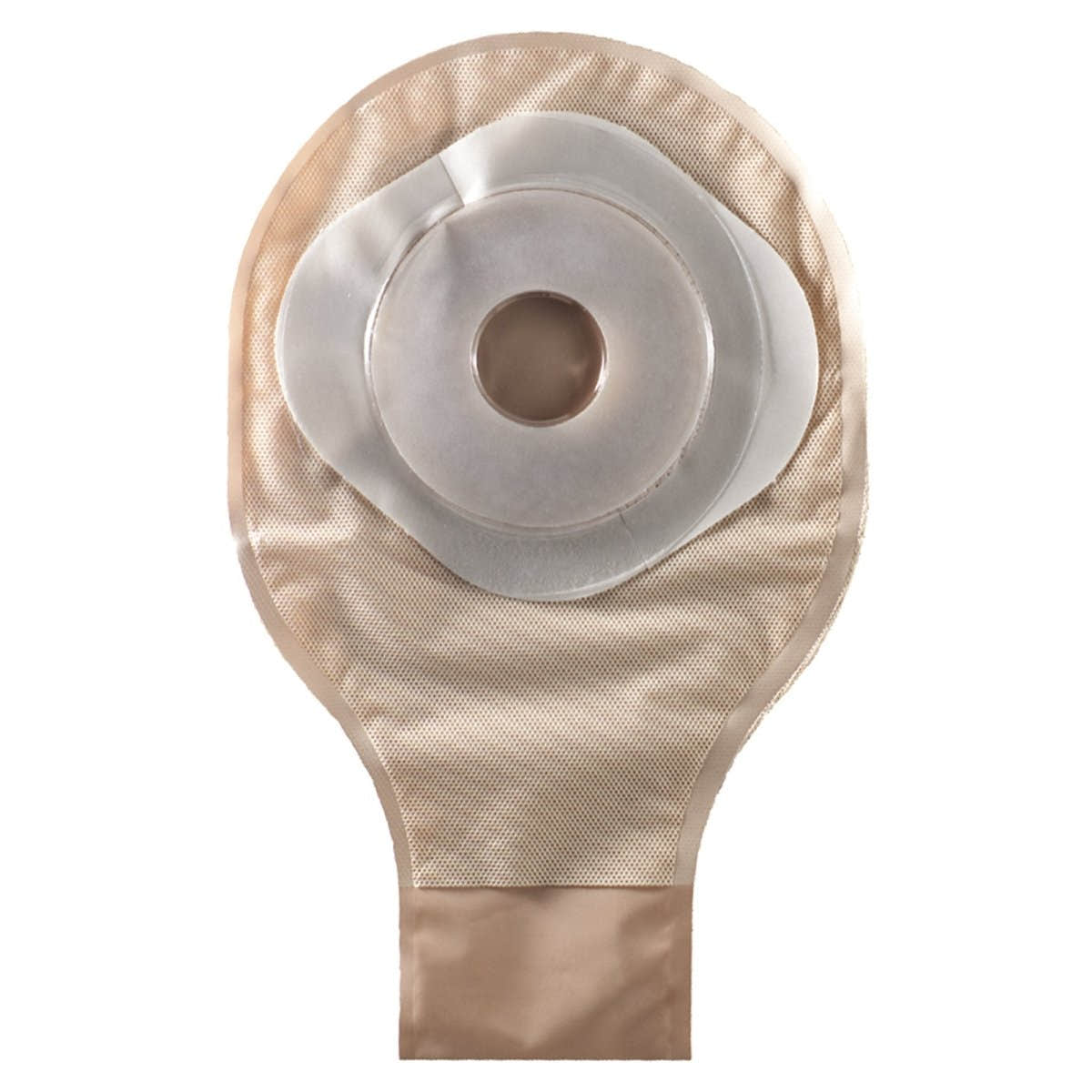
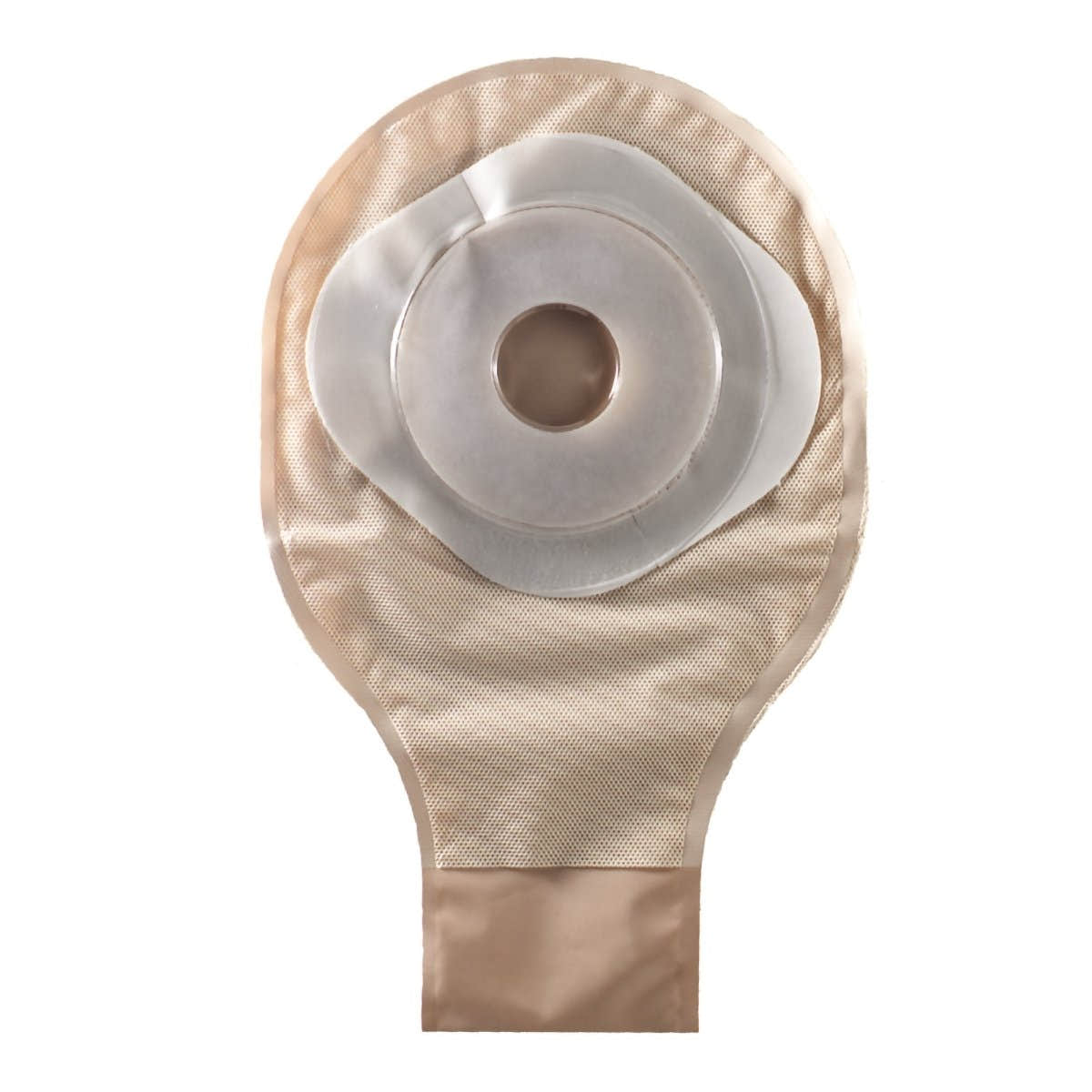
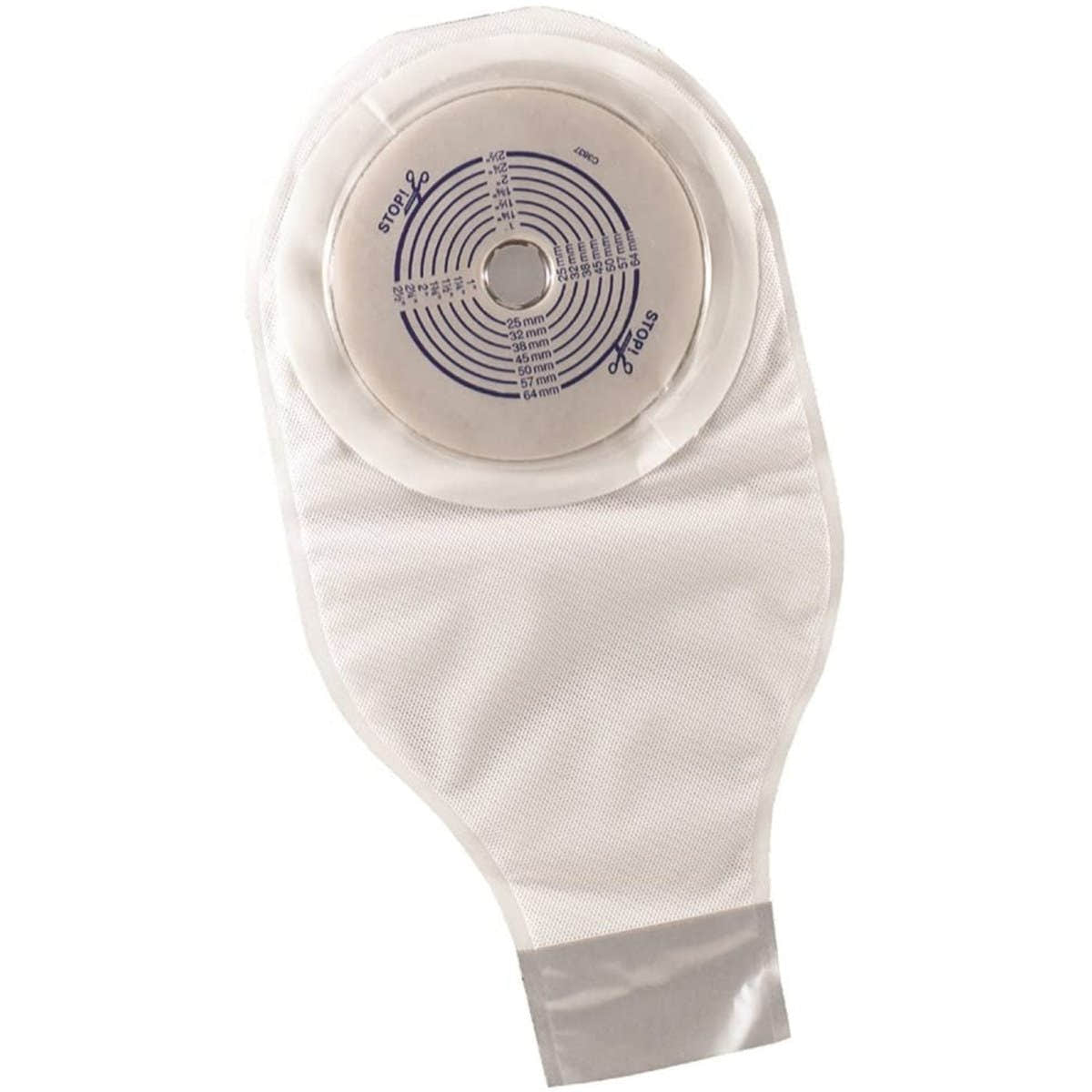
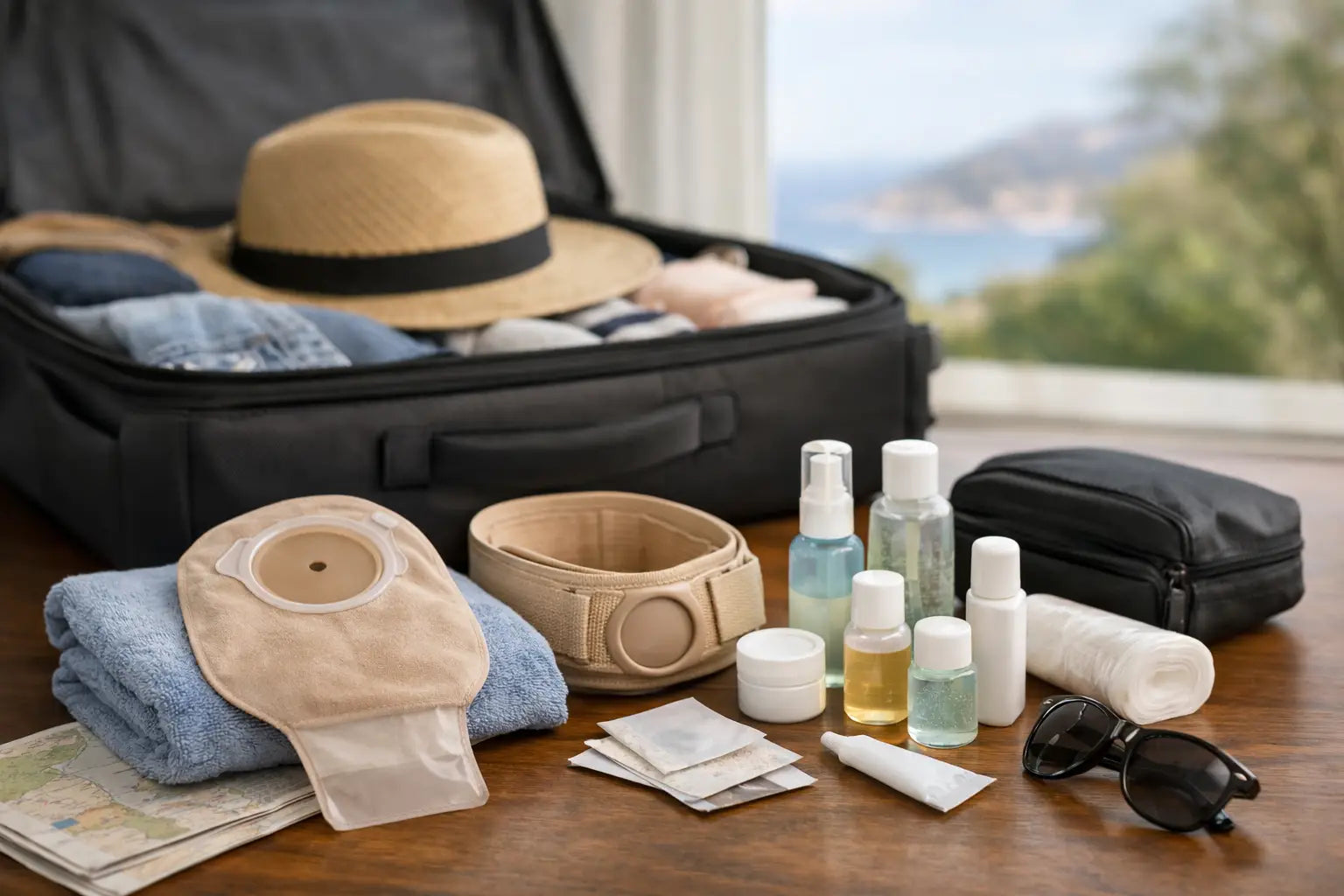
A reliable travel kit starts with your usual ostomy system. Pack the pouches, skin barriers or wafers, closures, clips, and any accessories you already use successfully at home. Travel is not the best time to test a new adhesive, try a different pouch style, or switch brands unless you have had time to see how your skin responds.
Beyond core supplies, several accessories can make care away from home much easier.
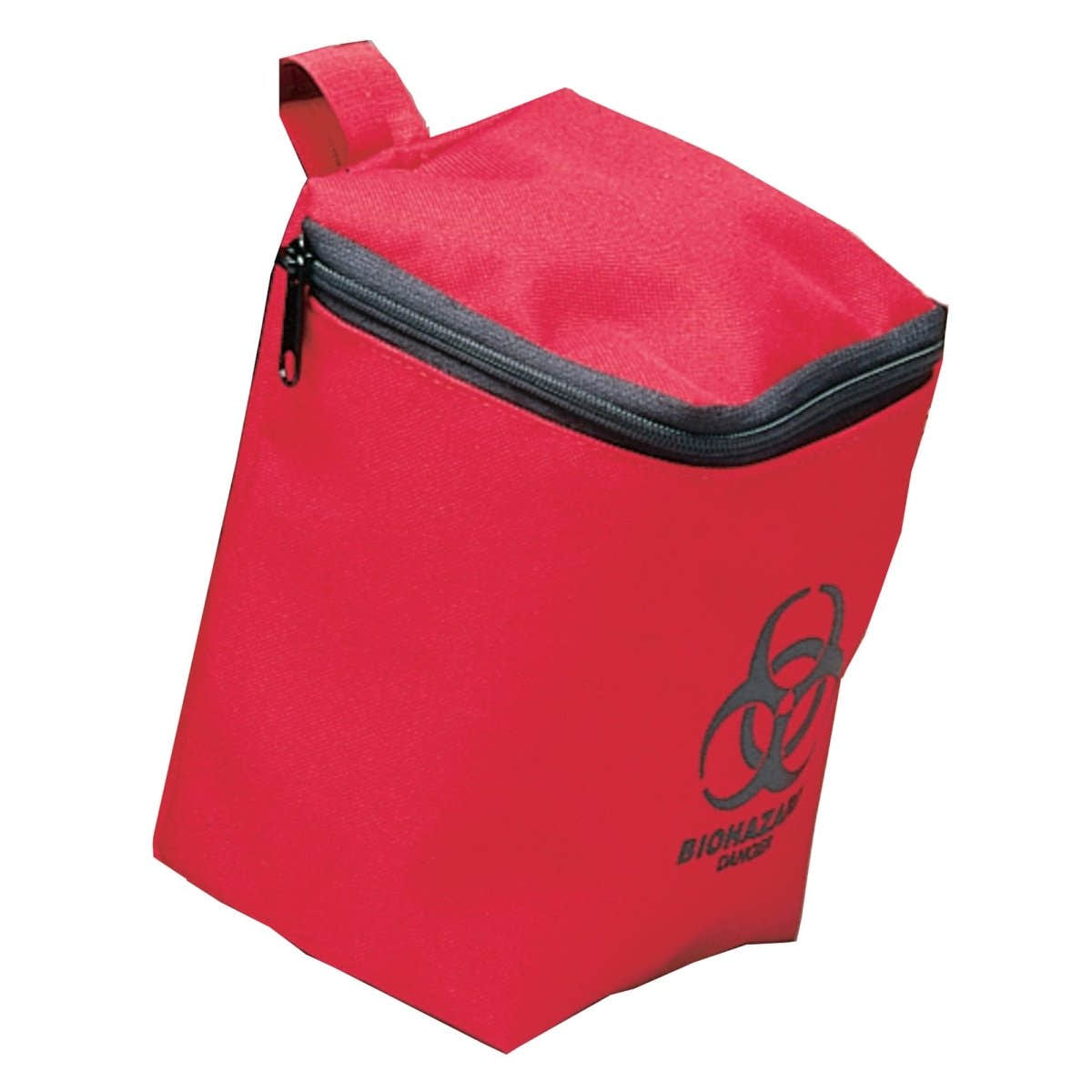
A compact ostomy travel bag
A dedicated travel bag keeps your supplies together instead of scattered through a suitcase. Look for a bag with separate compartments or small removable pouches so you can organize supplies by task. One section might hold clean pouches and barriers, while another holds wipes, disposal bags, and a small pair of scissors if needed.
A soft-sided bag is easy to fit in a carry-on, backpack, or day bag. If you prefer more structure, a zippered organizer can help prevent barriers from bending or curling. The best option depends on how much you carry and whether you will be moving frequently during the trip.
Disposal bags and odor-control supplies
Discreet disposal bags are among the most practical ostomy travel accessories. They give you a simple, hygienic way to contain used pouches, wipes, and other waste when a restroom bin is small, full, or not immediately available. Choose bags that seal securely and are large enough for your typical changing routine.
Odor-control drops, deodorizing gel, or pouch deodorant can also be useful, especially on long travel days or when sharing close quarters. These products are optional for some people, but they can add peace of mind in airplanes, hotels, RVs, or family homes. If you use a liquid product, store it in a leak-resistant bag and follow any transportation requirements that apply to your trip.
Barrier wipes, adhesive remover, and skin protection
Skin care products deserve a place in every travel kit. Barrier wipes or sprays can help protect peristomal skin, while adhesive remover wipes make pouch changes gentler and more convenient when you do not have access to your full home setup.
Wipes are often easier to pack than larger bottles because they are individually packaged and less likely to leak. However, if your skin does best with a particular spray, paste, powder, or seal, bring the product you know works. Convenience should not outweigh skin health.
A portable changing surface
A clean surface can be hard to find in airport restrooms, roadside stops, and public facilities. Disposable underpads or absorbent pads create a clean workspace for changing your pouch and help contain moisture. They are lightweight, easy to fold, and useful for other situations too, such as protecting bedding during an overnight stay.
Some travelers also pack a small hand towel or reusable waterproof mat. A reusable option creates less waste, but disposable pads may be more practical when laundry access is limited. Consider where you are going and how often you expect to change your system.
Pouch covers and support garments
A pouch cover can add comfort by reducing the feeling of plastic against your skin and helping the pouch blend under clothing. It can be especially helpful in warm weather, during sightseeing, or when wearing lighter fabrics.
An ostomy support belt or wrap may offer added security and comfort for walking, lifting luggage, or participating in activities. The level of support you need varies. A light wrap may be enough for everyday travel, while a firmer support garment may be more appropriate if you have been advised to use one for a hernia or during recovery. It should feel supportive, not restrictive.
Travel-size cleaning essentials
Pack a few basic cleaning items that fit your routine: unscented wipes, paper towels or tissues, hand sanitizer, and a small soap option if you prefer one. Fragranced wipes and lotions can irritate skin or interfere with adhesive performance for some people, so plain, ostomy-friendly options are usually the safer choice.
A small mirror can be useful if you sometimes need help checking the fit of your barrier. It is particularly handy in compact restrooms or hotel bathrooms with poor lighting. For night travel or power outages, a small flashlight can be a thoughtful backup.
How Much Ostomy Supply Should You Pack?
For a short trip, packing at least twice the number of supplies you expect to use is a sensible starting point. Delays, lost luggage, heat, illness, swimming, or an unexpected leak can quickly change your plan. For longer trips, calculate your normal usage, then add a meaningful cushion based on how easily you can access supplies at your destination.
Keep enough supplies for several pouch changes in your carry-on or personal item when flying. Checked luggage can be delayed or misplaced, and you do not want your full supply reserve out of reach. Store the rest in a separate bag so one lost item does not leave you without everything.
It also helps to split supplies between travel companions when appropriate. If you are traveling with a spouse, family member, or caregiver, they can carry a small backup kit. This is not necessary for everyone, but it can reduce stress on multi-stop trips.
Build a Day Kit and a Main Supply Kit
Rather than carrying your entire supply stash everywhere, prepare two levels of packing. Your day kit should fit comfortably in a purse, backpack, or car console. Include one or two complete changes, disposal bags, wipes, a small absorbent pad, and any item you use to manage odor or protect your skin.
Your main supply kit stays in your hotel room, luggage, or another secure location. This is where you keep extra barriers, pouches, accessories, and your larger reserve. Refill the day kit each evening so you are ready for the next morning without repacking from scratch.
This approach works well for caregivers too. A clearly labeled kit helps another person find the right items quickly if they need to assist with care.
Plan for Climate, Water, and Activity
Heat and humidity can affect comfort, sweat, and adhesive wear time. In warm destinations, bring extra barriers, skin-prep products, and breathable pouch covers if you use them. Store adhesives and other supplies away from direct sun and avoid leaving them in a hot car.
For beach trips, pool days, or boating, bring additional supplies even if your pouch system typically handles water well. A waterproof pouch cover, ostomy belt, or tape strips may help some people feel more secure, but product needs vary by system and activity. Test any new accessory at home before relying on it during a vacation.
If you plan to hike, attend an event, or spend hours in a car, consider clothing as part of your accessory plan. Comfortable waistbands, loose layers, and easy restroom access can matter as much as the products in your bag.
A Few Smart Travel Habits
Before leaving, check that you have the correct product sizes and enough of every matching component. A pouch and barrier system may look similar across sizes, but incompatible items can create a stressful problem far from home.
Keep a written list of your product names, sizes, and usual quantities in your phone and in your travel bag. This makes reordering or explaining your needs much easier if supplies are lost. If you rely on prescription items or have specific clinical instructions, bring the information your healthcare provider recommends.
Finally, give yourself extra time on travel days. A calm restroom stop before boarding, driving, or checking out can be more valuable than trying to manage a pouch change when you are rushed.
A well-packed ostomy travel kit does more than prepare you for leaks or delays. It gives you room to focus on the reason you traveled in the first place, whether that is visiting family, taking a well-earned vacation, or simply getting through an important day with confidence.