A catheter can make daily life more manageable, but a loose tube, a full drainage bag, or new discomfort can quickly become a concern. This urinary catheter care guide is designed for patients and caregivers handling catheter care at home. Your prescribing clinician’s instructions always come first, especially if the catheter was placed after surgery or for a specific medical condition.
Start With the Type of Catheter You Have
Care routines depend on the catheter type. An indwelling urethral catheter, often called a Foley catheter, stays in the bladder and drains urine through tubing into a leg bag or larger bedside bag. A suprapubic catheter also stays in place but enters through a small opening in the lower abdomen. Intermittent catheters are inserted to empty the bladder and then removed.
This guide focuses mainly on indwelling and suprapubic catheters with drainage bags. If you use intermittent catheters, follow the product instructions and your clinician’s recommendations for clean technique, lubrication, and disposal. Do not change a catheter, remove one, or inflate or deflate its balloon unless a trained health care professional has told you to do so.
Daily Urinary Catheter Care at Home
A consistent routine helps protect the skin, keep urine flowing, and lower the chance of infection. Wash your hands with soap and water before and after touching the catheter, tubing, drainage bag, or collection container. If another person provides care, they should do the same.
Clean the area where the catheter enters the body at least once each day and after a bowel movement. For a urethral catheter, gently wash around the opening with mild soap and warm water. Hold the catheter close to where it enters the body so it is not pulled, then clean outward along the catheter for a few inches. Rinse well and pat dry. Avoid powders, lotions, ointments, or strong cleansers near the insertion area unless your clinician specifically recommends them.
For a suprapubic catheter, clean the skin around the stoma as directed by the care team. Some people need a dressing, while others do not after the site has healed. New redness, drainage, swelling, or tenderness around a suprapubic site should be reported promptly.
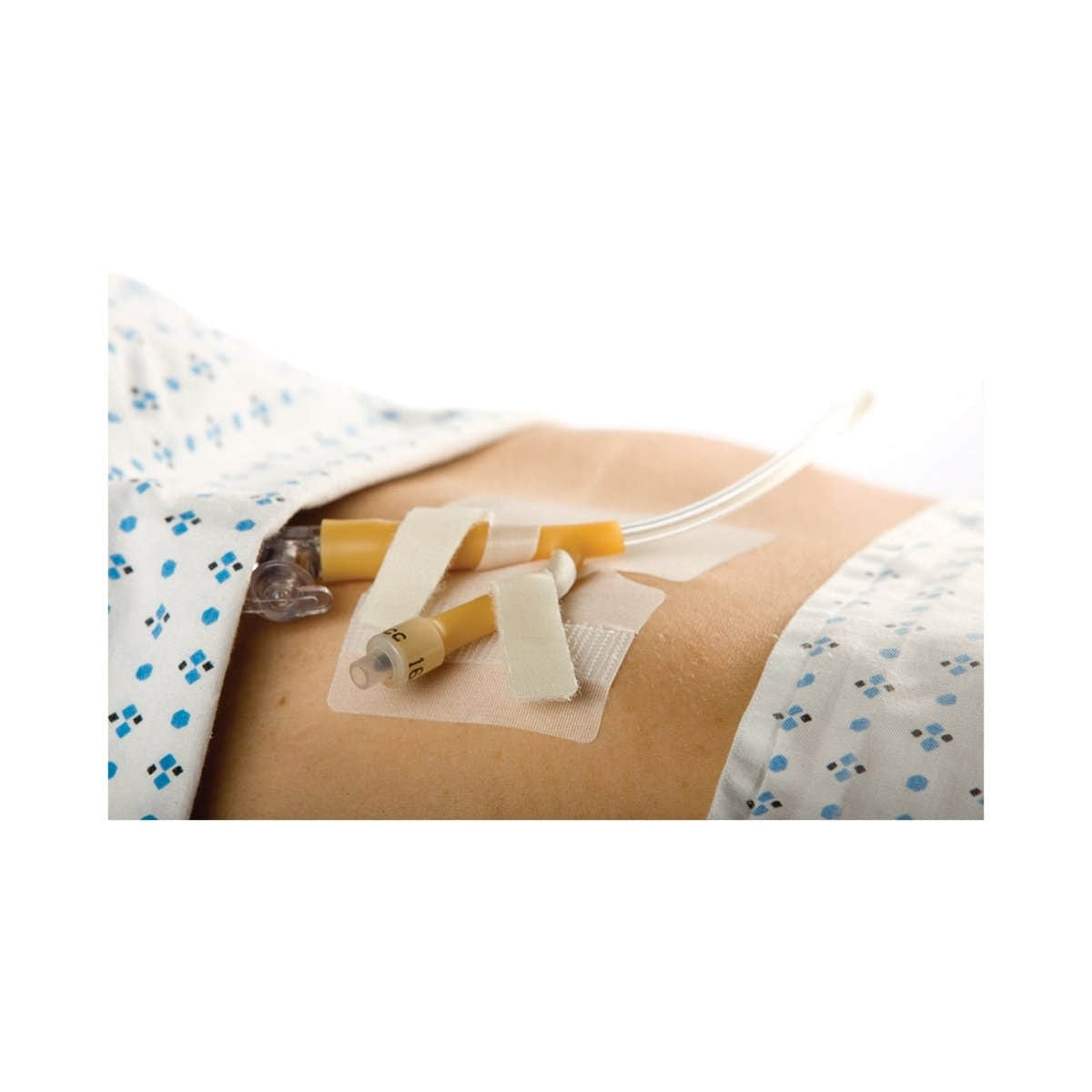
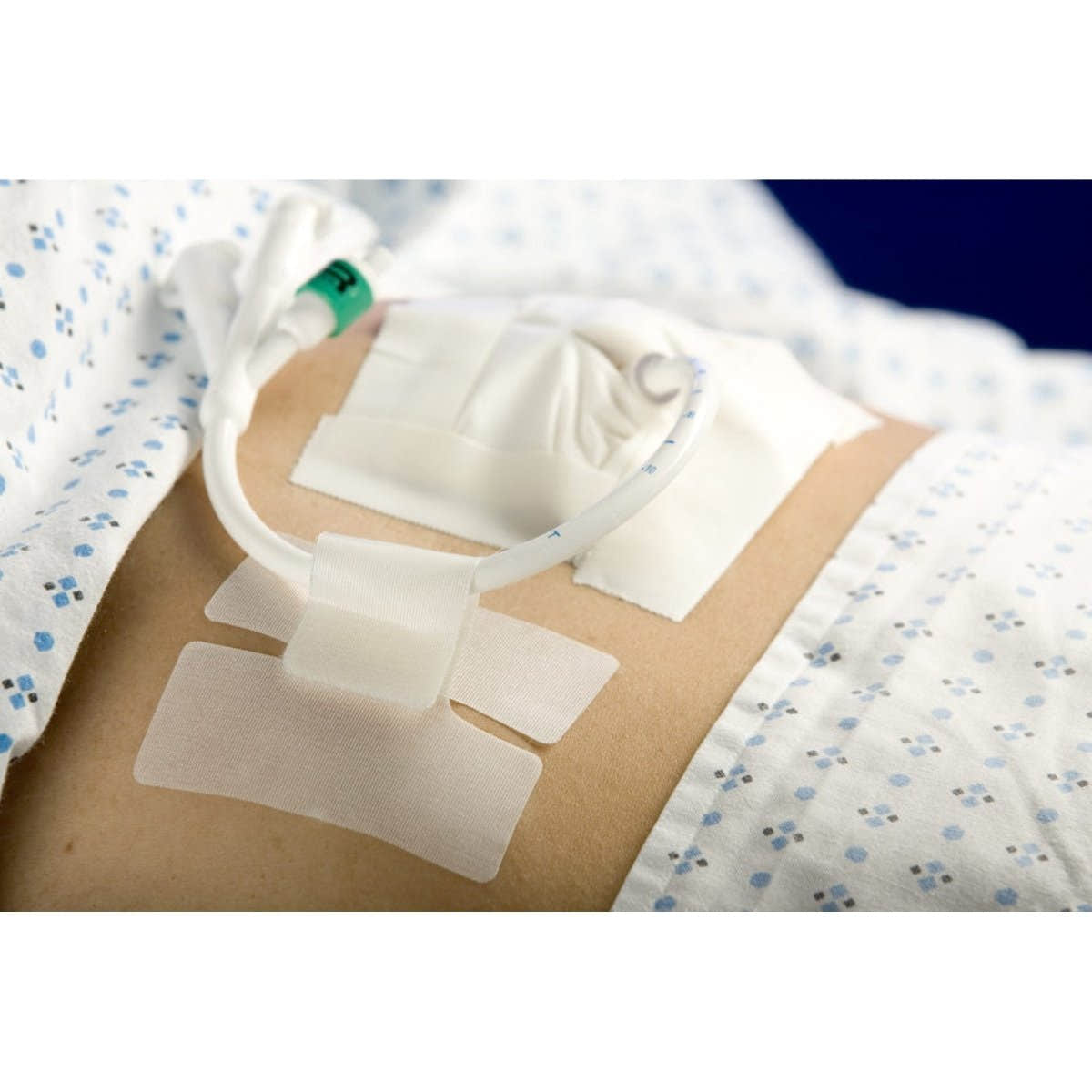
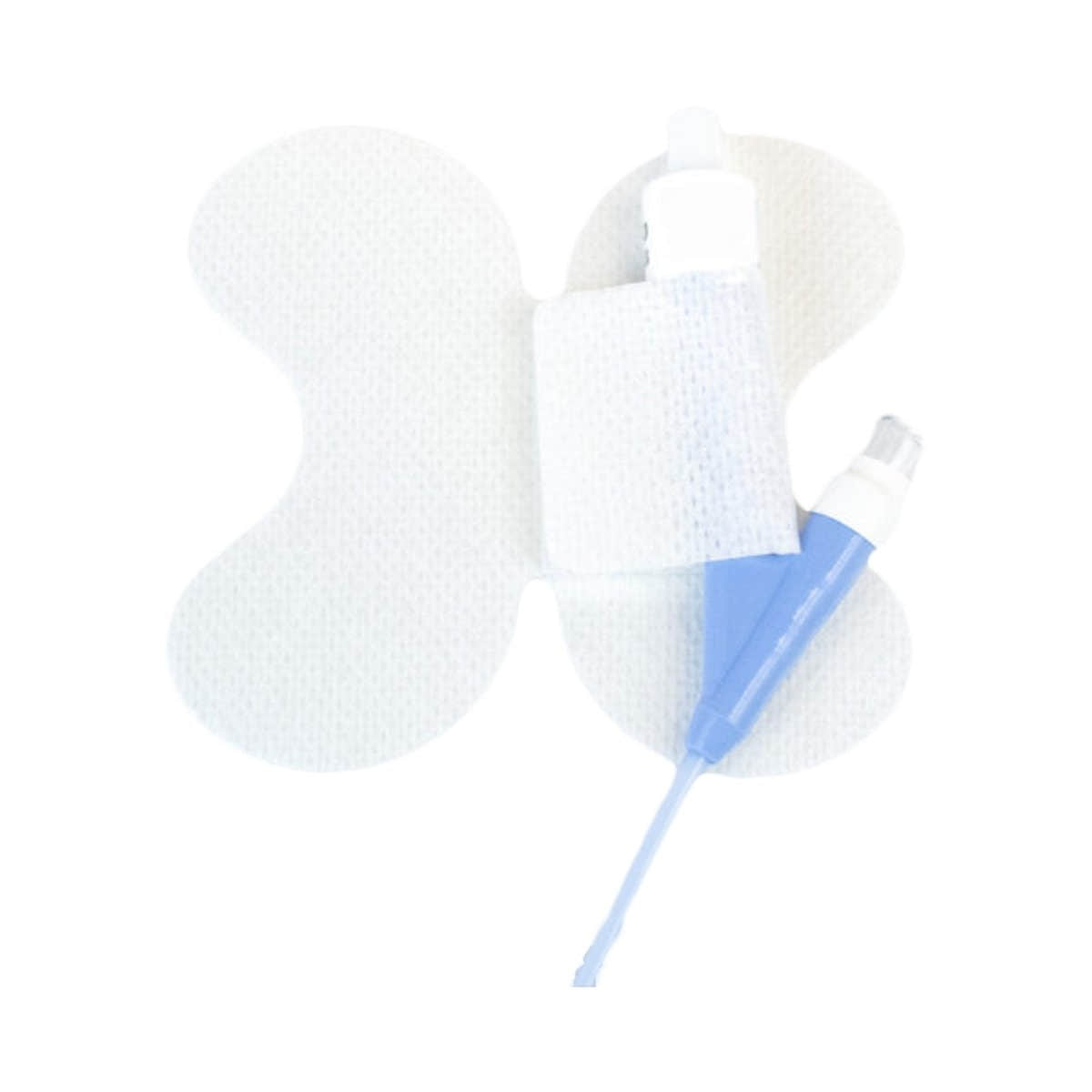
A daily shower is usually fine for many people, but bathing guidance can vary after surgery or when a new catheter is in place. Do not soak in a tub, hot tub, or pool unless your clinician says it is safe. Keep the catheter secured to the thigh or abdomen with the device recommended by your care team. A securement device can reduce tugging and painful pulling during walking, dressing, or sleeping.
Keep the Drainage System Closed and Flowing
The connection between the catheter and drainage tubing should stay closed. Disconnecting it unnecessarily creates another opportunity for germs to enter the system. If a connection comes apart accidentally, wash your hands and contact your care team for instructions, particularly if you are unsure whether the pieces stayed clean.
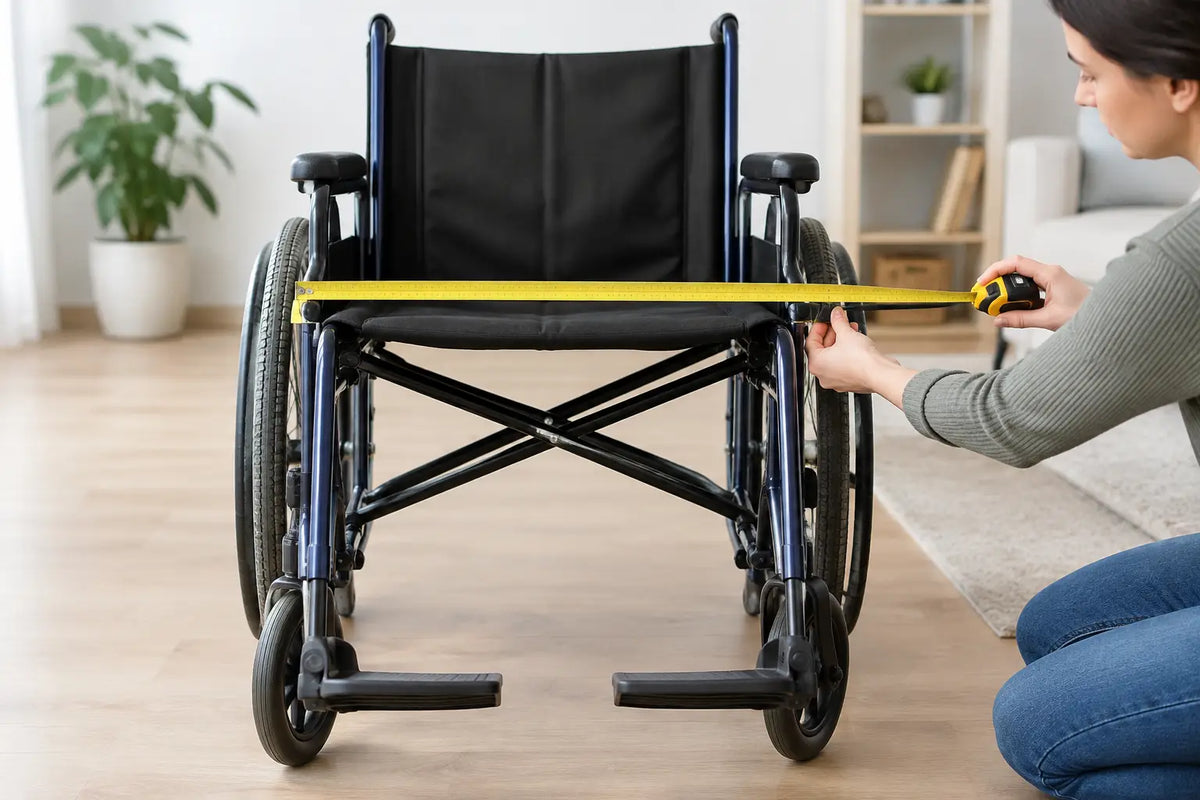
Check the tubing several times a day. It should not be kinked, twisted, compressed under clothing, or caught under a chair or wheelchair. The drainage bag must remain below the level of the bladder, including during sleep, so urine can flow by gravity and does not back up toward the bladder. Never place the bag on the floor.
Drink fluids according to your clinician’s advice. Many people are encouraged to drink enough water to keep urine flowing, but fluid goals can be different for people with heart failure, kidney disease, or fluid restrictions. If you have been given a daily fluid limit, follow that plan instead of increasing fluids on your own.
Using a Leg Bag and Bedside Drainage Bag
A leg bag is smaller and can be worn under clothing for daytime mobility. A larger bedside bag generally holds more urine and is useful overnight. Your health care provider may recommend one type, both types, or a specific schedule based on your needs.
Empty the bag when it is about half to two-thirds full, before travel, and before bedtime. A heavy, overfilled bag can pull on the catheter and make leaks more likely. Wash your hands, position a clean container beneath the drain spout if needed, and avoid letting the spout touch the container, toilet, floor, or your hands. Drain the urine, close the spout securely, and wash your hands again.
When switching from a leg bag to a bedside bag, use the process and supplies your clinician provided. Keep the connection ends clean and avoid touching them. Some systems are intended for repeated use with routine cleaning, while others have specific replacement schedules. Follow the instructions for your particular bag rather than using a one-size-fits-all routine.
Urine can look darker in the morning or when you have not had much to drink. A sudden change in color, strong odor, cloudiness, sediment, or blood may need attention, especially when it occurs with fever, pain, or feeling unwell. Record what you notice if your care team asks you to monitor output.
When to Call Your Health Care Provider
A catheter does not eliminate the possibility of a urinary tract infection or a blockage. Call your provider for guidance if urine stops draining into the bag, you have checked for kinks, and the bag is still positioned below your bladder. Also call if you notice ongoing leakage around the catheter, new bladder spasms, worsening pain, or a catheter that appears to have moved.
Contact your care team promptly for signs that may point to infection or another catheter problem, including:
- Fever, chills, or new confusion, especially in an older adult
- Burning, pelvic pressure, lower abdominal pain, or back pain
- Cloudy, foul-smelling urine along with symptoms of illness
- Redness, warmth, swelling, pus-like drainage, or bleeding at a suprapubic catheter site
Common Problems and Simple Checks
Leaks do not always mean the catheter is damaged. They can happen when tubing is bent, the drainage bag is too full, constipation puts pressure on the bladder, or bladder spasms occur. Start by checking the tubing, securement device, and bag position. Do not tape a leaking connection or try to repair damaged tubing. Contact your provider if the issue continues.
If urine is not draining, first look for a closed clamp, kink, twist, or bag positioned too high. Make sure you are not sitting or lying on the tubing. Do not flush, irrigate, or manipulate the catheter unless you have clear instructions and the prescribed supplies to do so. Irrigation is appropriate for some patients, but it is not routine home care for every catheter user.
Constipation can make catheter discomfort and leakage worse. Gentle movement, adequate fluids when allowed, and a bowel routine recommended by your care team may help. Ask before adding laxatives, fiber products, or other treatments, especially if you take multiple medications.
Supplies That Make Routine Care Easier
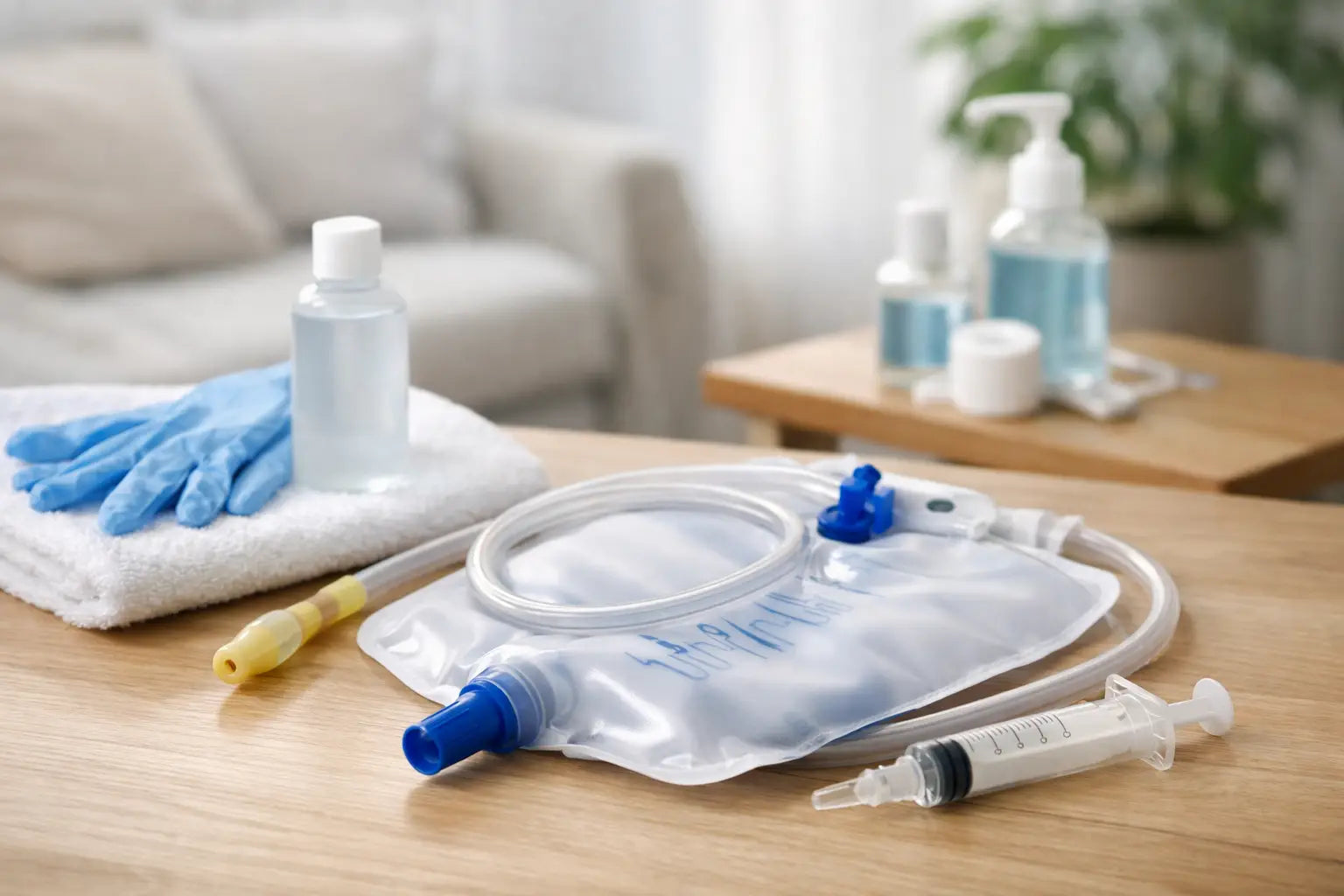
Keeping frequently used supplies in one clean, easy-to-reach place can reduce stress during daily care. Depending on your plan, this may include drainage bags, leg straps or catheter securement devices, measuring containers, disposable gloves, mild soap, clean washcloths, underpads, and skin-friendly cleansing supplies.
Replacement timing varies by product and prescription. Keep enough supplies on hand so you are not forced to reuse a damaged bag or wait until the last minute to replace a securement device. CartHealth offers home health essentials across urology, incontinence, patient care, and related categories, which can be helpful when a household is managing more than one ongoing care need.
Questions to Ask Before You Leave an Appointment
Before a new catheter is managed at home, make sure you know who to call after hours, when the catheter is due to be changed, which bag to use during the day and night, and whether you have any fluid restrictions. Ask for a demonstration if you are unsure how to empty the bag or switch drainage systems. Caregivers should practice the routine while a nurse or clinician is available to answer questions.
The goal is not to make catheter care feel complicated. A clean routine, secure tubing, a low-hanging drainage bag, and early attention to changes can make home care more comfortable and give you a clearer sense of when to reach out for help.