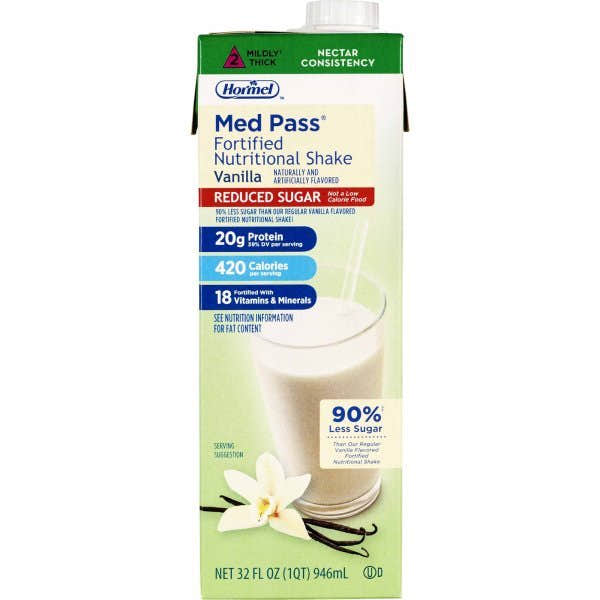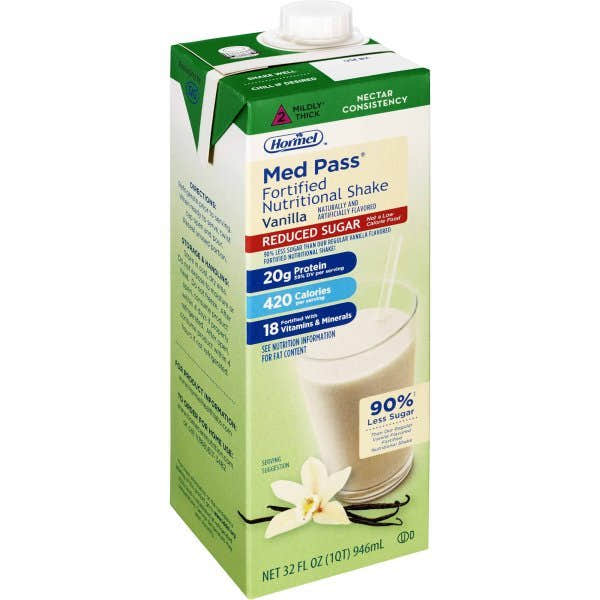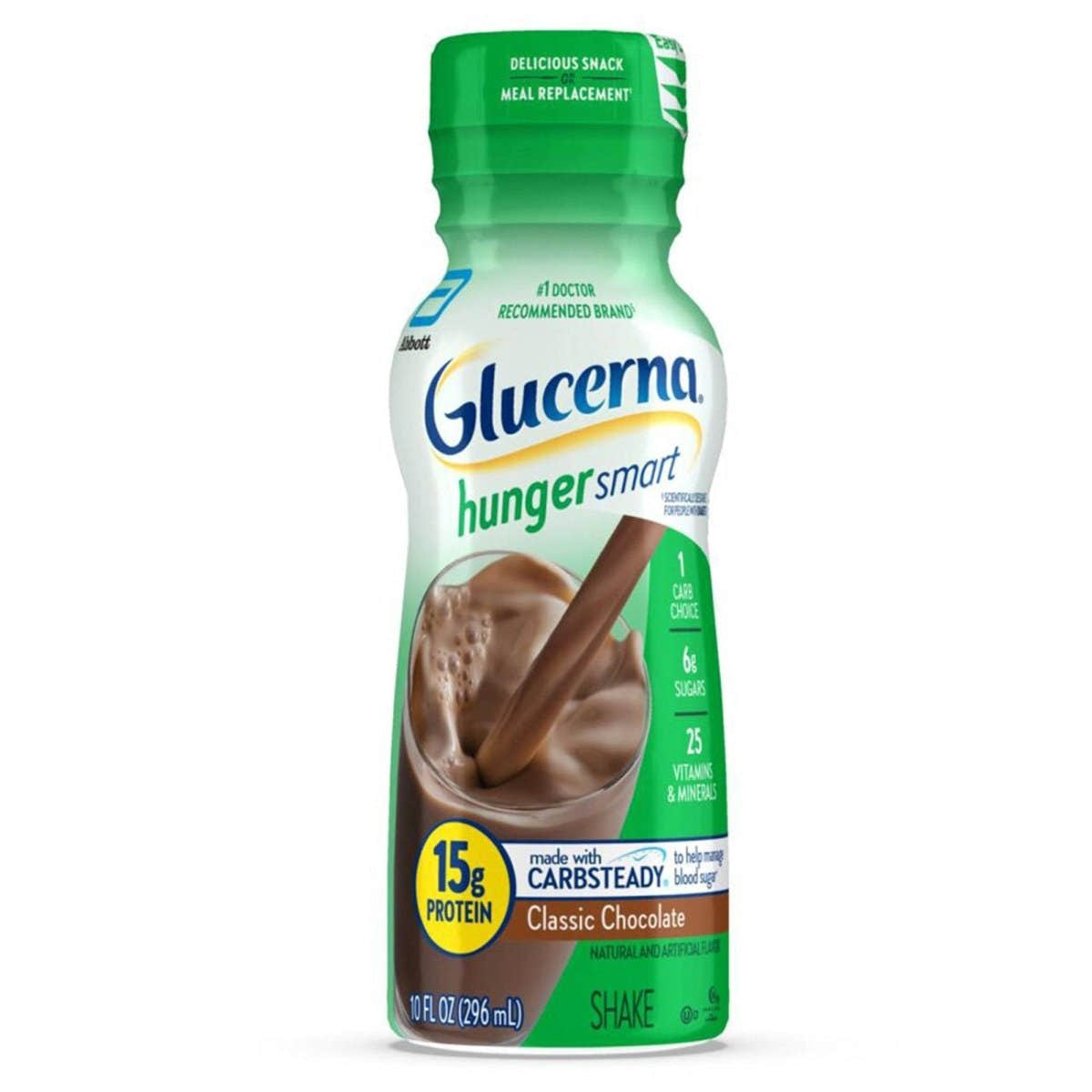
When a loved one is eating less after an illness, losing weight during recovery, or simply unable to finish full meals, every sip can matter. The best nutrition shakes for weight gain make it easier to add calories, protein, and key nutrients without asking someone to eat a large plate of food when their appetite is low.
For many households, a ready-to-drink shake is not about replacing every meal. It is a practical tool for filling nutrition gaps between meals, supporting recovery, or helping maintain strength when regular food is difficult. The right choice depends on the person’s calorie needs, protein goals, medical conditions, dietary restrictions, and ability to tolerate different textures.
What Makes a Nutrition Shake Good for Weight Gain?
A shake designed for weight gain should provide more than a small amount of protein. Calories are the starting point. A standard nutrition drink may contain roughly 200 to 250 calories per serving, while higher-calorie options can provide 300 calories or more in a similar-size bottle. For someone with a poor appetite, a concentrated formula can be helpful because it delivers more nutrition in fewer ounces.
Protein matters, too. During recovery from surgery, injury, illness, or a period of limited mobility, adequate protein supports the body’s normal maintenance and repair processes. Many adults do well with shakes that provide a meaningful amount of protein alongside calories, rather than relying on sugary drinks that add energy without much nutritional value.
The best option also includes a balanced mix of carbohydrates, fats, vitamins, and minerals. Calories from fat can be especially useful for weight gain because fat is calorie-dense. However, the best balance is personal. A person managing diabetes, kidney disease, digestive concerns, or food allergies may need a more specific formula selected with guidance from a healthcare professional.
Types of Nutrition Shakes for Weight Gain
Nutrition drinks are not all made for the same purpose. Reading the front label is useful, but the Nutrition Facts panel and product description provide the details that determine whether a shake fits the need.
High-Calorie Complete Nutrition Shakes
These are often the most practical choice for adults who need extra daily calories and broad nutritional support. They usually provide a mix of protein, fat, carbohydrates, and essential vitamins and minerals in a convenient ready-to-drink bottle.
High-calorie complete shakes can work well as a snack between meals, a light breakfast when solid food is not appealing, or a bedtime supplement. Taking them between meals is often better for weight gain than drinking one immediately before a meal, when it could reduce appetite for regular food.
High-Protein Nutrition Shakes
High-protein shakes may be a good fit when maintaining muscle strength is a priority, especially for older adults, people in rehabilitation, or those recovering from an injury. Protein alone does not guarantee weight gain, though. If the shake is low in calories, it may support protein intake without adding enough energy to help with unwanted weight loss.
For that reason, compare both numbers. A shake with more protein is not automatically the better shake for weight gain. A high-protein, high-calorie formula may be more appropriate than a lean protein drink for someone who needs to gain or maintain weight.
Diabetes-Friendly Nutrition Shakes
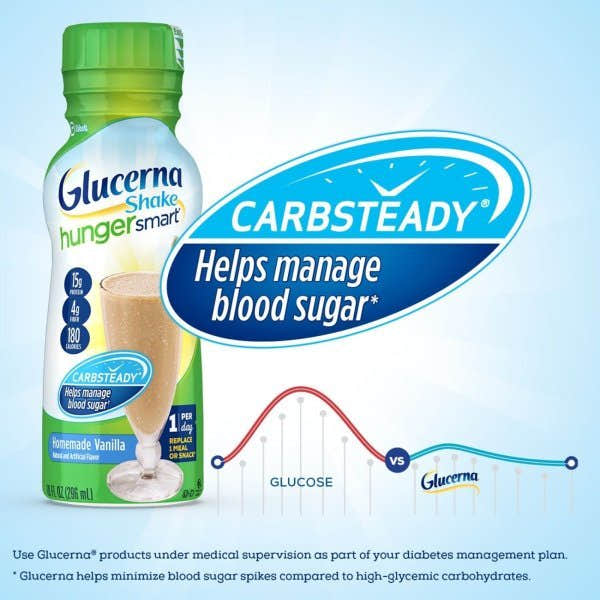
People who manage diabetes may need a formula with a carbohydrate profile designed to support more gradual blood sugar changes. These products may include fiber and use a different blend of carbohydrates than standard shakes.
A diabetes-friendly shake can still provide useful calories and protein, but it should fit the individual’s meal plan and medication routine. A doctor, registered dietitian, or diabetes care team can help determine how a nutrition drink should be included in daily carbohydrate intake.
Compact or Small-Volume Shakes
A person with early fullness, nausea, fatigue, or trouble drinking larger amounts may benefit from a smaller, calorie-dense bottle. Compact formulas are made to deliver substantial nutrition in less volume, which can make the difference between finishing a supplement and leaving it untouched.
This option is often useful for caregivers supporting someone who gets overwhelmed by full glasses or has a limited appetite at certain times of day. Chilling the shake, serving it in a preferred cup, or offering half at a time may improve acceptance.
Clear Nutrition Drinks
Milkshake-style drinks do not work for everyone. Some people prefer a lighter, juice-like option, particularly during recovery or when creamy textures feel too heavy. Clear nutrition beverages can provide calories and protein with a different taste and texture.
They may be easier to sip, but check the calorie and protein amounts carefully. Some clear drinks are intended as a supplement and may not offer the same complete nutrition profile as a balanced high-calorie shake.
How to Compare the Best Nutrition Shakes for Weight Gain
Start with the goal. Is the priority preventing further weight loss, adding calories during recovery, increasing protein intake, or replacing an occasional missed meal? A clear goal makes it easier to compare products without getting distracted by marketing terms such as “healthy,” “energy,” or “meal replacement.”
Look at calories per bottle first, then protein. A caregiver who needs a straightforward option may prefer a ready-to-drink shake with 300 or more calories and a moderate-to-high amount of protein. Someone who eats well at meals but needs a protein boost may choose a different balance.
Next, consider serving size and tolerance. Two formulas may have similar calories, but one may come in a smaller bottle or have a thinner consistency. The formula that gets consumed consistently is more useful than the one with the most impressive label that a person refuses to drink.
Also review ingredients for dietary needs. Common considerations include lactose intolerance, milk or soy allergies, gluten preferences, fiber content, and artificial sweeteners. For people with swallowing difficulty, do not assume a standard shake is safe at its regular consistency. Follow recommendations from a speech-language pathologist or medical team regarding thickened liquids and swallowing safety.
Finally, think about reorder convenience. Nutrition support often works best when products are available consistently, not just when a local store happens to have the preferred flavor in stock. Keeping a small supply of familiar shakes at home can reduce last-minute shopping stress for patients and caregivers.
When a Standard Shake May Not Be the Right Choice
Over-the-counter nutrition shakes are useful for many adults, but they are not appropriate for every situation. Significant or rapid weight loss, persistent vomiting, dehydration, severe diarrhea, new trouble swallowing, or an inability to keep food down deserves prompt medical attention.
People with kidney disease, fluid restrictions, metabolic conditions, severe food allergies, or a feeding tube should use nutrition products according to their clinician’s instructions. Tube-feeding formulas are not interchangeable with ordinary oral nutrition drinks, even when the packaging looks similar. Enteral formulas, administration supplies, and feeding schedules should be selected by the prescribing healthcare team.
If weight loss is unexplained or continues despite adding nutrition drinks, contact a healthcare provider. A shake can help support intake, but it should not delay evaluation of the reason appetite or weight has changed.
Simple Ways to Use Nutrition Shakes More Effectively
Consistency is usually more helpful than trying to add several drinks at once. Offer a shake at the time of day when appetite is strongest, such as midmorning, midafternoon, or before bed. If a full bottle feels like too much, divide it into smaller servings and refrigerate the remainder according to the product instructions.
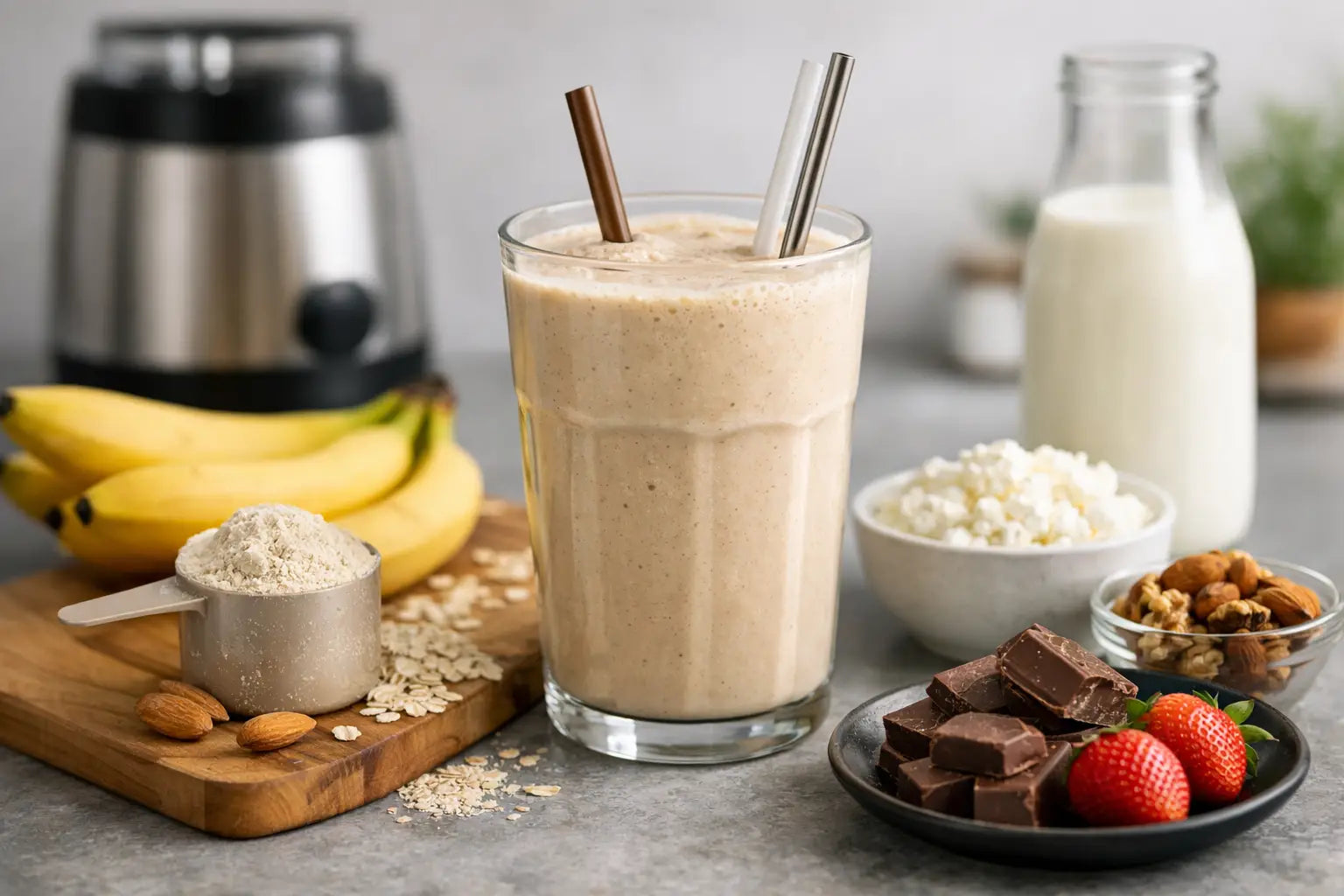
Flavor fatigue is common. Keeping two or three familiar flavors on hand can make regular use easier, but avoid buying a large case of an unfamiliar flavor before confirming that it is tolerated. Shakes are often more appealing when chilled, and some can be blended with approved foods such as fruit, yogurt, or nut butter for additional calories. Check the label and any dietary guidance first, especially for people who need controlled carbohydrates or modified textures.
Nutrition shakes work best alongside foods the person already enjoys. Small additions such as cheese, eggs, full-fat yogurt, avocado, soups, or fortified oatmeal may help increase overall intake without turning meals into a struggle. For caregivers, the goal is not perfection at every meal. It is building a realistic routine that supplies more nourishment over time.
The best choice is the shake that matches the person’s health needs, tastes acceptable, and can be used regularly. CartHealth helps make ongoing home nutrition support easier by offering familiar nutrition product categories alongside the everyday care supplies many households already need.