
A disrupted night can affect far more than sleep. For women managing bladder leakage, the right overnight incontinence protection for women can reduce clothing and bedding changes, support skin comfort, and make bedtime feel less stressful. The best choice is not always the most absorbent product on the shelf. It is the product that matches the type of leakage, sleeping position, body shape, mobility needs, and level of help available at home.
Start With the Level of Protection Needed
Nighttime needs are often different from daytime needs. A product that works well during errands or a short outing may not provide enough coverage for eight hours in bed. Leakage can also move differently while lying down, especially for side sleepers and people who change positions frequently.
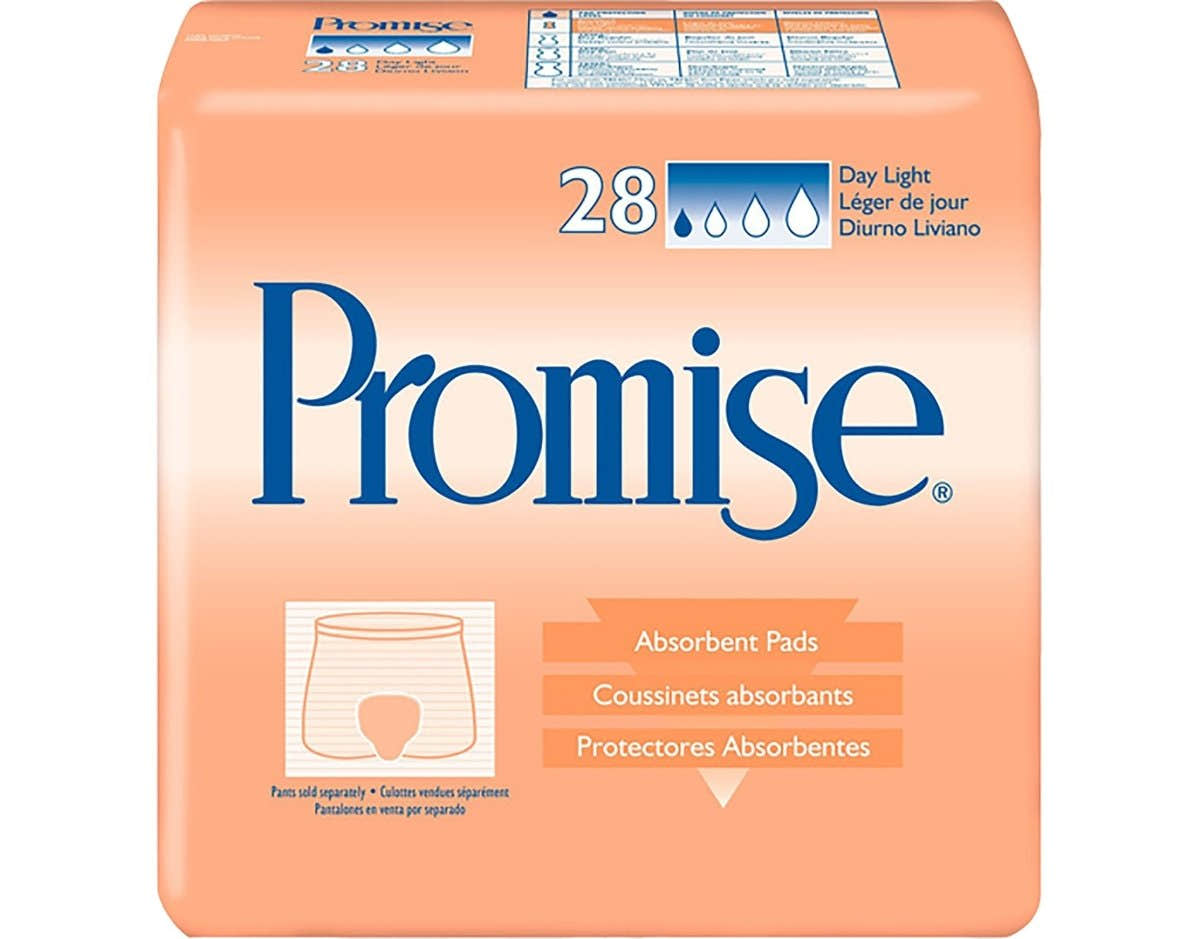
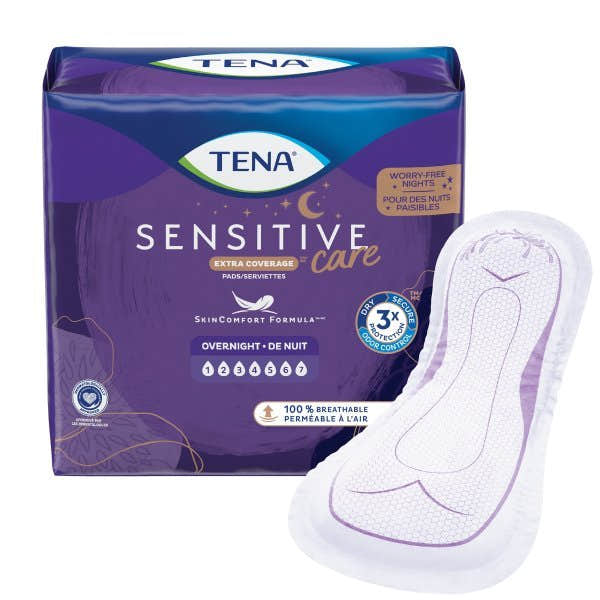
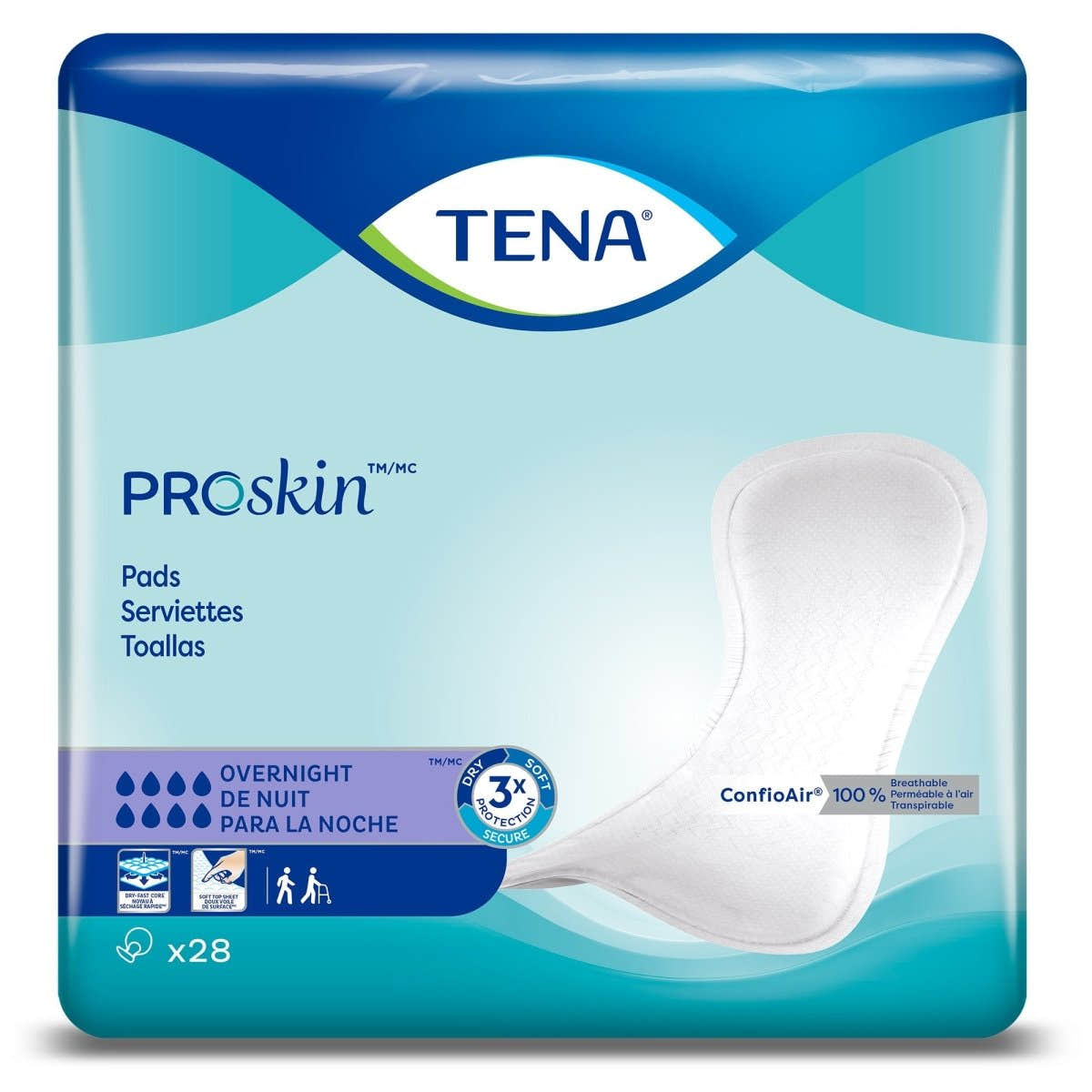
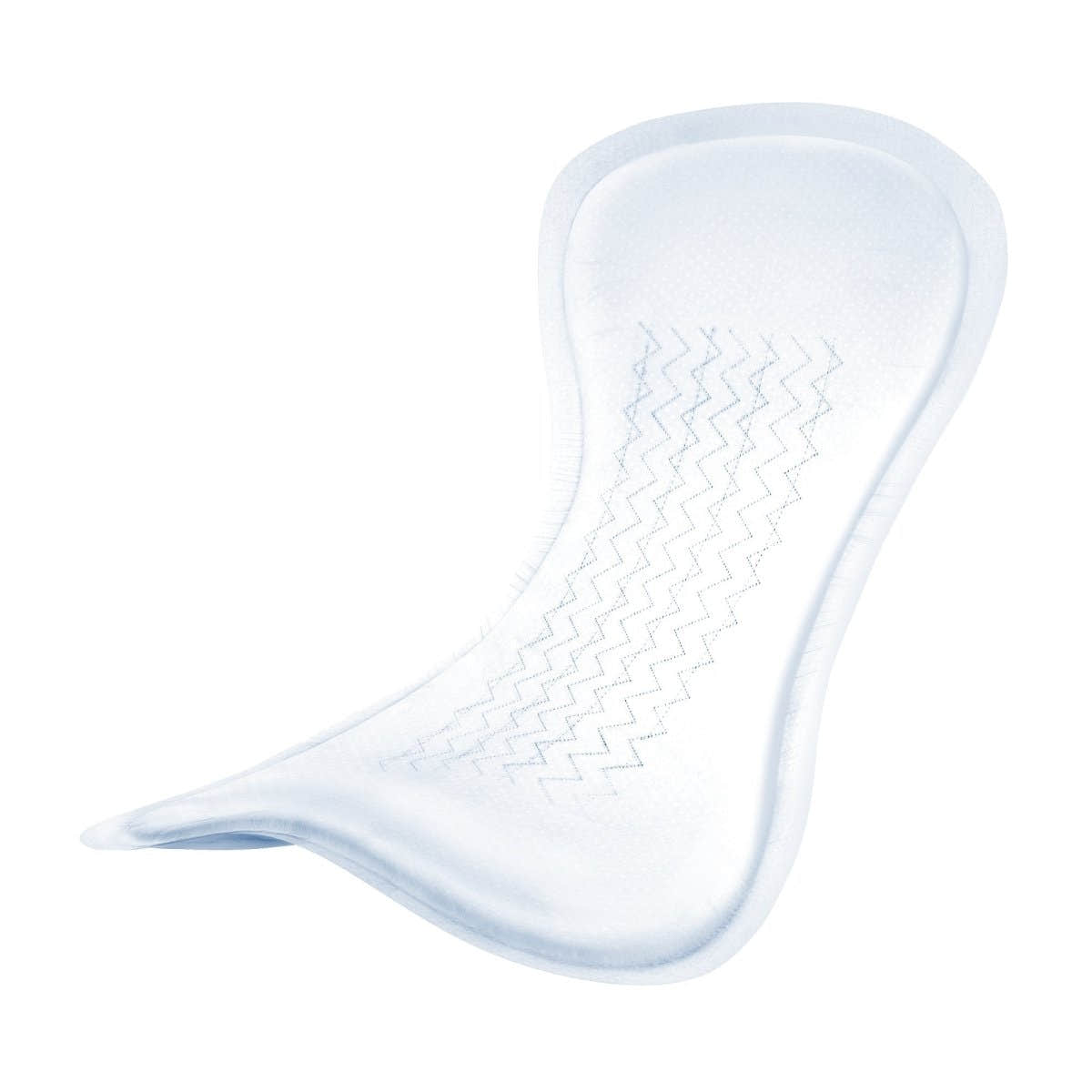
For light bladder leakage, an overnight bladder control pad may be enough when paired with close-fitting underwear. These pads are designed for urine absorption and odor control, which makes them a better choice than menstrual pads for bladder leaks. Menstrual products are made to handle a different type of fluid and may not absorb or pull moisture away from the skin as effectively.
For moderate to heavy leakage, protective underwear or adult briefs generally offer more reliable coverage. Protective underwear pulls on like regular underwear and can be a practical option for women who are able to dress independently. Adult briefs with repositionable tabs are often better for someone with limited mobility, a caregiver assisting with changes, or heavier urinary or bowel incontinence.
Capacity matters, but fit matters just as much. An overly large product can gap at the legs or waist, while a product that is too small may feel restrictive and leak at the edges. Use the manufacturer's waist and hip measurements rather than relying only on a usual clothing size.
Choosing Overnight Incontinence Protection for Women
When comparing products, look beyond labels such as "maximum" or "overnight." Those terms are useful starting points, but absorbency ratings are not standardized across every brand. A product described as maximum absorbency by one manufacturer may perform differently from another.
Consider where leaks occur most often. Women who sleep on their backs may benefit from protection with more absorbent material through the center and back. Side sleepers may need strong leg gathers and contoured side coverage. For people who sleep on their stomachs, a product with dependable front coverage can be more suitable. A few nights of observation can reveal patterns that are easy to miss during a busy morning cleanup.
The outer layer also affects comfort. Breathable materials can help reduce heat and moisture buildup, while a cloth-like cover may feel quieter and less bulky under sleepwear. Some people prefer disposable products for convenience and easy cleanup. Others use reusable absorbent underwear or washable bed pads to reduce waste. Reusable options can work well for light to moderate leakage, but they require enough on-hand supply for laundering and may not be the best standalone solution for very heavy overnight voiding.
Protective Underwear vs. Adult Briefs
Protective underwear is often the more discreet, familiar option. It is easy to pull on, typically available in women-specific fits, and works well for many active adults. Tear-away side seams can make removal easier after a leak.
Adult briefs provide a higher degree of adjustability and are easier to change without fully undressing. Their tabs let a caregiver check fit or make changes while the wearer is in bed. This can be especially helpful after surgery, during illness, or when arthritis, balance concerns, or limited movement make pull-on products difficult to manage.
There is a trade-off. Briefs may feel bulkier than protective underwear, and tab placement takes a little practice. Still, for heavy leakage or caregiver-assisted care, the extra security can be worth it.
When Pads Are the Right Choice
Pads are useful for light leakage, occasional drips, or as an added layer inside regular underwear when a full garment is not necessary. Choose pads with an adhesive strip that stays in place and a shape designed for the female body. Larger or overnight-length pads provide broader coverage, but a pad should not be folded, doubled, or used inside another absorbent product unless the manufacturer specifically says it is appropriate. Layering can interfere with how fluids move into the absorbent core and may increase the chance of leaks.
Build a More Reliable Bedtime Routine
Even a high-absorbency product performs better when it is changed and positioned correctly. Put on a fresh product right before bed, not earlier in the evening. Make sure the leg cuffs are unfolded and sitting in the crease where the legs meet the body. These barriers help direct fluid into the core instead of out the sides.
Avoid fastening briefs too tightly. A snug fit helps prevent gaps, but tight tabs or elastic can leave marks, cause discomfort, and make it harder for the product to absorb effectively. For pull-on underwear, check that the waistband sits evenly and that the garment has not twisted when pulled into place.
A few practical habits can make nighttime care easier:
- Keep a clean product, wipes, disposable bags, and fresh sleepwear within reach.
- Use a waterproof or washable mattress protector to guard against occasional leaks.
- Add a disposable or reusable underpad on top of the fitted sheet for faster changes.
- Keep a small nightlight on to make bathroom trips safer and simpler.
Support Skin Health Along With Absorbency
Skin exposed to moisture can become irritated, especially when leakage is frequent. Change soiled products promptly when possible, cleanse gently, and pat the area dry rather than rubbing. Fragrance-free cleansing wipes can be convenient for overnight changes, while a moisture barrier cream may help protect skin prone to redness or irritation.
Watch for persistent redness, broken skin, pain, itching, unusual odor, fever, or a sudden change in urinary symptoms. These concerns may need medical attention, particularly for older adults, people with diabetes, or anyone with limited sensation. Incontinence products help manage leakage, but they do not treat its underlying cause.
It can also help to discuss new or worsening nighttime incontinence with a healthcare professional. Urinary tract infections, medication changes, constipation, mobility changes, pelvic floor concerns, and certain health conditions can all affect bladder control. Guidance may include treatment options or simple changes that improve comfort and sleep.
Make Reordering Easier for Ongoing Care
Once a product works well, keep enough supply on hand to avoid last-minute substitutions. Track how many products are used each night, then allow extra for changes, travel, or unexpected heavier-leakage nights. Ordering by product type, size, and absorbency level helps caregivers and family members purchase the same dependable option each time.
CartHealth offers a convenient way to shop for incontinence essentials alongside other home care supplies, so routine needs can be handled in one order. Whether the right solution is a light pad, protective underwear, tab-style briefs, or dependable bed protection, a comfortable night usually begins with a product chosen for the person using it - not just the label on the package.