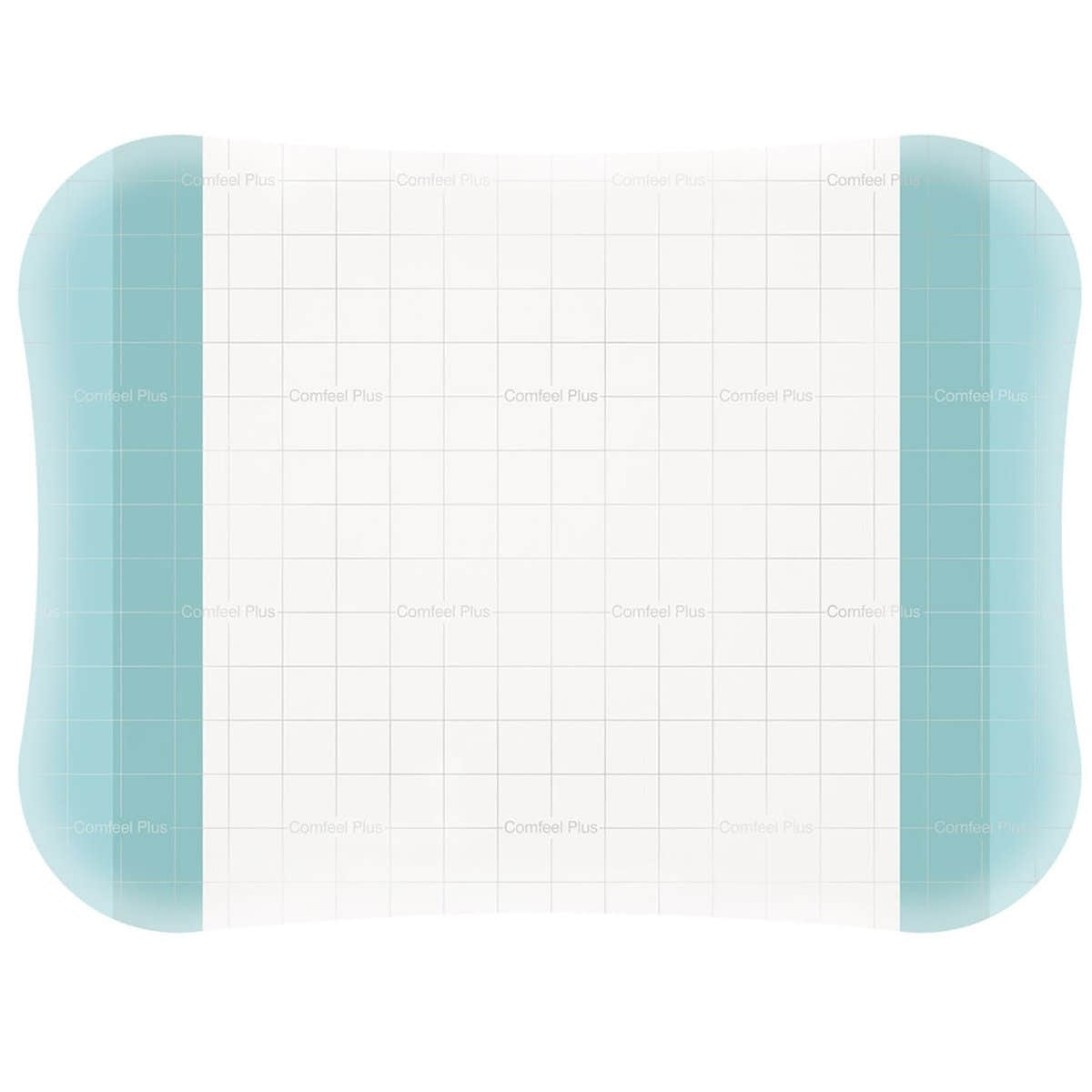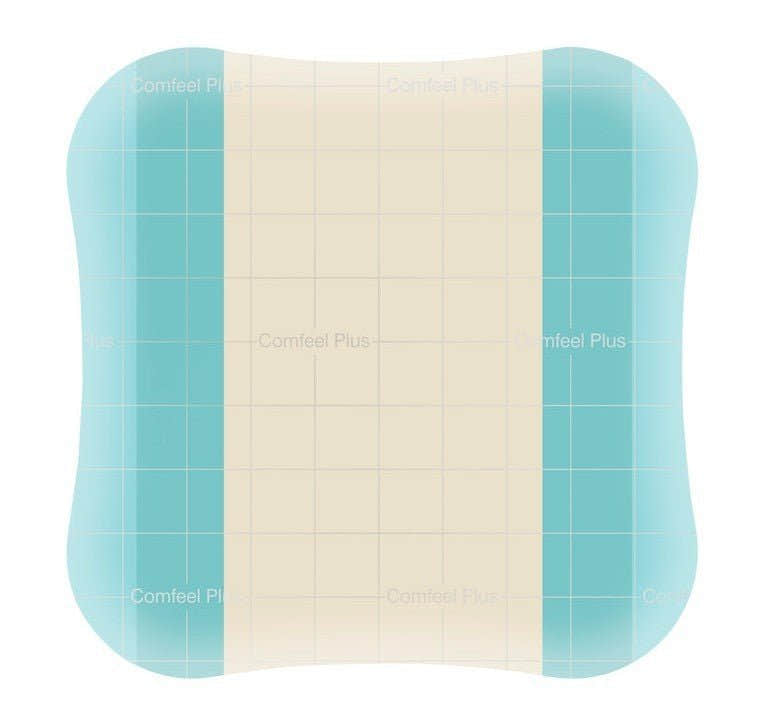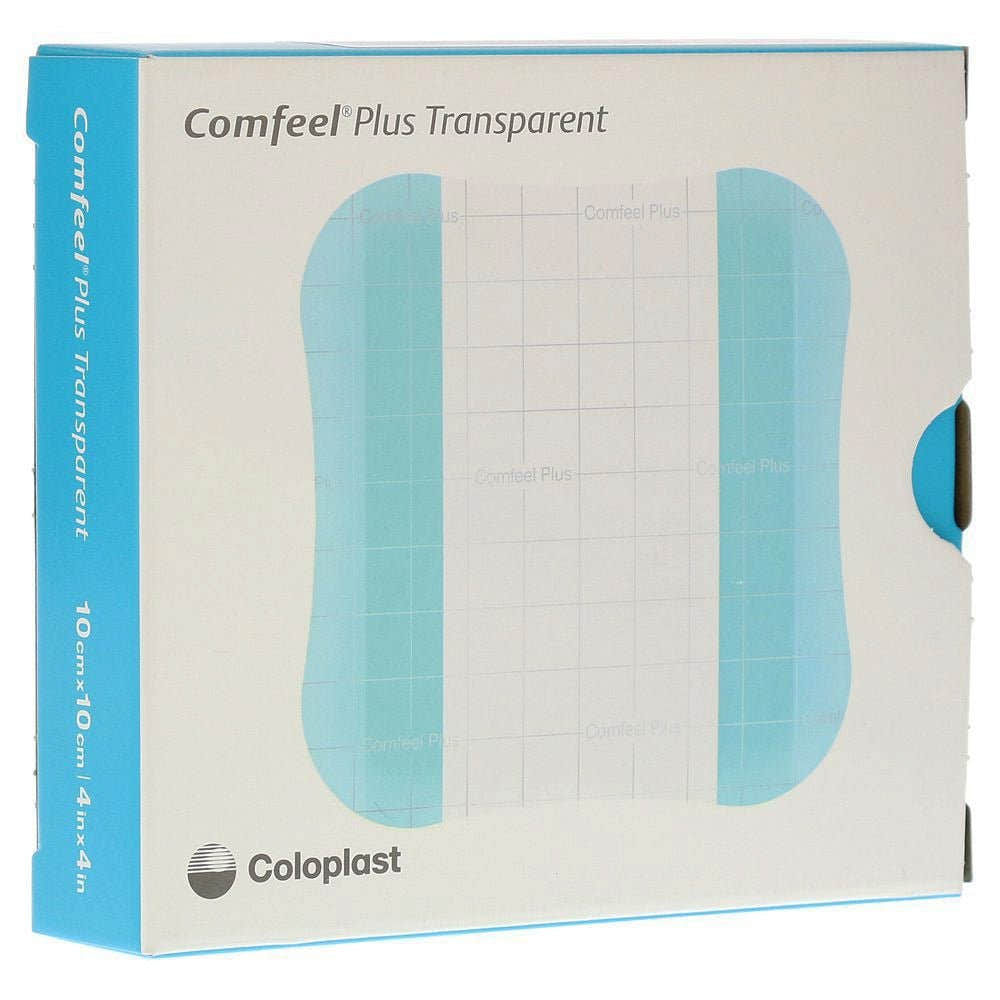
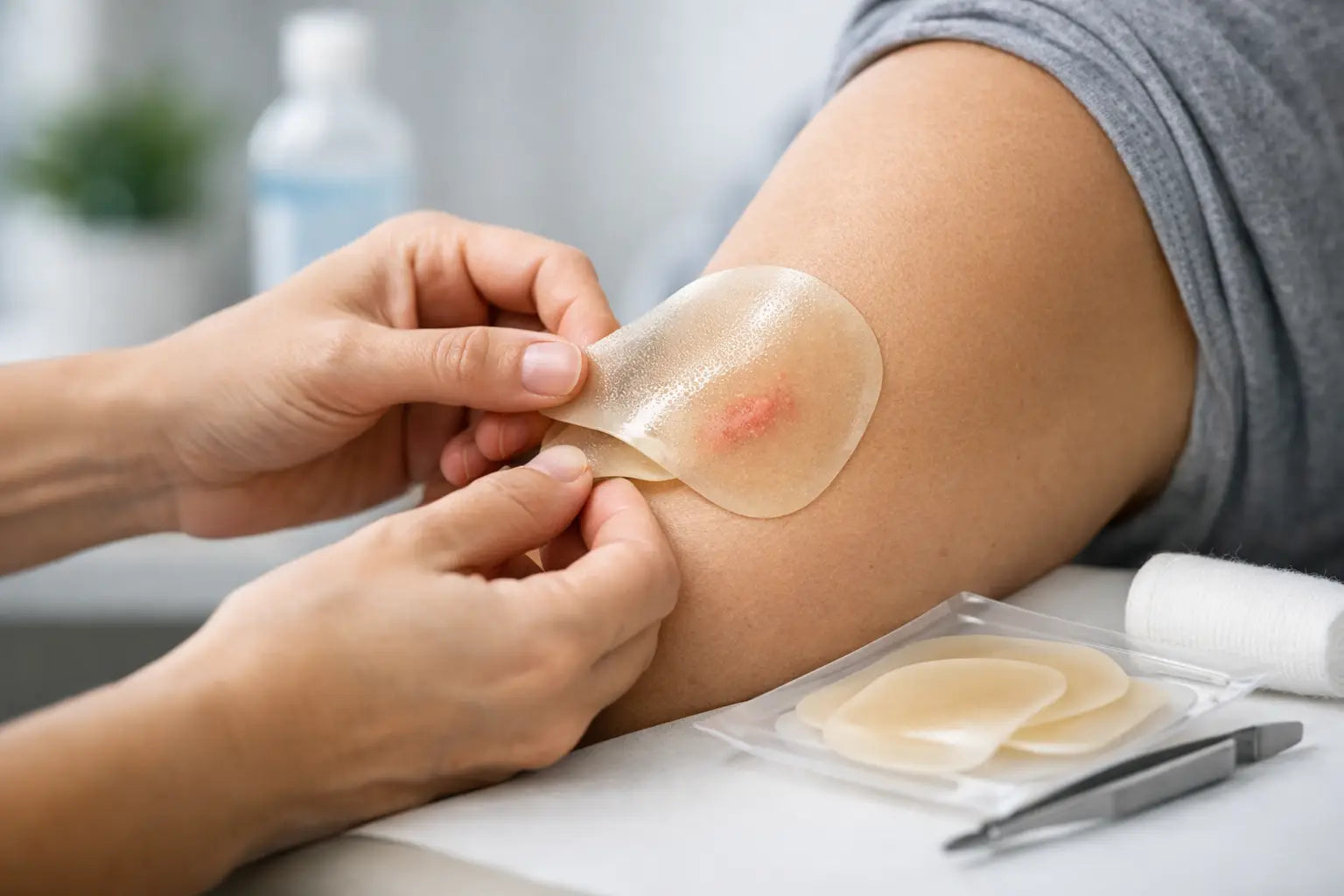
A hydrocolloid dressing can stay in place for several days, which makes it especially useful when regular bandages keep peeling away or need frequent changes. Knowing how to apply hydrocolloid dressings correctly helps create a secure seal, protect the wound from friction, and avoid irritating the healthy skin around it.
These dressings are designed for specific wound types, not every cut, sore, or skin injury. The right product, a clean application area, and regular observation all matter. If a clinician has provided a wound-care plan, that plan should always come first.
What Hydrocolloid Dressings Do
Hydrocolloid dressings are adhesive wound coverings made with materials that absorb wound fluid and form a soft gel. This helps maintain a moist wound environment, which can support the body’s natural healing process for appropriate wounds. The outer layer is usually water-resistant and acts as a barrier against dirt and everyday friction.
They are commonly used for shallow wounds with light to moderate drainage, such as minor abrasions, small skin tears, blisters, and certain superficial pressure injuries when recommended by a health care professional. Some people also use them to protect areas that rub against shoes, braces, or mobility equipment.
The trade-off is that hydrocolloid dressings can be too occlusive for some wounds. They are generally not a good choice for wounds with heavy drainage, active infection, exposed bone or tendon, deep tunneling, or significant bleeding. A wound that is not healing as expected needs medical guidance rather than repeated dressing changes at home.
Before Applying a Hydrocolloid Dressing
Start by checking the wound and selecting the correct dressing size. The dressing should cover the wound completely and extend onto intact skin around it. In many cases, an overlap of about 1 inch provides a reliable seal, although the product instructions may specify a different amount.
Choose a shape that matches the location. Square and rectangular dressings often work well for arms, legs, and flatter areas. Specialty shapes can make application easier on heels, elbows, or the sacrum. A dressing that is too small is more likely to leak or lift at the edges, while one that is much larger than needed can be uncomfortable and harder to remove.
Wash your hands thoroughly with soap and water. Gather the dressing, a clean towel or gauze, and any wound cleanser recommended by your clinician. If you are caring for someone else, disposable gloves may be appropriate, especially if there is drainage.
Clean the wound gently with sterile saline or a wound cleanser recommended for home use. Pat the surrounding skin dry. Hydrocolloid adhesives need dry, intact skin to hold properly. Avoid applying lotion, ointment, powder, or barrier cream under the adhesive edge unless a clinician has specifically instructed you to do so.
Do not use alcohol or hydrogen peroxide in a wound unless a health care professional tells you to. These products can irritate healing tissue and may delay recovery.
How to Apply Hydrocolloid Dressings Step by Step
Prepare the skin and dressing
Open the package only when you are ready to use the dressing. Check that the package is sealed, the product is within its expiration date, and the dressing has not been damaged. If body hair will prevent the dressing from sealing, carefully trim it rather than shaving directly over fragile skin.
If the dressing is cold or stiff, warm it between clean hands for a moment. This can make it more flexible and help the adhesive conform to the body.
Position it without stretching
Remove the backing according to the product directions, taking care not to touch the wound-facing surface more than necessary. Center the absorbent portion over the wound. The wound should not sit close to the edge of the dressing.
Place the dressing gently from the center outward. Do not stretch it while applying it. Stretching can cause the edges to pull back later, especially on joints or areas that move frequently.
Seal the edges
Smooth the dressing over the surrounding skin, pressing lightly around the perimeter. Use the warmth of your hand for 30 to 60 seconds to help the adhesive bond. On heels, knees, elbows, or other curved areas, work slowly and smooth out wrinkles as you go.
A small crease may seem harmless, but it can let in moisture or create rubbing. If the dressing folds over itself or will not sit flat, it is usually better to remove it and start again with a fresh dressing or a shape better suited to that body area.
Check comfort and circulation
The dressing should feel secure but not tight. It should not cause numbness, tingling, increased pain, or a pulling sensation on nearby skin. For a dressing near an ankle, wrist, or other area where swelling can occur, check it again after normal movement.
How Long to Leave a Hydrocolloid Dressing On
Many hydrocolloid dressings can remain in place for several days. Depending on the product, wound drainage, and location, this may range from about three to seven days. Follow the package instructions and any advice from the treating clinician.
Avoid changing a clean, well-sealed dressing every day simply to inspect the wound. Frequent removal can disturb new tissue and irritate the skin. Instead, change the dressing sooner if it becomes loose, leaks, rolls up, is visibly saturated, or gets contaminated.
As hydrocolloid material absorbs fluid, it may turn white, yellowish, or cloudy and form a soft gel beneath the dressing. This is often normal. A mild odor when removing the dressing can also occur because of the gelled material. What matters is whether the wound itself has concerning signs, such as worsening pain, spreading redness, heat, swelling, pus-like drainage, fever, or red streaks moving away from the area.
Removing the Dressing Without Damaging Skin
Hydrocolloid dressings adhere firmly, particularly after several days. To remove one, lift a corner gently while supporting the surrounding skin with your other hand. Pull the dressing slowly back over itself, keeping it low and close to the skin rather than pulling upward.
If the dressing resists, pause and continue slowly. Do not rip it off quickly. Fragile skin, common among older adults and people using certain medications, can tear easily. A compatible adhesive remover may help, but check with a pharmacist or clinician if you are unsure which type is appropriate.
Once removed, clean the wound as directed, inspect the surrounding skin, and apply a new dressing if the wound still needs coverage. If the skin looks soggy, pale, or irritated, the dressing may be holding too much moisture or may need to be changed more often. A different wound-care product may be a better fit.
When Home Use Is Not Enough
Contact a health care professional promptly for a deep wound, a bite, a burn beyond a minor superficial burn, uncontrolled bleeding, or a wound with signs of infection. People with diabetes, poor circulation, neuropathy, immune suppression, or a history of difficult-to-heal wounds should be especially cautious with foot wounds and pressure injuries.
A hydrocolloid dressing should not be used to cover up a problem that needs assessment. For example, a dark area on a heel, a rapidly enlarging skin tear, or drainage that becomes thick and foul-smelling deserves timely medical attention.
For everyday wound care, keeping a small selection of dressing sizes at home can make it easier to respond when a minor wound occurs. The best dressing is one that fits the wound, stays comfortable during normal activity, and supports the care plan you or your loved one has been given.