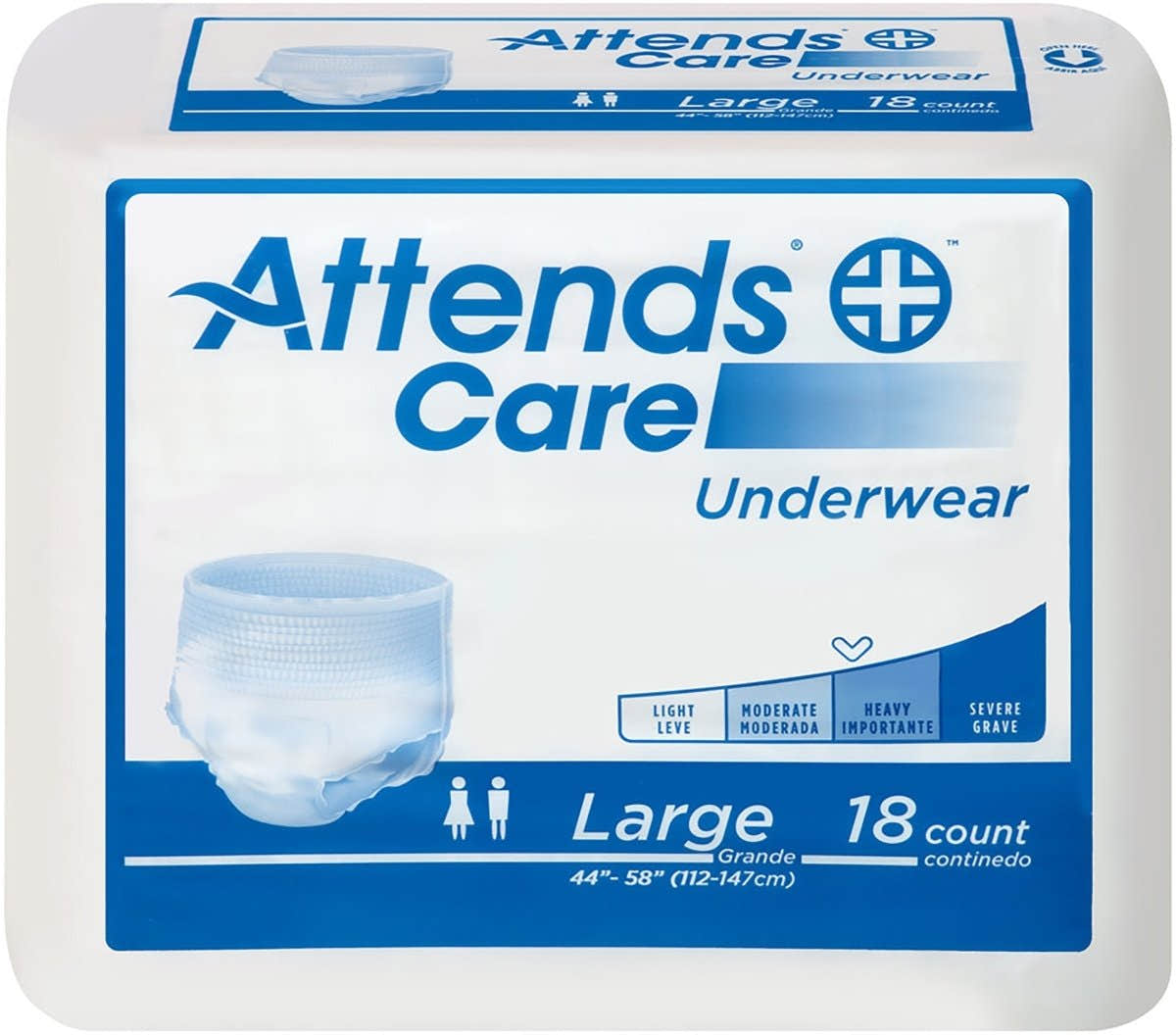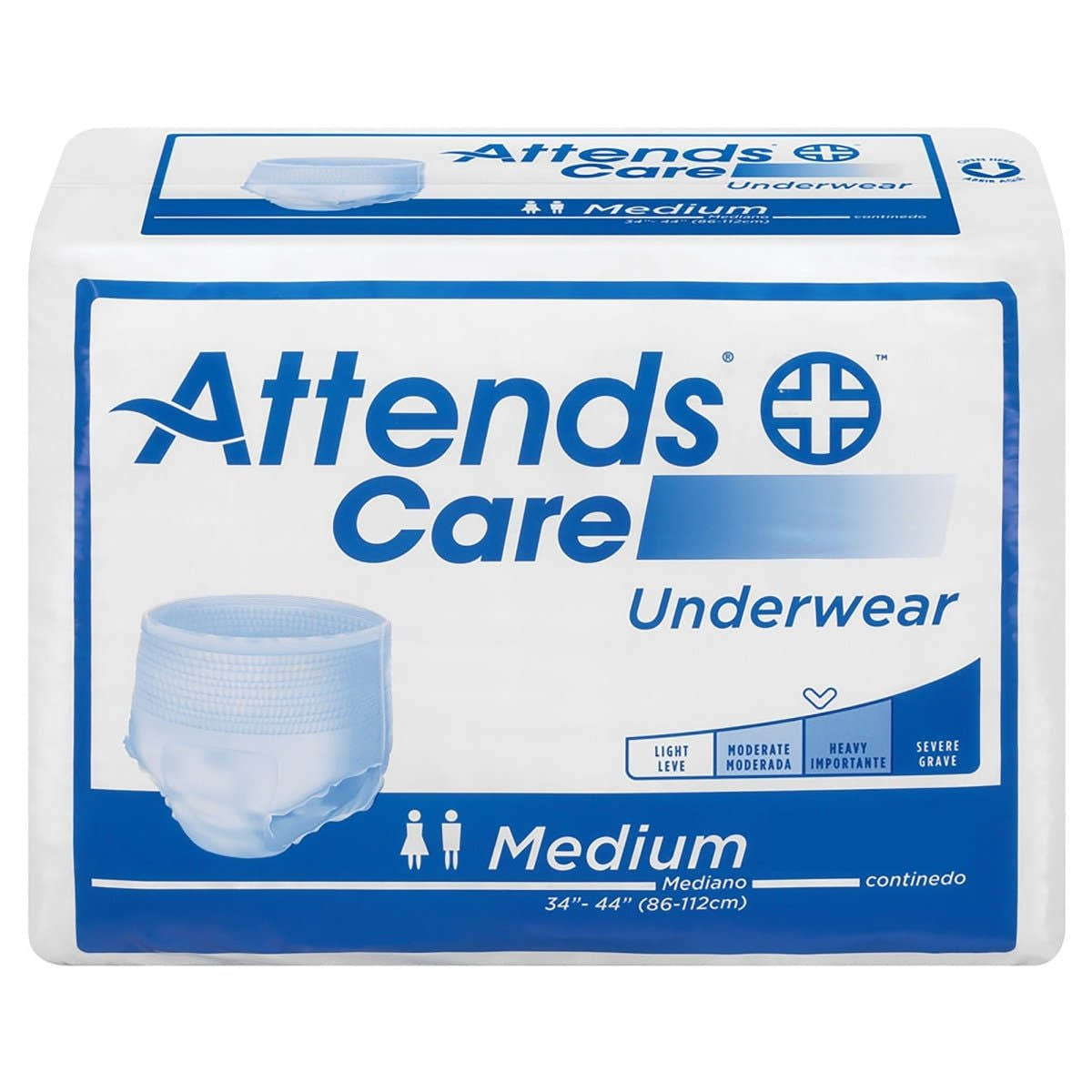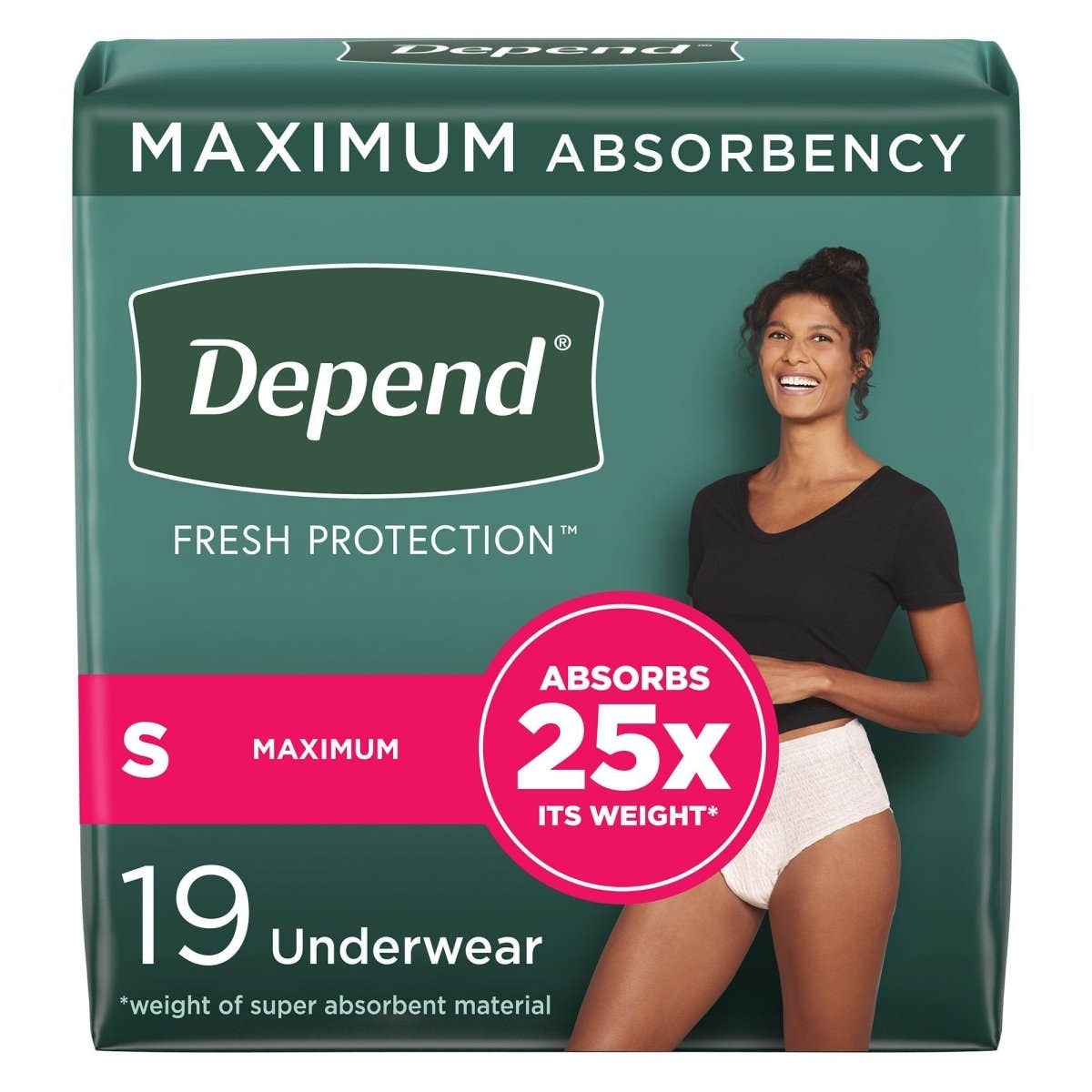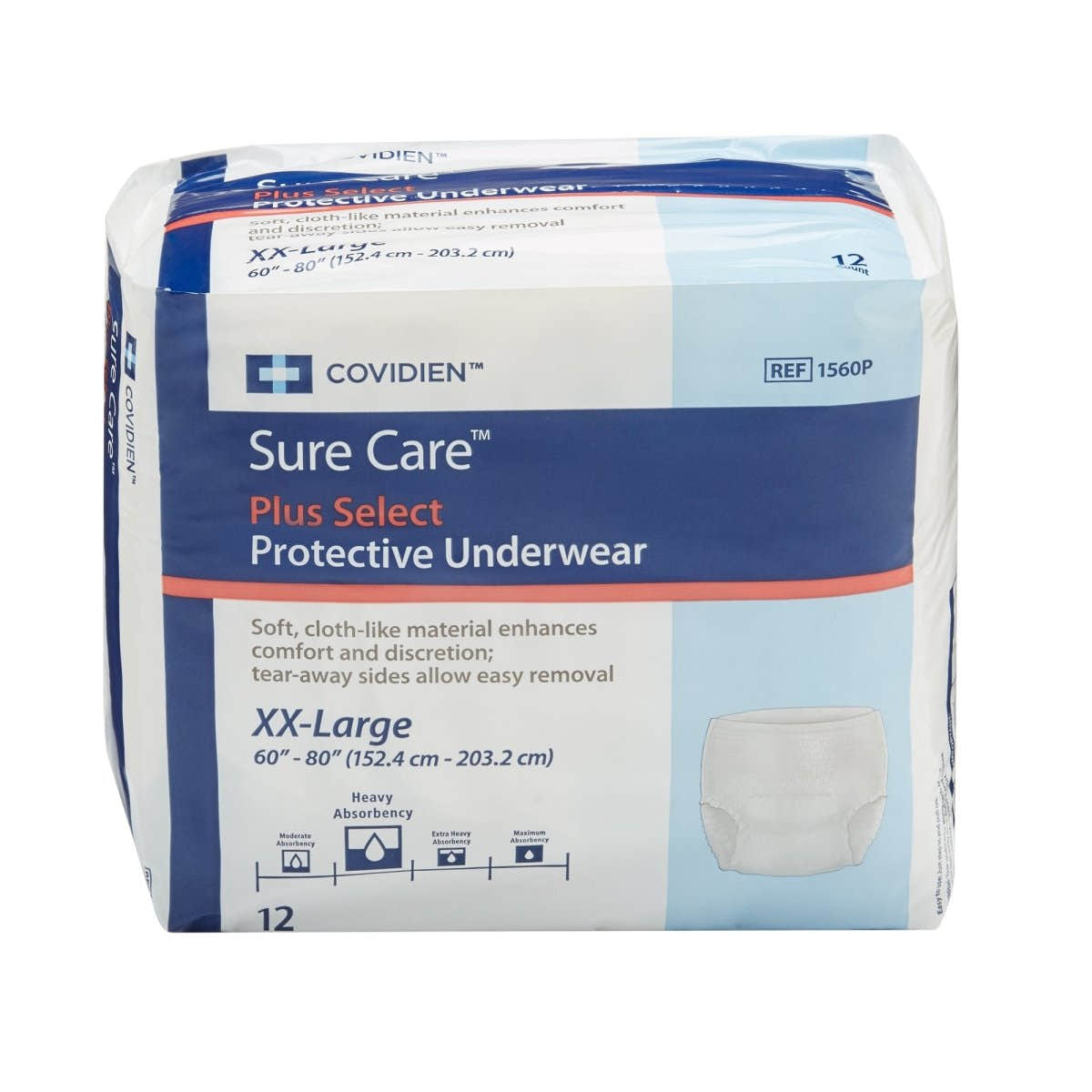
A package that leaks, pinches, or slides down is often a sizing problem, not a product failure. If you are asking, what size adult diaper do I need, the best answer starts with a tape measure rather than your usual clothing size. Adult incontinence products are sized differently by brand and style, and a proper fit makes daily care more comfortable, discreet, and dependable.
What Size Adult Diaper Do I Need?
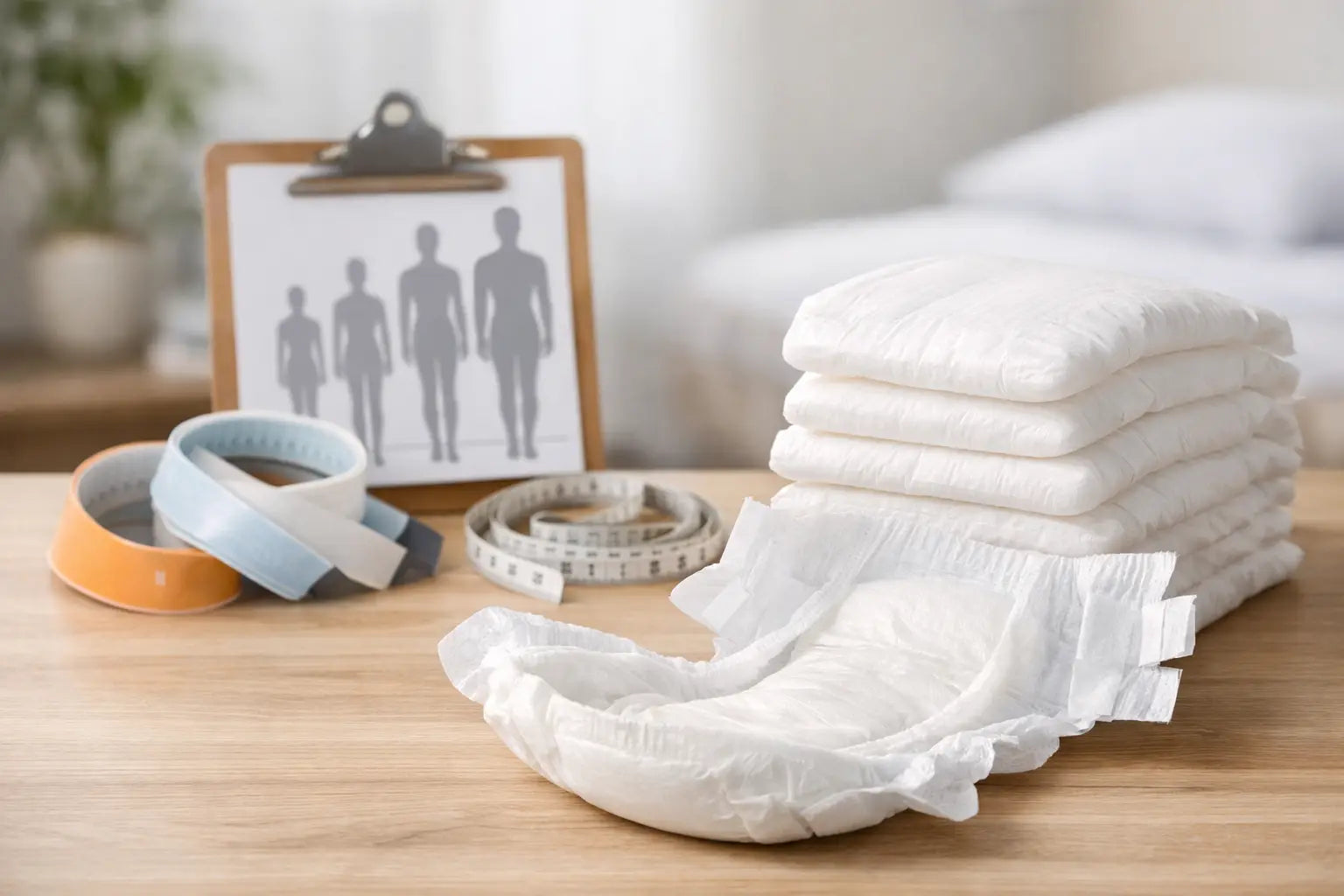
Use the product's sizing chart and your current body measurements to choose a size. For most adult briefs, protective underwear, and pull-on underwear, measure the widest part of the hips and the waist, then use the larger measurement when comparing the range on the package.
This matters because clothing sizes are not consistent enough for absorbent products. A person who normally wears a large pair of pants may need a medium in one brand's adult briefs and a large in another. Body shape, mobility, and the product's cut also affect the right choice.
A well-fitted product should sit snugly against the body without digging into the skin or restricting movement. It should contain urine or bowel incontinence without gaps around the legs or waist. The goal is a secure fit, not the tightest fit possible.
Start With Accurate Measurements
A flexible cloth measuring tape gives the most useful result. Measure while standing if possible. If standing is difficult, measure while seated or lying down, but keep the tape level and avoid pulling it tight.
Measure the waist
Measure around the natural waist, generally near or just below the belly button. Keep the tape flat against the body. If the abdomen is fuller or changes shape when sitting, take the measurement while seated as well. The larger number may better reflect how the brief will fit during normal use.
Measure the hips
Measure around the fullest part of the hips and buttocks. For many people, this is the most important measurement for adult diapers because it helps determine whether the leg openings and absorbent core will sit in the right position.
Write down both measurements. If one falls into a medium range and the other falls into a large range, choose the size that includes the larger measurement. Avoid assuming that going up a size always improves protection. A product that is too large can leave open spaces where leaks occur.
Read the Size Chart for That Exact Product
Always check the size chart on the product page or package before ordering. Size ranges can vary significantly between manufacturers, even when the label says small, medium, large, or extra-large. Some brands use waist measurements only, while others list waist and hip ranges.
If a measurement falls at the top edge of a size range, consider the product style and the person's body shape. A more fitted pull-on may work better in the next size up, while a tab-style brief with adjustable fasteners may still fit well in the smaller range. When in doubt, buying a smaller pack first can prevent ending up with a full case that does not fit.
Weight may appear on some size charts, but it is only a general guide. Two people at the same weight can have very different waist and hip measurements. Use the listed measurements as the primary decision point.
Choose the Product Style Before Finalizing Size
The right size depends partly on how the product is worn and changed. Adult diapers are available in several styles, and each has a slightly different fit.
Tab-style adult briefs
Adult briefs with tabs are often a practical option for heavy incontinence, overnight use, or people who need help with changes. The tabs allow caregivers to adjust the waist and achieve a closer fit around the legs. They also make changes easier when the wearer has limited mobility or cannot stand safely.
For tab-style briefs, make sure the side panels overlap or fasten securely without pulling. The tabs should not be stretched to their limit. If they barely reach or keep popping open, move up a size. If there is a large amount of excess material at the sides, try a smaller size.
Pull-on protective underwear
Pull-on underwear works much like regular underwear and can be a good choice for active adults who can manage bathroom trips independently. It should feel comfortably close to the body, especially through the leg openings and around the lower abdomen.
A pull-on that is too big may sag once it becomes wet. One that is too small can roll at the waistband, leave deep red marks, or be difficult to pull on and off. Because pull-ons have less adjustability than tab briefs, accurate measurements are especially helpful.
Bariatric and specialty sizes
Standard adult diaper sizes do not work for every body. Bariatric briefs offer wider waist ranges, larger absorbent cores, and extended tab panels for a more secure fit. Some users may also need products designed for petite builds, tall body frames, or specific levels of absorbency.
Do not try to make a standard-size product work by fastening tabs too tightly or using multiple products at once. A product built for the proper size range is usually more comfortable and more reliable.
Check the Fit Before Relying on It Overnight
After putting on a new product, check it while the wearer is standing, sitting, and walking when possible. Movement can reveal gaps that are not obvious when someone is lying down.
Look for a smooth fit through the crotch, with the absorbent area centered between the legs. The leg cuffs should sit in the groin crease, not folded inward or tucked under the body. For products with standing leak guards, gently make sure the guards are pulled outward rather than flattened against the absorbent core.
The waistband should be secure but comfortable. You should be able to place a finger under the waistband without force. The brief should not shift significantly during normal movement, but it should not leave painful pressure marks after a short wear period.
With a tab brief, check that both sides are even and that the back panel sits high enough to provide coverage. With pull-ons, make sure the product is fully pulled into place rather than left bunched at the thighs.
Signs the Adult Diaper Is Too Small
A too-small diaper can be uncomfortable and may leak despite having enough absorbency. Common signs include tight red marks at the waist or legs, tabs that do not reach comfortably, torn side seams, and difficulty putting the product on.
You may also notice that the absorbent core sits too far forward or backward because the product cannot fully cover the body. If the wearer is restless, complains of pinching, or has skin irritation where elastic touches the skin, reassess the fit and size.
Frequent leaks from the sides can happen with a product that is too small, especially if the leg cuffs cannot rest properly against the skin. However, leaks are not always caused by sizing. The product may be worn too long, the absorbency level may be too low, or the fit may be affected by the user's sleeping position.
Signs the Adult Diaper Is Too Large
A larger product is not automatically more absorbent. If it does not fit close to the body, urine can escape before reaching the absorbent core.
Signs of an oversized brief include loose leg openings, sagging at the crotch, bunching of material, tabs that overlap too far, and leaks that occur soon after a change. Pull-on underwear that slides down or feels bulky under clothing may also be too large.
For caregivers, an oversized brief can make repositioning and transfers harder. Excess material may wrinkle under the person, causing discomfort or rubbing. A closer, correctly sized fit is typically easier to manage and more discreet under everyday clothing.
Sizing Tips for Caregivers
When buying for someone else, measurements are still more useful than guessing based on appearance. If the person is uncomfortable being measured, explain that it helps prevent leaks, skin irritation, and unnecessary product changes. Privacy and dignity matter as much as convenience.
Consider when and how the product will be used. Someone who wears protection only for occasional bladder leaks may prefer a lighter pull-on. A person with limited mobility, heavy overnight needs, or bowel incontinence may need a high-absorbency tab brief with adjustable sides. The best size must work with the right product category and absorbency level.
It can also help to keep a short record during the first few days with a new product. Note whether leaks happen at the legs, waist, or after the brief is heavily saturated. This can help separate a fit issue from an absorbency issue and make reordering easier.
When Fit Changes Over Time
Weight changes, swelling, surgery recovery, reduced mobility, and changes in body shape can all affect sizing. Recheck measurements when a previously reliable product begins to leak, feels tight, or no longer stays in place. This is especially useful for people managing edema, receiving home care after hospitalization, or recovering from an injury.
Skin should also be checked routinely, particularly for people who wear briefs for extended periods. Persistent redness, open areas, pain, or a new rash should be discussed with a healthcare professional. Changing products promptly and using the correct size can help support skin comfort, but it does not replace clinical advice when skin problems develop.
The right adult diaper should feel like dependable everyday protection, not something the wearer has to constantly adjust. Measure first, follow the chart for the specific product, and test the fit during normal movement. A small amount of attention before ordering can make every change simpler, more comfortable, and more secure.