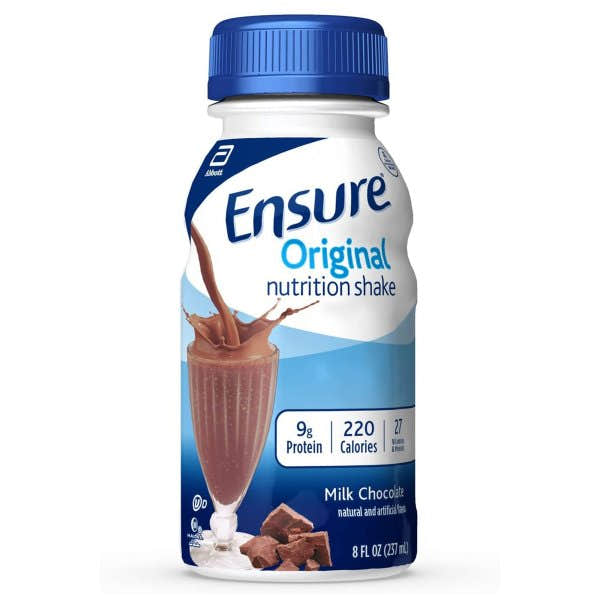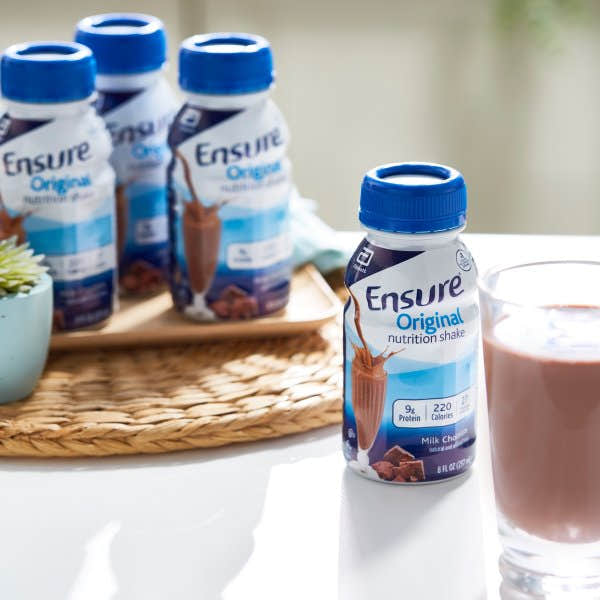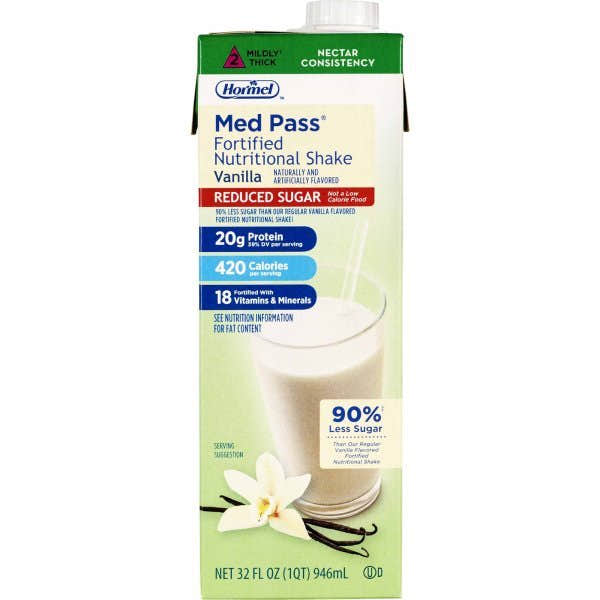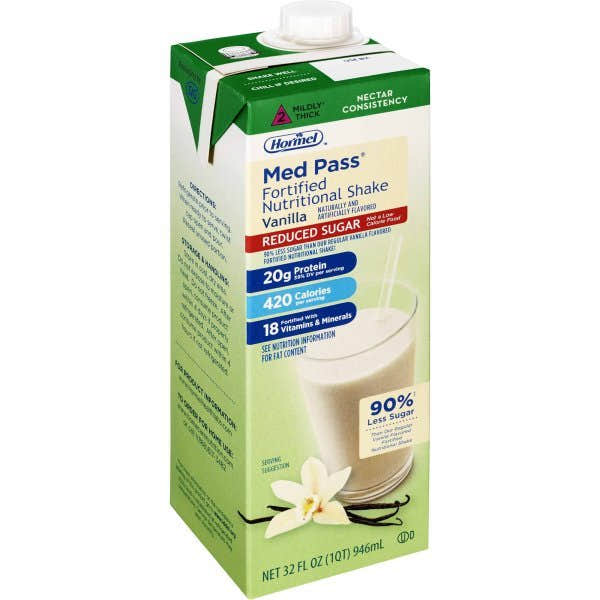

A half-finished dinner, a skipped breakfast, and a lower number on the scale can add up quickly for an older adult. When regular meals are not meeting nutrition needs, searching for the best nutritional drinks seniors can keep at home is a practical next step. The right choice can make it easier to add calories, protein, vitamins, and fluids without asking someone to manage a large meal.
Nutritional drinks are not all designed for the same purpose. Some are made for everyday nutrition support, while others are higher in protein, higher in calories, lower in sugar, or formulated for specific medical diets. The best option depends on the person’s appetite, health needs, food preferences, and the advice of their healthcare professional.
What Makes a Nutritional Drink a Good Choice for Seniors?
A good nutritional drink should solve a real eating challenge, not simply add another item to the pantry. For a senior who eats small portions after an illness, a higher-calorie drink may help fill a gap. For someone who is healing from a wound, recovering from surgery, or losing muscle strength, protein may be the first feature to consider.
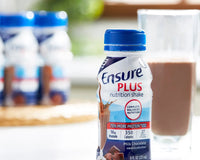
Convenience matters, too. Ready-to-drink shakes are useful when opening containers, mixing powders, or standing in the kitchen is difficult. Shelf-stable bottles can be stored at home and chilled only when needed. That makes them helpful for caregivers who want a dependable option available between grocery trips.
Taste is not a minor detail. A drink with an excellent nutrition label will not help if it stays untouched. Chocolate, vanilla, strawberry, coffee-style, and clear fruit-flavored options can offer welcome variety. Some people tolerate cold drinks better, while others prefer a shake poured over ice or blended into a smoothie.
Best Nutritional Drinks for Seniors by Care Need
The phrase “best” is personal in this category. Start with the nutrition goal, then compare products within that need.
For low appetite or unintended weight loss
When a senior is struggling to eat enough, look for a calorie-dense drink in a smaller serving size. A 2-ounce or 4-ounce supplement may feel more manageable than an 8-ounce bottle, especially when fullness, nausea, fatigue, or swallowing difficulty affects meals.
Higher-calorie formulas can be useful between meals or before bed. They should usually supplement meals rather than replace them entirely unless a clinician has given different instructions. A sudden loss of appetite or unplanned weight loss deserves a conversation with a doctor, since it can signal a medication issue, dental problem, illness, depression, or another condition that needs attention.
For protein support and muscle maintenance
Muscle loss can make everyday tasks harder, from rising from a chair to carrying laundry. Older adults who are less active, recovering from hospitalization, or eating limited amounts may benefit from drinks with more protein per serving.
Check the label for both protein and calories. A very high-protein drink may be a good fit for someone who already eats enough but needs extra protein. Someone who is both losing weight and strength may need a product that provides meaningful protein along with enough calories to support their overall intake.
Protein needs vary. A physician or registered dietitian can provide individualized guidance, particularly for people with kidney disease or other conditions that affect protein recommendations.
For diabetes or blood sugar management
For seniors with diabetes, carbohydrate content matters as much as protein and calories. Diabetes-friendly nutritional drinks are generally designed with a more measured carbohydrate profile and ingredients intended to support steadier blood sugar response.
That does not mean every diabetes-focused drink is automatically right for every person. Review total carbohydrates, added sugars, serving size, and calories. Anyone taking insulin or medications that lower blood sugar should consider how the drink fits into their established meal plan. A healthcare provider or diabetes educator can help make that decision safely.
For fluid limits or kidney-related diets
People with kidney disease, heart failure, or fluid restrictions should not choose a standard nutritional shake without checking first. The amount of fluid, protein, potassium, phosphorus, sodium, and calories can be especially relevant.
Specialized renal formulas are designed around these concerns, but the correct product still depends on the individual’s lab results, treatment plan, and stage of kidney disease. This is a situation where clinical guidance should come before convenience.
For trouble swallowing or drinking thin liquids
A standard shake is not necessarily safe for someone with dysphagia. If a speech-language pathologist or medical provider has recommended thickened liquids, follow that consistency guidance exactly. Some drinks may need a compatible thickener, while others may not fit the prescribed diet.
Do not assume a thicker-looking shake meets a swallowing recommendation. Texture, thickness level, and preparation all matter.
How to Read the Label Without Overcomplicating It
Start with the serving size. Some products are sold in small bottles but list nutrition for more than one serving, while others provide the full amount in a single container. Then compare calories, protein, carbohydrates, sugars, fiber, fat, and key vitamins and minerals.
For many seniors, protein, calories, and sugar are the most useful first checkpoints. Fiber may also be helpful for people dealing with constipation, although a sudden increase can cause gas or discomfort if fluid intake is low. Vitamins and minerals are valuable, but they do not make a drink a complete substitute for a varied diet.
It is also smart to scan the ingredient list for common concerns such as milk, soy, artificial sweeteners, or ingredients that may not agree with the person drinking it. Lactose-free and plant-based choices can be useful, but their protein and calorie levels can differ substantially from dairy-based shakes.
When to Use Nutritional Drinks During the Day
Timing can make a drink more helpful. If it replaces a meal because it is offered too close to breakfast, lunch, or dinner, it may not increase total nutrition. Many people do better having a drink as a midmorning snack, afternoon snack, or evening supplement.
For a senior with a small appetite, divide the serving into smaller portions. Half a bottle in the afternoon and the rest later may be easier than finishing it all at once. Chilling the drink, using a straw, or serving it in a favorite cup can also make it feel less clinical and more familiar.
Caregivers can keep a simple note of which flavors are accepted, what time of day works best, and whether the drink affects appetite, blood sugar, digestion, or bowel habits. That information is useful when reordering and when discussing nutrition concerns with a care team.
Shopping Tips for Home Nutrition Support
Buying nutritional drinks for home use is easier when you plan for the routine, not just the immediate need. Consider how often the product will be used, where it will be stored, and whether the senior can open and drink it independently. Ready-to-drink bottles are convenient, while powders may offer more servings per container and let caregivers adjust thickness or portion size when appropriate.
Before stocking up on a full case, try a few flavors or a smaller quantity if possible. Flavor fatigue is common, particularly when a drink is used daily. Keeping two acceptable flavors on hand can help prevent skipped servings.
Also check expiration dates, storage instructions, and whether a formula needs refrigeration after opening. If the person receives other supplies at home, purchasing nutrition support alongside everyday care essentials can simplify reordering. CartHealth offers nutritional drinks and enteral feeding supplies alongside a broad range of home health products, which can make recurring care purchases easier to manage.
When to Ask a Healthcare Professional
Nutritional drinks can be helpful, but they are not a substitute for evaluating a new problem. Reach out to a healthcare professional if a senior has rapid or unexplained weight loss, ongoing poor appetite, dehydration, frequent vomiting, diarrhea, constipation that does not improve, pain with eating, coughing during meals, or signs of confusion and weakness.
Ask before starting a new formula when the person has diabetes, kidney disease, heart failure, a swallowing disorder, food allergies, or a prescribed therapeutic diet. A dietitian can often identify the type of drink that fits the nutrition goal while respecting medical restrictions.
The best nutritional drink is the one a senior can safely tolerate, will actually drink, and can use consistently as part of a realistic daily routine. Keeping a suitable option on hand can turn a difficult eating day into one more opportunity for comfort, strength, and support at home.