
A hospital discharge, a new diagnosis, or a gradual change in mobility can turn everyday shopping into a long list of unfamiliar needs. This caregiver supplies starter guide helps you begin with the products that support daily care at home, without buying items that may not fit the person’s condition, routine, or living space.
The best starter setup is not the biggest one. It is a practical group of supplies that makes personal care, movement, meals, medication routines, and cleanup easier for both the caregiver and the person receiving care. Start with the care plan from the doctor, nurse, therapist, or discharge team, then build around the tasks that happen every day.
Start With the Daily Care Routine
Before ordering supplies, write down what help is needed from morning through bedtime. Consider bathing, toileting, dressing, walking, eating, transfers, wound care, blood sugar checks, or managing a feeding tube or ostomy. This simple review prevents duplicate purchases and makes it easier to identify what must be available at home.
Also consider who will provide the care. A family caregiver may need products that make tasks safer and less physically demanding, such as a transfer belt or shower chair. A person who manages most of their own care may prioritize easy-to-open packaging, lightweight mobility aids, or discreet incontinence products.
Storage matters, too. Recurring supplies need a clean, dry location that is easy to reach. Keep a small working supply where care happens, such as the bathroom or bedside, and store unopened backups in a labeled bin or cabinet.
Core Caregiver Supplies for Hygiene and Comfort
Personal care supplies are often the first items used up, especially when bathing, toileting, or skin care needs increase. Choose products based on skin sensitivity, level of assistance needed, and how often care is provided.
A basic hygiene and comfort supply area may include:
- Disposable gloves for personal care, wound care, and cleanup
- Washcloths, bathing wipes, rinse-free cleanser, and gentle body wash
- Moisturizer and barrier cream to protect skin exposed to moisture
- Disposable underpads or reusable bed pads for beds, chairs, and recliners
- Incontinence briefs, protective underwear, pads, or liners in the right absorbency level
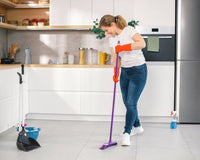
- Disposable bags and disinfecting wipes for routine cleanup
Set Up a Safer Bathroom and Bedroom
Many falls happen during ordinary tasks: getting out of bed, stepping into the shower, or reaching the toilet at night. Home safety supplies can reduce risk, but they work best when paired with a clear path and a realistic assessment of the person’s strength and balance.
For the bathroom, a shower chair or bath bench can provide a stable place to sit during bathing. Grab bars should be properly installed into wall studs or mounted according to the manufacturer’s instructions. A raised toilet seat or bedside commode may help when standing from a standard-height toilet is difficult.
In the bedroom, consider waterproof mattress protection, bed pads, and a bedside organizer for tissues, wipes, medication reminders, water, glasses, and a phone. If the person has limited mobility, an overbed table can make meals and personal items easier to reach. A bed rail can be appropriate in some situations, but it is not right for everyone. Discuss bed rail use with a clinician, particularly for people with confusion, agitation, or a risk of becoming trapped.
Keep floors clear of cords, loose rugs, low furniture, and clutter. Add night lights along the route from the bed to the bathroom. These small changes are often as useful as a new piece of equipment.
Choose Mobility and Transfer Products Carefully
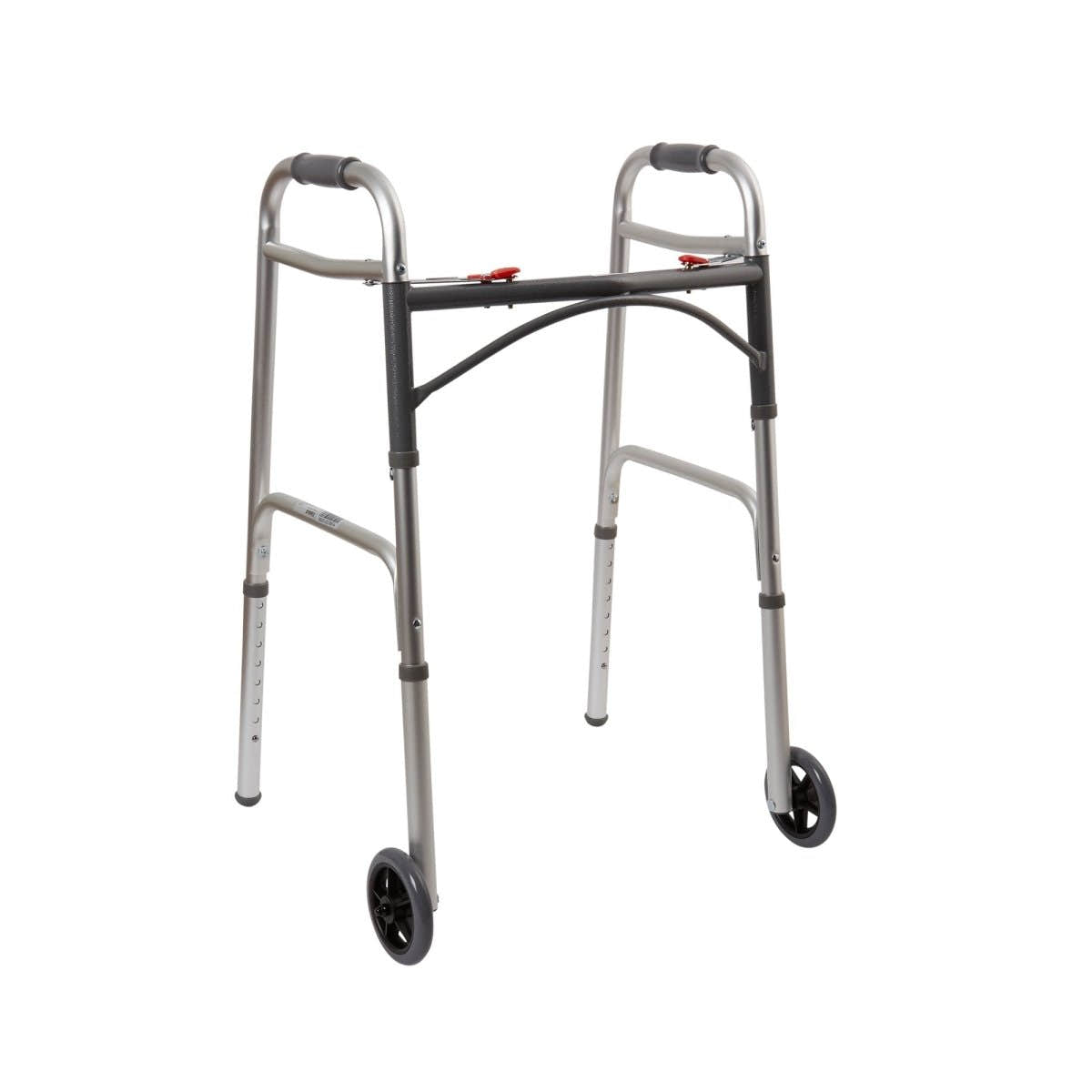
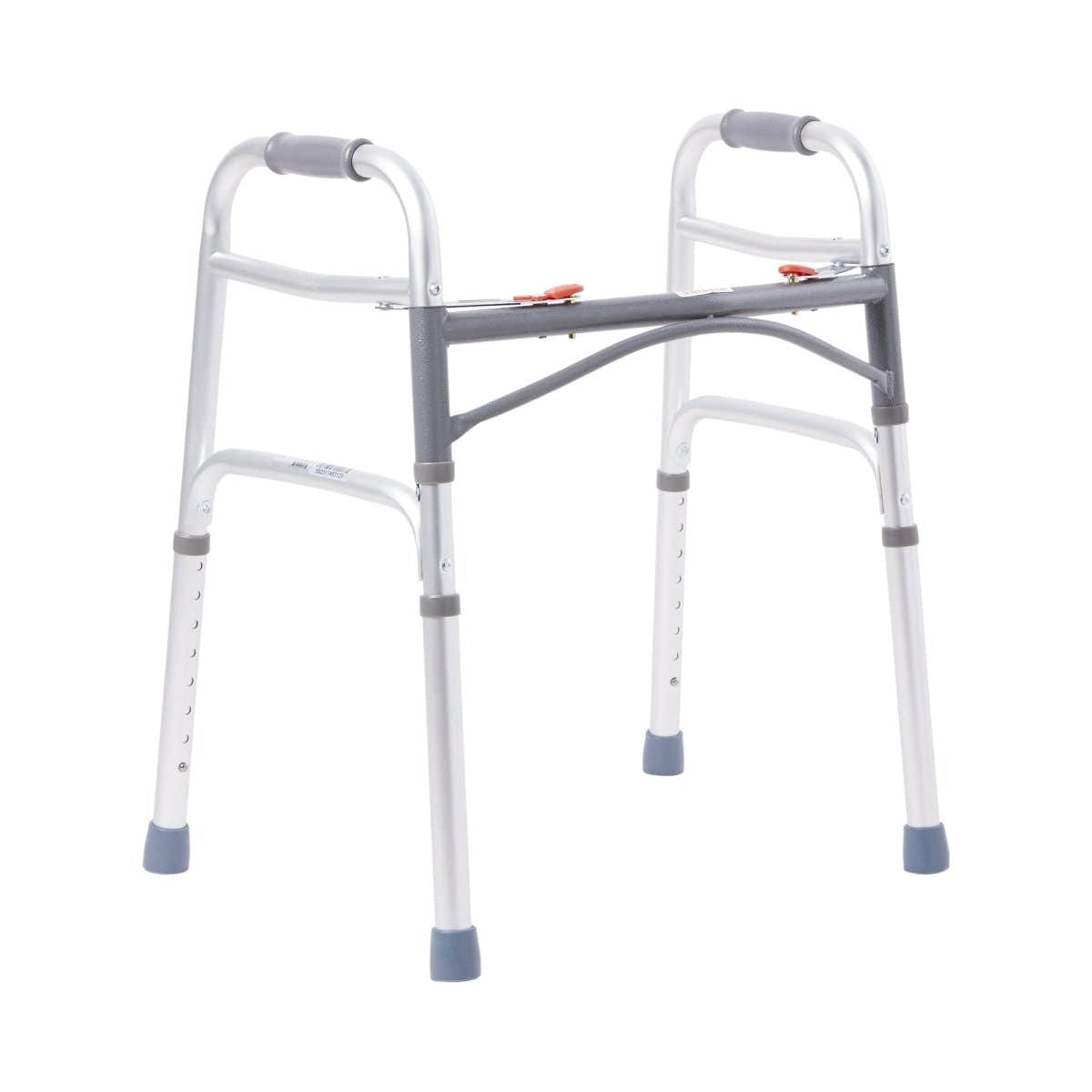
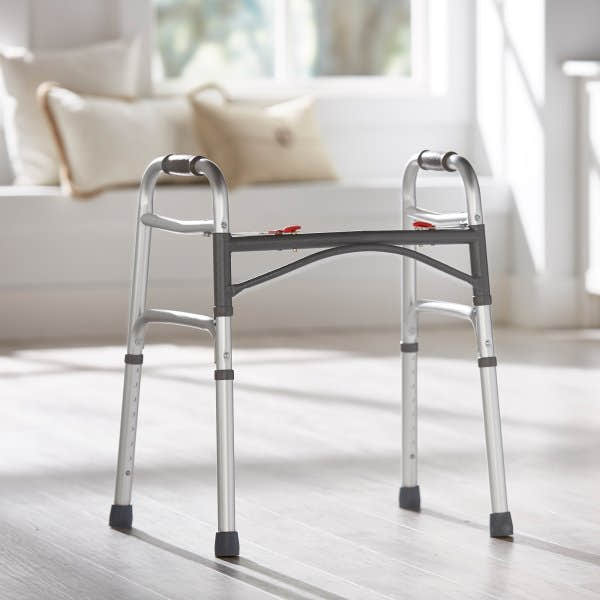
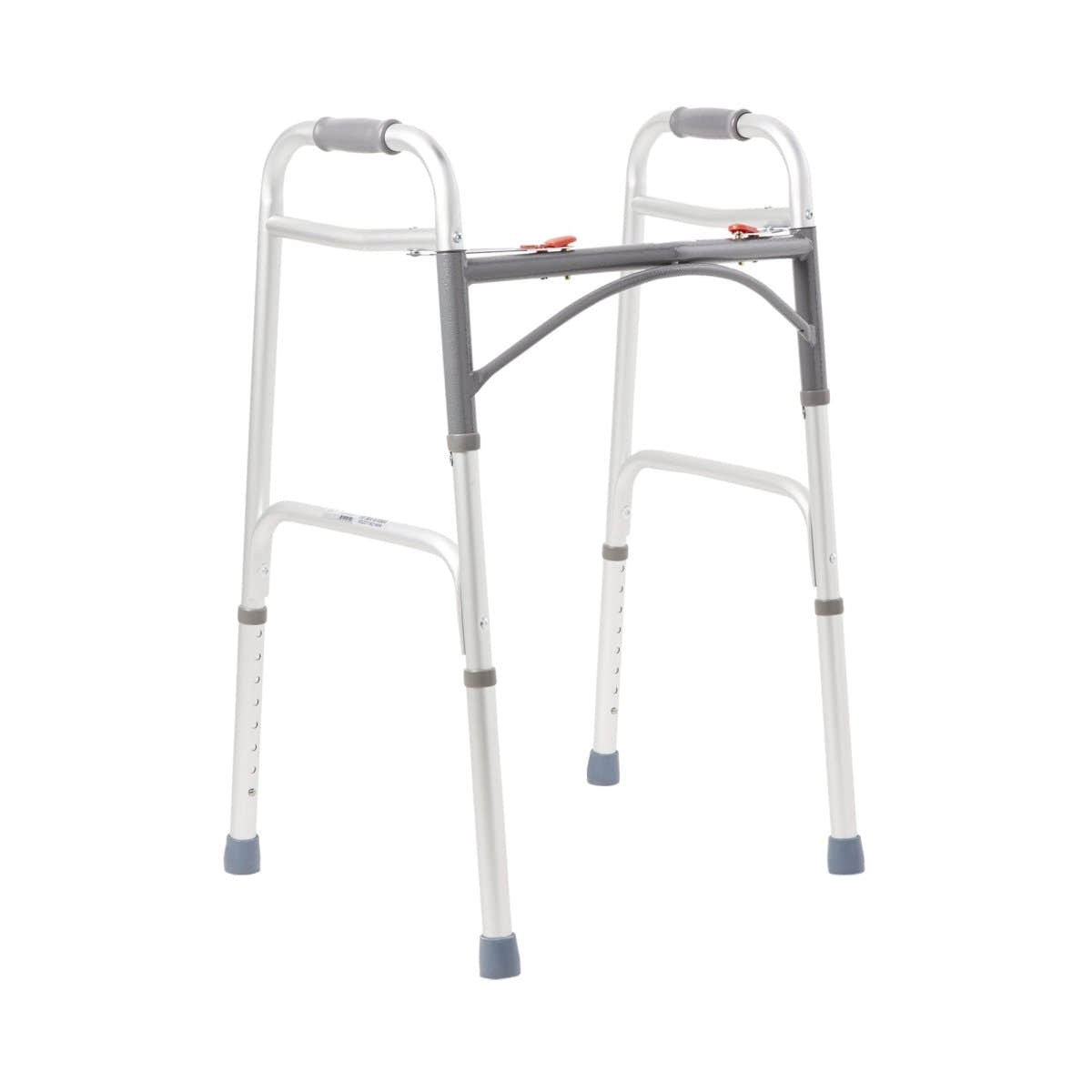
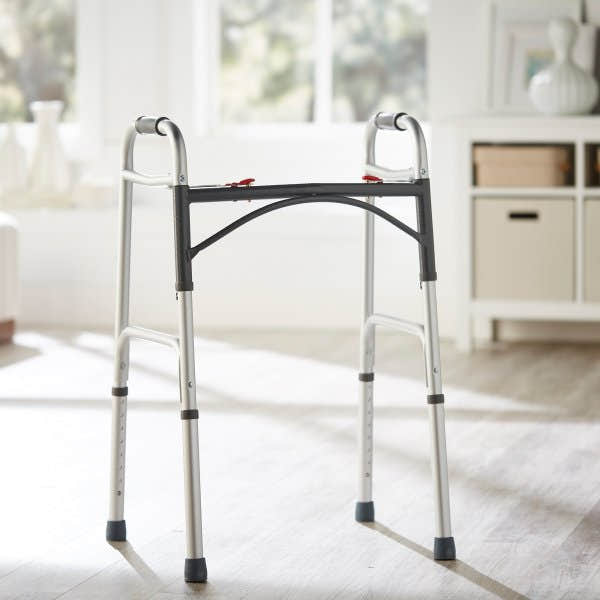
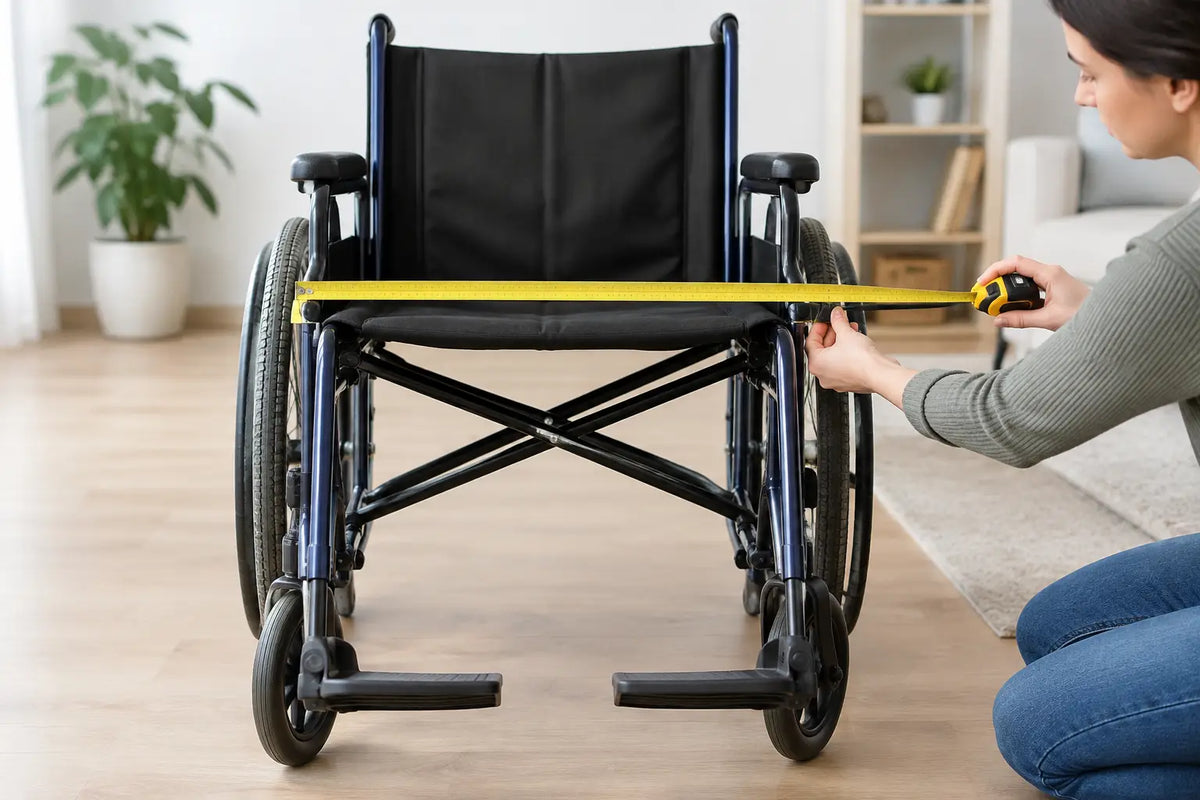
Mobility equipment should match the user’s abilities and the home environment. A cane may be enough for mild balance support, while a walker can offer more stability. Wheelchairs, transport chairs, and rollators serve different purposes, so consider where the equipment will be used, whether it needs to fit through doorways, and who will push or lift it.
For transfers, a gait belt can give a caregiver a safer handhold when assisting someone from bed to chair or from chair to standing. It does not replace training. Never pull a person by their arms, and do not attempt a transfer that feels unsafe. If the person cannot bear weight or has had a recent fall, ask a physical or occupational therapist for guidance on the right equipment and technique.
Measure before ordering. Check seat height, hallway width, bathroom clearance, and the height of the bed or favorite chair. A product that is clinically appropriate but does not fit the home will not solve the daily problem.
Organize Condition-Specific Supplies
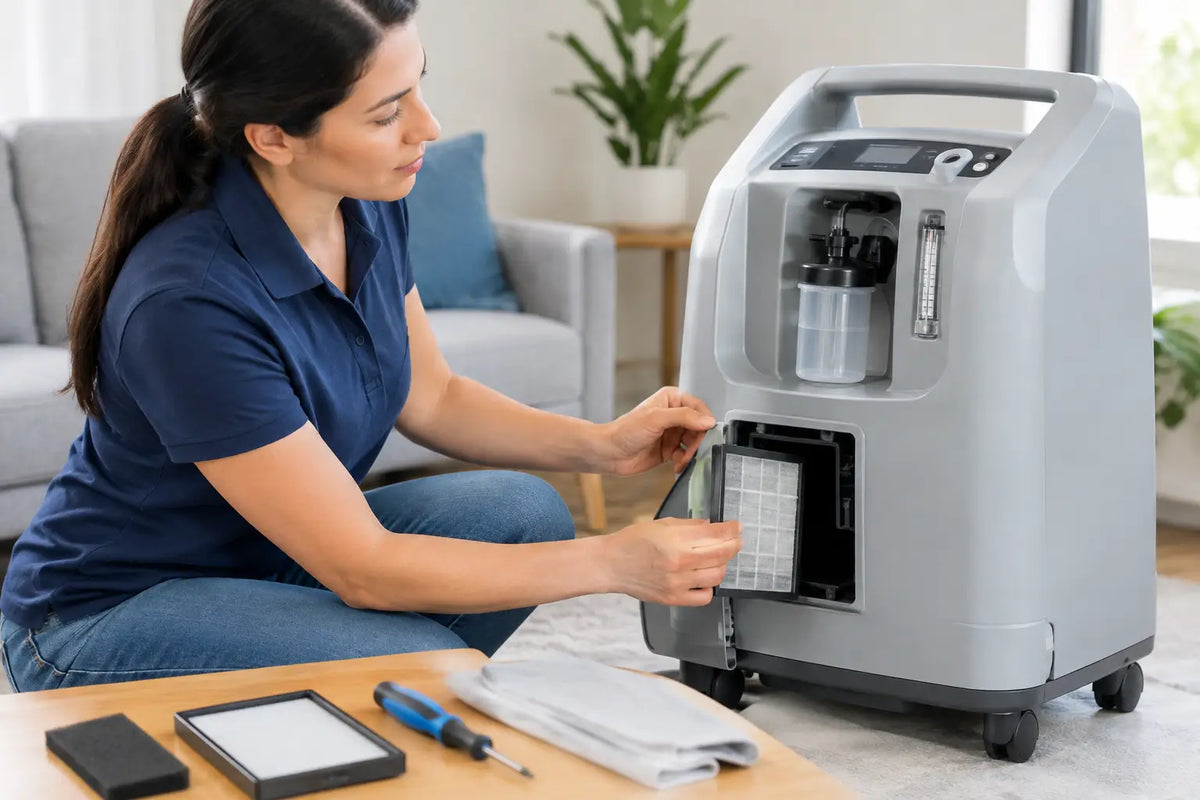
A caregiver supplies starter guide should leave room for the needs that are unique to the person receiving care. Some supplies must be selected exactly as prescribed, including certain wound dressings, ostomy products, urology supplies, diabetes testing items, enteral feeding products, and respiratory equipment.
For wound care, use the dressing type and change schedule recommended by the care team. Keep clean gloves, saline or approved cleansing supplies, gauze, tape, and disposal bags nearby if those are part of the plan. Watch for changes such as increasing redness, warmth, drainage, odor, swelling, fever, or worsening pain, and seek medical advice promptly.
For diabetes care, keep testing supplies together in a dedicated case or basket. This may include a glucose meter, test strips, lancets, alcohol prep pads, and a sharps container. Check product compatibility before reordering strips or lancets. If insulin or other medication is part of the routine, follow storage and dosing instructions from the pharmacy and prescriber.
For nutritional support, start with the exact formula, feeding supplies, and administration schedule provided by the clinician. Do not substitute formula or tubing without confirming that it is appropriate. A clean, organized feeding area can make recurring care less stressful and help caregivers track supplies before they run low.
Build a Reorder System Before Supplies Run Out
Home care is easier when essential supplies arrive before the last package is opened. Make a simple inventory list with the product name, size or specification, preferred brand, how often it is used, and the date to reorder. For frequently used items such as briefs, gloves, wipes, underpads, and nutritional drinks, keep enough on hand to cover delivery time and unexpected changes in need.
Ordering in larger quantities can be convenient and may lower the cost per item, but only after you know the product works well. Start smaller with items that depend on fit, skin tolerance, or personal preference. Once you have a dependable routine, CartHealth can make it easier to shop across everyday care categories in one place.
It also helps to keep a short care notebook or phone note. Record product changes, supply counts, skin concerns, bowel or bladder changes, mobility issues, and questions for the next medical appointment. This is not a replacement for clinical documentation, but it can help family caregivers communicate clearly and spot changes earlier.
Know When Supplies Are Not Enough
Home care products can support comfort, safety, and independence, but they cannot solve every problem. Call a healthcare professional when there is a sudden change in confusion, breathing, strength, pain, eating, hydration, skin condition, or ability to complete routine tasks. A new fall, a wound that is not improving, or a major change in continence may mean the care plan needs to change.
Begin with the supplies needed for this week, then adjust as the routine becomes clearer. A well-stocked home does not need to look like a medical storeroom. It should simply give the caregiver and care recipient the confidence that the next daily task is manageable.