A wet bed, recliner, or wheelchair cushion can mean an extra load of laundry, a disrupted night, and more work for the person providing care. That is why many households ask, are reusable underpads worth it? For regular use at home, they often are, especially when comfort, cost over time, and reducing disposable waste matter. The best choice still depends on the amount of leakage, how often the pad will be changed, and whether laundry is manageable in your home.
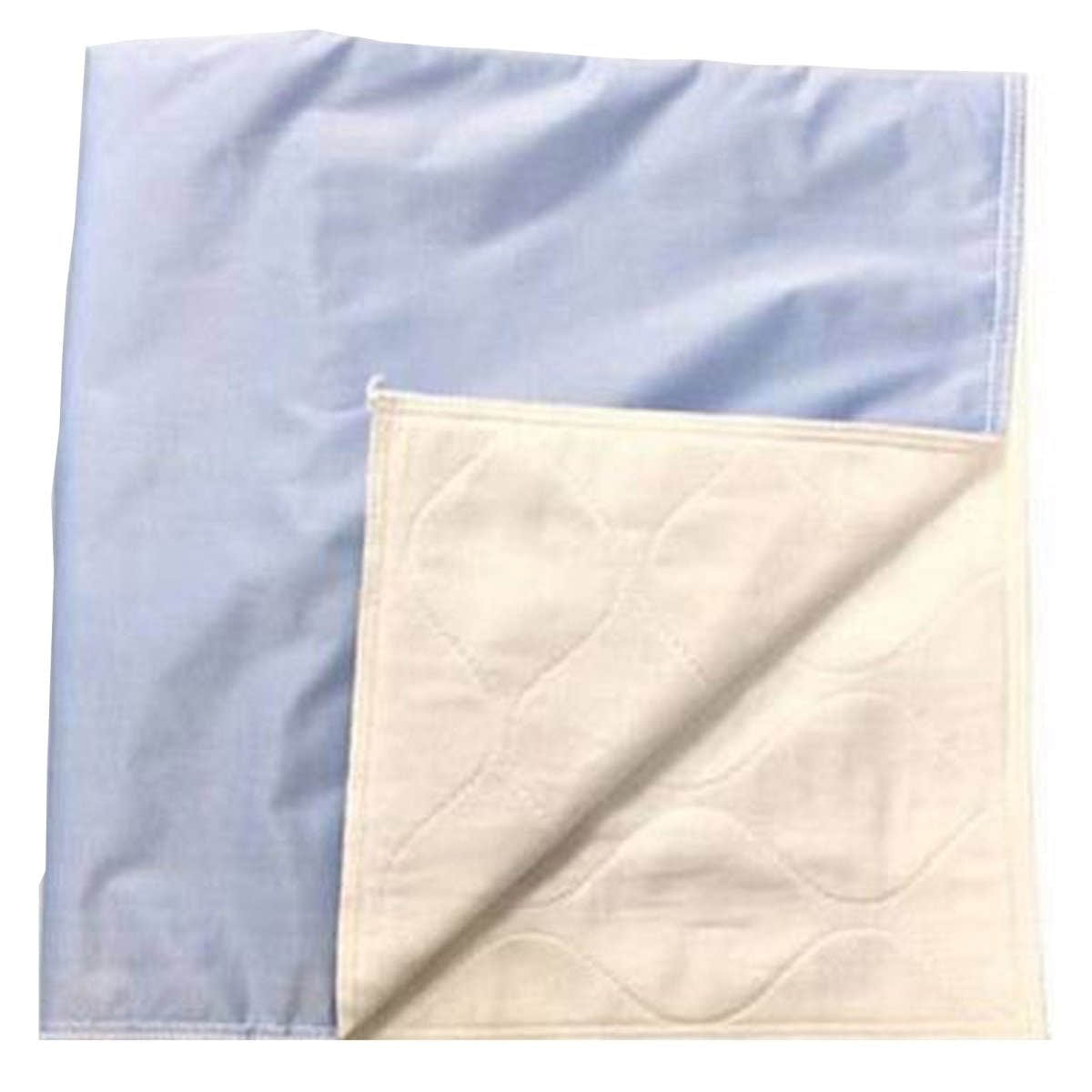
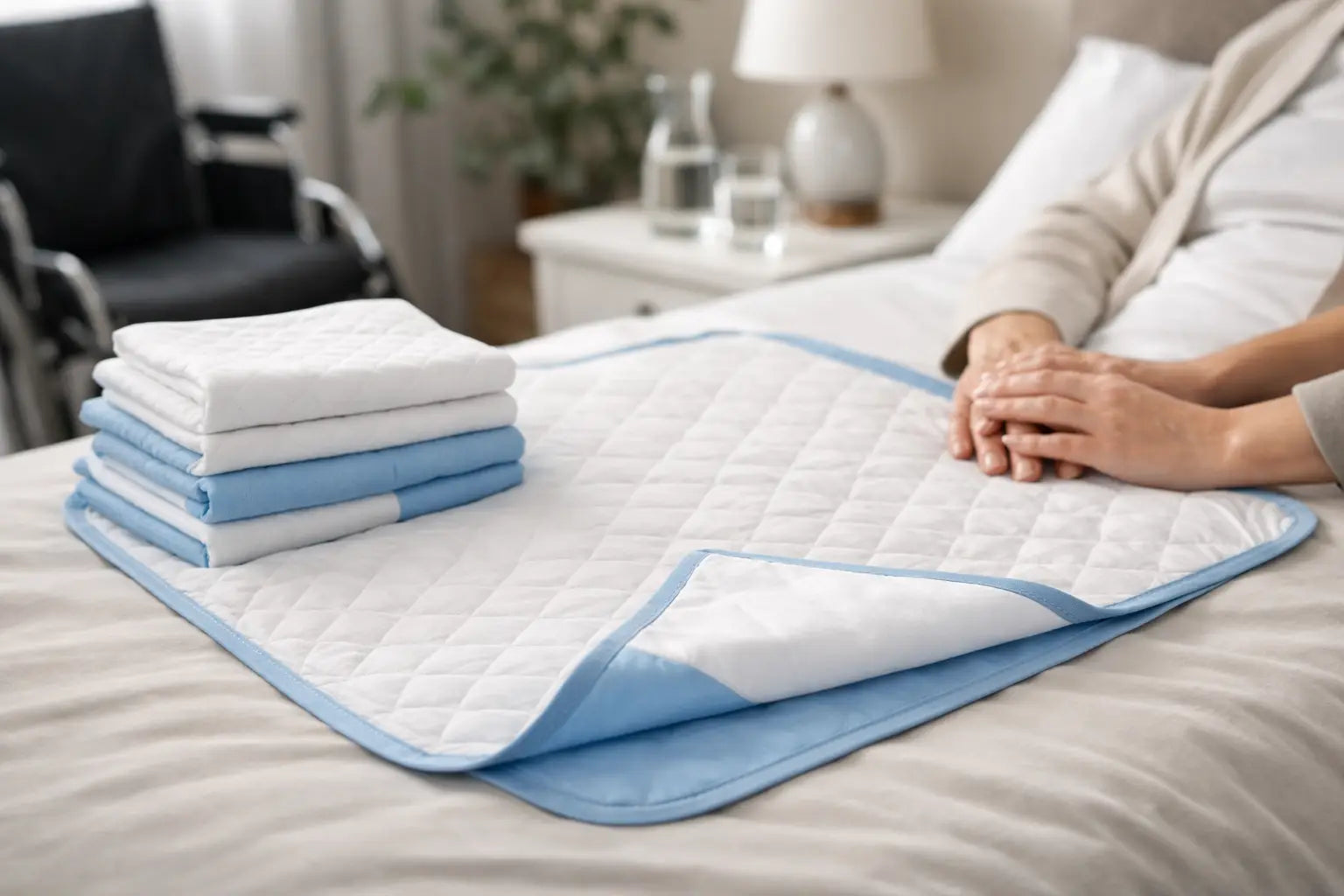
Reusable underpads, sometimes called washable bed pads or chair pads, are layered fabric pads designed to protect mattresses, furniture, and seating from urine or other fluids. Most combine a soft top layer, an absorbent inner layer, and a waterproof backing. They can be washed and used again, making them a practical supply for ongoing incontinence care, recovery after surgery, pediatric bedwetting, and protecting surfaces during daily living.
Are Reusable Underpads Worth It for Everyday Use?
For light to moderate leakage that happens regularly, reusable underpads can deliver meaningful value. A quality washable pad may cost more upfront than a package of disposable pads, but it can be used through many wash cycles. Families who use bed or chair protection every day may spend less over several months by keeping several reusable pads in rotation.
They are also usually more comfortable for long periods. Disposable underpads can shift, bunch up, or feel papery against the skin. Washable styles tend to have a softer, fabric-like top surface that stays more secure on a mattress or chair. That extra stability can be helpful for someone who spends much of the day in bed, uses a wheelchair, or rests in a favorite recliner.
The trade-off is simple: reusable pads need washing, drying, and storage. If you are already managing frequent laundry, that may be a reasonable routine. If access to laundry is limited, or if accidents involve heavy fluid volume several times a day, disposables may be more convenient. Many caregivers find that a combination of both types works best.
Cost: Upfront Price Versus Ongoing Spending
The value of reusable underpads is easiest to see when you look beyond the first purchase. Disposable underpads are convenient because they are ready to use and throw away. But when they are needed daily, boxes can add up quickly.
A reusable pad can be washed repeatedly, so the cost is spread over its useful life. Buying two to four pads allows one to be in use, one in the laundry, and another ready as a backup. For overnight protection or a frequently used chair, having a small rotation prevents a single accident from becoming an urgent laundry task.
Laundry does add water, detergent, and electricity costs. For most households, those costs are still lower than replacing disposable pads every day, but the difference varies by local utility rates and how often you wash. Reusable underpads are most likely to save money when they are used consistently and cared for according to the manufacturer's instructions.
Comfort and Skin Considerations
A pad is not a replacement for an absorbent brief, protective underwear, or other body-worn incontinence product. Its job is to protect the surface beneath the person. Using both when needed helps keep moisture away from the skin and reduces the risk of wet bedding or furniture.
That distinction matters for comfort and skin care. A reusable underpad can catch leaks, but a person should not remain on a wet pad for an extended time. Change damp clothing and bedding promptly, cleanse and dry the skin gently, and use skin protectant products as recommended by a healthcare professional. This is particularly important for older adults, people with limited mobility, and anyone with fragile or irritated skin.
Look for a pad with a soft top layer and a waterproof backing that does not feel stiff or slippery. A larger pad may provide better coverage for turning in bed, while a smaller pad can be easier to position on a chair. If the person moves frequently during sleep, choose a size that gives coverage beyond the hips and upper thighs rather than relying on a small square pad.
Absorbency: Where Reusable Pads Work Best
Not all underpads hold the same amount of fluid. Product descriptions may list absorbency, dimensions, materials, and whether the pad is intended for beds, chairs, wheelchairs, or other surfaces. These details are more useful than choosing only by price.
Reusable pads are a strong fit for occasional bladder leakage, overnight backup beneath a body-worn product, post-procedure protection, and managing recurring light to moderate accidents. They can also protect a mattress during wound care, feeding, diaper changes, or grooming, depending on the pad's intended use.
For heavy bowel incontinence, large fluid losses, or frequent full bladder voids, a reusable pad alone may not be enough. It may become saturated, allowing moisture to reach the mattress or cushion. In these situations, use a higher-absorbency disposable underpad, a waterproof mattress cover, and appropriate body-worn protection as part of the care routine. Keeping disposable pads available for travel, illness, or particularly difficult nights can also provide welcome flexibility.
Laundry Is the Main Practical Question
The decision often comes down to whether washable care supplies fit your household routine. Reusable underpads should be changed after they are wet or soiled, then laundered as soon as practical. Keeping soiled pads separate from regular household laundry until washing helps simplify handling.
Follow the care label closely. In general, washing with regular detergent and avoiding fabric softener helps preserve absorbency. Fabric softener can coat fibers and reduce how well the pad pulls in moisture. High heat may also damage some waterproof backings, so use the drying method recommended for that particular product.
For caregivers, a simple routine makes reusable pads easier to manage: keep clean pads near the bed or chair, place a small laundry bag or covered hamper nearby, and maintain enough extras to cover a full wash-and-dry cycle. If laundry feels like one more task in an already full day, disposable underpads can reduce that burden. The right choice should support the caregiver as well as the person receiving care.
Choosing the Right Reusable Underpad
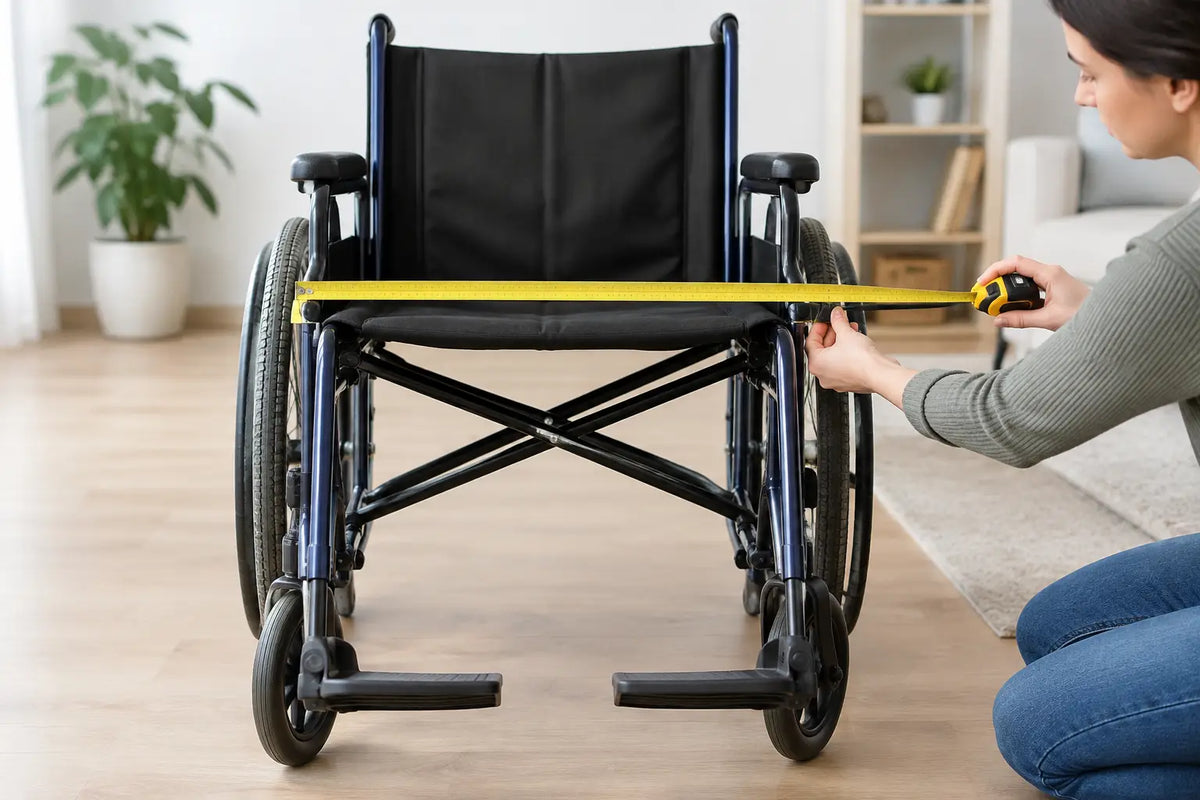
Start with the surface you need to protect. A bed pad should be wide enough to cover the main area where the person rests. A chair pad should fit the seat without excessive overhang that could fold or slide. Wheelchair users may prefer a pad sized for the seat and back area, with a low-profile construction that does not interfere with positioning.
Then consider how the pad will be used. Overnight use calls for generous coverage and dependable absorbency. Daytime use in a recliner may prioritize softness, a non-slip backing, and an easy-to-wash size. For a child managing bedwetting, choose a pad that stays in place and is simple to change in the middle of the night.
It also helps to consider the rest of the protection system. A washable underpad works well with waterproof mattress protection, fitted sheets, disposable pads for backup, protective underwear, cleansing supplies, and skin care products. Planning these items together can make accident cleanup faster and reduce the risk of mattress damage.
When Disposable Underpads May Be the Better Buy
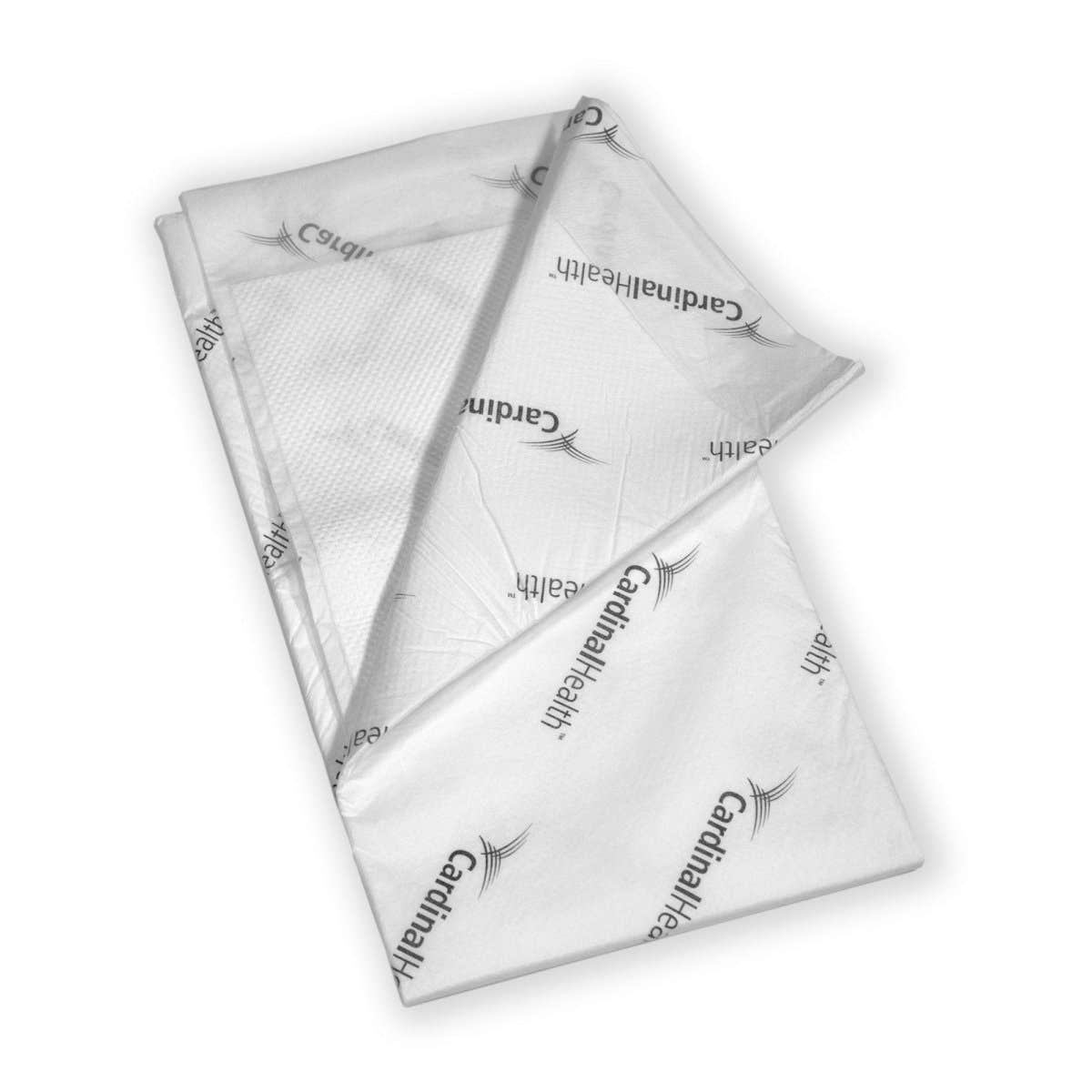
Reusable products are not automatically the best answer. Disposable underpads are often the more practical choice for travel, hospital stays, short-term recovery, or homes without convenient laundry access. They are also useful when a pad may need to be changed multiple times in a single day and washing cannot keep pace.
They can be a better fit for heavier fluid volume, too. A high-absorbency disposable underpad may offer more capacity for a single use and can be discarded immediately after a major accident. That can be easier for family members who are new to caregiving or are handling an unexpected change in a loved one's condition.
For many homes, the most effective approach is not choosing one type forever. Reusable underpads can cover routine daily protection, while disposable underpads handle travel, visitors, severe illness, or high-volume episodes. This mix keeps costs reasonable without sacrificing convenience when it matters most.
A reusable underpad is worth considering when it makes daily care calmer, more comfortable, and easier to manage. Choose a size and absorbency level that match the real situation at home, keep enough pads on hand for your laundry schedule, and build in disposable backup for the days that need it.