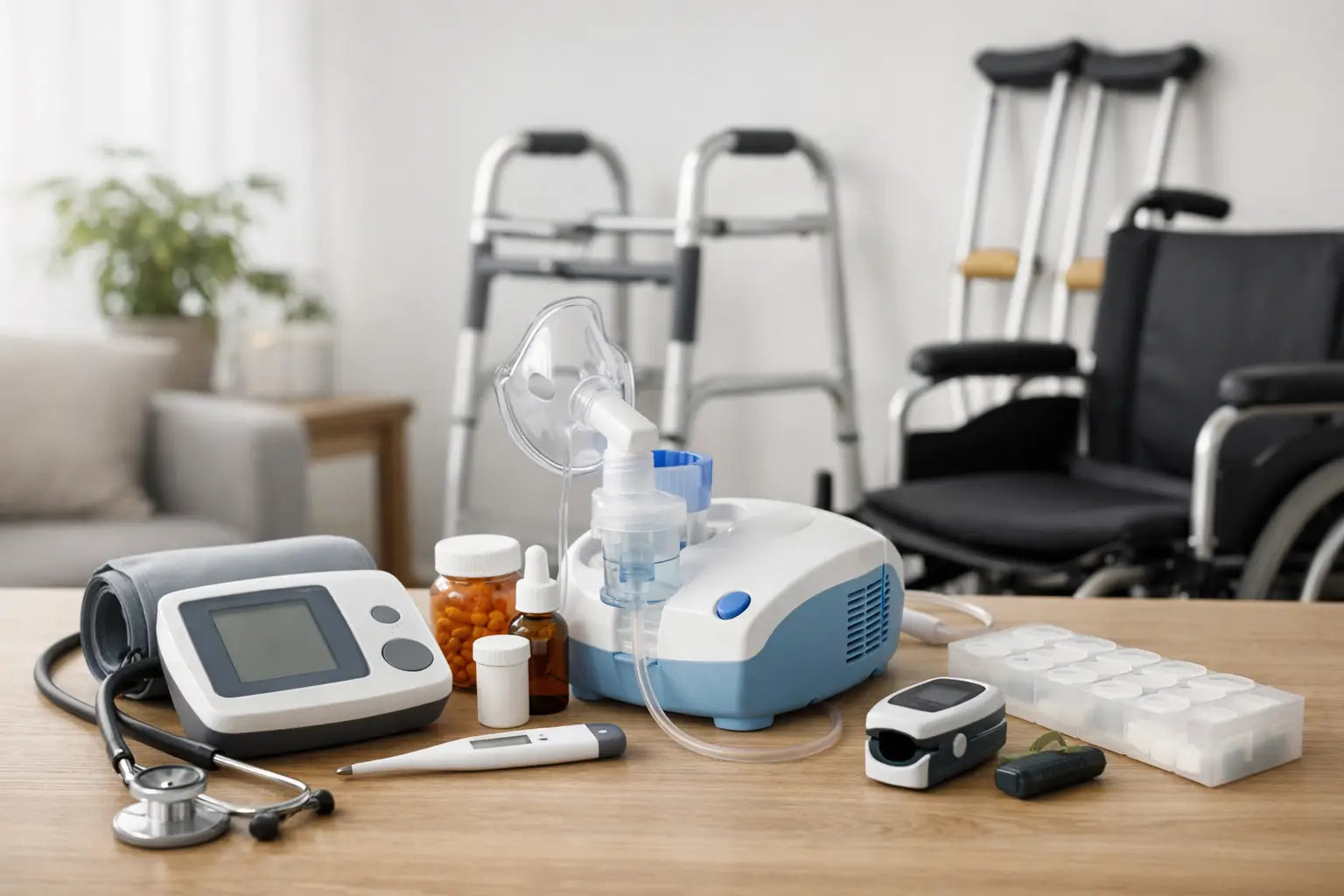
A shower that feels unsteady, a hallway that is hard to navigate with a walker, or a recovery plan that requires daily monitoring can quickly change what a home needs to support. This home medical equipment guide helps patients and caregivers choose practical products for safer, more comfortable day-to-day care without buying more than the situation calls for.
The right equipment should make a specific task easier: standing up, bathing, getting around, managing medication routines, protecting a wound, or receiving nutrition. Start with the care need, then consider the person using the product, the layout of the home, and whether the item is needed for a few weeks or as part of ongoing care.
Start With the Daily Task, Not the Product Name
Medical equipment categories can feel overwhelming because similar products often serve different needs. A cane, walker, rollator, wheelchair, and transport chair all support mobility, but they are not interchangeable. Likewise, a bedside commode may help with nighttime bathroom access, while a raised toilet seat may be enough for someone who can walk safely but has trouble bending or standing.
Think through the moments that are difficult now. Is the concern balance while walking? Getting in and out of bed? Reaching the bathroom in time? Remaining comfortable during recovery? A clear answer narrows the product choices quickly and helps avoid equipment that is too large, too complex, or poorly suited to the home.
For a new diagnosis, recent surgery, significant fall, or change in mobility, ask a physician, therapist, or other qualified clinician which equipment is appropriate. They can advise on fit, weight-bearing limits, transfer safety, and whether a particular item requires training.
Mobility Equipment for Moving Around Safely
Mobility aids should match the user's strength, balance, endurance, and typical environment. A product that works well on smooth indoor floors may be less useful on gravel, thick carpet, or uneven sidewalks.
Canes, Walkers, and Rollators
A cane can provide light support for a person with mild balance concerns or one-sided weakness. It is compact and easy to store, but it does not offer the stability of a walker. Quad canes have a wider base, although they can be less convenient on stairs and tight spaces.
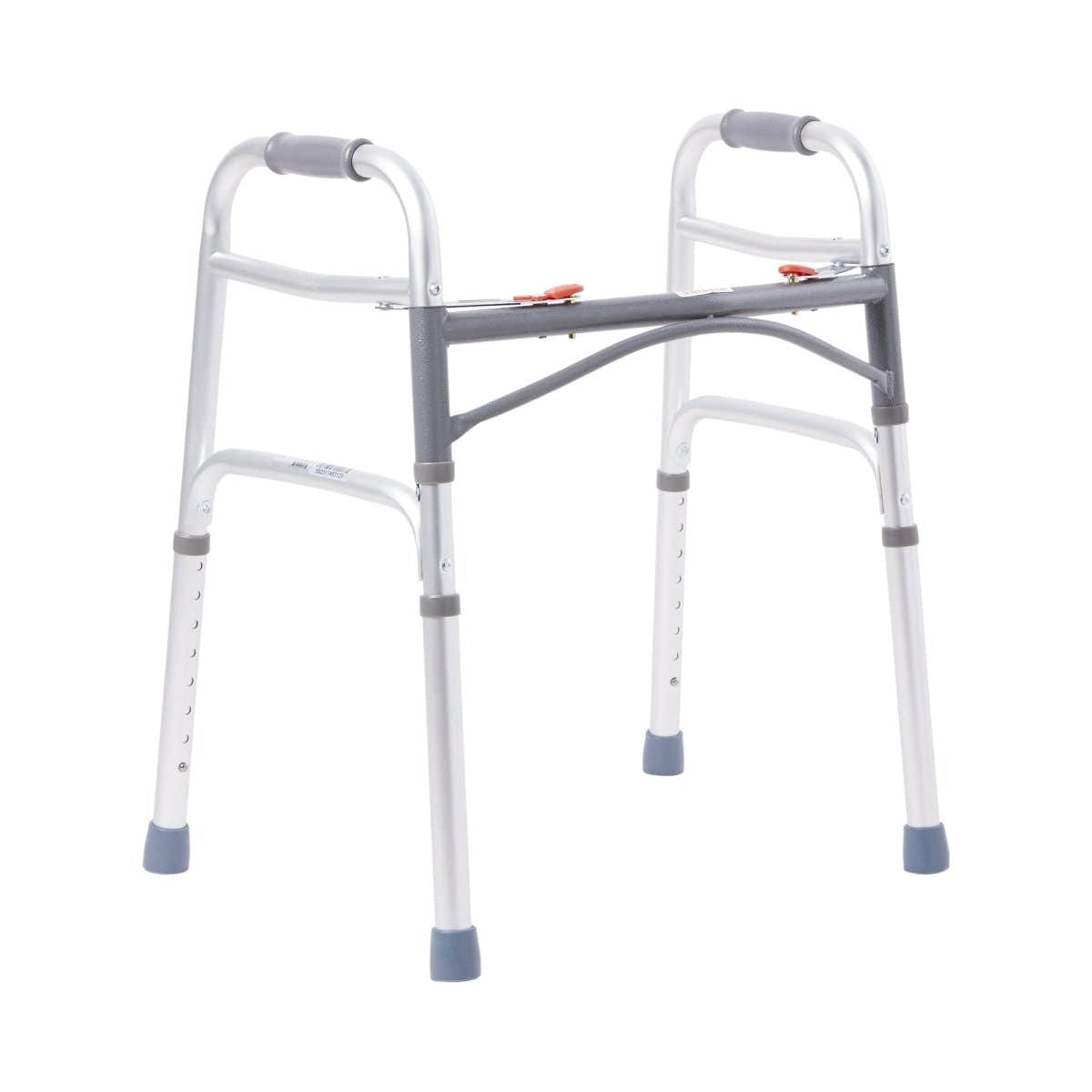
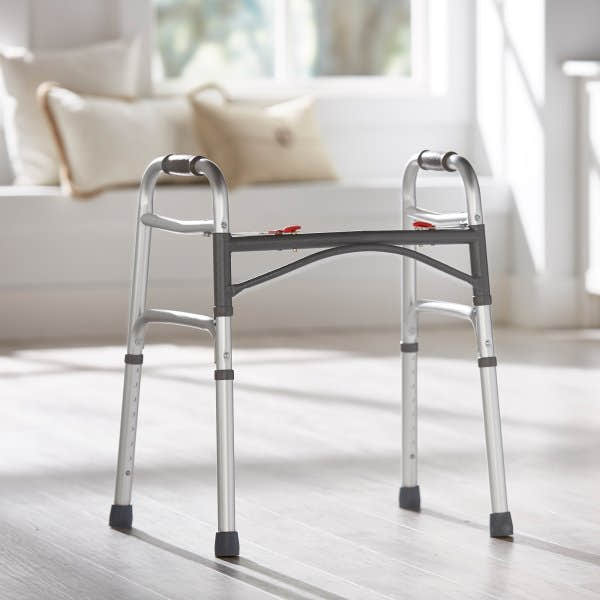
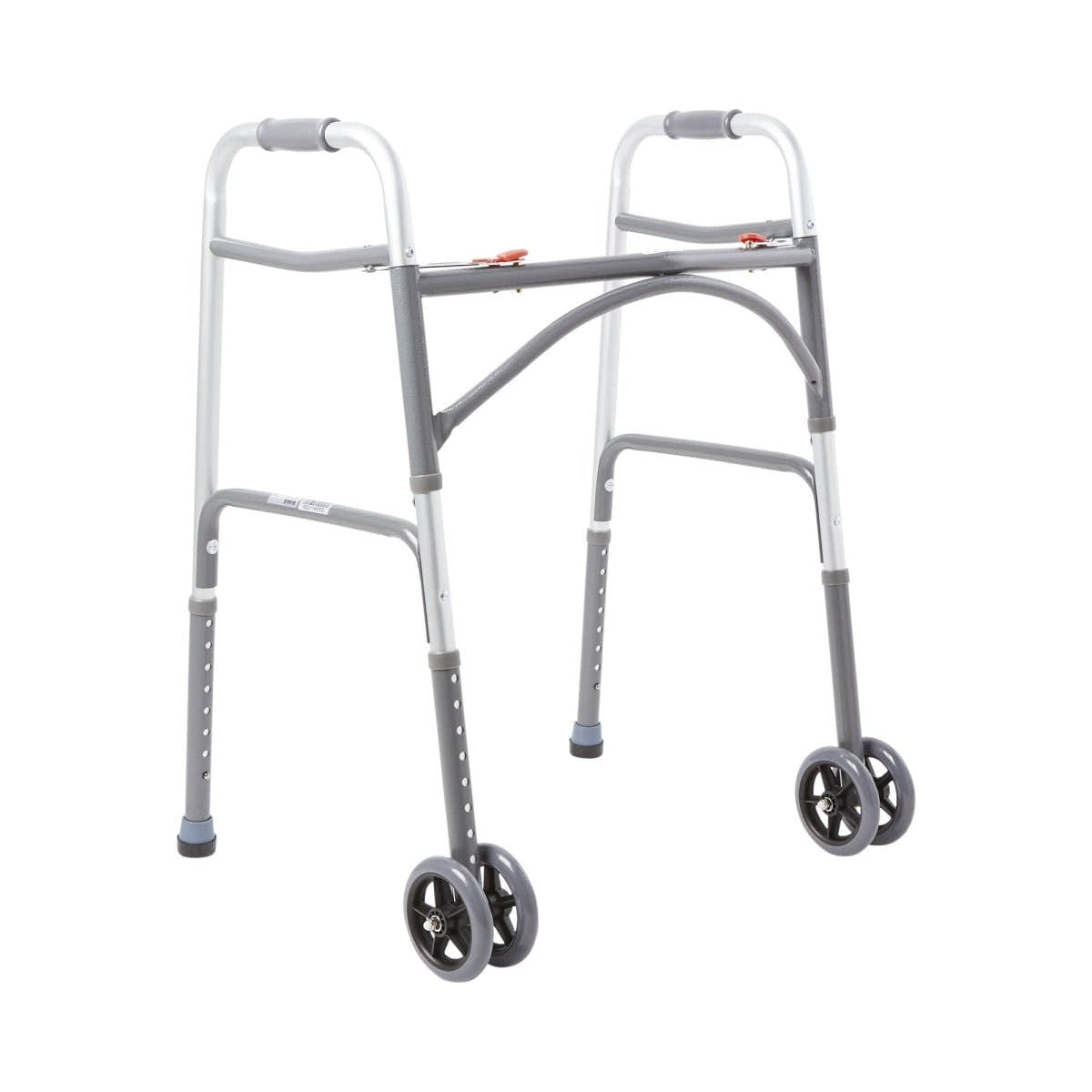
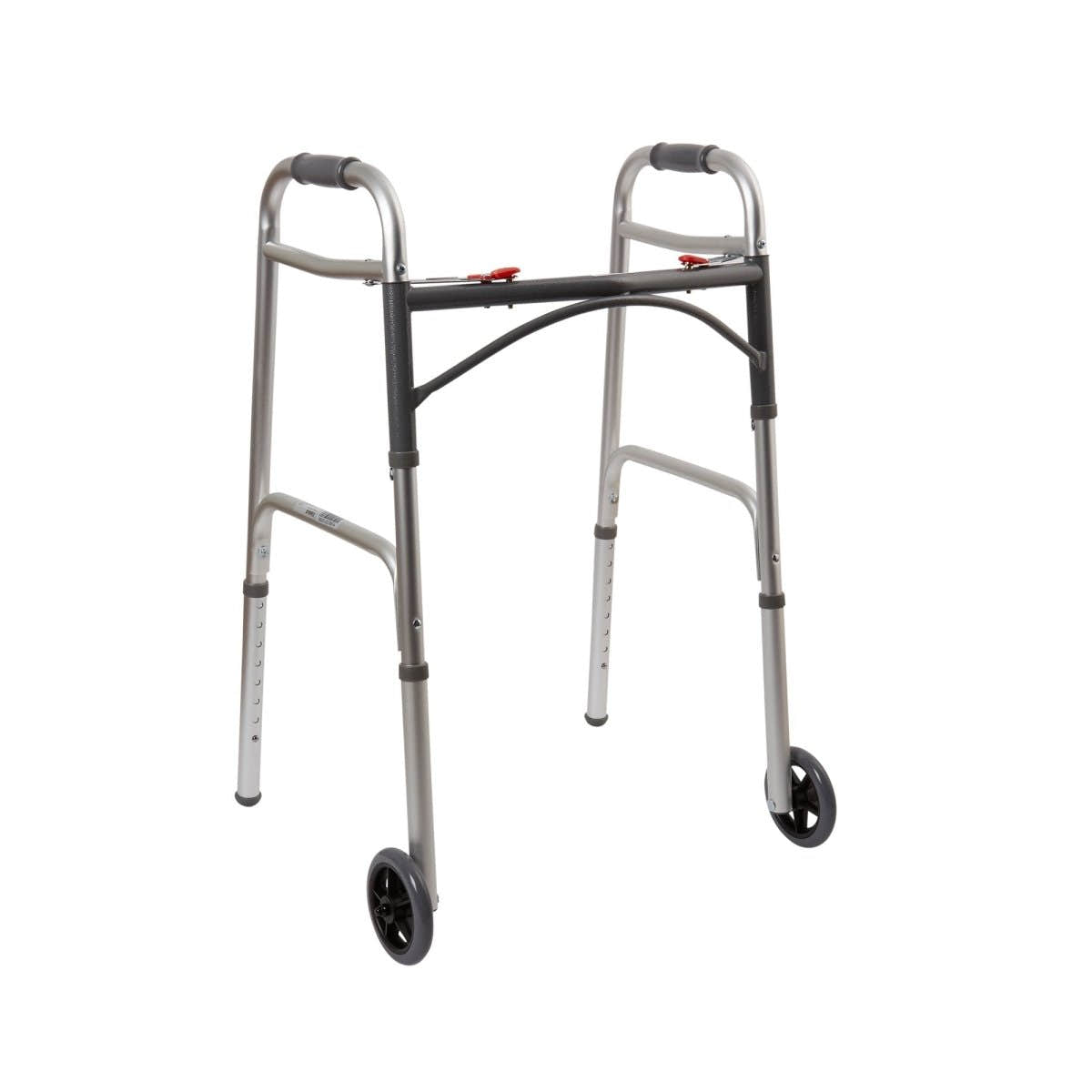
Standard walkers offer a stable frame for people who need more support. Two-wheel walkers reduce the need to lift the frame completely, which can be helpful for users with limited upper-body strength. Rollators add four wheels, hand brakes, and often a seat or storage pouch. They are useful for people who can walk independently but need help with balance or frequent rest breaks. Rollators move easily, so reliable hand brake use is essential.
Check the product's height range and weight capacity. When standing inside a walker, the handgrips should generally sit near wrist level with the arms relaxed. A poorly adjusted device can contribute to shoulder strain or poor posture.
Wheelchairs and Transport Chairs
A wheelchair is designed for seated mobility and may be self-propelled by the user or pushed by a caregiver. A transport chair typically has smaller rear wheels and is intended to be pushed by someone else. Transport chairs are often lighter and easier to place in a vehicle, but they are not the right choice for someone who needs to propel themselves regularly.
Measure doorways, bathroom entrances, elevator access, and vehicle storage before ordering. Seat width, footrest style, armrest height, and overall chair weight affect everyday usability. If a person spends extended time in a chair, pressure relief, positioning, and professional guidance become especially important.
Bathroom and Bedroom Safety Equipment
Bathrooms combine hard surfaces, moisture, and tight turns, making them one of the most common areas for falls. Small changes can make a meaningful difference, especially during recovery or when mobility is limited.
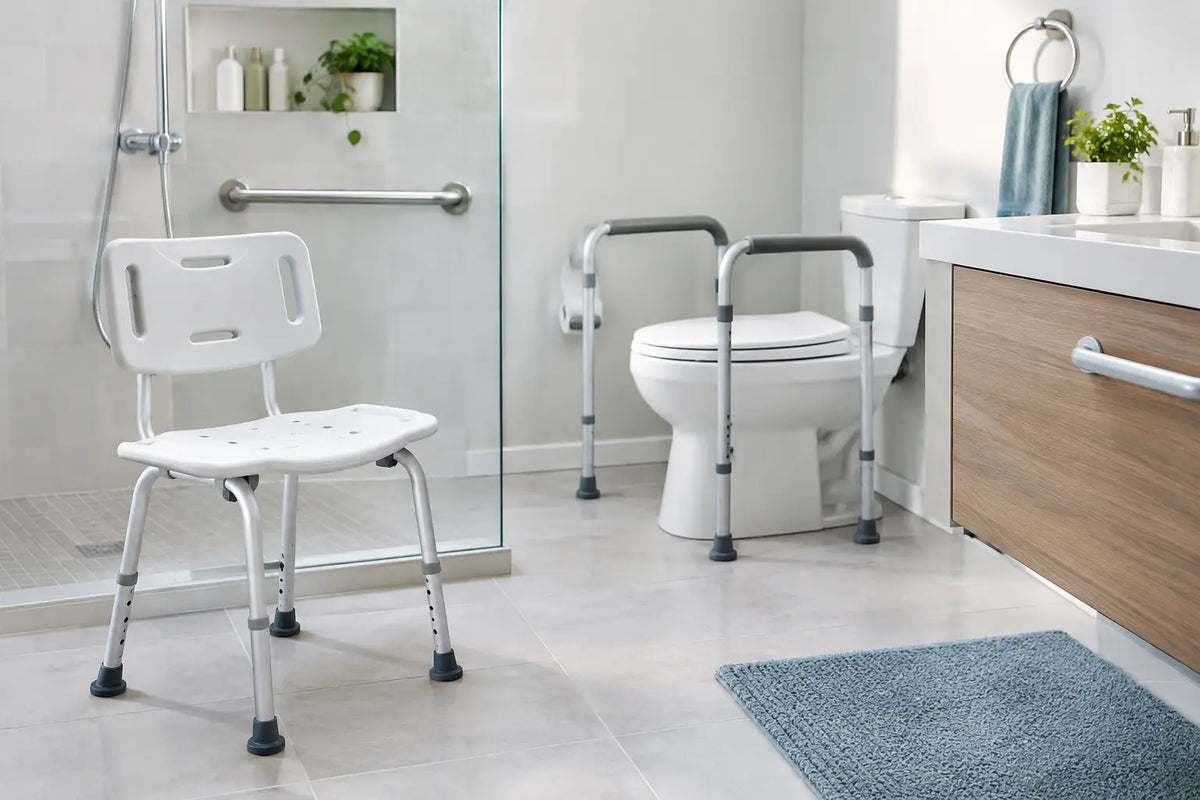
A shower chair or bath bench provides a stable place to sit while bathing. A bath bench can extend over the tub edge, allowing the user to sit first and move into the tub gradually. This can be helpful when stepping over the tub wall is difficult. Nonslip bath mats and handheld shower heads can further reduce unnecessary movement.
Grab bars offer support during transfers, but they need to be installed securely into appropriate wall supports. Towel bars and suction accessories should not be treated as reliable weight-bearing supports unless the manufacturer specifically states otherwise.
Near the bed, equipment should support the nighttime routine without creating clutter. Bed rails may help some users reposition or transfer, but they are not appropriate for everyone and can create entrapment risks in certain situations. A bedside commode may be useful when bathroom trips are difficult or urgent. For people managing incontinence, keeping absorbent products, cleansing supplies, and skin-protection items within reach can make care more comfortable and private.
Recovery, Monitoring, and Everyday Health Needs
Home care often includes more than durable equipment. Many households need a combination of reusable devices and recurring supplies, particularly after surgery or while managing a chronic condition.
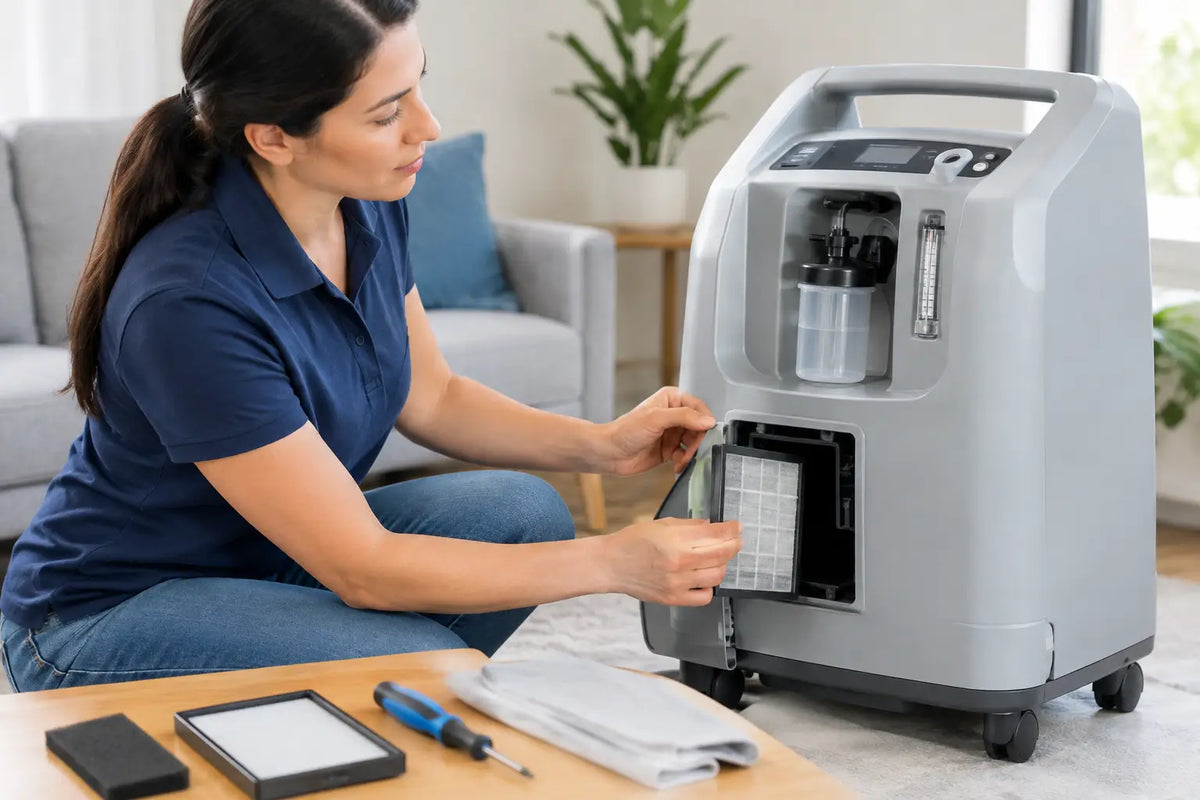
For respiratory or circulation needs, clinicians may recommend items such as nebulizer accessories, compression products, or oxygen-related supplies. These products require careful attention to instructions, replacement schedules, and prescribed settings. Never adjust prescribed therapy settings without guidance from the care team.
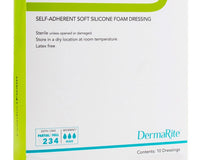
For diabetes care, organize testing supplies, lancets, glucose monitoring accessories, and sharps disposal in one consistent location. For wound care, use the dressing type and change schedule recommended by the clinician. The wrong adhesive, dressing size, or cleansing product can irritate the skin or interfere with healing.
Nutrition and enteral feeding needs also require close attention to the care plan. Formula, feeding bags, syringes, and connectors should be compatible with the prescribed system. Keep backup supplies on hand when possible, especially for items used every day.
How to Choose Equipment That Fits the Home
Before purchasing, take a few simple measurements. Doorway width matters for walkers and wheelchairs. Toilet height, tub height, bed height, and the clearance around furniture all affect whether a product can be used safely. If the equipment needs to travel, consider vehicle trunk space and whether the caregiver can comfortably lift it.
Also consider cleaning and storage. Equipment used in the bathroom should be made from materials that can handle regular cleaning. Products with removable parts may be easier to maintain, while folding frames can help in homes with limited space. Convenience matters because equipment that is hard to clean, heavy to move, or difficult to set up may not be used consistently.
For ongoing needs, look beyond the initial purchase. Replacement tips for canes and walkers, wheelchair cushions, incontinence supplies, wound dressings, diabetes products, and nutrition items may need regular reordering. Keeping commonly used items in a simple inventory can prevent last-minute shortages.
A Practical Buying Checklist
When comparing home medical equipment, confirm these details before placing an order:
- The intended use, including whether the item is for short-term recovery or long-term daily support.
- User measurements, weight capacity, height adjustment range, and transfer requirements.
- Home measurements, including doorways, bathroom layout, stairs, and storage space.
- Product features that affect safety, such as brakes, nonslip feet, locking mechanisms, or secure installation requirements.
- Cleaning instructions, replacement parts, and recurring supplies needed to keep the product useful.
- Whether a clinician's recommendation, prescription, or insurance documentation is needed for the item.
Ordering Home Care Supplies With Less Stress
When a household is managing multiple care needs, ordering related products from one place can save time. CartHealth offers a broad range of home health categories, making it easier to shop for mobility aids alongside incontinence care, wound supplies, nutritional products, diabetes essentials, and patient care items.
Before checking out, review sizes, quantities, and product compatibility. Reorder recurring supplies before the last package is open, rather than waiting until stock is low. For caregivers, it can help to keep a short note with preferred product names, sizes, and reorder timing so another family member can place the correct order if needed.
The best home equipment is the equipment that supports real routines with less strain and more confidence. Choose one need at a time, measure carefully, and ask for professional guidance when safety or fit is uncertain.